
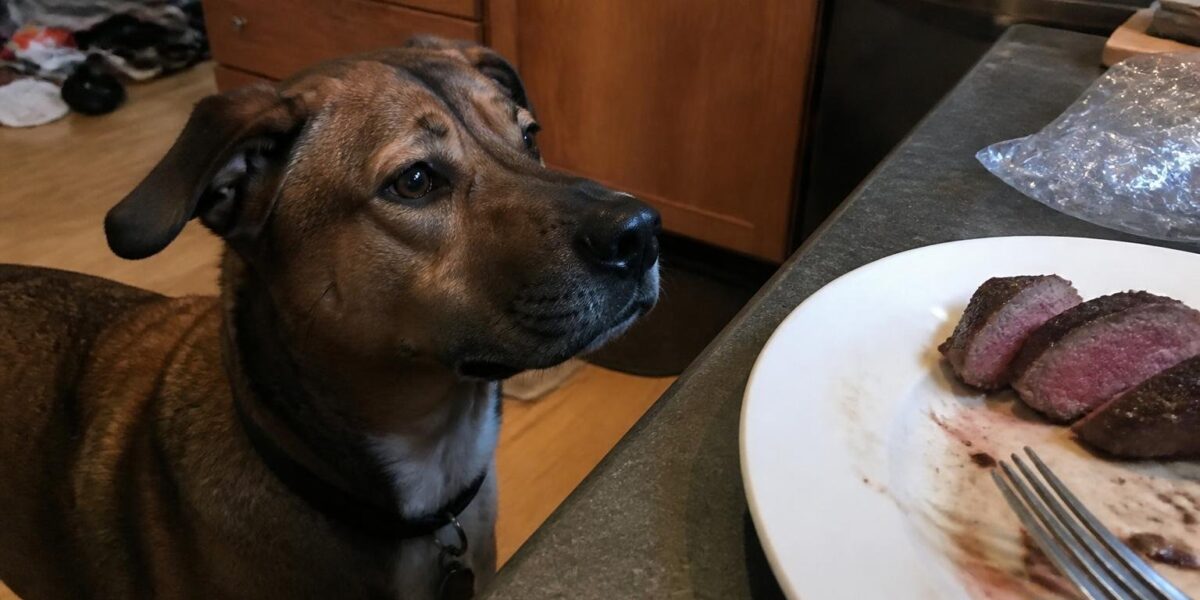
Can Dogs Eat Beef? The Short Answer
Yes, dogs can eat beef, and most dogs love it. Lean, cooked, plain beef is one of the safest and most nutritious proteins you can offer your dog. In fact, beef is a foundational ingredient in countless commercial dog foods because it delivers complete protein, essential amino acids, and key minerals.
In this article
- Can Dogs Eat Beef? The Short Answer
- The Nutritional Benefits of Beef for Dogs
- How to Safely Prepare Beef for Your Dog
- Safe Serving Size for Beef
- When Beef Can Be a Problem
- Beef Bones: Handle With Care
- Choosing the Best Cuts of Beef
- Beef and Special Diets
- Cooked vs. Raw Beef
- Building Beef Into Your Dog’s Meals
- Frequently Asked Questions
The simple rule with beef is that the cleaner and plainer it is, the better. Trouble only starts when beef arrives heavily salted, fried in oil, drenched in sauces, seasoned with onion or garlic, or served as fatty trimmings. Plain cooked beef, on the other hand, is a wonderful treat or meal topper.
As always, talk to your veterinarian before making beef a regular part of your dog’s diet, especially if your dog has a history of food sensitivities, pancreatitis, or kidney issues.
The Nutritional Benefits of Beef for Dogs
Beef is a powerhouse of nutrition for dogs. It is rich in high-quality, complete protein that supports muscle development, tissue repair, and a healthy immune system. For active dogs and growing puppies, that protein is especially valuable.
Beyond protein, beef offers several important nutrients:
- Iron — supports healthy red blood cells and oxygen transport.
- Zinc — promotes skin health, wound healing, and immune function.
- B vitamins (especially B12) — help with energy metabolism and nervous system health.
- Healthy fats — provide energy and support a shiny coat (in moderation).
Because beef contains everything a dog needs from an animal protein, it pairs beautifully with simple carbohydrates like plain cooked rice for a gentle, homemade meal when your vet approves.
How to Safely Prepare Beef for Your Dog
Preparation matters more than the cut. Follow these guidelines to keep beef safe and healthy:
- Cook it thoroughly. Raw beef can carry bacteria like Salmonella and E. coli. Cooking to a safe internal temperature greatly reduces that risk.
- Keep it plain. Skip salt, butter, oil, onion, garlic, and seasoning blends. Onion and garlic are toxic to dogs.
- Choose lean cuts. Trim visible fat to avoid digestive upset and lower the risk of pancreatitis.
- Cut into bite-sized pieces. This reduces choking risk and makes portions easy to control.
Ground beef, stew meat, and lean cuts of steak are all fine when cooked plainly. If you compare beef to other red meats like lamb, the preparation rules are nearly identical: cook it, keep it lean, and leave the seasonings out.
Safe Serving Size for Beef
Treats and toppers, including beef, should make up no more than about 10 percent of your dog’s daily calories. The rest should come from a complete, balanced diet.
As a loose guide:
- Small dogs — a tablespoon or two of cooked, chopped beef.
- Medium dogs — a few tablespoons.
- Large dogs — a small handful.
Introduce beef gradually, especially if your dog has never had it before. Start with a small amount and watch for any digestive changes over the next day or two.
When Beef Can Be a Problem
While beef itself is safe, a few scenarios call for caution. Fatty cuts and trimmings can trigger pancreatitis, a painful and potentially serious inflammation of the pancreas. Heavily processed beef products, like hot dogs or seasoned deli meats, carry too much salt and additives for regular feeding.
Some dogs are also allergic to beef. Beef is actually one of the more common food allergens in dogs. Signs of a beef allergy include itchy skin, recurrent ear infections, and chronic digestive upset. If you notice these patterns, talk to your vet about an elimination diet.
Watch for these signs of digestive upset after feeding beef:
- Vomiting or diarrhea
- Excessive gas
- Loss of appetite
- Lethargy
Most cases of mild upset resolve on their own, but contact your vet if symptoms persist or worsen.
Beef Bones: Handle With Care
Many owners assume beef bones are a natural treat, but cooked bones are dangerous. Cooked bones become brittle and can splinter, causing choking, mouth injuries, or internal punctures. Never give your dog cooked bones of any kind.
Raw recreational bones carry their own risks, including bacterial contamination and broken teeth. If you want to give your dog something to chew, ask your vet about safer commercial chew options instead.
It is a common myth that bones are essential for a dog’s diet or dental health. In reality, the risk of a cracked tooth or an intestinal blockage far outweighs any benefit. Modern dental chews and regular tooth brushing do a far safer job of keeping your dog’s mouth healthy.
Choosing the Best Cuts of Beef
Not all beef is created equal when it comes to feeding your dog. Leaner cuts are gentler on the digestive system and lower the risk of pancreatitis, while fatty cuts and processed beef products bring extra salt and grease your dog does not need.
Good choices include:
- Lean ground beef — easy to portion and cook, just drain off the fat.
- Sirloin or round — naturally lean cuts that cook up tender.
- Stew meat — fine when trimmed of fat and cooked plainly.
Cuts to limit or avoid include fatty brisket, ribeye trimmings, and anything processed. Compared with leaner red meats, beef sits nicely alongside other proteins like chicken in a rotation, giving your dog variety while keeping fat in check. Always cook beef plainly and let it cool before serving.
Beef and Special Diets
Beef is a great everyday protein, but some dogs need extra consideration. Dogs recovering from pancreatitis or those prone to it should stick to the very leanest beef or avoid it. Dogs with kidney disease may need protein and phosphorus carefully managed, so beef portions should follow your vet’s guidance.
If your dog has shown signs of a food allergy, beef is one of the more common culprits and may need to be swapped for a novel protein. And for dogs on a complete commercial diet, beef is best treated as a topper or treat rather than a replacement for balanced meals. Whenever you make a meaningful change to your dog’s diet, loop in your veterinarian so the plan fits your dog’s individual health needs.
Cooked vs. Raw Beef
The debate over raw versus cooked beef comes up often among dog owners. While some raw-diet enthusiasts champion raw beef, cooked beef is the safer, more widely recommended choice, and here is why.
Raw beef can carry bacteria such as Salmonella and E. coli. These pathogens can make your dog sick and can also spread to people in the household through contaminated surfaces, bowls, and your dog’s stool. Cooking beef to a safe temperature kills these bacteria and removes much of that risk.
Raw diets can be done, but they require careful formulation and strict hygiene to be safe and balanced, which is why many vets advise against casual raw feeding. If you are interested in raw, talk it through with your veterinarian or a veterinary nutritionist first. For everyday feeding, plain cooked beef is simple, safe, and just as appealing to most dogs.
Building Beef Into Your Dog’s Meals
Beef is wonderfully versatile, which makes it easy to work into your dog’s routine without overdoing it. The key is to keep it plain and to balance it against the rest of the diet.
A few simple ideas:
- Meal topper — a spoonful of lean cooked beef stirred into kibble adds flavor and protein.
- Training rewards — tiny cubes of plain cooked beef make high-value treats.
- Bland recovery meals — lean ground beef with plain rice can settle an upset stomach, when your vet approves.
- Food puzzles — a few beef pieces hidden in a puzzle toy keep your dog engaged.
Whatever method you choose, remember that beef is a complement to, not a replacement for, a complete and balanced diet. Keep treats and toppers within about 10 percent of daily calories, and let the bulk of your dog’s nutrition come from a properly formulated food. When you want to make beef a larger part of the diet, your veterinarian can help you balance it correctly.
Frequently Asked Questions
Can dogs eat beef every day?
Beef can be part of a daily diet if it is balanced into a complete meal, but plain beef alone is not nutritionally complete. As a treat, keep it to about 10 percent of daily calories.
Can dogs eat raw beef?
Raw beef carries a risk of bacterial contamination for both dogs and the humans handling it. Cooked beef is the safer choice. Talk to your vet before trying any raw diet.
Can puppies eat beef?
Yes, lean cooked beef is fine for puppies in small amounts, but their main diet should be a complete puppy food formulated for growth.
Is ground beef safe for dogs?
Yes, lean ground beef cooked without oil, salt, or seasoning is a safe and easy option for dogs.


