
Last updated: April 10, 2026
In this article
Can Dogs Eat Brisket? Only Plain and in Small Amounts
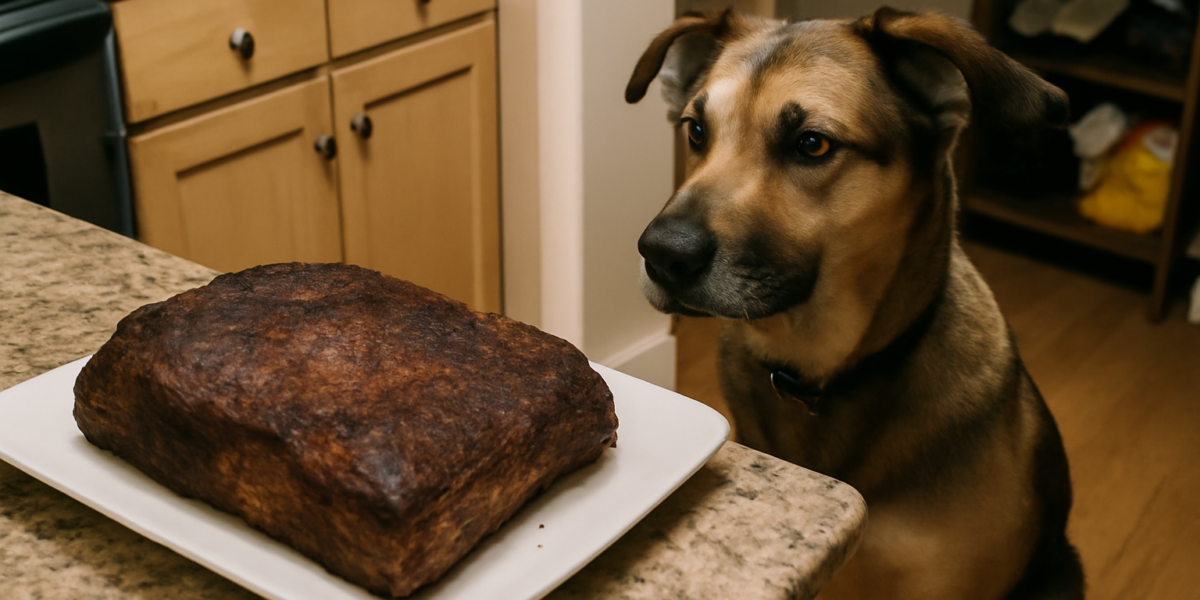
Dogs can eat small amounts of plain, unseasoned brisket as an occasional treat, but the brisket you enjoy at a barbecue is generally not safe for dogs. Most prepared brisket is loaded with seasonings, salt, sugar, garlic, onion, and cooking fats that can be harmful — and in some cases toxic — to dogs. If you want to share brisket with your pup, it needs to be plain, trimmed of excess fat, and offered in moderation.
Brisket is one of the fattiest cuts of beef, and that high fat content is what makes it so flavorful for us but potentially problematic for dogs. Understanding the specific risks and how to minimize them will help you decide if and when can dogs eat brisket safely.
Why Regular Brisket Is Risky for Dogs
The brisket you pull off the smoker or buy from your favorite barbecue restaurant is a very different product from plain cooked beef. Several components of typical brisket preparation create real hazards for dogs.
High Fat Content
Brisket is one of the fattiest cuts of beef, often containing 30-40 percent fat depending on the grade and how it is trimmed. Dogs need some dietary fat, but a sudden influx of high-fat food can overwhelm their digestive system. The most serious risk is pancreatitis — inflammation of the pancreas triggered by excessive fat consumption. Pancreatitis can range from mild digestive upset to a life-threatening emergency requiring hospitalization.
Dangerous Seasonings
Most brisket rubs and sauces contain ingredients that are toxic or harmful to dogs:
- Garlic and onion powder — Both are toxic to dogs. They damage red blood cells and can cause hemolytic anemia, even in relatively small amounts.
- Excessive salt — Can lead to sodium ion poisoning, causing vomiting, diarrhea, tremors, and in severe cases, seizures
- Sugar and brown sugar — Common in rubs, contributing unnecessary calories and potential blood sugar spikes
- Chili powder and black pepper — Can irritate the stomach lining and cause gastrointestinal distress
- Liquid smoke — Contains compounds that may be irritating to dogs’ digestive systems
Barbecue Sauce
Barbecue sauce deserves special mention because it combines many of the above dangers into one condiment. Most barbecue sauces contain garlic, onion, high levels of sugar, vinegar, and sometimes xylitol (an artificial sweetener that is extremely toxic to dogs). Never give your dog brisket that has been coated or dipped in barbecue sauce.
How to Safely Prepare Brisket for Dogs
If you want to share the brisket experience with your dog, here is how to make it safe. The process requires a bit of extra effort, but it ensures your dog gets a tasty treat without the risks.
- Start with a small, plain piece. Set aside a portion of raw brisket before applying any rubs, marinades, or seasonings.
- Trim visible fat aggressively. Remove as much external fat and the fat cap as possible. The leaner the piece, the safer it is.
- Cook it simply. Bake, boil, or grill the plain piece without any oil, butter, seasoning, or sauce. Cook to an internal temperature of at least 145 degrees Fahrenheit.
- Let it cool completely. Hot food can burn your dog’s mouth and makes them more likely to gulp without chewing.
- Cut into small, bite-sized pieces. This reduces choking risk and makes portion control easier.
The result will be bland by human standards but perfectly delicious to your dog. Dogs do not need or want the complex seasonings we enjoy — they are happy with the natural flavor of beef.
Portion Sizes by Dog Weight
Even plain brisket is a high-calorie treat, so portion control matters. Treat brisket as a special-occasion food, not a regular addition to your dog’s diet.
Small Dogs (Under 25 Pounds)
One to two small cubes (about half an ounce total) once a week at most. Small dogs are especially vulnerable to pancreatitis from high-fat foods, so keep portions tiny.
Medium Dogs (25-55 Pounds)
Two to three small cubes (about one ounce total) as an occasional treat. Mix into their regular food as a special topper rather than offering it as a standalone snack.
Large Dogs (55-90 Pounds)
Up to one and a half ounces of plain, trimmed brisket. Even large dogs should not eat brisket frequently — once a week or less is plenty.
Giant Dogs (Over 90 Pounds)
Up to two ounces as an occasional treat. Despite their size, giant breeds can still develop pancreatitis from fatty foods. Moderation applies to every dog regardless of weight.
Signs of Trouble After Eating Brisket
Whether your dog snuck a piece off the counter or you intentionally shared some, watch for these symptoms in the hours and days following brisket consumption:
- Vomiting — The most common reaction to fatty or seasoned foods, often appearing within a few hours
- Diarrhea — Loose, greasy stools indicate the fat content was too much for your dog’s digestive system
- Abdominal pain — Whining, pacing, a hunched posture, or reluctance to be touched around the belly
- Lethargy — Unusual tiredness or reluctance to move
- Loss of appetite — Refusing food for more than 24 hours warrants a vet call
- Excessive thirst and urination — Could indicate salt toxicity from seasoned brisket
If your dog ate seasoned brisket containing garlic or onion, contact your veterinarian immediately even if no symptoms are present. Garlic and onion toxicity can take several days to manifest, and early intervention is important. Symptoms of allium toxicity include pale gums, rapid breathing, weakness, and dark-colored urine.
For pancreatitis specifically, symptoms usually appear within 24-72 hours and include severe vomiting, diarrhea, abdominal pain, and fever. This condition requires veterinary treatment — do not try to manage it at home.
Safer Protein Treats for Dogs
If you love treating your dog to real meat but want to minimize risk, several options are much safer than brisket. Lean cuts like chicken breast, turkey breast, or lean ground beef (90 percent lean or higher) offer the protein dogs love without the extreme fat content.
For natural chew treats that also provide nutritional benefits, consider chicken feet for joint health or turkey necks for dental benefits. These options satisfy your dog’s desire for meat-based treats while being easier on their digestive system.
Fish-based treats like sardines provide healthy omega-3 fats that actually reduce inflammation, unlike the saturated fats in brisket that can trigger it. Always consult your veterinarian if you are unsure which treats are appropriate for your dog’s specific health needs.
Frequently Asked Questions
Can dogs eat brisket fat trimmings?
No, you should not feed your dog brisket fat trimmings. The fat cap and trimmings are the most concentrated source of fat on the brisket and pose the highest risk for pancreatitis. Discard them or save them for other cooking purposes — just keep them away from your dog.
My dog ate seasoned brisket from the trash. What should I do?
First, try to estimate how much they ate. If it was a small piece and did not contain garlic or onion, monitor for vomiting and diarrhea over the next 24-48 hours. If the brisket contained garlic, onion, or if your dog ate a large quantity, call your vet or the ASPCA Animal Poison Control Center at (888) 426-4435 immediately.
Is smoked brisket worse than oven-cooked for dogs?
Smoked brisket carries additional concerns because smoking often involves heavier seasoning and the smoke itself introduces polycyclic aromatic hydrocarbons (PAHs), which are potentially carcinogenic. The safest cooking method for dog-friendly brisket is plain baking or boiling with no additives.
Can dogs eat brisket bones?
Brisket does not typically come with bones, but if you are working with a bone-in cut, never give cooked bones to your dog. Cooked beef bones can splinter and cause serious internal injuries. Raw beef bones are safer but should still be supervised. For more on bone safety, read our guide to lamb bones for dogs.
How often can I give my dog plain brisket?
Even plain, trimmed brisket should be an occasional treat — no more than once a week, and in small portions. There are leaner protein options that you can offer more frequently. If your dog has a history of pancreatitis or is overweight, it is best to skip brisket entirely and choose leaner alternatives. Browse our dog adoption resources for more nutrition and care tips.


