
Last updated: April 27, 2026
In this article
Can Dogs Eat Lamb Bones? The Short Answer
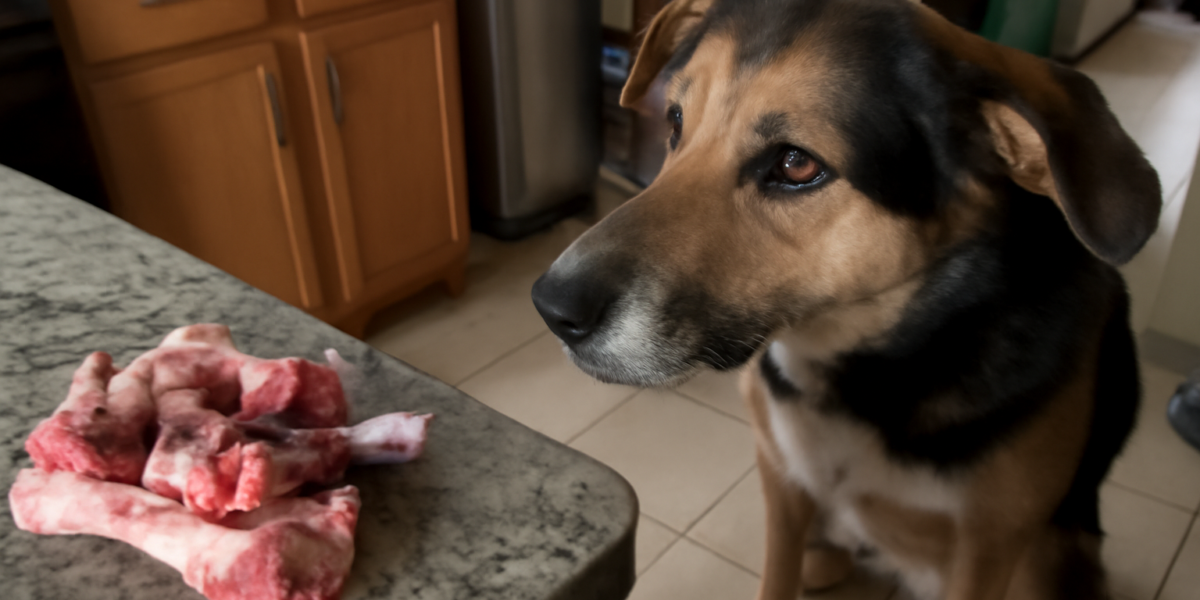
Dogs can eat raw lamb bones in moderation, but cooked lamb bones are dangerous and should never be given to dogs. Cooking changes the structure of bone, making it brittle and prone to splintering into sharp fragments that can puncture your dog’s mouth, throat, stomach, or intestines. Raw lamb bones, on the other hand, are softer and more pliable, making them a generally safer option when offered under supervision.
Before you toss your dog that leftover lamb chop bone from dinner, you need to understand the critical differences between raw and cooked bones. The wrong choice could land you in an emergency vet clinic. Let’s break down everything you need to know about feeding lamb bones to your dog safely.
Raw Lamb Bones vs Cooked Lamb Bones
The distinction between raw and cooked lamb bones is not just a minor detail — it’s a matter of safety. Raw bones maintain their natural moisture and flexibility, which means they tend to crush and break into rounded pieces rather than sharp shards. Your dog’s powerful jaws can work through raw bone without the same risk of dangerous splintering.
Cooked lamb bones tell a completely different story. Whether boiled, baked, grilled, or smoked, the heat dries out the bone and fundamentally changes its composition. Cooked bones become hard and brittle, and when your dog bites down, they can crack into jagged, knife-like pieces. These splinters can cause:
- Lacerations in the mouth, gums, and tongue
- Choking if a fragment gets lodged in the throat
- Esophageal tears as sharp pieces travel down
- Stomach and intestinal perforations, which can be life-threatening
- Bowel obstructions from accumulated bone fragments
Veterinarians universally advise against cooked bones of any kind. If your dog has already eaten a cooked lamb bone, monitor closely for signs of distress and call your vet immediately if you notice anything unusual.
Best Types of Lamb Bones for Dogs by Size
Not all raw lamb bones are created equal, and choosing the right size matters just as much as choosing raw over cooked. The general rule is to pick a bone that is larger than the length of your dog’s muzzle so they cannot swallow it whole.
Small Dogs (Under 25 Pounds)
Small breeds like Chihuahuas, Dachshunds, and Shih Tzus can enjoy raw lamb ribs, which are relatively small and soft enough for their smaller jaws. Limit chewing sessions to 10-15 minutes and always supervise. Remove the bone once it gets small enough to fit entirely in their mouth.
Medium Dogs (25-55 Pounds)
Medium breeds such as Beagles, Cocker Spaniels, and Australian Shepherds do well with raw lamb ribs or lamb neck bones. These provide a satisfying chew and some nutritional benefits without being overwhelmingly large. Keep sessions to around 15-20 minutes.
Large Dogs (55-90 Pounds)
Larger breeds like Labrador Retrievers, Golden Retrievers, and German Shepherds can handle raw lamb shanks and larger neck bones. These dogs have stronger jaws, so you need bones substantial enough that they cannot crack them apart quickly. Supervise closely and limit to 20-30 minutes.
Giant Dogs (Over 90 Pounds)
Giant breeds such as Great Danes and Mastiffs should be given the largest lamb bones available, like leg bones or large shanks. Even so, their powerful bite force means you need to monitor for any signs that the bone is breaking into pieces they could swallow. Never leave a giant breed unattended with any bone.
Nutritional Benefits of Raw Lamb Bones
When offered safely, raw lamb bones provide some genuine health perks for your dog. They are a natural source of calcium and phosphorus, two minerals essential for strong bones and teeth. The marrow inside lamb bones is rich in healthy fats and nutrients that many dogs find irresistible.
Chewing on raw bones also supports dental health. The gnawing action helps scrape plaque and tartar off your dog’s teeth, acting like a natural toothbrush. Many veterinary dentists acknowledge that recreational bone chewing can complement regular dental care, though it should never replace professional cleanings.
Beyond nutrition, raw bones provide mental stimulation. Dogs are natural chewers, and working on a bone engages their brain, reduces boredom, and can help alleviate anxiety. If your dog tends to chew on furniture or shoes, a raw lamb bone can redirect that energy toward something appropriate and satisfying.
That said, bones should be considered a treat and not a dietary staple. Excessive bone consumption can lead to constipation, and too much marrow can cause loose stools in some dogs due to its high fat content.
How to Safely Give Your Dog a Lamb Bone
Following a few simple guidelines can make the difference between a fun treat and a trip to the emergency vet. Here’s how to offer raw lamb bones safely:
- Always choose raw, never cooked. This is the most important rule and bears repeating. Discard any lamb bones from cooked meals.
- Pick the right size. The bone should be larger than your dog’s mouth to prevent swallowing. When in doubt, go bigger.
- Supervise every session. Never leave your dog alone with a bone. Watch for aggressive chewing that could break off large chunks.
- Limit chewing time. After 15-30 minutes (depending on your dog’s size), take the bone away. Prolonged chewing increases the risk of tooth fractures.
- Refrigerate or discard after use. Raw bones left at room temperature can grow bacteria. Refrigerate for up to 3-4 days, then toss them.
- Introduce slowly. If your dog has never had a raw bone, start with a short session and watch for any digestive upset afterward.
If you have a multi-dog household, separate your dogs during bone time. Resource guarding is common around high-value items like bones, and even friendly dogs can become possessive.
Signs of Trouble After Eating Lamb Bones
Even with precautions, things can occasionally go wrong. Keep a close eye on your dog for 24-72 hours after giving them a lamb bone. Contact your veterinarian right away if you notice any of these symptoms:
- Choking or gagging — Pawing at the mouth, excessive drooling, or difficulty breathing could mean a bone fragment is lodged in the throat
- Vomiting — Especially if the vomit contains bone fragments or blood
- Bloody stool or difficulty defecating — Bone shards can damage the intestinal lining or cause obstructions
- Lethargy or loss of appetite — General signs that something is wrong internally
- Abdominal pain — Whimpering when touched around the belly, hunching, or restlessness
- Constipation — White, chalky, or very hard stools can indicate too much bone consumption
If your dog ate a cooked lamb bone, do not try to induce vomiting — this can cause additional damage as sharp pieces come back up. Call your vet or an emergency animal hospital immediately for guidance. In some cases, X-rays or even surgery may be needed to remove bone fragments safely.
Alternatives to Lamb Bones for Dogs
If the risks of real bones make you uncomfortable, several safer alternatives can satisfy your dog’s urge to chew. High-quality rubber chew toys designed for aggressive chewers provide lasting entertainment without the splintering risk. Bully sticks and chicken feet are popular natural chews that are fully digestible.
Dental chews approved by the Veterinary Oral Health Council offer the teeth-cleaning benefits of bones without the hazards. Your veterinarian can recommend specific brands based on your dog’s size and chewing style.
If you want to provide bone-related nutrition without the whole bone, consider adding bone broth to your dog’s meals. It contains many of the same minerals and collagen in a form that’s easy to digest and completely safe. Just make sure any bone broth you offer is free of onion, garlic, and excessive salt. For more on safe protein treats, check out our guide on whether dogs can eat turkey necks.
Frequently Asked Questions
Can dogs eat lamb rib bones?
Yes, dogs can eat raw lamb rib bones. They are one of the softer bone options and suitable for small to medium dogs. Always supervise and discard the bone once it becomes small enough to swallow. Never offer cooked lamb rib bones.
How often can I give my dog a raw lamb bone?
Most veterinarians recommend offering raw bones no more than one to two times per week. Frequent bone consumption can lead to constipation, excessive calorie intake from marrow fat, and increased risk of tooth fractures over time.
My dog swallowed a piece of lamb bone — what should I do?
If it was a small piece of raw bone, monitor your dog for 48-72 hours for vomiting, bloody stool, or lethargy. Small raw bone fragments often pass without issue. If your dog swallowed cooked bone, or if you notice any distress symptoms, contact your veterinarian immediately.
Are lamb bones better than beef bones for dogs?
Lamb bones are generally softer and less dense than beef bones, which makes them less likely to cause tooth fractures. However, this also means they break down faster, so supervision is extra important. Both are safe in raw form and dangerous when cooked. You can also explore sardines in oil as a gentler protein-rich treat option.
Can puppies eat lamb bones?
Puppies under six months should avoid hard bones entirely, as their teeth and jaws are still developing. For older puppies, you can introduce small, soft raw lamb ribs under close supervision. Always consult your vet before adding bones to a puppy’s routine, and consider browsing our dog adoption resources for more puppy care tips.


