
Last updated: April 10, 2026
In this article
Can Dogs Eat Turkey Necks? Yes, With Important Guidelines
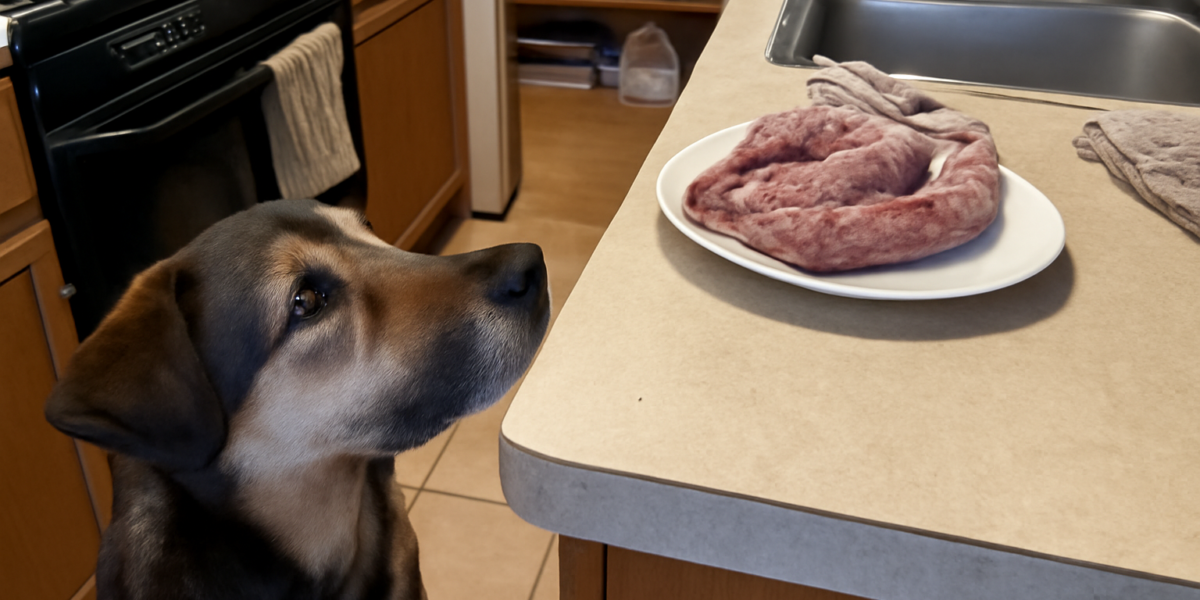
Dogs can eat raw turkey necks, and they are an excellent natural treat that supports dental health, provides joint-boosting nutrients, and satisfies your dog’s instinct to chew. However, cooked turkey necks should never be fed to dogs because the bones become brittle and can splinter into dangerous shards. The distinction between raw and cooked is critical — raw turkey necks are pliable and digestible, while cooked ones are a genuine safety hazard.
Turkey necks have become a staple in the raw feeding community for good reason. They are meaty, rich in cartilage and connective tissue, and provide a satisfying chewing experience that keeps dogs engaged. Whether you are a seasoned raw feeder or just looking for a healthy occasional treat, here is everything you need to know about feeding turkey necks to your dog.
Nutritional Benefits of Turkey Necks
Turkey necks are more than just a fun chew — they deliver a surprisingly well-rounded nutritional profile that supports several aspects of your dog’s health.
Joint and Connective Tissue Support
Turkey necks are loaded with glucosamine and chondroitin, naturally occurring compounds found in the cartilage and connective tissue that surrounds the vertebrae. These compounds support healthy joint function and may help reduce inflammation in dogs with arthritis or joint wear. For breeds prone to hip dysplasia or senior dogs showing signs of stiffness, turkey necks can be a tasty form of joint support.
Dental Health
The act of chewing through a turkey neck works like a natural toothbrush. The meat and cartilage scrape against the teeth, helping to remove plaque and tartar buildup. The vertebral bones provide resistance that massages the gums and reaches areas that kibble alone cannot clean. Many raw feeders report noticeably cleaner teeth and fresher breath in dogs that regularly chew raw meaty bones.
Protein and Minerals
Turkey neck meat is a lean, high-quality protein source. The bones provide calcium and phosphorus in a natural ratio that dogs absorb efficiently. This makes turkey necks a nutritionally complete “snack” that contributes meaningfully to your dog’s mineral intake.
Mental Stimulation
Chewing is a natural stress reliever for dogs. Working through a turkey neck can take anywhere from 10 minutes to an hour depending on the dog, providing sustained mental engagement that reduces boredom and anxiety. This makes turkey necks especially valuable for high-energy breeds that need additional outlets beyond their regular exercise.
Raw vs Cooked vs Dehydrated Turkey Necks
Understanding the safety profile of each preparation method is essential before offering turkey necks to your dog.
Raw turkey necks are the gold standard. The bones remain soft and pliable, crushing into small, digestible pieces rather than splintering. Raw turkey necks should be sourced from a reputable butcher or raw pet food supplier. Handle them with the same food safety practices you would use for raw poultry — wash your hands, clean surfaces, and do not leave raw meat at room temperature for extended periods.
Cooked turkey necks are dangerous and should never be fed to dogs. Any form of cooking — boiling, baking, roasting, smoking — changes the bone structure and makes it prone to splintering into sharp fragments. These splinters can cause choking, esophageal tears, stomach perforations, and intestinal blockages. Always discard turkey necks from cooked meals.
Dehydrated or freeze-dried turkey necks fall somewhere in between. High-quality dehydrated products processed at low temperatures are generally considered safe, though the bones are harder than raw. They are convenient for storage and travel but should be given with supervision, especially to aggressive chewers. Some dogs may struggle with the harder texture.
Portion Sizes by Dog Weight
Turkey necks are calorie-dense due to their meat, fat, and marrow content. A full turkey neck weighs roughly 8-12 ounces, which is a substantial amount of food for many dogs. Adjust portions based on your dog’s size and account for the calories in their daily total.
Small Dogs (Under 25 Pounds)
Small dogs should not be given whole turkey necks, as they may be too large to handle safely. Instead, offer a turkey neck that has been cut into two or three sections by your butcher. One section once or twice a week is appropriate. Always supervise closely since the vertebrae may still be large relative to a small dog’s throat.
Medium Dogs (25-55 Pounds)
Half a turkey neck once or twice a week works well for medium breeds. This provides a good chewing session and meaningful nutritional benefits without overloading calories. Remove the remaining portion and refrigerate for the next session.
Large Dogs (55-90 Pounds)
A whole turkey neck once or twice a week is appropriate for most large breeds. These dogs have the jaw strength and throat diameter to handle turkey necks comfortably. Monitor their chewing to make sure they are breaking the neck into pieces rather than trying to swallow large chunks.
Giant Dogs (Over 90 Pounds)
Giant breeds can enjoy a whole turkey neck per session, up to three times a week. Their powerful jaws make quick work of turkey necks, so consider offering them frozen to slow down consumption and extend the chewing session.
How to Feed Turkey Necks Safely
Following these guidelines will help you maximize the benefits while minimizing any risks associated with feeding turkey necks.
- Source quality necks. Buy from a trusted butcher, raw pet food supplier, or grocery store. Avoid necks that have been sitting out or have an off smell.
- Serve raw or frozen. Frozen turkey necks slow down fast eaters and provide a longer chewing experience. Thaw partially if your dog struggles to get started on a fully frozen neck.
- Supervise every session. Never leave your dog unattended with a turkey neck. Watch for signs of gulping large pieces.
- Match the size to your dog. For smaller dogs, have the butcher cut necks into portions. The pieces should be large enough that your dog cannot swallow them whole.
- Reduce their regular meal. A turkey neck contains significant calories and nutrients. Cut back on your dog’s regular food by about 10-20 percent on days they get a turkey neck to avoid overfeeding.
- Store properly. Keep raw turkey necks in the freezer and thaw in the refrigerator. Use within two to three days of thawing. Never refreeze thawed raw meat.
Signs of Trouble to Watch For
While raw turkey necks are generally safe for most dogs, problems can occasionally arise. Monitor your dog during and after feeding, and contact your veterinarian if you notice any of the following:
- Choking or gagging — If your dog tries to swallow a large piece whole, calmly try to retrieve it. If you cannot, seek emergency veterinary care immediately.
- Vomiting — May indicate the bones are not sitting well. Some dogs need time to adjust to raw meaty bones.
- Constipation or white stools — A sign of too much bone consumption. Reduce frequency and ensure your dog is eating enough moisture-rich food.
- Diarrhea — Common when dogs first start eating raw foods. Start with smaller portions and increase gradually.
- Tooth damage — While raw bones are softer than cooked, enthusiastic chewers can occasionally chip a tooth. Check your dog’s teeth regularly.
Dogs with a history of swallowing food without chewing (known as “gulpers”) may not be good candidates for turkey necks. These dogs are at higher risk of choking or causing an obstruction. For gulpers, consider alternatives like chicken feet, which are smaller and softer, or ground turkey neck mixed into their regular food. You might also explore sardines for omega-3 benefits as a safer protein-rich treat.
Frequently Asked Questions
Can puppies eat turkey necks?
Puppies over 12 weeks old can try turkey necks that have been cut into appropriately sized pieces. Their developing jaws and teeth can handle the softer cartilage and meat, but the larger vertebral bones may be too much. Start with small sections and supervise closely. For very young puppies, chicken necks are a better starting point due to their smaller size.
Are turkey necks a choking hazard?
Any food can be a choking hazard if a dog tries to swallow it whole. Turkey necks are relatively long and contain multiple vertebrae, which makes them harder to gulp down in one piece. However, fast eaters can still attempt it. Supervise all chewing sessions and choose appropriately sized pieces for your dog.
How do turkey necks compare to chicken necks?
Turkey necks are significantly larger and meatier than chicken necks. Chicken necks are better suited for small to medium dogs, while turkey necks work well for medium to giant breeds. Both offer similar nutritional benefits — glucosamine, chondroitin, protein, and dental cleaning — just at different scales. Visit our dog adoption hub for more feeding and care advice.
Can I give my dog a turkey neck from Thanksgiving dinner?
Absolutely not. A turkey neck from a cooked turkey is dangerous because the bones have become brittle and prone to splintering. Additionally, holiday turkeys are typically brined, seasoned, and cooked with ingredients like butter, onion, and garlic that are harmful to dogs. Only offer raw, unseasoned turkey necks.
Do turkey necks help with bad breath?
Yes, many owners notice improved breath in dogs that regularly chew raw meaty bones like turkey necks. The mechanical action of chewing removes the plaque and bacteria that cause bad breath. Turkey necks are not a substitute for professional dental cleanings, but they can help maintain oral health between vet visits. For more protein treat ideas, read about whether dogs can eat lamb bones.


