
Last updated: April 27, 2026
In this article
Can Dogs Eat Chicken Feet? A Joint-Healthy Treat
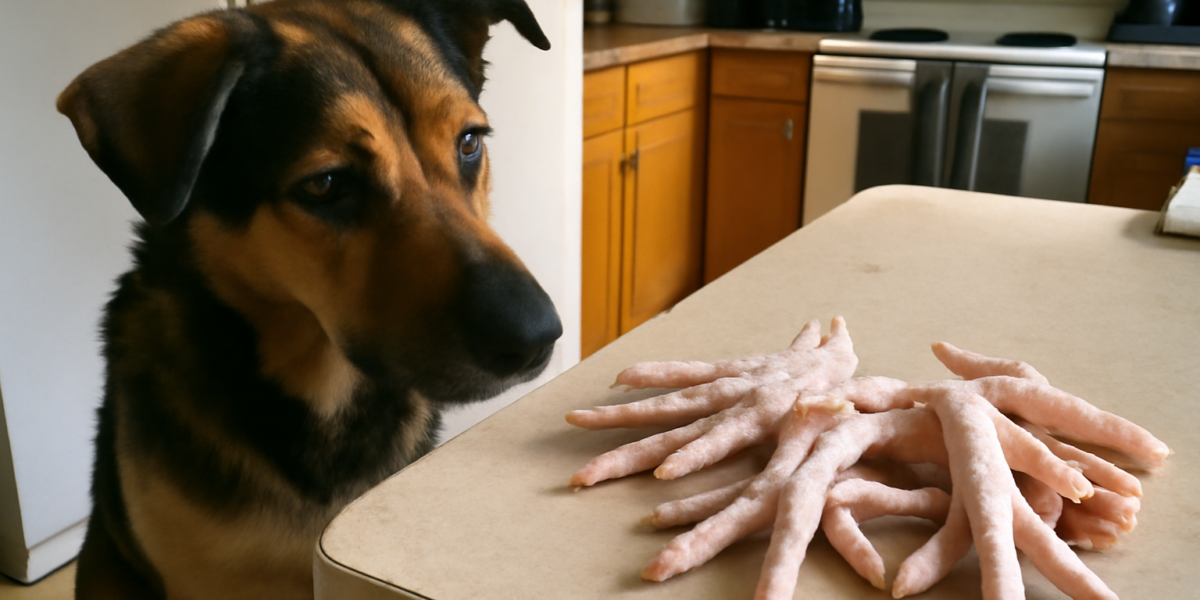
Yes, dogs can eat chicken feet, and they are actually one of the most beneficial natural treats you can offer. Chicken feet are packed with glucosamine and chondroitin — two compounds that support joint health and cartilage repair. They are safe when prepared correctly and fed in appropriate portions based on your dog’s size.
If the idea of handing your dog a chicken foot seems a little unusual, you are not alone. Many dog owners are surprised to learn that chicken feet are a popular treat in the raw feeding community and are increasingly available at pet supply stores. The key is knowing how to serve them safely and how many to offer.
Nutritional Benefits of Chicken Feet for Dogs
Chicken feet are far more than a quirky snack. They are a nutritional powerhouse when it comes to joint support and connective tissue health. A single chicken foot contains approximately 450 milligrams of glucosamine, which is comparable to many commercial joint supplement capsules.
Here’s what chicken feet bring to the table nutritionally:
- Glucosamine and chondroitin — Naturally occurring compounds that help maintain healthy cartilage, reduce joint inflammation, and may slow the progression of arthritis
- Collagen — Chicken feet are almost entirely made of skin, tendons, and cartilage, making them an excellent source of collagen that supports skin, coat, and gut health
- Protein — A good source of animal protein with relatively low calorie content
- Calcium and phosphorus — The small bones in chicken feet provide essential minerals for your dog’s skeletal system
For senior dogs or breeds prone to hip dysplasia and joint issues, chicken feet can serve as a natural supplement alongside their regular diet. Many owners report improved mobility in their older dogs after incorporating chicken feet as a regular treat. Of course, they should complement — not replace — any joint supplements or medications your veterinarian has prescribed.
Raw vs Dehydrated vs Cooked Chicken Feet
How you prepare chicken feet makes all the difference in safety. Each method has its pros and cons, and one method should be avoided entirely.
Raw Chicken Feet
Raw chicken feet are the preferred option in the raw feeding community. The bones in raw chicken feet are soft, pliable, and fully digestible. Dogs crunch through them easily, and the bones break into small, rounded pieces rather than dangerous splinters. If you choose raw, source them from a reputable butcher or pet food supplier to minimize bacterial contamination risk.
Dehydrated Chicken Feet
Dehydrated or air-dried chicken feet are the most convenient option. The low-temperature drying process removes moisture without making the bones brittle the way high-heat cooking does. They store easily, have a longer shelf life, and are widely available at pet stores. Most dogs love the crunchy texture.
Cooked Chicken Feet — Avoid These
Never give your dog chicken feet that have been boiled, fried, baked, or otherwise cooked at high temperatures. Cooking makes the small bones brittle and prone to splintering, which can cause mouth injuries, choking, or internal punctures. This rule applies to all poultry bones, not just chicken feet.
Portion Sizes: How Many Chicken Feet Can Dogs Eat?
Like any treat, chicken feet should make up no more than 10 percent of your dog’s daily calorie intake. Each chicken foot contains roughly 30-50 calories depending on size, so portions should be adjusted accordingly.
Small Dogs (Under 25 Pounds)
One chicken foot per day is plenty for small breeds. You can offer them two to three times per week as a treat. For very tiny dogs like Yorkies or Chihuahuas, consider cutting the chicken foot in half or choosing smaller feet.
Medium Dogs (25-55 Pounds)
Medium breeds can enjoy one to two chicken feet per day, offered a few times per week. This provides a meaningful dose of glucosamine without adding excessive calories to their diet.
Large Dogs (55-90 Pounds)
Large breeds can have two to three chicken feet per serving. For breeds prone to joint issues like Labrador Retrievers and German Shepherds, regular chicken feet can be a valuable addition to their joint care routine.
Giant Dogs (Over 90 Pounds)
Giant breeds can handle three to four chicken feet at a time. Given their higher risk of joint problems, the glucosamine and chondroitin content is especially beneficial. Just keep an eye on their overall calorie intake.
How to Prepare Chicken Feet for Your Dog
If you are working with raw chicken feet from a butcher, a little preparation goes a long way. Follow these steps to make sure they are safe and appealing for your dog.
- Trim the nails. Chicken toenails can be sharp and are not digestible. Clip them off with kitchen shears before serving.
- Rinse thoroughly. Give the feet a good wash under cold running water to remove any surface debris.
- Inspect for quality. Discard any feet that smell off, have an unusual color, or show signs of spoilage.
- Serve fresh or freeze. You can offer them immediately or freeze in portion-sized bags for later. Frozen chicken feet also make a soothing chew for teething puppies.
- Dehydrate at home (optional). Use a food dehydrator at 155-165 degrees Fahrenheit for 24-36 hours to make your own shelf-stable chicken feet treats.
Always practice good food safety hygiene when handling raw poultry. Wash your hands, clean surfaces, and store raw feet separately from human food.
Potential Risks and Signs of Trouble
While chicken feet are generally very safe, there are a few things to watch out for. The most common concern is choking, particularly in dogs that gulp their food without chewing. If your dog is an aggressive swallower, hold the chicken foot while they chew or offer frozen feet, which force slower consumption.
Watch for these warning signs after feeding chicken feet:
- Gagging or choking — Especially in small dogs or fast eaters
- Vomiting — Could indicate a piece did not go down well
- Diarrhea — Some dogs experience digestive upset when trying a new treat, particularly if they are not accustomed to raw food
- Constipation — White, chalky stools suggest too much bone consumption
If your dog shows any signs of distress, stop offering chicken feet and consult your veterinarian. Introduce them gradually — start with one foot and see how your dog handles it before making them a regular part of the treat rotation.
Dogs with poultry allergies should obviously avoid chicken feet entirely. If your dog has a known chicken sensitivity, consider alternative joint-supporting treats like sardines in oil for omega-3 benefits instead.
Frequently Asked Questions
Are chicken feet safe for puppies?
Yes, chicken feet can be safe for puppies over 12 weeks old, especially raw or frozen ones. The soft bones are easy for developing jaws to handle, and the glucosamine supports growing joints. Start with half a foot and supervise closely. Always consult your vet before introducing new foods to a puppy’s diet.
Can chicken feet replace joint supplements?
Chicken feet are a great natural source of glucosamine and chondroitin, but they may not provide therapeutic doses for dogs with significant joint disease. Think of them as a dietary complement rather than a replacement. If your dog is on prescribed joint supplements, keep using them and add chicken feet as a bonus. Talk to your vet about the right combination for your dog.
How should I store chicken feet?
Raw chicken feet should be refrigerated and used within two to three days, or frozen for up to six months. Dehydrated chicken feet can be stored in an airtight container at room temperature for several weeks. Always check for signs of spoilage before feeding.
Do chicken feet clean dogs’ teeth?
Yes, the crunching action helps scrape plaque off teeth, similar to a natural dental chew. The cartilage and connective tissue act like floss between teeth. While they are not a substitute for regular dental care, they are a tasty way to support oral hygiene between cleanings. For more tips on keeping your dog healthy, visit our guide to lamb bones for dogs.
Where can I buy chicken feet for dogs?
You can find raw chicken feet at Asian grocery stores, local butcher shops, or online raw pet food suppliers. Dehydrated chicken feet are available at most pet stores and online retailers. Look for products sourced from free-range or antibiotic-free chickens when possible. Check out our dog adoption hub for more resources on caring for your pup.


