
Last updated: March 31, 2026
In this article
Can Dogs Eat Bell Peppers?
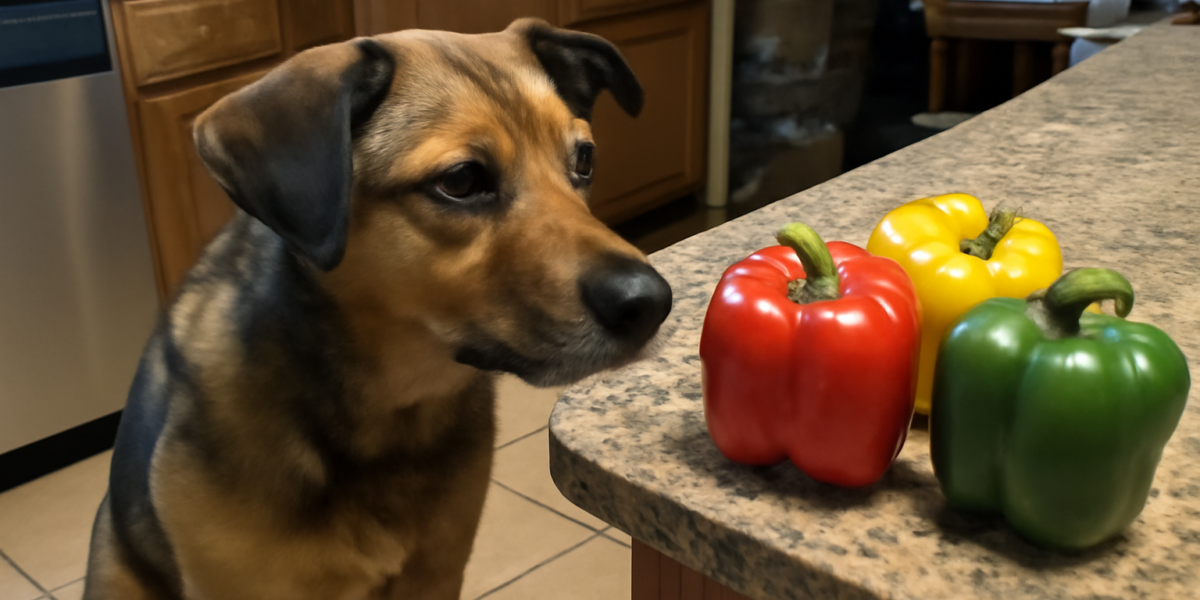
All four colors are dog-friendly in moderation. Bell peppers are low in calories, free of harmful compounds, and packed with vitamins that support your dog’s immune system and coat health. Serve them raw or cooked, without seeds or stems, and keep portions small.
Yellow — Safe
Orange — Safe
Green — Safe
Are Bell Peppers Safe for Dogs?
Can dogs eat bell peppers without any safety concerns? The short answer is yes. Bell peppers belong to the Capsicum annuum species and contain no compounds that are toxic to dogs. Unlike onions, garlic, or grapes, bell peppers pose no risk of systemic toxicity. They are not on the ASPCA list of plants harmful to dogs, and veterinarians widely consider them an acceptable treat.
The key distinction to keep in mind is that bell peppers and hot peppers are very different foods. Bell peppers contain zero capsaicin — the compound responsible for heat — which is what makes them gentle on a dog’s digestive system. As long as you remove the seeds and stem and keep serving sizes reasonable, bell peppers are a safe, wholesome addition to your dog’s treat rotation.
Nutritional Benefits of Bell Peppers for Dogs
Bell peppers are more than just a crunchy snack — they deliver a meaningful nutritional punch for the calories involved. Here are the standout nutrients your dog gains when you offer this vegetable:
- Vitamin C: Red bell peppers contain nearly three times the vitamin C of an orange by weight. While dogs synthesize their own vitamin C, additional dietary sources can support immune function, especially in older or stressed dogs.
- Beta-carotene: This antioxidant converts to vitamin A in the body, supporting healthy vision, skin, and coat condition. Red and orange peppers are the richest sources.
- Vitamin E: An important fat-soluble antioxidant that protects cell membranes and promotes skin health.
- Vitamin B6: Supports brain health, hormone regulation, and red blood cell production.
- Dietary fiber: Aids digestion and can help dogs feel satisfied between meals.
Red bell peppers offer the highest antioxidant concentration because they are the most mature. Green peppers are the least ripe and mildest in flavor, making them a good starting point for picky dogs.
Risks and Side Effects
While bell peppers are safe, there are a few practical considerations every dog owner should know before serving them.
Tough skin: The outer skin of a bell pepper can be difficult for some dogs to chew and digest, particularly for small breeds or dogs with sensitive stomachs. Lightly steaming or roasting the pepper softens the skin and makes it far easier to process. Always chop or slice peppers into bite-sized pieces rather than offering a whole pepper, which could pose a choking hazard.
Seeds and stems: The seeds and white inner membrane are not toxic, but they can be mildly irritating to the gut. Remove them before serving to minimize any digestive upset.
Digestive sensitivity: Introducing any new food too quickly can cause loose stools or gas. Start with a small amount and observe your dog over 24 hours before making bell peppers a regular treat.
Never serve hot peppers: Hot peppers — jalapenos, serranos, habaneros, or any spicy variety — are not the same as bell peppers and should never be given to dogs. See the dedicated section below for details.
Seasonings: Avoid feeding bell peppers that have been cooked with garlic, onion, salt, or oil, as these additives are harmful to dogs.
How Much Bell Pepper Can a Dog Eat?
Treats of any kind — including healthy vegetables — should make up no more than 10 percent of your dog’s daily caloric intake. For bell peppers specifically, a practical guideline is:
- Small dogs (under 20 lbs): 1 to 2 small strips or pieces per day.
- Medium dogs (20 to 50 lbs): 2 to 3 medium slices per day.
- Large dogs (50 lbs+): Up to half a bell pepper per day, cut into pieces.
When you first introduce bell peppers, start with a single small piece regardless of your dog’s size. If no digestive upset occurs over the next day, you can gradually increase to the amounts above.
How to Prepare Bell Peppers for Dogs
Preparation matters when it comes to getting the most out of this vegetable while keeping your dog safe. Follow these simple steps:
- Wash thoroughly: Rinse the pepper under cold running water to remove any pesticide residue or surface bacteria.
- Remove the stem and seeds: Cut off the top, slice the pepper in half lengthwise, and use a spoon or knife to scrape out the seeds and white membrane.
- Choose your serving style: Raw bell pepper is perfectly safe and retains the most nutrients. For dogs with sensitive digestion or small breeds, lightly steaming the pepper for two to three minutes softens the skin without destroying the vitamins. Never fry or saute in oil.
- Cut into appropriate pieces: Slice into strips or small chunks sized for your dog. Avoid large chunks that could cause choking.
- Serve plain: No salt, garlic, onion, or any other seasoning. Dogs do not need added flavor, and many common seasonings are toxic to them.
Bell pepper pieces can also be mixed into your dog’s regular food as a topper, frozen in a Kong toy for enrichment, or used as a low-calorie training reward.
Can Dogs Eat Hot Peppers?
No. Dogs should never eat hot peppers. While bell peppers and hot peppers share the same genus, hot varieties — including jalapenos, serranos, cayenne, and habaneros — contain capsaicin, the compound responsible for their heat. Dogs have capsaicin receptors just as humans do, and capsaicin causes significant irritation to a dog’s mouth, throat, stomach, and intestinal lining.
A dog that eats a hot pepper will likely experience immediate discomfort: pawing at the mouth, drooling, vomiting, diarrhea, and general distress. In larger quantities, the gastrointestinal irritation can be severe enough to require veterinary attention. If your dog accidentally eats a hot pepper, offer fresh water and monitor closely. Contact your vet if symptoms are severe or prolonged. The only pepper that is safe for dogs is the sweet, capsaicin-free bell pepper.
Frequently Asked Questions
Can dogs eat bell peppers raw?
Yes, raw bell peppers are safe for dogs. They retain more vitamins in raw form than when cooked. The main consideration is the tough skin, which can be harder to digest. Cutting the pepper into small pieces and removing seeds helps make raw bell pepper easy and safe to eat for most dogs.
Which color bell pepper is best for dogs?
Red bell peppers are generally considered the most nutritious option because they are the ripest and contain the highest levels of vitamin C and beta-carotene. However, all colors — red, yellow, orange, and green — are safe. Green peppers have a slightly more bitter taste that some dogs may not prefer, but they are equally harmless.
Can puppies eat bell peppers?
Puppies can eat bell peppers in very small quantities, but their digestive systems are more sensitive than adult dogs. Introduce only a tiny piece at a time and watch for any signs of stomach upset. Because puppies have specific nutritional needs during development, the bulk of their diet should come from a high-quality puppy formula rather than treats or vegetables.
Can dogs eat bell peppers if they have a sensitive stomach?
Dogs with sensitive stomachs can generally tolerate small amounts of bell pepper, especially if it is lightly steamed rather than raw. The softened skin is easier to digest. Start with a very small portion — just one small strip — and wait 24 hours before offering more. If your dog has a diagnosed gastrointestinal condition, check with your veterinarian before introducing any new food.
Interested in more dog care tips and nutrition guides? Visit our Dog Care blog for expert advice on keeping your dog healthy, happy, and well-fed.
This article is for informational purposes only and does not substitute for professional veterinary advice. Always consult your veterinarian before making significant changes to your dog’s diet.


