
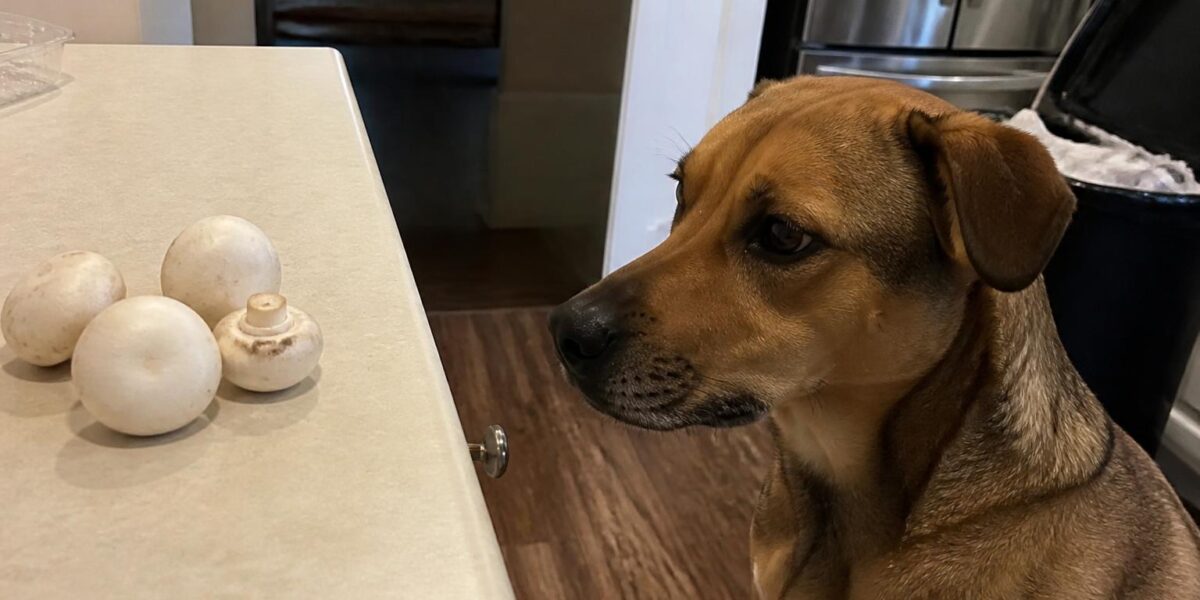
Can Dogs Eat Button Mushrooms? The Short Answer
Can dogs eat button mushrooms? Yes, in moderation. Plain, cooked, store-bought button mushrooms are generally safe for dogs and can be an occasional low-calorie treat. The crucial rule is that this applies only to edible, store-bought mushrooms, never wild ones, which can be deadly.
In this article
Button mushrooms, the common white mushrooms you find at any grocery store, are non-toxic to dogs when served plain and cooked. They are not a necessary food, but they are a harmless addition when prepared simply and given in small amounts.
Mushrooms can feel like a confusing food because the same word covers both safe grocery-store varieties and potentially lethal wild ones. Keeping that distinction crystal clear is the single most important thing to take away, and the rest is just sensible preparation.
The Golden Rule: Never Wild Mushrooms
This is the single most important thing to understand. While store-bought button mushrooms are safe, many wild mushrooms are highly toxic to dogs and can cause organ failure, seizures, and death. Dogs cannot tell the difference, and neither can most people.
If your dog has a habit of grazing in the yard or on walks, treat any wild mushroom as potentially deadly. Remove mushrooms from your yard and steer your dog away from them on walks. If you ever see your dog eat a wild mushroom, treat it as an emergency and call your veterinarian or an animal poison helpline immediately, even if your dog seems fine.
Some of the most dangerous wild mushrooms look surprisingly plain and even resemble edible types, which is exactly why foraging is risky. Even experienced mushroom hunters use great care, and there is no safe way for a dog owner to judge a wild mushroom in the yard. The only reliable rule is to keep your dog away from all of them.
Do Button Mushrooms Offer Benefits?
Button mushrooms are low in calories and contain small amounts of B vitamins, potassium, and antioxidants. In the modest portions a dog should eat, the nutritional benefits are minor, but they are a guilt-free, low-calorie snack.
Some dogs simply enjoy the texture and savory flavor. There is no need to add mushrooms to your dog’s diet, but a few plain cooked pieces are a fine occasional treat if your dog likes them.
Because they are so low in calories, button mushrooms can be a handy treat for a dog watching its weight, offering a little variety without adding much to the daily total. Just remember that the benefits are modest, so there is no reason to feed them in large amounts or to worry if your dog has no interest in them.
How to Prepare and Serve Them Safely
Raw mushrooms are tough and harder to digest, so cooking them plain is best. The way you cook them matters just as much as the mushroom itself.
To serve button mushrooms safely:
- Wash store-bought button mushrooms well.
- Cook them plain, with no oil, butter, salt, garlic, or onion.
- Let them cool, then chop into small, bite-sized pieces.
- Offer just a small amount as a treat or food topper.
Never feed mushrooms sautéed in the seasonings we use for ourselves. Garlic and onion are toxic to dogs, and butter and salt add unhealthy fat and sodium. Keep treats within the 10 percent of daily calories rule.
Steaming or boiling the mushrooms plain is the gentlest approach. Once they are soft and cooled, chopping them small helps your dog digest them and reduces any choking risk, especially for smaller dogs that tend to gulp their food.
Symptoms of Trouble to Watch For
With plain store-bought mushrooms, the worst you are likely to see is mild digestive upset such as gas, vomiting, or loose stools if your dog eats too many. This usually resolves once you cut back and offer fresh water.
Wild mushroom poisoning is an entirely different and far more serious matter. Symptoms can include vomiting, diarrhea, drooling, weakness, stumbling, yellowing of the eyes or gums, seizures, and collapse, and they can be delayed by hours. If you suspect your dog ate a wild mushroom, do not wait, contact your veterinarian or emergency clinic right away and bring a sample of the mushroom if you can.
The delayed nature of some wild mushroom toxins is precisely what makes them so dangerous. A dog may seem fine for several hours before becoming gravely ill, so never take a “wait and see” approach with a suspected wild mushroom. Early treatment offers the best chance of recovery.
If you can safely collect a piece of the mushroom your dog ate, or even take a clear photo, that can help your veterinarian or a poison expert identify it and guide treatment. Place any sample in a paper bag rather than plastic, which helps preserve it. Acting calmly and quickly with this information gives your dog the best possible outcome.
Keeping Your Yard and Walks Mushroom-Safe
Because wild mushrooms are the real danger, a little routine prevention around your home and on walks goes a long way. Damp weather encourages mushrooms to pop up quickly, so it is worth building a few simple habits into your day.
Here are some practical steps to reduce the risk:
- Scan your yard regularly, especially after rain, and remove any mushrooms you find.
- Keep your dog leashed in areas where wild mushrooms are common, like wooded trails and damp parks.
- Teach a reliable “leave it” cue so you can interrupt your dog before they snatch something off the ground.
- Be extra watchful with puppies and dogs who tend to eat anything they find.
If you do clear mushrooms from your yard, dispose of them where your dog cannot dig them back up, and wash your hands afterward. These small precautions are far easier than dealing with a poisoning emergency, and they let you enjoy the outdoors with your dog knowing you have reduced one of the more hidden risks they face.
Other Veggie Treats for Dogs
If your dog enjoys mushrooms, you can also rotate in other safe vegetables. Our general guide to mushrooms for dogs and the related shiitake mushrooms article cover more on the topic. For crunchy, low-calorie favorites, see carrots and broccoli.
As with any new food, introduce mushrooms slowly and plainly, and check with your veterinarian if your dog has a sensitive stomach. Most importantly, never let curiosity about edible mushrooms blur the firm rule against wild ones. Keeping your dog away from foraged fungi is one of the simplest safety habits you can build.
To sum it up, button mushrooms are a genuine case of “yes, but” rather than a simple yes or no. The grocery-store white mushroom, cooked plain and served in a small amount, is a harmless and low-calorie treat that some dogs really enjoy. The very same word, applied to a mushroom in your yard, points to something that could be deadly.
Holding both of those truths at once is what makes you a confident, careful dog owner. You can share a few plain cooked button mushrooms at the kitchen table without a second thought, while still treating every wild mushroom as off-limits. That clear line keeps treat time relaxed and your dog safely out of harm’s way.
Frequently Asked Questions
Are button mushrooms safe for dogs?
Yes, plain cooked store-bought button mushrooms are safe in moderation. Wild mushrooms, however, can be deadly and must always be avoided.
Can dogs eat raw button mushrooms?
It is better to cook them plain. Raw mushrooms are tough and harder to digest, so cooking makes them gentler on your dog’s stomach.
What should I do if my dog ate a wild mushroom?
Treat it as an emergency. Contact your veterinarian or an animal poison helpline immediately, even if your dog seems fine, and bring a sample of the mushroom if possible.
How many button mushrooms can a dog eat?
Just a small amount as an occasional treat, kept within the 10 percent treat allowance. Too many can cause gas or digestive upset.
Can button mushrooms help a dog lose weight?
They are very low in calories, so a few plain cooked pieces can add variety to a weight-management plan, but they are an extra rather than a substitute for a proper diet. Plain canned or dried button mushrooms can also be fine, though you should check for added salt and seasonings, and fresh cooked plain remains the simplest choice.


