
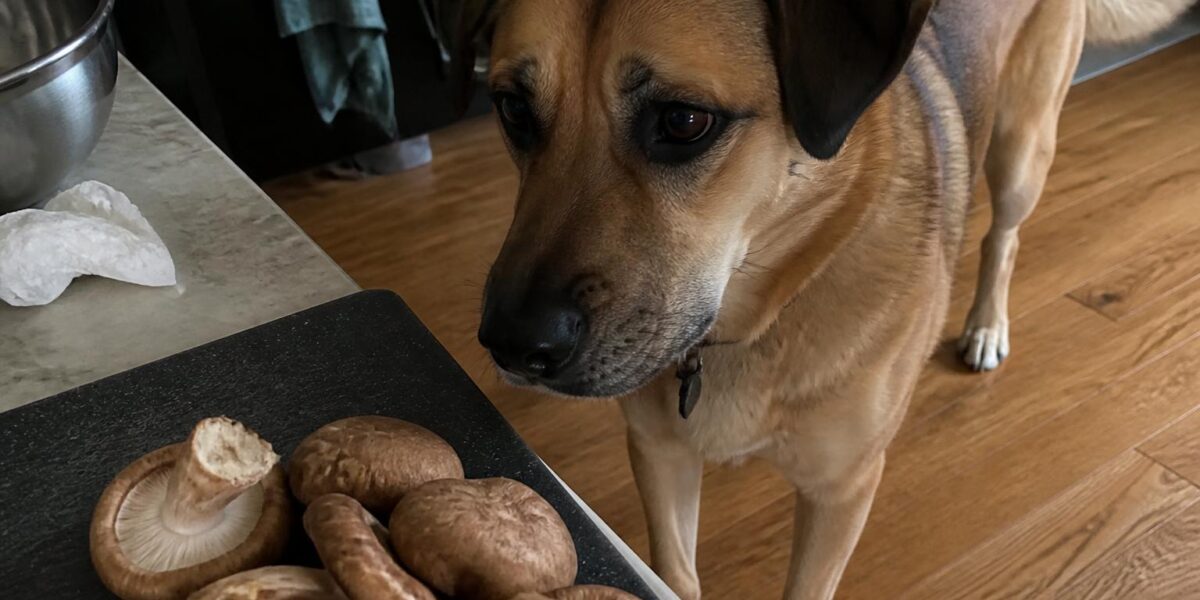
Can Dogs Eat Shiitake Mushrooms? The Short Answer
Can dogs eat shiitake mushrooms? Yes, in moderation. Plain, cooked, store-bought shiitake mushrooms are generally safe for dogs and even carry some nutritional perks. As with all mushrooms, the firm rule is that only edible, store-bought varieties are safe, never wild mushrooms, which can be fatal.
In this article
Shiitake mushrooms are non-toxic to dogs when cooked plain and served in small amounts. They are not a dietary necessity, but they make a fine occasional treat and are valued for their savory flavor and gentle health benefits.
Shiitakes are a little firmer and more flavorful than common white mushrooms, but the same core safety principles apply: store-bought only, cooked plain, and offered in small amounts. With those rules in mind, they are an easy and wholesome food to share occasionally.
The Golden Rule: Never Wild Mushrooms
Before anything else, remember this: while store-bought shiitake mushrooms are safe, many wild mushrooms are highly toxic to dogs and can cause organ failure, seizures, and death. Dogs cannot distinguish safe fungi from deadly ones, and identifying wild mushrooms is risky even for experts.
If your dog forages in the yard or on walks, treat every wild mushroom as a potential poison. Clear mushrooms from your yard and keep your dog away from them outdoors. If your dog ever eats a wild mushroom, contact your veterinarian or an animal poison helpline immediately, even if there are no symptoms yet.
Wild mushrooms can spring up overnight after rain, so a yard that looked clear yesterday may have new growth today. Make a quick scan part of your routine before letting your dog out unsupervised, especially in damp seasons. This small habit can prevent a frightening emergency.
The Benefits of Shiitake Mushrooms
Shiitake mushrooms are well regarded for their nutrient content. In modest amounts, they can offer dogs some real, if minor, benefits.
- B vitamins to support energy and metabolism.
- Fiber for healthy digestion.
- Antioxidants and beta-glucans, plant compounds linked to immune support.
- Minerals like copper and selenium.
That said, your dog gets complete nutrition from quality dog food, so think of shiitakes as a wholesome bonus rather than a supplement. A few plain cooked pieces now and then are plenty.
The beta-glucans in shiitakes have attracted interest for their possible immune-supporting properties, but you should not rely on mushrooms as a medical treatment for your dog. If your dog has a health condition you hope to support through diet, your veterinarian is the right person to guide you toward proven options.
How to Prepare and Serve Them Safely
Raw shiitake mushrooms are tough and hard to digest, and their texture can be a choking risk, so always cook them. Plain preparation is essential.
To serve shiitake mushrooms safely:
- Wash store-bought shiitakes and remove the tough stems.
- Cook them plain, with no oil, butter, salt, garlic, onion, or soy sauce.
- Let them cool, then chop into small, bite-sized pieces.
- Offer just a small amount as a treat or food topper.
Never share shiitakes cooked in the seasonings we use, since garlic, onion, and soy sauce are all harmful to dogs. Keep treats within the 10 percent of daily calories rule.
The stems of shiitake mushrooms are especially woody and tough, so trimming them off before cooking makes the mushroom easier and safer for your dog to eat. Steaming or boiling the caps until soft, then chopping them small, gives the gentlest result for digestion.
Symptoms of Trouble to Watch For
With plain store-bought shiitakes, the most you are likely to see is mild digestive upset such as gas, vomiting, or loose stools if your dog eats too many. Cutting back usually resolves it. Introduce them slowly, since the fiber can be a lot for a sensitive stomach at first.
Wild mushroom poisoning is a different, far graver situation. Watch for vomiting, diarrhea, drooling, weakness, stumbling, yellowing of the eyes or gums, seizures, and collapse, which may be delayed by hours. If you suspect wild mushroom ingestion, seek emergency veterinary care immediately and bring a sample of the mushroom if you can.
Because some wild mushroom toxins act on the liver or kidneys and show their worst effects only after a delay, never assume your dog is in the clear just because they seem normal at first. Prompt veterinary care offers the best chance of a good outcome, so act quickly on any suspicion.
If you can do so safely, collect a piece of the mushroom your dog ate or snap a clear photo to help with identification. Storing a sample in a paper bag rather than plastic helps keep it intact for your vet or a poison expert to examine. Staying calm and gathering this information lets the professionals act fast on your dog’s behalf.
Keeping Your Dog Away From Wild Mushrooms
Since wild mushrooms are the real hazard, a little routine prevention around your home and on walks pays off. Mushrooms can appear almost overnight in damp weather, so building a few simple habits into your day helps keep your dog safe.
Here are some practical steps to reduce the risk:
- Scan your yard regularly, especially after rain, and remove any mushrooms you find.
- Keep your dog leashed in wooded areas and damp parks where wild mushrooms are common.
- Teach a reliable “leave it” cue so you can stop your dog before they grab something off the ground.
- Watch puppies and indiscriminate eaters especially closely.
When you clear mushrooms from your yard, dispose of them somewhere your dog cannot dig them back up, and wash your hands afterward. These precautions are far simpler than handling a poisoning emergency, and they let you offer your dog safe store-bought shiitakes with confidence while keeping the dangerous wild varieties out of the picture entirely.
Other Mushroom and Veggie Treats for Dogs
If your dog enjoys mushrooms, you can read our broader guide to mushrooms for dogs and the companion piece on button mushrooms. For other healthy, low-calorie produce, see our guides to broccoli and spinach.
As always, introduce any new food slowly and plainly, and check with your veterinarian if your dog has a sensitive stomach or a health condition. Above all, keep the rule against wild mushrooms ironclad. A little vigilance outdoors goes a long way toward keeping your rescue dog safe.
To pull it all together, shiitake mushrooms are a “yes, but” food rather than a flat yes or no. The store-bought shiitake, cooked plain with the tough stem removed and offered in a small amount, is a savory, nutrient-rich treat that many dogs enjoy. The danger lies entirely with wild mushrooms, which look deceptively ordinary and can be lethal.
Keeping those two ideas separate is the heart of feeding mushrooms safely. You can share a few plain cooked shiitakes with confidence while treating every mushroom in the yard or on the trail as something to avoid. That firm boundary lets you enjoy the upside without ever flirting with the risk.
If you would rather skip mushrooms altogether, your dog loses nothing nutritionally, since a complete diet already covers their needs. Mushrooms are simply one of many optional extras you can rotate through. Whether you offer them or not, the most important takeaway is the same: store-bought and cooked is fine, and wild is always off-limits.
Frequently Asked Questions
Are shiitake mushrooms safe for dogs?
Yes, plain cooked store-bought shiitake mushrooms are safe in moderation. Wild mushrooms, by contrast, can be deadly and must always be avoided.
Can dogs eat raw shiitake mushrooms?
No, cook them first. Raw shiitakes are tough, hard to digest, and a choking risk, so plain cooked pieces are much safer.
What should I do if my dog ate a wild mushroom?
Treat it as an emergency. Contact your veterinarian or an animal poison helpline right away, even if your dog seems fine, and bring a sample if you can.
How often can dogs eat shiitake mushrooms?
Occasionally, in small amounts, as a treat rather than a regular food. Introduce them slowly to avoid gas and keep them within the 10 percent treat allowance.
Do shiitake mushrooms boost a dog’s immune system?
They contain beta-glucans studied for immune support, but you should not rely on them as a treatment. Talk to your veterinarian about proven ways to support your dog’s health. Plain dried shiitakes can be fine once rehydrated and cooked, but fresh shiitakes cooked plain, with the tough stems removed, remain the simplest and safest option.


