
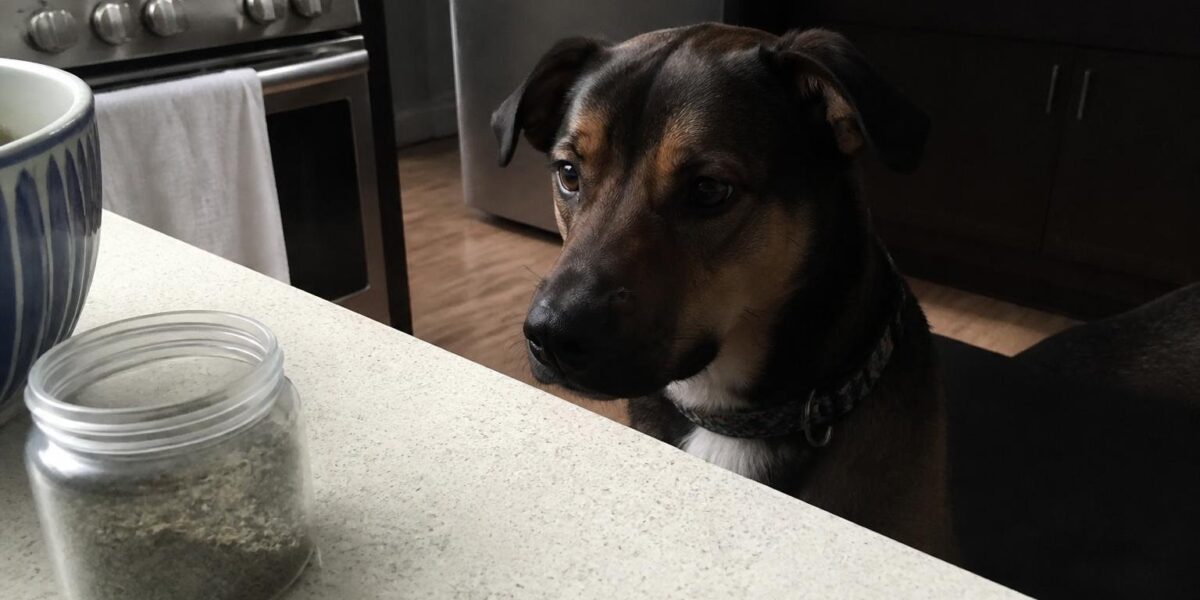
Can Dogs Eat Catnip? The Short Answer
Yes, dogs can eat catnip, and it is safe in small amounts. Catnip is non-toxic to dogs, and while it does not cause the wild, euphoric reaction many cats have, it can actually have a mild, gentle calming effect on some dogs. So if your dog nibbles a catnip toy or a leaf from the garden, there is no need to panic.
In this article
- Can Dogs Eat Catnip? The Short Answer
- Catnip Affects Dogs Differently Than Cats
- Possible Benefits of Catnip for Dogs
- How to Safely Offer Catnip to Your Dog
- Catnip vs. Other Calming Herbs
- Using Catnip Toys Safely
- When to Be Cautious
- Growing Catnip at Home Around Dogs
- Signs Your Dog Enjoys Catnip
- Frequently Asked Questions
Catnip is a member of the mint family, and the herb itself is harmless to dogs. As with any new food or herb, moderation is the rule. A little catnip is fine; a large amount may upset your dog’s stomach.
If your dog has a sensitive stomach or you are considering using catnip for its calming properties, it is worth a quick conversation with your veterinarian first.
Catnip Affects Dogs Differently Than Cats
The famous catnip “high” comes from a compound called nepetalactone, which binds to receptors in a cat’s nose and triggers that bouncing, rolling euphoria. Dogs simply do not respond the same way. Their bodies process the compound differently.
In dogs, catnip tends to have the opposite effect. Rather than stimulating, it may act as a mild relaxant or sedative. Some owners and trainers use a tiny amount of catnip to help calm an anxious dog before a stressful event, such as a vet visit, a thunderstorm, or a car ride.
That said, the effect is subtle and varies from dog to dog. Many dogs show no noticeable reaction at all, which is perfectly normal.
Possible Benefits of Catnip for Dogs
Catnip is more of a gentle wellness herb than a superfood, but it does offer a few potential perks:
- Mild calming effect — may help ease nervousness in some dogs.
- Digestive support — like other mint-family herbs, catnip has traditionally been used to soothe upset stomachs.
- Vitamins and minerals — catnip contains small amounts of vitamins C and E, magnesium, and flavonoids.
If you enjoy offering your dog herbs, catnip joins the ranks of dog-safe options like basil, mint, and parsley. All can be sprinkled in tiny amounts as an occasional treat.
How to Safely Offer Catnip to Your Dog
If you want to give catnip a try, keep it simple and small:
- Use dried or fresh catnip in tiny pinches — a small sprinkle over food is plenty.
- Try it in toys — many dogs enjoy chewing a catnip-stuffed toy, and ingesting a little is harmless.
- Brew a weak tea — some owners add a spoonful of cooled, very weak catnip tea to the water bowl, but ask your vet first.
- Start small and watch your dog’s response before offering more.
Avoid concentrated catnip oils or supplements unless your veterinarian recommends and doses them.
Catnip vs. Other Calming Herbs
Catnip is not the only herb owners reach for when they want to help a nervous dog relax. It helps to know how it compares and where it fits.
- Catnip — mild, gentle, and food-safe in small amounts. Effects are subtle and not guaranteed.
- Chamomile — another commonly used calming herb, but always check dosing with your vet.
- Valerian — stronger and more sedating; should only be used under veterinary guidance.
What sets catnip apart is how forgiving it is. Because it is non-toxic and mild, an accidental nibble from a catnip toy is nothing to worry about. The same cannot be said for stronger herbal supplements, which can interact with medications or cause oversedation.
What matters most is that catnip is gentle enough that it does not carry the same dosing concerns these stronger options do.
Using Catnip Toys Safely
Many catnip toys are designed with cats in mind, but dogs often enjoy them too. If your dog likes a catnip-stuffed toy, a few simple precautions keep playtime safe.
First, choose a toy sized for your dog. A small cat toy can become a choking hazard for a large dog who tries to swallow it whole. Look for sturdy, dog-appropriate toys that can stand up to determined chewing.
Second, supervise play and replace any toy that starts to tear open. While ingesting a little loose catnip is harmless, swallowing chunks of fabric or stuffing is not. And as always, the catnip itself should be a small accent — the fun is mostly in the play, not in eating the herb.
When to Be Cautious
While catnip is safe, too much of any herb can cause digestive upset. Overdoing it may lead to:
- Vomiting
- Diarrhea
- Mild stomach discomfort
These effects are usually mild and pass on their own. Pregnant dogs should not be given catnip, as some herbs in the mint family can affect uterine muscles. When in doubt, skip it and check with your vet.
Catnip should never replace proper veterinary care for anxiety. If your dog struggles with serious fear or stress, your vet can recommend safe, effective options tailored to your dog.
The bottom line is that catnip is a harmless, low-stakes herb for dogs. It will not cause the dramatic reaction you see in cats, and it will not solve serious behavioral problems, but a small amount is perfectly safe and may take the edge off mild nervousness in some dogs. If you already have catnip in the house for a cat, there is no need to keep it locked away from your dog, and an occasional nibble or a shared catnip toy is nothing to worry about. As with any herb, simply keep amounts small, watch how your individual dog responds, and lean on your veterinarian for anything beyond the mildest jitters.
Growing Catnip at Home Around Dogs
Many people grow catnip in the garden or on a windowsill, often for a resident cat. The good news is that a catnip plant poses no real danger to dogs, so you do not need to fence it off the way you would a toxic plant.
If your dog likes to graze on the plant, a few nibbles are harmless. The main thing to watch is quantity, since a dog who eats a large pile of fresh leaves may get a temporarily upset stomach. Keep an eye on enthusiastic grazers and harvest the plant regularly so there is less to munch.
It is also worth making sure your catnip is grown without pesticides or chemical fertilizers if your dog has access to it. Rinse any leaves you plan to offer, just as you would with other fresh herbs. Beyond that, a home catnip plant is a low-stress addition to a dog-friendly household.
Signs Your Dog Enjoys Catnip
Because dogs react so much more subtly than cats, it can be hard to tell whether catnip is doing anything at all. Rather than the rolling, hyperactive display cats put on, dogs that respond tend to show quiet, mellow signs.
You might notice your dog becoming a little calmer, settling down more easily, or simply seeming relaxed after a small amount. Some dogs show no visible change whatsoever, and that is completely normal. Catnip is not a guaranteed sedative, and individual responses vary widely.
If you are experimenting with catnip to ease mild nervousness, give it well before a stressful event rather than during the chaos, and keep expectations modest. For genuine, persistent anxiety, catnip is no substitute for a proper plan from your veterinarian, who can recommend training, supplements, or medication suited to your dog.
Frequently Asked Questions
Does catnip get dogs high?
No. Dogs do not respond to catnip the way cats do. If anything, catnip may have a mild calming effect on dogs rather than a stimulating one.
Is catnip toxic to dogs?
No, catnip is non-toxic to dogs. It is safe in small amounts, though large quantities can cause temporary digestive upset.
Can catnip calm an anxious dog?
Some dogs do seem to relax after a small amount of catnip, but the effect is subtle and not guaranteed. Ask your vet before using it for anxiety.
Can puppies have catnip?
It is best to avoid herbs like catnip in very young puppies, whose digestive systems are still developing. There is little reason to offer it at this stage, and a complete puppy food provides everything they need. Check with your veterinarian before introducing any herb to a young puppy.
How much catnip can a dog have?
A small pinch of dried or fresh catnip sprinkled over food, or a little play with a catnip toy, is plenty. There is no need to give larger amounts, since too much of any herb can cause mild stomach upset. Start small and see how your dog responds before offering more.
Will catnip help my dog sleep?
Some dogs do seem a little calmer or more relaxed after a small amount of catnip, but the effect is subtle and not guaranteed. It is not a sleep aid or a substitute for addressing the cause of restlessness. For genuine sleep or anxiety problems, your veterinarian can recommend a safer, more reliable plan.


