
Is Coconut Flour Safe for Dogs?
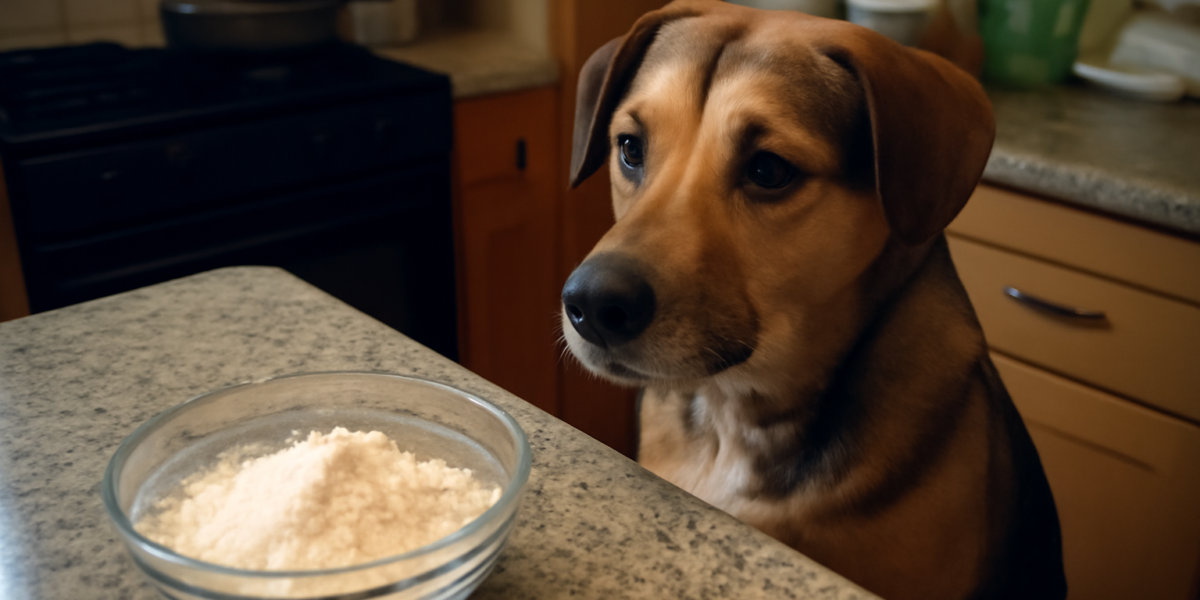
Yes, dogs can eat coconut flour, and it is one of the safest and most popular flour alternatives for homemade dog treats. Coconut flour is naturally grain-free, gluten-free, and low in sugar, making it a solid choice for dogs with grain sensitivities or those on restricted diets. It also has a mild, slightly sweet flavor that most dogs enjoy.
In this article
Coconut flour is made from dried, defatted coconut meat that has been ground into a fine powder. Unlike wheat flour, it does not contain gluten, which means it will not trigger reactions in dogs with gluten intolerance. It is also lower on the glycemic index than most grain-based flours, so it will not cause rapid blood sugar spikes.
Nutritional Benefits of Coconut Flour
Coconut flour offers a few nutritional advantages over traditional wheat or all-purpose flour when it comes to baking for your dog. Its most notable feature is a high fiber content. A quarter cup of coconut flour contains roughly 10 grams of fiber, which is significantly more than the same amount of wheat flour.
This fiber content supports digestive regularity and can help dogs feel fuller after eating treats, which is beneficial for weight management. The fiber is primarily insoluble, which means it adds bulk to stool and promotes healthy bowel movements.
Coconut flour also provides a modest amount of plant-based protein, about four grams per quarter cup, along with medium-chain triglycerides (MCTs) left over from the coconut oil extraction process. MCTs are easily digestible fats that provide quick energy and may support cognitive function in older dogs.
Iron, manganese, and potassium are present in small amounts. While these nutrients are better obtained from animal-based foods in a dog’s diet, the trace amounts in coconut flour contribute to the overall nutritional quality of homemade treats.
Verdict: Safe and Great for Homemade Treats
Coconut flour gets a clear yes for dogs. It is non-toxic, nutritious, and functional as a baking ingredient. The main thing to understand is that coconut flour behaves very differently from wheat flour in recipes, so you will need to adjust your approach when baking. It is extremely absorbent and requires significantly more liquid than grain-based flours.
Dogs should not eat coconut flour by the spoonful straight from the bag, of course. Its extraordinary absorbency could cause digestive discomfort if consumed dry in large amounts. But when used as an ingredient in properly baked treats, it is perfectly safe and enjoyable.
Portions by Dog Size
Since coconut flour is typically consumed as part of a baked treat rather than on its own, portion guidelines focus on the finished treat rather than the raw flour. Use these recommendations for coconut flour dog treats:
- Small dogs (under 20 lbs): One to two small treats (about half an inch each) per day. A batch of coconut flour treats should last a small dog at least two weeks.
- Medium dogs (20-50 lbs): Two to three medium treats per day. Adjust based on the calorie density of your recipe.
- Large dogs (50-90 lbs): Three to four treats per day. Larger dogs can handle bigger treat sizes, roughly one inch each.
- Giant breeds (over 90 lbs): Four to five treats per day, depending on their overall caloric intake.
Remember that homemade treats should still follow the 10 percent rule: all treats combined should not exceed 10 percent of your dog’s daily caloric intake. Even healthy treats can contribute to weight gain if offered too generously.
Baking With Coconut Flour for Dogs
Coconut flour is a unique baking ingredient that requires some adjustment if you are used to working with wheat flour. Here are the essential tips for success.
Use less flour than you think. Coconut flour absorbs three to four times more liquid than wheat flour. A recipe that calls for one cup of wheat flour might only need a quarter to a third cup of coconut flour. Start with less and add more gradually until you reach the right consistency.
Add extra eggs or liquid. Because of its absorbency, coconut flour recipes typically require more eggs or liquid to hold together. For dog treats, unsweetened pumpkin puree, plain yogurt, or low-sodium bone broth work well as moisture sources that also add nutrition.
Here is a simple coconut flour dog treat recipe to get you started:
- One-third cup coconut flour
- Two eggs
- Two tablespoons unsweetened pumpkin puree
- One tablespoon coconut oil, melted
Mix all ingredients until a thick dough forms. Roll into small balls or press into silicone molds. Bake at 350 degrees Fahrenheit for 12 to 15 minutes until firm and golden. Cool completely before serving. Store in an airtight container in the refrigerator for up to one week or freeze for up to two months.
Never add sugar, xylitol, chocolate, raisins, or artificial sweeteners to dog treats. Xylitol in particular is extremely toxic to dogs, even in small amounts.
Trouble Signs to Watch For
Coconut flour is well-tolerated by most dogs, but some may experience digestive issues, especially when trying it for the first time or eating too many treats at once. Watch for these signs:
- Gas and bloating: The high fiber content can cause increased gas in some dogs, particularly those not accustomed to high-fiber foods. This usually resolves as the digestive system adjusts, but reduce treat quantity if gas becomes excessive.
- Diarrhea or loose stools: Too much fiber too quickly can have a laxative effect. Start with one or two treats and increase gradually over several days.
- Constipation: In rare cases, the highly absorbent nature of coconut flour can lead to constipation if your dog does not drink enough water. Make sure fresh water is always available, especially when introducing coconut flour treats.
- Allergic reactions: Coconut allergies are uncommon in dogs but not impossible. Signs include itchy skin, hives, swelling around the face, or vomiting. Discontinue immediately and consult your veterinarian if you suspect an allergy.
- Weight gain: Coconut flour treats are not calorie-free. A single small treat might contain 30 to 50 calories depending on the recipe. Track treat calories as part of your dog’s daily intake.
Coconut Flour vs. Other Dog-Safe Flours
Several flour alternatives work well for dog treats. Here is how coconut flour compares to other popular options.
Oat flour is the most commonly used flour in dog treat recipes. It is affordable, widely available, and easy to work with. However, it contains gluten-like proteins (avenin) that some dogs with sensitivities may react to. Coconut flour is the better choice for dogs on grain-free or gluten-free diets.
Brown rice flour is another grain-based option that is gentle on most dogs’ stomachs. It produces a crumbly texture and works well for crunchy treats. It is lower in fiber than coconut flour but easier to substitute one-to-one for wheat flour in recipes.
Chickpea flour is high in protein and fiber, making it nutritionally similar to coconut flour. It has a slightly beany flavor that some dogs love and others ignore. It is easier to work with than coconut flour since it does not require as much liquid adjustment.
For the most versatile homemade treat pantry, keep two or three dog-safe flours on hand and rotate based on your recipes. Coconut flour is particularly valuable when you need a grain-free option or want to boost the fiber content of a recipe. Pair treats with nutrient-rich additions like pumpkin or blueberries for extra health benefits.
Frequently Asked Questions
Can puppies eat coconut flour treats?
Yes, puppies over 12 weeks old can enjoy coconut flour treats in small quantities. Start with one small treat per day and observe for any digestive changes. The high fiber content may be more impactful on a puppy’s smaller digestive system, so keep portions conservative.
Is coconut flour better than wheat flour for dogs?
For dogs with grain sensitivities, coconut flour is the better choice. For dogs with no food intolerances, either flour works fine in treats. Coconut flour has a nutritional edge due to higher fiber and lower glycemic index, but the differences are modest in the small amounts used in occasional treats.
Can I substitute coconut flour for wheat flour in any dog treat recipe?
You cannot do a direct one-to-one substitution. Use roughly one-quarter to one-third the amount of coconut flour and add one to two extra eggs or additional liquid. The texture and baking time may also differ, so expect some experimentation with your first batch.
Does coconut flour go bad?
Coconut flour has a long shelf life when stored properly. Keep it in an airtight container in a cool, dry place for up to six months, or refrigerate it for up to a year. If it develops an off smell or rancid odor, discard it. Always check the expiration date on commercial packaging.
Can dogs with diabetes eat coconut flour treats?
Coconut flour’s lower glycemic index makes it a reasonable option for diabetic dogs, but any treats should be approved by your veterinarian. The fiber content can help moderate blood sugar response, though the other ingredients in the recipe, especially eggs and any added fats, also affect the nutritional impact. Check our dog health resources for more dietary guidance.


