
Last updated: May 4, 2026
In this article
Can Dogs Eat Crawfish? Safety Guide & Tips
Quick Answer
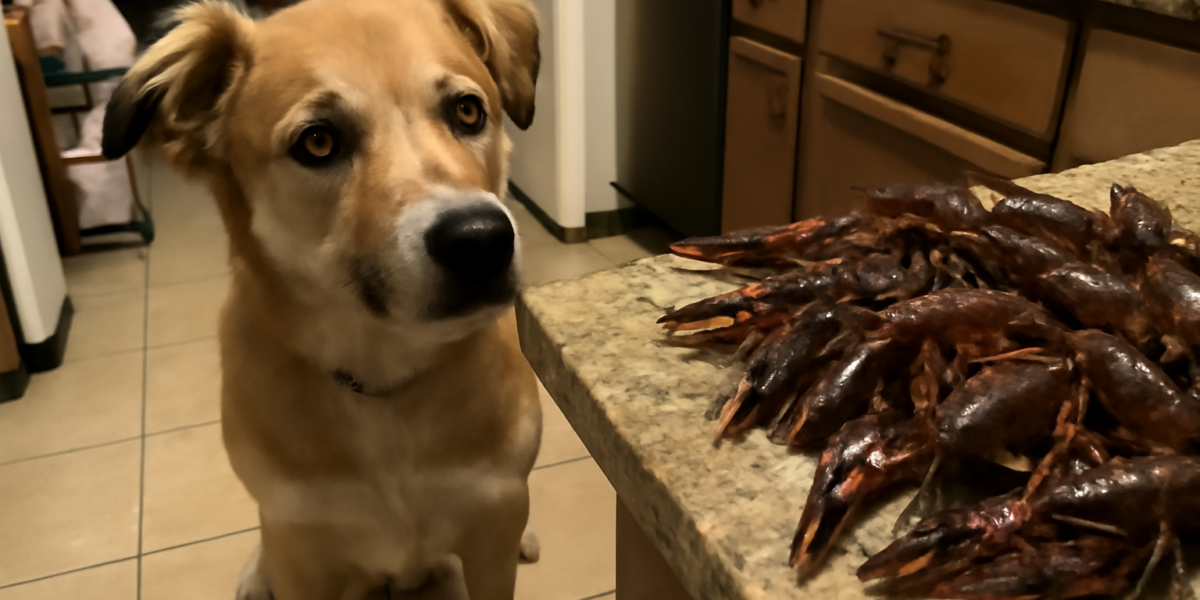
Yes, dogs can eat crawfish meat in moderation, provided it is fully cooked and served plain. Crawfish — also known as crayfish or crawdads — are freshwater crustaceans that offer a good source of lean protein and essential nutrients. However, several important caveats apply. The shell must be completely removed, as it poses a choking hazard and can cause intestinal blockages. Seasoned crawfish, particularly from traditional crawfish boils loaded with garlic, onion, cayenne pepper, and excessive salt, should never be given to dogs.
Raw crawfish should also be avoided because they can harbor parasites, particularly the lung fluke Paragonimus kellicotti, which can cause serious illness in dogs. Always cook crawfish thoroughly before offering any to your pet, and keep portions small.
Nutritional Profile of Crawfish
Crawfish are a lean source of protein with a nutritional profile that can benefit dogs when offered appropriately. A three-ounce serving of cooked crawfish tail meat contains approximately:
- Calories: 70
- Protein: 14 grams
- Fat: 1 gram
- Cholesterol: 113 mg
- Sodium: 80 mg (for unseasoned meat)
- Phosphorus: 230 mg
- Selenium: 30 mcg
- Vitamin B12: 2.3 mcg
- Zinc: 1.3 mg
- Omega-3 fatty acids: moderate amounts
The high protein and low fat content make crawfish an appealing treat option for dogs that need to maintain a healthy weight. Protein supports muscle development and repair, while selenium acts as an antioxidant that helps protect cells from damage. Vitamin B12 is essential for nervous system function and red blood cell production.
The omega-3 fatty acids found in crawfish, while not as abundant as in fatty fish like salmon, can still contribute to skin and coat health. Zinc supports immune function and wound healing, making crawfish a nutrient-dense treat when prepared safely.
It is worth noting that the nutritional profile changes dramatically when crawfish are prepared with heavy seasoning. A serving of crawfish from a traditional boil can contain well over 1,000 mg of sodium, along with potentially toxic seasonings.
Benefits and Risks of Crawfish for Dogs
Potential Benefits
Plain cooked crawfish meat offers several nutritional benefits for dogs. The lean protein supports muscle health and provides essential amino acids that dogs need for overall body maintenance. The low calorie count means crawfish can be used as a high-value training treat without significantly increasing daily caloric intake.
The B vitamins present in crawfish support energy metabolism and nervous system function. Phosphorus works alongside calcium to maintain strong bones and teeth. For dogs that enjoy seafood flavors, crawfish can add welcome variety to their treat rotation.
Potential Risks
The risks of feeding crawfish to dogs are significant and should not be underestimated:
- Shell hazards: Crawfish shells are hard and can splinter when chewed, creating sharp fragments that may damage the mouth, throat, esophagus, or intestinal lining. Shell pieces can also cause choking or intestinal blockages that may require surgical intervention.
- Parasites: Raw or undercooked crawfish can carry Paragonimus kellicotti, a lung fluke that causes paragonimiasis in dogs. This parasitic infection can lead to coughing, difficulty breathing, and pneumothorax (collapsed lung) in severe cases.
- Seasoning toxicity: Crawfish boils typically include garlic, onion powder, and heavy salt — all dangerous to dogs. Garlic and onion cause oxidative damage to red blood cells, while excessive sodium can lead to dehydration and sodium ion poisoning.
- Shellfish allergies: Some dogs may be allergic to shellfish. Allergic reactions can range from mild skin irritation to severe anaphylaxis.
- Iodine sensitivity: Crawfish contain iodine, and dogs with thyroid conditions may need to limit iodine intake. Consult your veterinarian if your dog has any thyroid issues.
How to Serve Crawfish Safely
Follow these steps to prepare crawfish safely for your dog:
- Source fresh crawfish. Purchase live or fresh crawfish from a reputable supplier. Avoid pre-seasoned or pre-cooked products from crawfish boils.
- Cook thoroughly. Boil crawfish in plain, unsalted water until the meat is fully opaque and reaches an internal temperature of at least 145 degrees Fahrenheit. Do not add any seasonings, butter, or oil.
- Remove all shell. Carefully peel away the entire exoskeleton, including the tail shell, head, claws, and any small shell fragments. Only the tail meat should be offered to your dog.
- Check for shell fragments. Run your fingers through the meat to feel for any remaining pieces of shell that could pose a hazard.
- Cut into appropriate pieces. For small dogs, chop the crawfish meat into small, manageable pieces to prevent choking.
- Serve in moderation. Offer a small amount and wait 24 hours to observe for any allergic reaction or digestive upset before giving more.
Recommended portion sizes:
- Small dogs (under 20 lbs): 1-2 crawfish tails, occasionally
- Medium dogs (20-50 lbs): 3-4 crawfish tails, occasionally
- Large dogs (50-90 lbs): 5-6 crawfish tails, occasionally
- Extra-large dogs (over 90 lbs): up to 8 crawfish tails, occasionally
Crawfish should be treated as an occasional snack, not a regular dietary component. Treats of any kind should make up no more than 10 percent of your dog’s daily caloric intake.
Signs of Problems After Eating Crawfish
After your dog eats crawfish, monitor for the following symptoms that may indicate a problem:
- Vomiting or retching: May indicate digestive irritation, a shell fragment issue, or an allergic reaction.
- Drooling or pawing at the mouth: Could signal a shell fragment lodged in the mouth or throat.
- Difficulty swallowing or refusal to eat: May indicate an obstruction in the esophagus.
- Abdominal pain or bloating: Your dog may hunch over, whimper, or resist being touched around the belly if experiencing intestinal distress.
- Diarrhea or bloody stools: Digestive upset or internal damage from shell fragments.
- Hives, swelling, or itching: Signs of an allergic reaction that may require veterinary treatment.
- Coughing or breathing difficulties: If these develop days or weeks after eating raw crawfish, they may indicate a parasitic infection.
- Lethargy or weakness: A general sign that something is wrong and veterinary evaluation is needed.
If you suspect your dog has swallowed shell fragments or is showing signs of an allergic reaction, contact your veterinarian immediately. Intestinal obstructions and severe allergic reactions are medical emergencies that require prompt treatment.
Healthy Alternatives to Crawfish
If the preparation required for safe crawfish seems too involved, or if your dog has a shellfish sensitivity, consider these protein-rich alternatives:
- Cooked salmon: Rich in omega-3 fatty acids and easier to prepare safely. Always cook thoroughly and remove all bones.
- Plain cooked shrimp: Similar to crawfish but easier to shell completely. Remove the tail, shell, and vein before serving.
- Cooked chicken breast: A lean protein source that most dogs tolerate well. Serve plain without skin, bones, or seasoning.
- Sardines in water: Packed with omega-3s and generally safe for dogs. Choose varieties packed in water with no added salt.
- Cooked barley: A nutritious grain that provides fiber and protein as a complement to your dog’s meals.
Looking to give a dog a loving home? Visit Walk Me Home Rescue to see dogs available for adoption. A nutritious diet with safe, appropriate treats is a wonderful way to show your new companion how much you care.
Frequently Asked Questions
Can dogs eat crawfish from a crawfish boil?
No, dogs should not eat crawfish from a traditional crawfish boil. The seasoning mix typically contains garlic, onion, cayenne pepper, and large amounts of salt, all of which are harmful to dogs. Even if you rinse the crawfish after the boil, the seasonings will have penetrated the meat during cooking. Only plain, unseasoned boiled crawfish is safe for dogs.
What should I do if my dog ate a crawfish shell?
If your dog swallowed a small amount of crawfish shell, monitor them closely for the next 24 to 48 hours. Watch for signs of choking, vomiting, abdominal pain, loss of appetite, or changes in bowel movements. Small shell fragments may pass through the digestive tract without incident, but larger pieces or sharp fragments can cause internal damage. Contact your veterinarian if you notice any concerning symptoms or if your dog consumed a significant amount of shell.
Can dogs eat raw crawfish?
No, dogs should never eat raw crawfish. Raw freshwater crustaceans can harbor the parasitic lung fluke Paragonimus kellicotti, which causes a serious respiratory infection in dogs called paragonimiasis. The parasite is killed by thorough cooking, so always ensure crawfish are fully cooked before offering any to your dog.
Is crawfish better for dogs than shrimp?
Nutritionally, crawfish and shrimp are quite similar — both are lean protein sources low in fat. Shrimp may be slightly easier to prepare safely for dogs because the shell is simpler to remove completely. Both should be served plain, fully cooked, and in moderation. The choice between them often comes down to availability and your dog’s personal preference.
How often can I give my dog crawfish?
Crawfish should be an occasional treat, not a regular part of your dog’s diet. Offering plain cooked crawfish meat once a week or less is a reasonable frequency. Remember that all treats combined should account for no more than 10 percent of your dog’s daily caloric intake. Your dog’s primary nutrition should come from a complete and balanced commercial dog food or a veterinarian-approved homemade diet.
Can puppies eat crawfish?
It is best to wait until puppies are at least one year old before introducing shellfish like crawfish. Puppies have more sensitive digestive systems and are more vulnerable to allergic reactions. Their smaller size also increases the risk of choking on any food that is not specifically designed for puppies. Consult your veterinarian before introducing any new protein source to a puppy’s diet.


