
Last updated: April 1, 2026
In this article
Can Dogs Eat Cucumbers?
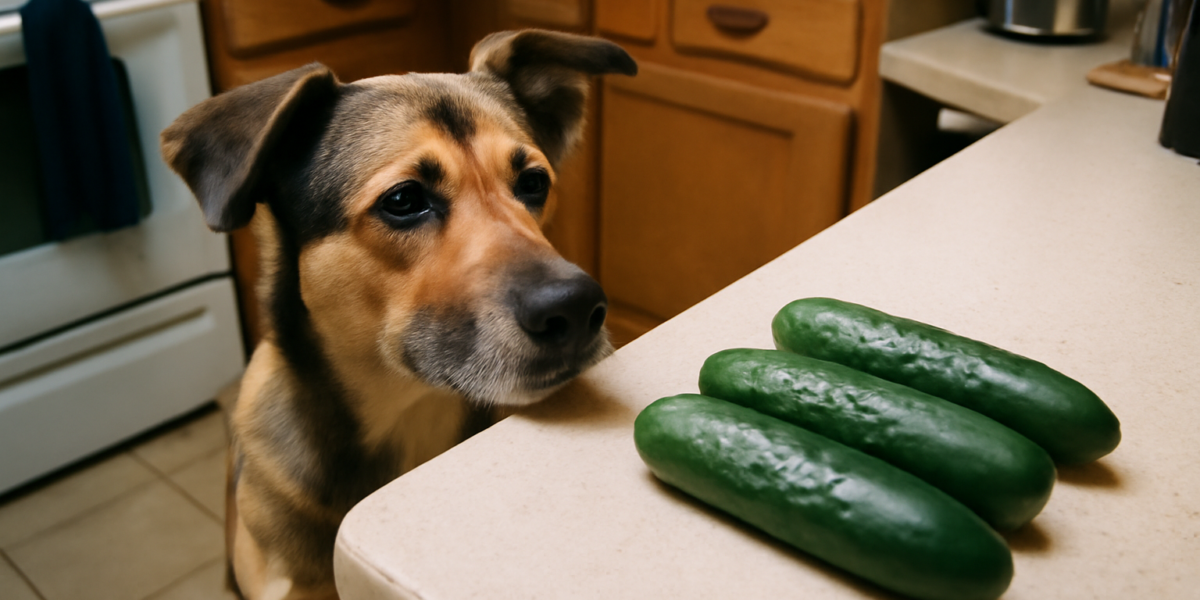
Dogs can eat cucumbers. They are a safe, non-toxic vegetable and one of the best low-calorie snacks you can offer your dog. Cucumbers are roughly 96 percent water, making them especially refreshing on warm days. Serve them in bite-sized pieces, and skip the pickled or seasoned varieties, which are not appropriate for dogs.
Are Cucumbers Safe for Dogs?
Yes, cucumbers are completely safe for dogs to eat. They do not appear on any major veterinary toxicity list and contain none of the compounds that are harmful to dogs, such as thiosulfate found in onions or oxalic acid found in certain leafy greens. Both the flesh and the skin of a cucumber are safe, though the skin can be tougher to digest for some dogs.
Because cucumbers are so mild in flavor and high in water content, they are well tolerated by most dogs, including those with sensitive stomachs. Dogs of nearly all sizes and life stages can enjoy cucumbers as an occasional treat. If your dog has a specific health condition such as kidney disease or diabetes, a quick check with your veterinarian is always a good idea before introducing any new food. For more practical guidance on what dogs can and cannot eat, visit our dog care blog.
Nutritional Benefits of Cucumbers for Dogs
Cucumbers are not a nutritional powerhouse in the way that eggs or salmon are, but they offer a useful collection of micronutrients that support your dog’s wellbeing. They contain vitamin K, which is important for healthy blood clotting and bone metabolism. They also provide vitamin C, an antioxidant that supports immune function, and small amounts of potassium, which supports heart and muscle health.
The most notable benefit of cucumbers for dogs is their very low calorie count. A half-cup of sliced cucumber contains fewer than ten calories, making them an ideal treat for dogs on a weight management plan. Compared to many commercial dog treats, which can be dense in fat and calories, cucumbers are a genuinely guilt-free option.
Their high water content — roughly 96 percent — also contributes to hydration, which is especially valuable during summer months or after exercise. While cucumbers should not replace fresh drinking water, they can offer a helpful hydration boost as part of a balanced treat routine.
Risks and Side Effects
Can dogs eat cucumbers without any risks at all? Not entirely. As with most foods, there are a few precautions worth knowing before you share one with your dog.
The most common risk is choking. Whole cucumbers or large, thick slices can be difficult for small dogs or fast eaters to manage safely. Always cut cucumbers into slices or small cubes appropriate for your dog’s size. Dogs that tend to gulp their food without chewing are at higher risk and should be supervised during snack time.
Overfeeding cucumbers can lead to mild digestive upset, including loose stools or gas, particularly if your dog is not used to eating vegetables. The high water content can also cause increased urination or, in large amounts, a temporary loose stool. Introduce cucumbers gradually and observe your dog’s response before making them a regular part of the diet.
Pickled cucumbers — commonly known as pickles — should never be given to dogs. Pickles are prepared with vinegar, salt, garlic, and other seasonings that are harmful to dogs. The high sodium content alone can cause sodium toxicity in significant quantities. Always serve plain, fresh cucumbers only.
How Much Cucumber Can a Dog Eat?
Treats of any kind, including cucumbers, should account for no more than ten percent of your dog’s daily caloric intake. For a small dog under 20 pounds, a few thin slices per day is a sensible portion. Medium-sized dogs can handle a slightly larger serving of roughly a quarter cup of sliced cucumber, while large breeds can eat up to half a cup without issue.
These are general estimates. Your dog’s individual caloric needs, activity level, and overall diet all factor into the appropriate serving size. When in doubt, start with just a couple of slices and see how your dog responds before offering more on a regular basis.
How to Prepare Cucumbers for Dogs
Preparing cucumbers for your dog is simple, but a few steps help ensure the snack is safe and easy to eat.
Wash thoroughly. Cucumbers are commonly treated with pesticides, particularly conventional varieties. Rinse the cucumber under cool running water before cutting. If possible, choose organic cucumbers to reduce pesticide exposure.
Peel or leave the skin on. The skin is safe to eat, but it can be tougher than the flesh and may be harder for some dogs to digest. For small dogs or dogs with sensitive stomachs, peeling the cucumber first is a good precaution. For larger, healthy dogs, the skin can remain.
Remove the seeds. Cucumber seeds are not toxic to dogs, but they have a slightly bitter taste and a soft texture that some dogs find unappealing. Removing the seeds from the center of each slice is optional but can make the snack more palatable.
Cut into appropriate pieces. Slice the cucumber into rounds or small cubes based on your dog’s size. For small breeds, thin half-rounds or small dice work well. For larger dogs, thicker rounds are fine as long as they are not so large that they present a choking hazard.
Serve plain and fresh. Never add salt, vinegar, dressing, or any seasonings. Serve cucumbers at room temperature or slightly chilled. Frozen cucumber slices can also be a refreshing summer treat, though very hard frozen pieces should be given with supervision.
What If My Dog Ate Too Much Cucumber?
If your dog managed to eat a large quantity of cucumber in one sitting, there is generally no cause for serious alarm. Cucumbers are non-toxic, so the risk of poisoning is not a concern. However, the high water content and fiber can cause mild digestive upset, including loose stools, increased gas, or more frequent urination. These effects are typically temporary and resolve on their own within a day.
Monitor your dog for any signs of ongoing discomfort, such as repeated vomiting, significant bloating, or lethargy. If symptoms persist beyond 24 hours or seem severe, contact your veterinarian. Going forward, store cucumbers out of your dog’s reach and be mindful of daily treat portions.
Frequently Asked Questions
Can dogs eat cucumber skin?
Yes, cucumber skin is safe for dogs to eat. It is not toxic and contains small amounts of additional fiber and nutrients. However, the skin can be tougher to digest than the flesh, so it is worth peeling the cucumber for small dogs, senior dogs, or those with sensitive digestive systems.
Can dogs eat cucumber seeds?
Cucumber seeds are not harmful to dogs. They are soft and do not pose a choking hazard the way fruit pits do. That said, some dogs find the slightly bitter taste of cucumber seeds unappealing, so removing them is a simple way to make the snack more enjoyable.
Can puppies eat cucumbers?
Yes, puppies can eat cucumbers in small amounts. Start with very thin slices and supervise your puppy during snack time to make sure they chew properly and do not swallow large pieces. Since puppies have smaller and more sensitive digestive systems, introduce cucumbers slowly and watch for any signs of stomach upset before making them a regular treat.
Are cucumbers a good treat for overweight dogs?
Cucumbers are one of the best treat options available for dogs that need to lose weight or maintain a healthy weight. With fewer than ten calories per half-cup serving, they deliver a satisfying crunch and volume without adding meaningful calories to your dog’s daily intake. Many veterinarians recommend cucumbers specifically as a low-calorie substitute for higher-calorie commercial treats during weight management programs.


