
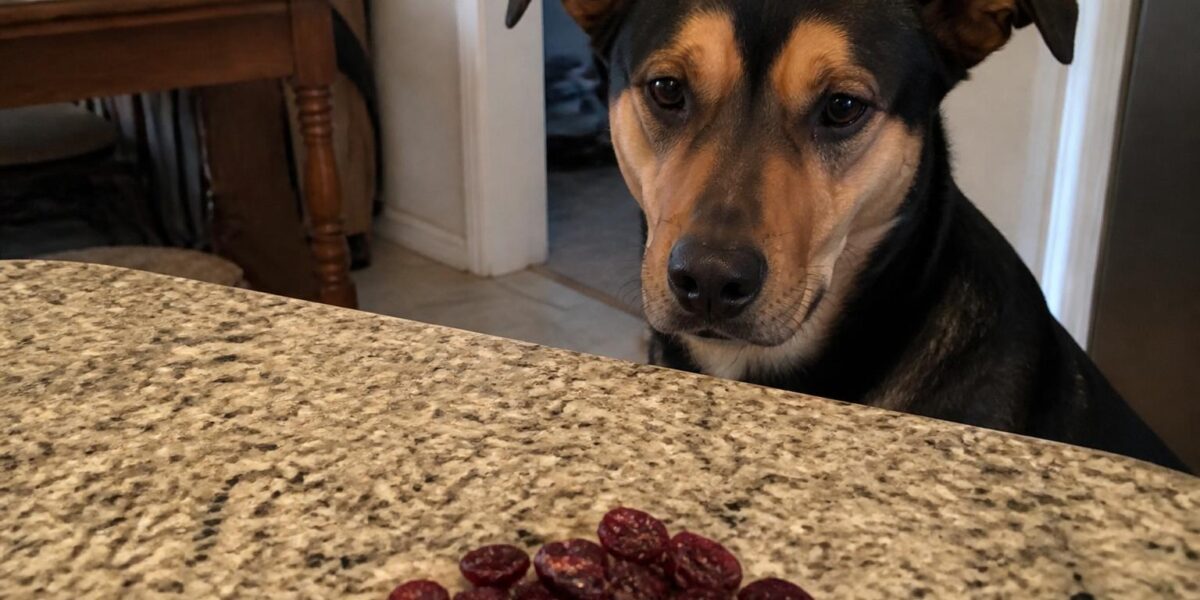
Can Dogs Eat Dried Cranberries? The Short Answer
Can dogs eat dried cranberries? Yes, in moderation, as long as they are plain. A few plain dried cranberries are not toxic to dogs and can be an occasional treat. The catch is that most store-bought dried cranberries are loaded with added sugar, and some packaged mixes contain raisins, which are genuinely dangerous.
In this article
So while the cranberry itself is fine, you need to read the label carefully. Plain, unsweetened dried cranberries in small amounts are the safest version, and they should never become a daily habit.
Cranberries have a wholesome reputation, and it is true that the fruit itself is harmless to dogs. The complication is that dried cranberries are a processed product, and what manufacturers add to them, or mix in with them, is where the real risk lies. A careful read of the package makes all the difference.
Do Dried Cranberries Offer Benefits?
Cranberries contain antioxidants, vitamin C, and fiber, which is why they have a healthy reputation. In the small amounts a dog should eat, though, these benefits are modest. Your dog gets reliable nutrition from a balanced dog food, so think of cranberries as a fun snack rather than a supplement.
If you have heard that cranberries help with urinary tract health, the evidence in dogs is limited, and you should never rely on dried cranberries as a treatment. Talk to your veterinarian about proper care if your dog has urinary issues.
It is also worth remembering that drying concentrates the natural sugars in fruit. A handful of dried cranberries packs far more sugar than the equivalent in fresh fruit, which is another reason to keep portions tiny. The healthy-sounding label does not mean you can be generous with the serving size.
The Big Risks: Sugar and Hidden Raisins
The two main concerns with dried cranberries are added sugar and mixed-in raisins. Many dried cranberry products are sweetened heavily, and too much sugar contributes to weight gain, dental problems, and stomach upset.
The more serious danger is raisins. Many trail mixes and “berry blends” combine dried cranberries with raisins, and raisins, like grapes, are toxic to dogs and can cause kidney failure even in small amounts. Always check that you are giving plain dried cranberries only, with no raisins mixed in. Also avoid products with added xylitol, chocolate, or yogurt coatings.
Because raisins and dried cranberries look somewhat similar at a glance, mixed snacks are especially risky. If you cannot be completely certain a product contains only cranberries, it is safest not to share it at all. The few seconds it takes to read the ingredient list can prevent a true emergency.
Safe Serving Size and How to Offer Them
Keep dried cranberries to an occasional treat that fits within the 10 percent of daily calories rule. A few cranberries for a large dog, or just one or two for a small dog, is plenty.
To serve them safely:
- Choose plain dried cranberries, ideally unsweetened, with no raisins added.
- Check the ingredient list for xylitol and avoid any product containing it.
- Offer just a few as a treat or sprinkle over food.
- Skip sugary, chocolate-coated, or yogurt-covered varieties entirely.
If you want the benefits of cranberry without the added sugar, fresh or frozen cranberries are a better choice, though their tartness means some dogs turn up their noses. Either way, moderation is the watchword, and a few pieces go a long way.
Introduce dried cranberries the way you would any new treat, with a single small piece the first time. This lets you confirm your dog tolerates them before you make them part of an occasional rotation.
Symptoms of Trouble to Watch For
If your dog eats a lot of sugary dried cranberries, you may notice mild stomach upset such as vomiting or diarrhea. The high sugar content can also bother diabetic or overweight dogs, so those dogs should skip them.
The most important thing to watch for is accidental raisin ingestion. If your dog eats a cranberry-raisin mix, contact your veterinarian immediately, even before symptoms appear. Signs of raisin toxicity include vomiting, lethargy, loss of appetite, and reduced urination, and prompt treatment is critical to protect the kidneys.
Do not wait to see whether your dog seems unwell after eating raisins, because kidney damage can progress before obvious symptoms show. Your vet can advise on whether to induce vomiting or begin other treatment, and acting quickly gives the best chance of a good outcome.
When you call, it helps to have a few details ready: roughly how many your dog ate, when it happened, and what the product was. If you still have the packaging, keep it handy so you can read the ingredients to your vet. This information helps them gauge the situation and decide how urgently your dog needs to be seen.
Reading Labels and Avoiding Risky Mixes
Since the biggest dangers with dried cranberries are hidden in packaged products, learning to read the label carefully is the most important safety step. Many products that look like simple dried cranberries are actually blends or sweetened in ways that matter for your dog.
Before sharing, check the package for these red flags:
- Raisins or “mixed dried fruit” mean the product is unsafe, since raisins are toxic to dogs.
- Xylitol or “birch sugar” means do not give it to your dog at all.
- Yogurt or chocolate coatings add fat, sugar, and sometimes toxic ingredients.
- A long list of added sugars and syrups signals a heavily sweetened product to skip.
Trail mixes deserve special caution, because they so often combine cranberries with raisins, chocolate, and salted nuts. Rather than picking cranberries out of a mix, it is far safer to keep a separate bag of plain dried cranberries on hand if you want to share. That way there is no risk of a toxic raisin slipping through.
Other Fruity Treats for Dogs
If your dog enjoys fruit, there are several safe options to rotate. Our guide to fresh cranberries covers the unsweetened whole-fruit version, and oranges make a juicy vitamin-C-rich treat. Just be sure to read about the dangers of raisins for dogs so you know exactly what to keep away.
As with any new food, start with a small amount and watch your dog’s response. If your dog is diabetic, overweight, or has a sensitive stomach, check with your veterinarian before adding sugary fruits. A little caution keeps treat time both fun and safe.
It is also smart to think about the role fruit plays in your dog’s overall treat budget. Because dried fruit is concentrated in sugar, even a healthy-sounding cranberry can add up if you are also offering biscuits, chews, and table scraps through the day. Counting all of these together against the 10 percent rule keeps your dog’s diet balanced.
If you enjoy sharing fruit with your dog, fresh and frozen options are usually the better everyday choice, since they carry less sugar and no risk of added raisins. Frozen blueberries or small pieces of apple, for instance, make refreshing low-sugar treats. Save dried cranberries for the occasional small handful, and always after a quick label check.
With those simple habits in place, dried cranberries become a harmless little treat rather than a hidden hazard. The key is staying alert to sugar and raisins, keeping portions tiny, and leaning on fresh fruit when you want to share more often. Your dog gets the fun of a new flavor, and you get the peace of mind that comes from knowing exactly what they are eating.
Frequently Asked Questions
Are dried cranberries toxic to dogs?
Plain dried cranberries are not toxic. The risks come from added sugar and from raisins mixed into many products, so always check the label before sharing.
How many dried cranberries can a dog have?
Just a few for a large dog, or one or two for a small dog, as an occasional treat. Keep them within the safe 10 percent treat allowance.
What if my dog ate a cranberry-raisin mix?
Contact your veterinarian right away. Raisins are toxic to dogs and can cause kidney failure, so prompt treatment is important even before symptoms appear.
Can diabetic dogs eat dried cranberries?
It is best to avoid them, since most dried cranberries are high in sugar. Ask your veterinarian about safe, low-sugar treats for a diabetic dog.
Are fresh cranberries better than dried for dogs?
Yes, because drying concentrates the sugar and dried products often have more added. Plain fresh or frozen cranberries are the lower-sugar option, though some dogs find them too tart.


