
Last updated: March 31, 2026
In this article
Can Dogs Eat Guava? Safety Guide & Tips
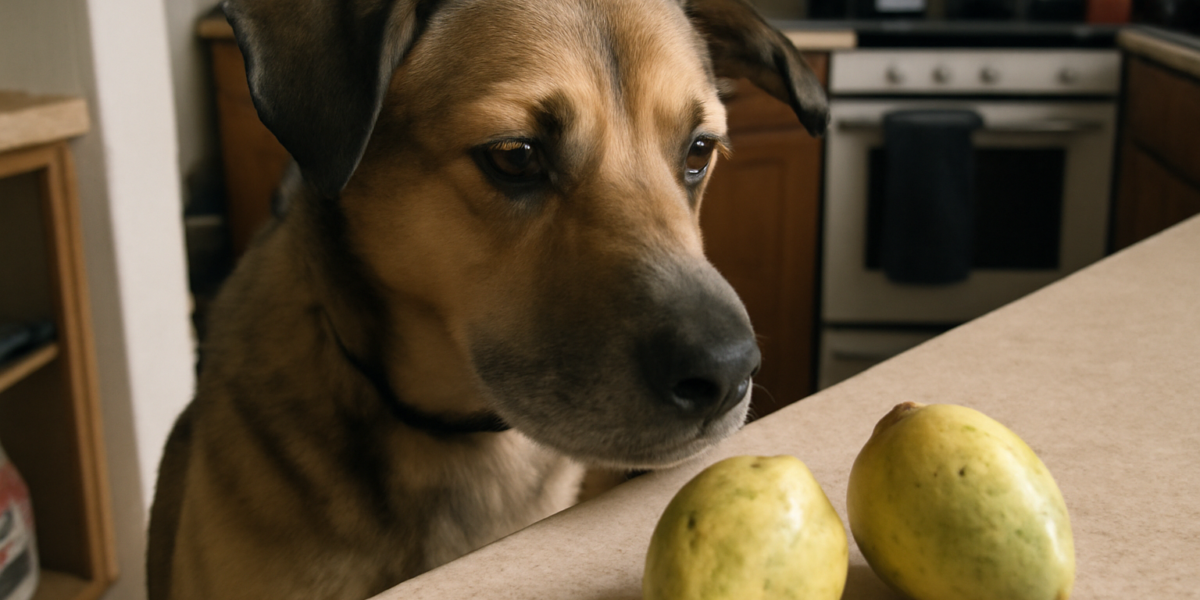
If you have ever been enjoying a sweet, fragrant guava and caught your dog eyeing you with hopeful anticipation, you may have wondered whether this tropical fruit is safe to share. Guava is a nutrient-dense fruit that humans prize for its high vitamin C content and distinctive flavor, but does that make it a good treat for your four-legged friend? The short answer is yes, dogs can eat guava in moderation, but there are some important precautions you need to take before handing over a slice.
In this comprehensive guide, we will cover everything you need to know about feeding guava to your dog, including the nutritional profile, potential benefits and risks, safe serving methods, warning signs to watch for, and some frequently asked questions. Whether you are a first-time dog owner or an experienced pet parent looking to diversify your dog’s treat options, this article will help you make an informed decision.
Quick Answer: Can Dogs Eat Guava?
Yes, dogs can eat guava in moderation. The flesh of ripe guava is non-toxic to dogs and can be a healthy, occasional treat. However, you should always remove the seeds and rind before offering guava to your dog. The seeds can pose a choking hazard or cause digestive blockages, and the tough outer skin may be difficult for some dogs to digest.
It is important to note that while common apple guava (Psidium guajava) is safe, you should avoid giving your dog guava paste or guava-flavored products, which often contain added sugars, preservatives, or artificial sweeteners like xylitol that are toxic to dogs. Stick to fresh, plain guava fruit prepared properly.
As with any new food, introduce guava slowly and in small amounts to see how your dog reacts. Some dogs may have sensitive stomachs, and even safe foods can cause gastrointestinal upset if introduced too quickly or given in large quantities.
Nutritional Profile of Guava
Guava is one of the most nutrient-rich tropical fruits available. Understanding its nutritional composition can help you appreciate why it can be a beneficial treat for your dog when served appropriately.
A 100-gram serving of raw guava contains approximately:
- Calories: 68 kcal
- Protein: 2.6 grams
- Fat: 1 gram
- Carbohydrates: 14.3 grams
- Dietary fiber: 5.4 grams
- Sugar: 8.9 grams
- Vitamin C: 228 mg (over 250% of the human daily value)
- Vitamin A: 624 IU
- Potassium: 417 mg
- Magnesium: 22 mg
- Phosphorus: 40 mg
Guava stands out for its exceptionally high vitamin C content, which surpasses even that of oranges on a per-gram basis. It also provides a good amount of dietary fiber, which can support healthy digestion in dogs. The fruit contains lycopene, beta-carotene, and other antioxidants that contribute to overall cellular health.
While dogs produce their own vitamin C and do not require it from dietary sources in the way humans do, supplemental vitamin C from whole foods can still offer antioxidant benefits, particularly for older dogs or those under stress.
Benefits and Risks of Guava for Dogs
Potential Benefits
When served properly and in moderation, guava can offer several health benefits for dogs:
- Antioxidant support: The high concentration of vitamins A and C, along with lycopene and other phytonutrients, can help combat oxidative stress and support your dog’s immune system.
- Digestive health: The dietary fiber in guava can promote healthy bowel movements and support a balanced gut microbiome. Fiber can be particularly helpful for dogs who experience occasional constipation.
- Low calorie treat: Compared to many commercial dog treats, a small piece of guava is relatively low in calories, making it a reasonable option for dogs on a weight management plan.
- Hydration: Guava has a moderately high water content, which can contribute to your dog’s overall hydration, especially during warmer months.
- Vitamin and mineral support: The potassium, magnesium, and phosphorus in guava contribute to healthy muscle function, bone development, and metabolic processes.
Potential Risks
Despite its benefits, there are several risks to be aware of when feeding guava to your dog:
- Seeds: Guava seeds are hard and can present a choking hazard, especially for small dogs. In larger quantities, they could potentially cause intestinal blockages. Always remove seeds before serving.
- Rind and skin: The tough outer skin of guava can be difficult for dogs to chew and digest. It may cause stomach upset or, in rare cases, contribute to a gastrointestinal obstruction.
- Sugar content: While natural, the sugar in guava can contribute to weight gain and dental problems if fed in excess. Dogs with diabetes should only have guava under veterinary guidance.
- Digestive upset: Too much guava can cause diarrhea, vomiting, or gas due to its fiber and sugar content. Start with a very small amount and monitor your dog’s reaction.
- Allergic reactions: Although rare, some dogs may be allergic or sensitive to guava. Watch for signs of itching, swelling, or gastrointestinal distress after the first serving.
How to Serve Guava Safely to Your Dog
Proper preparation is key to making guava a safe treat for your dog. Follow these steps to minimize risks:
- Choose ripe fruit: Select a ripe guava that is slightly soft to the touch and has a sweet, fragrant aroma. Unripe guava is harder and more acidic, which can upset your dog’s stomach.
- Wash thoroughly: Rinse the guava under running water to remove any pesticide residue, dirt, or bacteria from the surface. If possible, choose organic guava to reduce pesticide exposure.
- Peel the skin: Remove the tough outer rind. While the skin is not toxic, it can be difficult for dogs to digest and may cause stomach discomfort.
- Remove all seeds: Cut the guava open and carefully scoop out all seeds. This is the most important step, as seeds pose choking and obstruction risks.
- Cut into small pieces: Dice the guava flesh into bite-sized pieces appropriate for your dog’s size. Small dogs should receive very small cubes, while larger dogs can handle slightly bigger pieces.
- Serve plain: Offer the guava pieces without any added sugar, salt, or seasonings. Never serve guava paste, guava juice, or guava-flavored products that contain additives.
As a general guideline, treats should make up no more than 10 percent of your dog’s daily caloric intake. For a small dog, one or two small pieces of guava once or twice a week is sufficient. Medium to large dogs can have a few more pieces, but moderation remains essential.
If you are looking for more ideas on safe fruits and treats for your dog, or if you are considering adopting a new furry family member, there are plenty of resources available to help you make the best choices for your pet’s health and happiness.
Signs of Problems After Eating Guava
Even when prepared correctly, some dogs may not tolerate guava well. After feeding your dog guava for the first time, monitor them closely for the following signs of trouble:
- Vomiting: If your dog vomits within a few hours of eating guava, their stomach may not agree with the fruit. Withhold food for a few hours and offer small sips of water.
- Diarrhea: Loose stools or diarrhea can result from the fiber and sugar in guava, particularly if your dog ate too much. Ensure your dog stays hydrated and monitor their stools over the next day or two.
- Excessive gas or bloating: Some dogs may experience increased flatulence or abdominal discomfort after eating guava. If bloating appears severe or your dog seems to be in pain, contact your veterinarian.
- Loss of appetite: If your dog refuses their regular food after eating guava, they may be experiencing stomach discomfort. This should resolve within 24 hours, but consult your vet if it persists.
- Choking or gagging: If seeds were not fully removed or if pieces were too large, your dog may choke. Know how to perform the canine Heimlich maneuver and seek emergency veterinary care if needed.
- Allergic reactions: Watch for hives, facial swelling, excessive itching, or difficulty breathing. These are signs of a potential allergic reaction and require immediate veterinary attention.
If any of these symptoms are severe, persistent, or worsen over time, do not wait. Contact your veterinarian or an emergency animal hospital right away. It is always better to err on the side of caution when it comes to your dog’s health.
Healthy Alternatives to Guava
If your dog does not tolerate guava well, or if you simply want to offer a variety of safe fruits and treats, there are many alternatives to consider:
- Blueberries: Low in calories and packed with antioxidants, blueberries are one of the best fruit options for dogs. They are small, easy to serve, and most dogs enjoy their sweet flavor.
- Watermelon: Seedless watermelon (with the rind removed) is hydrating and low in calories. It is an excellent summer treat for dogs.
- Apples: Sliced apples without seeds or core provide fiber and vitamins A and C. They also help clean your dog’s teeth as they chew.
- Bananas: In moderation, bananas offer potassium, fiber, and natural sweetness. They are best given as an occasional treat due to their higher sugar content.
- Strawberries: Fresh strawberries are rich in vitamin C and fiber. Cut them into appropriate sizes for your dog and serve in moderation.
- Carrots: While not a fruit, raw or cooked carrots are an excellent low-calorie, crunchy treat that many dogs love. They are great for dental health as well.
You can also explore our other articles on safe foods for dogs, including whether dogs can eat scallops or whether pickles are safe for dogs. Providing a varied diet of safe, whole foods can contribute to your dog’s overall well-being.
Frequently Asked Questions
Can puppies eat guava?
Puppies can technically eat small amounts of guava, but it is best to wait until they are at least six months old and fully weaned onto solid food. Puppies have more sensitive digestive systems than adult dogs, so introduce guava very gradually and in tiny portions. Always remove seeds and skin, and cut the flesh into very small pieces to prevent choking. If your puppy shows any signs of digestive upset, discontinue guava and stick to puppy-appropriate treats recommended by your veterinarian.
Is guava paste or guava juice safe for dogs?
No, guava paste and guava juice are not recommended for dogs. Guava paste is highly concentrated in sugar and often contains preservatives or added ingredients that are not suitable for canine consumption. Guava juice may also contain added sugars, artificial sweeteners, or citric acid that can upset your dog’s stomach. Some products may contain xylitol, an artificial sweetener that is extremely toxic to dogs. Always stick to fresh, plain guava fruit that has been properly prepared.
How much guava can I give my dog?
The appropriate amount of guava depends on your dog’s size. As a general rule, treats including fruit should not exceed 10 percent of your dog’s daily caloric intake. For small dogs (under 20 pounds), one or two small pieces once or twice a week is plenty. Medium dogs (20 to 50 pounds) can have three to four pieces, and large dogs (over 50 pounds) can have up to half a guava at a time. Always start with a small amount when introducing guava for the first time and increase gradually if your dog tolerates it well.
Can dogs eat guava seeds?
It is best to remove guava seeds before giving the fruit to your dog. While guava seeds are not toxic, they are hard and can pose a choking hazard, particularly for smaller breeds. In larger quantities, seeds could potentially cause a gastrointestinal blockage. Taking the extra minute to scoop out the seeds is a simple precaution that can prevent potentially serious problems.
What should I do if my dog ate a whole guava with seeds and skin?
If your dog ate a whole guava including the seeds and skin, do not panic. Monitor them closely for the next 24 to 48 hours for signs of digestive distress such as vomiting, diarrhea, loss of appetite, or abdominal pain. Most dogs will pass the seeds and skin without incident, but if you notice any concerning symptoms, especially signs of a blockage like repeated vomiting, straining to defecate, or lethargy, contact your veterinarian immediately. For very small dogs, a whole guava may represent a greater risk, so consider calling your vet proactively for guidance.
Taking good care of your dog means understanding what foods are safe and how to serve them properly. If you are thinking about expanding your family with a rescue dog, visit our adoption page to meet dogs looking for their forever homes. Every dog deserves a family that cares about their health and happiness.


