
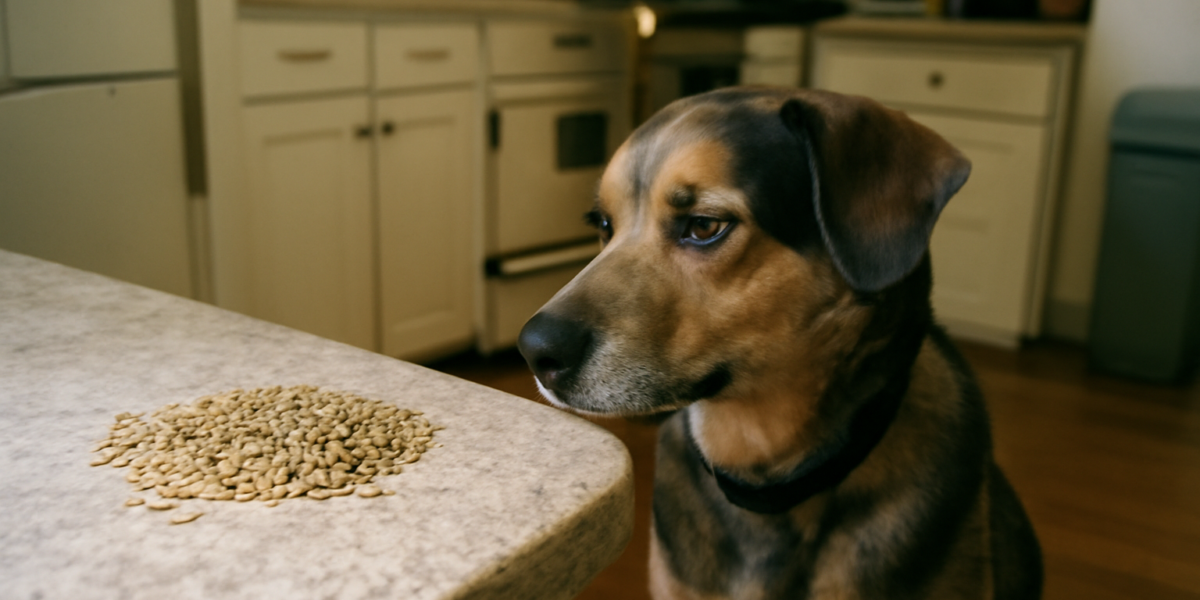
Lentils are one of the oldest cultivated legumes in the world, prized by humans for their high protein and fiber content. As more dog owners explore supplemental foods and home-cooked recipes, lentils often come up as a potential ingredient. They are inexpensive, shelf-stable, and packed with nutrients. But are lentils a good choice for your dog? The short answer is yes, with some important considerations. Lentils are safe for dogs when cooked and served plain in moderate amounts, but they have also been at the center of an ongoing conversation in veterinary nutrition regarding their potential link to canine heart disease.
In this article
Quick Answer: Yes, dogs can eat cooked, plain lentils in moderation. Lentils provide plant-based protein, dietary fiber, iron, and folate. However, they should be fed as an occasional supplement, not a dietary staple, and should never replace animal-based protein. Be aware of the FDA’s ongoing investigation into grain-free diets high in legumes and their potential association with dilated cardiomyopathy (DCM) in dogs.
Are Lentils Safe for Dogs?
Cooked lentils are safe for dogs as an occasional addition to their diet. They are not toxic, and many dogs digest them without issue when they are properly prepared. Lentils appear as an ingredient in numerous commercial dog foods, both grain-free and grain-inclusive formulations, which reflects their general safety in the canine diet.
The important distinction is between cooked and raw lentils. Raw or undercooked lentils contain lectins, a type of protein that can cause gastrointestinal distress including nausea, vomiting, and diarrhea. Cooking lentils thoroughly neutralizes these lectins and makes the legumes safe and digestible.
It is also critical to understand that lentils should play a supplementary role in your dog’s diet, not a primary one. Dogs are omnivores with a strong carnivorous bias, and their nutritional needs are best met through animal-based protein sources. Lentils can complement a balanced diet but should not serve as a protein replacement for meat.
Nutritional Profile of Lentils for Dogs
Lentils are remarkably nutrient-dense for a plant food. One cup of cooked lentils provides approximately 230 calories, 18 grams of protein, 40 grams of carbohydrates, 16 grams of dietary fiber, and less than 1 gram of fat. This makes them one of the highest-protein legumes available.
Key nutrients in lentils that can benefit dogs include:
- Plant-based protein: While not as bioavailable as animal protein, lentil protein still provides useful amino acids. However, lentils are deficient in methionine and cysteine, two sulfur-containing amino acids that are essential for dogs, which is why they should not be the sole protein source.
- Dietary fiber: The combination of soluble and insoluble fiber in lentils supports digestive health, promotes regular bowel movements, and can help regulate blood sugar by slowing glucose absorption.
- Iron: Lentils are a good source of non-heme iron, which supports red blood cell production. Non-heme iron is less efficiently absorbed than the heme iron found in meat, but it still contributes to overall iron intake.
- Folate: Essential for DNA synthesis and cell division, folate is particularly important for pregnant dogs and growing puppies.
- Potassium: Supports proper muscle contraction, nerve function, and fluid balance.
- Manganese: Involved in bone health, metabolism, and antioxidant defense.
- Phosphorus: Works with calcium for bone and tooth structure.
The different types of lentils, including green, brown, red, and black varieties, have similar nutritional profiles. Red and yellow lentils cook faster and tend to become softer and mushier, which can make them easier for dogs to digest. Green and brown lentils hold their shape better after cooking.
Benefits of Lentils for Dogs
The high fiber content in lentils can be particularly beneficial for dogs with digestive irregularities. The soluble fiber forms a gel in the digestive tract that slows the absorption of sugars, which can help dogs with insulin resistance or diabetes maintain more stable blood glucose levels after meals. The insoluble fiber adds bulk to the stool and can help relieve constipation in dogs that do not get enough fiber from their regular diet.
For overweight dogs, small amounts of cooked lentils mixed into their regular food can increase the feeling of fullness without adding excessive calories. The combination of protein and fiber makes lentils more satiating than many other carbohydrate sources, which can help reduce begging and between-meal hunger while supporting a weight management plan.
The iron and folate in lentils can support dogs that need additional nutritional support, such as those recovering from blood loss, pregnant females, or dogs with mild nutritional deficiencies. While these nutrients are better obtained from animal sources for dogs, lentils can contribute as part of a varied diet.
Lentils also provide a low-fat source of supplemental protein, which can be useful for dogs that need to limit their fat intake due to pancreatitis, obesity, or other conditions. A tablespoon of cooked lentils adds protein and nutrients without the fat content that comes with most meat proteins.
Risks and Side Effects of Lentils for Dogs
The DCM concern. In 2018, the FDA began investigating a potential link between grain-free diets that use legumes like lentils, peas, and chickpeas as primary ingredients, and dilated cardiomyopathy (DCM) in dogs. DCM is a serious heart condition in which the heart muscle becomes weakened and enlarged, eventually leading to heart failure. The investigation found an increased number of DCM reports in dogs eating diets where legumes or potatoes were among the main ingredients, including in breeds not traditionally predisposed to the condition.
As of the latest FDA updates, a definitive causal link has not been established, and the investigation is ongoing. The concern appears to be primarily associated with diets where legumes like lentils make up a very large proportion of the food, potentially interfering with taurine absorption or metabolism. Feeding small amounts of lentils as an occasional supplement to a balanced, animal-protein-based diet is a very different scenario than feeding a diet built primarily on legume protein. Nonetheless, this concern is worth discussing with your veterinarian, particularly if your dog belongs to a breed susceptible to DCM, such as Golden Retrievers, Doberman Pinschers, or Great Danes.
Gas and digestive upset. Lentils are notorious for causing flatulence, and this applies to dogs as well as humans. The oligosaccharides in lentils are not fully broken down in the small intestine and are instead fermented by bacteria in the large intestine, producing gas. Some dogs are more sensitive to this effect than others. Starting with small amounts and increasing gradually can help minimize gas production.
Anti-nutrients. Lentils contain phytic acid, which can bind to minerals like iron, zinc, and calcium and reduce their absorption. Cooking significantly reduces phytic acid levels, but it does not eliminate it entirely. This is another reason lentils should supplement rather than replace a nutritionally complete diet.
Raw lentils. Never feed raw or undercooked lentils to your dog. Raw lentils contain lectins that can cause severe gastrointestinal upset and are extremely hard for dogs to digest. Always cook lentils thoroughly until soft.
How Much Lentils Can Dogs Eat?
Lentils should be treated as a supplemental food, and the portions should be modest:
- Small dogs (under 20 lbs): 1 to 2 tablespoons of cooked lentils, two to three times per week
- Medium dogs (20–50 lbs): 2 to 4 tablespoons of cooked lentils, two to three times per week
- Large dogs (50 lbs and over): 1/4 to 1/2 cup of cooked lentils, two to three times per week
These amounts are appropriate for lentils used as a meal topper, mix-in, or occasional treat. Lentils should never comprise a large percentage of your dog’s total diet. The goal is to provide supplemental fiber and nutrients, not to replace any significant portion of their balanced commercial food or veterinarian-formulated diet.
How to Prepare Lentils for Dogs
Start by rinsing dried lentils thoroughly under cold water to remove any debris. Sort through them and discard any shriveled or discolored lentils and any small stones that may have slipped through processing.
Place the rinsed lentils in a pot with plain water. Use approximately three cups of water for every one cup of dried lentils. Bring the water to a boil, then reduce heat and simmer. Green and brown lentils typically take 25 to 30 minutes to become tender. Red and yellow lentils cook faster, usually in 15 to 20 minutes. The lentils should be soft and easy to mash with a fork when done.
Do not add any salt, broth, bouillon, onion, garlic, spices, or other flavorings. Many human recipes call for cooking lentils with aromatics that are unsafe for dogs. Plain water is all you need.
Drain any excess water and allow the lentils to cool completely before serving. You can store cooked lentils in an airtight container in the refrigerator for up to five days or freeze them in portion-sized bags for up to three months.
For dogs that tend to get gassy from lentils, soaking the dried lentils in water for several hours or overnight before cooking can help reduce the oligosaccharide content and minimize gas production. Discard the soaking water and use fresh water for cooking.
Signs of a Problem After Eating Lentils
Most dogs tolerate small amounts of cooked lentils well, but watch for these signs of digestive intolerance:
- Excessive flatulence
- Bloating or abdominal distension
- Diarrhea or loose, frequent stools
- Vomiting
- Abdominal discomfort or gurgling sounds
- Loss of appetite
If your dog shows mild gas or soft stool after eating lentils, try reducing the portion size or soaking the lentils before cooking. If symptoms are more severe or persistent, discontinue lentils and consult your veterinarian.
If your dog somehow consumes a large quantity of raw or dried lentils, the hard, uncooked legumes could potentially cause a gastrointestinal blockage in addition to digestive upset. Watch for signs of obstruction including persistent vomiting, inability to defecate, abdominal pain, and lethargy, and seek veterinary care if these develop.
Alternatives to Lentils for Dogs
If you are looking for fiber-rich or nutrient-dense additions to your dog’s diet without the DCM concerns or gas associated with lentils, there are several excellent options. Pumpkin is one of the best sources of soluble fiber for dogs and is gentle on the digestive system. Sweet potatoes provide fiber, beta-carotene, and potassium in a highly digestible form. Green beans offer fiber and vitamins with minimal calories. Oatmeal is a grain-based fiber source that most dogs tolerate well. Peas are another legume option, though they share some of the same DCM-related concerns as lentils. Rice is an easily digestible carbohydrate for dogs that need a bland, gentle option.
If you are planning to adopt a dog, consulting with a veterinarian about the best dietary approach for your new companion is one of the most impactful steps you can take for their long-term health.
Are canned lentils safe for dogs?
Canned lentils can be fed to dogs, but you must check the label carefully. Many canned lentils contain added salt, preservatives, or seasonings that are not appropriate for dogs. If you use canned lentils, choose a low-sodium or no-salt-added variety and rinse them thoroughly under running water to remove as much residual sodium as possible. Home-cooked lentils from dried are always the safest option.
Can dogs eat lentil soup?
No, lentil soup made for humans is not safe for dogs. It almost always contains onion, garlic, salt, and other seasonings that are harmful to dogs. Even “simple” lentil soups typically use broth that contains onion and garlic powder. Only offer your dog plain lentils cooked in water with no added ingredients.
Do lentils cause heart problems in dogs?
The FDA has been investigating a potential association between diets high in legumes, including lentils, and dilated cardiomyopathy in dogs. The concern is primarily with diets where legumes are used as a primary ingredient, not with occasional small servings as a supplement. A definitive causal link has not been proven, but the investigation is ongoing. If you have concerns, discuss lentils and your dog’s diet with your veterinarian.
Can puppies eat lentils?
Puppies can have very small amounts of well-cooked, plain lentils on occasion, but they are generally unnecessary if the puppy is eating a complete and balanced puppy food. Puppies have sensitive digestive systems, and the high fiber content in lentils could cause loose stools. It is best to wait until a puppy is at least six months old before introducing lentils, and even then, keep portions tiny.
Which type of lentils is best for dogs?
All types of lentils, including green, brown, red, yellow, and black, are safe for dogs when cooked. Red and yellow lentils break down more during cooking, becoming soft and mushy, which can make them easier to digest and mix into food. Green and brown lentils maintain more texture. Nutritionally, the differences between types are minor, so choose whichever variety is most convenient.


