
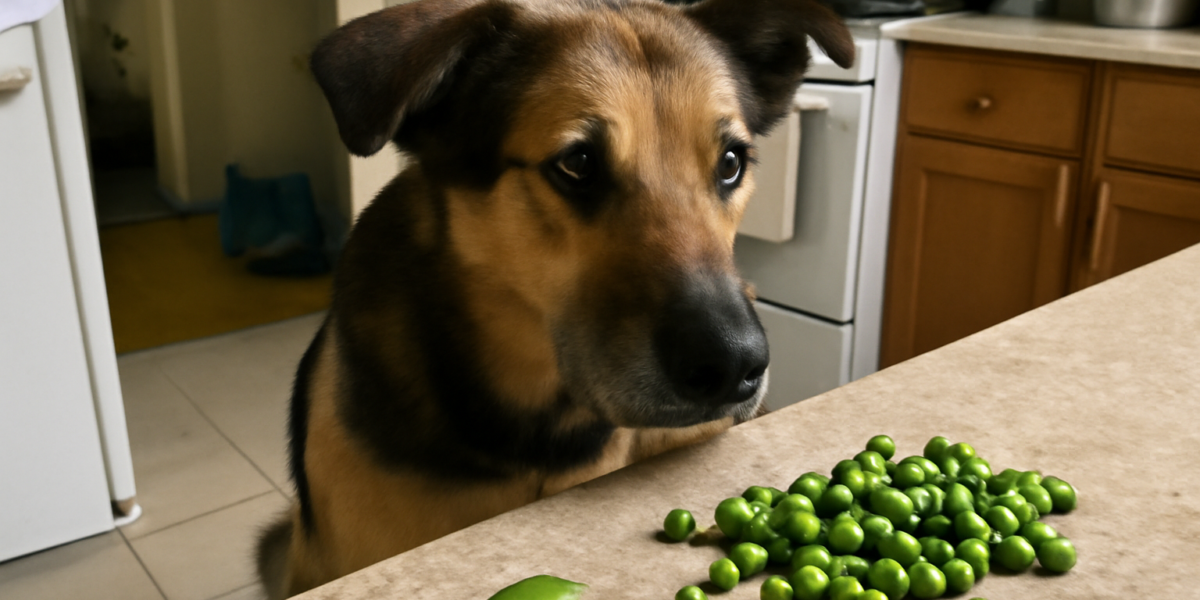
Peas are a common vegetable found in kitchens and dog food ingredient lists alike. These small green legumes are packed with nutrients and have long been considered a healthy food for humans and dogs. Whether you are thinking about tossing a few peas to your dog during dinner prep or wondering about the peas listed on your dog’s food label, you will want to understand both the benefits and the considerations that come with this popular legume. This guide covers everything you need to know about feeding peas to your dog safely, including which types of peas are appropriate and the important health conversation surrounding peas in canine diets.
In this article
Quick Answer: Yes, dogs can eat green peas, snow peas, sugar snap peas, and split peas in moderation. Peas provide plant-based protein, fiber, vitamins A, B, and K, and minerals like iron and zinc. Avoid canned peas with added sodium, and do not feed peas to dogs with kidney disease due to their purine content. Be aware of the FDA’s investigation into legume-heavy diets and potential links to DCM.
Are Peas Safe for Dogs?
Peas are safe for most healthy dogs when fed in moderation. Green peas, also called garden peas or English peas, snow peas, sugar snap peas, and split peas are all appropriate for canine consumption. These are common ingredients in many commercial dog foods, where they serve as a source of plant-based protein, fiber, and starch.
Fresh, frozen, or thawed peas are all fine to feed. Canned peas should be avoided or used with caution because they typically contain significant amounts of added sodium, which is not healthy for dogs. If you only have canned peas available, choose a no-salt-added variety and rinse them thoroughly before feeding.
There are two important exceptions to the general safety of peas for dogs. First, dogs with kidney disease or a history of kidney stones should not eat peas. Peas contain purines, natural compounds that are metabolized into uric acid. In dogs with compromised kidney function, uric acid can accumulate and contribute to the formation of urate kidney or bladder stones. Second, the FDA has been investigating a potential link between diets high in legumes, including peas, and dilated cardiomyopathy in dogs, which we will discuss in detail below.
Nutritional Profile of Peas for Dogs
Peas are surprisingly nutritious for their small size. One cup of cooked green peas provides approximately 134 calories, 8.6 grams of protein, 25 grams of carbohydrates, 8.8 grams of fiber, and 0.4 grams of fat. This makes them one of the highest-protein vegetables available.
Key nutrients in peas for dogs include:
- Plant-based protein: Peas offer a significant amount of protein for a vegetable, containing all essential amino acids, though some are present in limited quantities. Pea protein is commonly used in commercial dog foods as a supplementary protein source.
- Dietary fiber: The combination of soluble and insoluble fiber supports digestive health, helps regulate blood sugar, and promotes feelings of fullness.
- Vitamin A: Supports vision, immune function, and skin health.
- Vitamin K: Essential for proper blood clotting and bone metabolism.
- B vitamins (B1, B6, folate): Support energy metabolism, nervous system function, and cell growth.
- Iron: Supports red blood cell production and oxygen transport.
- Zinc: Important for immune function and skin integrity.
- Manganese: Supports bone health and metabolic function.
- Potassium: Essential for muscle contraction and nerve signaling.
- Lutein and zeaxanthin: Carotenoid antioxidants that support eye health.
The different types of peas have slightly different nutritional profiles. Snow peas and sugar snap peas, which are eaten with their pods, have fewer calories and less protein per serving than shelled green peas or split peas, but they provide additional fiber from the edible pods. Split peas are the most calorie- and protein-dense option.
Benefits of Peas for Dogs
The fiber content in peas can provide meaningful digestive benefits for dogs. The soluble fiber slows the absorption of sugars in the digestive tract, which can help maintain more stable blood glucose levels after meals. This is particularly valuable for dogs with insulin resistance or diabetes. The insoluble fiber supports regular bowel movements and helps prevent constipation by adding bulk to the stool.
For dogs on a weight management program, peas can serve as a useful low-calorie treat or meal addition. Their combination of protein and fiber creates a satisfying treat experience that helps dogs feel fuller without adding many calories. A handful of frozen peas, in particular, is a popular low-calorie training reward that many dogs enjoy for their slightly sweet flavor and satisfying texture.
The lutein and zeaxanthin in peas are carotenoid antioxidants that specifically support eye health. While research in dogs is limited, these compounds are well-established in human nutrition for their role in protecting the retina from oxidative damage. This may be particularly relevant for senior dogs at risk of age-related vision decline.
The iron, zinc, and B-vitamin content in peas provides supplemental micronutrient support that can complement a balanced commercial diet. For dogs eating home-prepared diets, peas can contribute to meeting some of the mineral and vitamin requirements, though they should never be relied upon as a primary source.
Risks and Side Effects of Peas for Dogs
The DCM investigation. In 2018, the FDA began investigating reports of dilated cardiomyopathy in dogs eating grain-free diets that featured legumes, including peas, as primary ingredients. DCM is a serious condition where the heart muscle weakens and enlarges, eventually leading to heart failure. Reports included breeds not typically predisposed to DCM, which raised particular concern.
The investigation has not established a definitive causal link between peas and DCM. The concern appears to be related to diets where legumes like peas, lentils, and chickpeas make up a substantial portion of the food’s carbohydrate and protein content, potentially interfering with taurine metabolism or absorption. Feeding small amounts of peas as an occasional treat or supplement is a very different situation than eating a diet primarily based on legume ingredients. Still, this is an active area of research, and dog owners should be aware of it and discuss any concerns with their veterinarian.
Purines and kidney health. Peas contain moderate levels of purines, which are metabolized into uric acid in the body. Dogs with healthy kidneys process uric acid efficiently, but dogs with kidney disease, reduced kidney function, or breeds predisposed to urate stones, such as Dalmatians and English Bulldogs, should avoid peas. Excess uric acid can contribute to painful urate bladder stones or kidney stones.
Gas and bloating. Like other legumes, peas contain oligosaccharides that can be fermented by gut bacteria, producing gas. Some dogs are more prone to flatulence than others after eating peas. Start with small amounts and increase gradually to give your dog’s digestive system time to adjust.
Choking hazard from pods. While snow pea and sugar snap pea pods are edible, large pieces of the fibrous pods could pose a choking hazard, especially for small dogs. Cut pods into small pieces or stick to shelled peas for safety. Remove any strings from the pods before serving.
Canned peas and sodium. Regular canned peas often contain 300 to 400 milligrams of sodium per serving, which is excessive for dogs. High sodium intake can contribute to dehydration, increased thirst and urination, and in extreme cases, sodium ion poisoning. Only use no-salt-added canned peas, and rinse them before feeding.
How Much Peas Can Dogs Eat?
Peas should be treated as an occasional supplement or treat, not a major dietary component:
- Small dogs (under 20 lbs): 1 to 2 tablespoons of peas per serving, a few times per week
- Medium dogs (20–50 lbs): 2 to 4 tablespoons of peas per serving, a few times per week
- Large dogs (50 lbs and over): 1/4 to 1/3 cup of peas per serving, a few times per week
These serving sizes apply to peas used as treats, meal toppers, or mix-ins. If peas appear as an ingredient in your dog’s commercial food, the amount has already been calculated by the food manufacturer as part of the overall nutritional formulation.
How to Prepare Peas for Dogs
Fresh or frozen peas require minimal preparation for dogs. Fresh shelled peas can be offered raw or lightly steamed. Steaming softens them slightly, making them easier to digest, while raw peas retain a satisfying crunch that many dogs enjoy. Frozen peas can be thawed and served at room temperature, or many dogs enjoy them straight from the freezer as a crunchy, cooling treat.
For snow peas and sugar snap peas, wash them, remove the strings along the edges of the pod, and cut them into small pieces appropriate for your dog’s size. These can be served raw or lightly steamed.
Split peas must be cooked before feeding, as they are hard and nearly indigestible when raw. Simmer split peas in plain water, without salt, broth, or seasonings, for 20 to 30 minutes until soft. Do not prepare split peas with ham, onion, garlic, or any other typical soup ingredients, as these are harmful to dogs.
Do not add butter, oil, salt, garlic, onion, or any other seasonings to peas prepared for your dog. Plain is always the way to go.
Signs of a Problem After Eating Peas
Most dogs tolerate peas well, but monitor for these signs:
- Excessive gas or bloating
- Diarrhea or loose stools
- Vomiting
- Abdominal discomfort
- Choking or gagging, particularly if pods are involved
If your dog eats a large quantity of peas or shows persistent digestive symptoms after eating peas, reduce or eliminate them from the diet. For dogs with kidney issues that accidentally consume peas, monitor for signs of urinary discomfort such as straining to urinate, blood in the urine, or increased frequency of urination, and contact your veterinarian.
Alternatives to Peas for Dogs
If your dog cannot eat peas due to kidney concerns, the DCM discussion makes you cautious, or your dog simply does not tolerate them well, there are plenty of nutritious alternatives. Green beans are one of the most universally recommended vegetables for dogs, offering fiber and vitamins with very few calories and none of the legume-related concerns. Carrots provide beta-carotene, fiber, and a satisfying crunch. Broccoli offers vitamin C and fiber in small amounts. Sweet potatoes are an excellent source of fiber, beta-carotene, and potassium. Pumpkin remains the gold standard for gentle digestive support. Zucchini is a very low-calorie option that most dogs digest easily.
If you are looking to adopt a dog, learning which vegetables are safe and beneficial will help you provide excellent nutritional variety from the beginning.
Can dogs eat frozen peas?
Yes, frozen peas are perfectly safe for dogs and are actually one of the most convenient ways to serve them. Many dogs enjoy eating frozen peas directly from the bag as a cold, crunchy snack. Frozen peas retain their nutrients well and require no preparation beyond measuring an appropriate portion. They also make excellent low-calorie training treats because of their small, convenient size.
Can dogs eat pea pods?
Dogs can eat the edible pods of snow peas and sugar snap peas, but not the tough, fibrous pods of garden peas, which are typically shelled before eating. For snow peas and sugar snap peas, remove the strings, wash the pods, and cut them into small pieces to reduce choking risk. The pods add extra fiber, which can be beneficial in moderation but may cause digestive upset in excess.
Are peas bad for dogs with kidney problems?
Yes, peas should be avoided in dogs with kidney disease or a predisposition to urate stones. Peas contain purines, which are converted to uric acid during metabolism. Dogs with compromised kidney function cannot efficiently clear uric acid, leading to accumulation that can contribute to urate crystal and stone formation. Always consult your veterinarian about which foods are safe for a dog with kidney issues.
Can puppies eat peas?
Puppies can eat a few plain, cooked or thawed peas as an occasional treat once they are eating solid food. Start with just two or three peas and monitor for any digestive reaction. Peas should not replace any portion of a complete and balanced puppy food. Given the ongoing DCM investigation regarding legume-heavy diets, keeping pea consumption minimal in puppies is a prudent approach.
Do peas cause gas in dogs?
Peas can cause gas in some dogs due to their oligosaccharide content, which is fermented by bacteria in the large intestine. Dogs vary in their sensitivity to this effect. Starting with a small amount and gradually increasing the portion over several days can help your dog’s gut bacteria adjust and reduce gas production. If gas remains a persistent problem, consider alternative vegetables that are less likely to cause flatulence, like cucumbers or zucchini.
Are wasabi peas or flavored peas safe for dogs?
No. Wasabi peas, salted peas, garlic-flavored peas, and other seasoned or processed pea snacks are not safe for dogs. These products contain salt, spices, flavorings, and sometimes ingredients that are toxic to dogs. Only plain, unseasoned peas should be offered to your dog.


