
Last updated: May 4, 2026
In this article
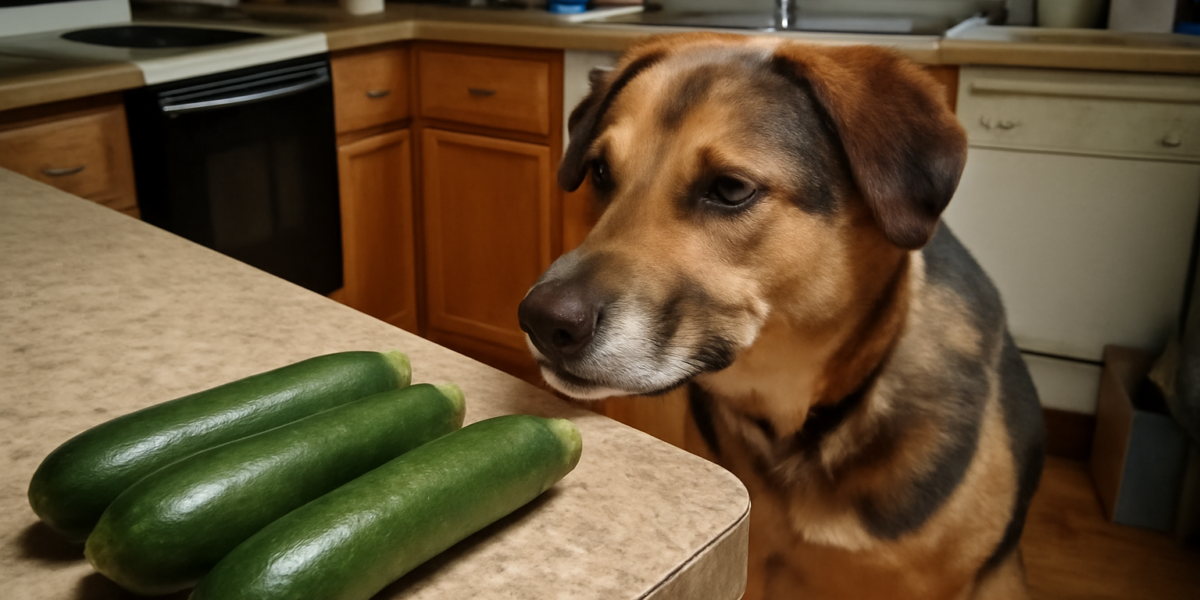
If you are looking for a healthy, low-calorie treat to share with your dog, zucchini is one of the best options available. This versatile summer squash is safe, nutritious, and well-tolerated by the vast majority of dogs. With fewer than 20 calories per cup, zucchini offers a guilt-free way to reward your dog during training, supplement their meals with extra nutrients, or simply let them enjoy a crunchy snack. Whether served raw or cooked, zucchini is a straightforward addition to your dog’s treat rotation that requires minimal preparation and carries very few risks.
Quick Answer: Yes, dogs can eat zucchini. It is completely safe for dogs whether served raw or cooked, and it is one of the lowest-calorie vegetables available. Zucchini provides vitamin C, vitamin K, potassium, manganese, and dietary fiber. Serve it plain — no butter, oil, garlic, onion, or seasonings. Cut it into bite-sized pieces appropriate for your dog’s size to prevent choking. The skin, flesh, and seeds of zucchini are all safe for dogs to consume.
Is Zucchini Safe for Dogs?
Zucchini (Cucurbita pepo) is entirely safe for dogs. It is non-toxic, does not appear on any veterinary lists of foods hazardous to canines, and is actually used as a filler ingredient in some weight-management dog food formulations. The American Kennel Club and multiple veterinary organizations list zucchini among the safest vegetables for dogs.
All parts of the zucchini that are typically eaten by humans are safe for dogs as well. The skin is safe and contains the highest concentration of certain nutrients, particularly fiber and antioxidants. The flesh is soft, mild, and easy to digest. The seeds inside a zucchini are small, soft, and completely harmless — unlike some other squash varieties that produce large, hard seeds.
Dogs can eat zucchini raw or cooked. Raw zucchini has a pleasant crunch that many dogs enjoy, and it retains its full nutritional value. Cooked zucchini is softer and may be easier for senior dogs, puppies, or dogs with dental issues to eat. Both preparations are equally safe.
There is one important caution related to zucchini plants rather than the vegetable itself. Occasionally, zucchini and other cucurbits can develop abnormally high levels of cucurbitacins — naturally occurring bitter compounds that serve as the plant’s defense mechanism. If a zucchini tastes extremely bitter (far beyond the mild, almost neutral flavor of normal zucchini), it should not be fed to your dog or eaten by humans. Cucurbitacin toxicity is rare but can cause severe gastrointestinal distress. This phenomenon is more common in wild or ornamental squash varieties and in zucchini grown near cross-pollinating wild cucurbits. Commercial store-bought zucchini has been bred to contain negligible cucurbitacin levels and is virtually always safe.
The only scenarios in which zucchini could be harmful involve preparation methods: zucchini bread, fried zucchini, zucchini cooked with garlic and onion, or zucchini prepared with butter and heavy seasoning. These preparations introduce ingredients that are unhealthy or toxic for dogs. Always serve zucchini plain.
Nutritional Profile of Zucchini
Zucchini is a low-calorie, nutrient-dense vegetable that packs a surprising variety of vitamins and minerals. One cup (approximately 124 grams) of raw, sliced zucchini contains:
- Calories: 17
- Protein: 1.2 grams
- Fat: 0.3 grams
- Carbohydrates: 3.1 grams
- Fiber: 1.0 grams
- Sugar: 2.5 grams
- Vitamin C: 17.9 mg
- Vitamin K: 4.3 mcg
- Vitamin A: 200 IU
- Vitamin B6: 0.2 mg
- Folate: 29 mcg
- Manganese: 0.2 mg
- Potassium: 261 mg
- Magnesium: 17 mg
- Phosphorus: 38 mg
- Riboflavin (B2): 0.09 mg
The standout characteristic of zucchini is its incredibly low calorie count. At just 17 calories per cup, it is one of the most calorie-sparse vegetables in existence. This is primarily because zucchini is composed of approximately 95 percent water, which also makes it mildly hydrating.
The vitamin C content is noteworthy. While dogs can synthesize their own vitamin C, supplemental sources can provide additional antioxidant protection, particularly for older dogs, dogs under stress, or dogs recovering from illness. Vitamin K supports blood clotting and bone metabolism. The potassium content contributes to healthy muscle function, nerve signaling, and fluid balance.
Zucchini also contains several antioxidant compounds including lutein, zeaxanthin, and beta-carotene. Lutein and zeaxanthin are carotenoids that are concentrated in the eyes and may help protect against age-related eye conditions. The skin of zucchini, particularly darker-skinned varieties, contains the highest concentration of these antioxidants.
Health Benefits of Zucchini for Dogs
Zucchini offers a practical set of health benefits that make it a valuable addition to your dog’s treat options:
- Weight management: This is zucchini’s greatest strength as a dog treat. At only 17 calories per cup, zucchini allows you to give your dog a satisfying, voluminous treat without meaningful caloric impact. For overweight dogs on restricted diets, zucchini can replace higher-calorie commercial treats during training and throughout the day. Some veterinarians recommend replacing a portion of kibble with steamed zucchini to reduce caloric intake while maintaining a feeling of fullness.
- Hydration support: With its 95 percent water content, zucchini contributes to your dog’s daily fluid intake. This can be particularly beneficial during hot weather, after exercise, or for dogs that do not drink as much water as they should.
- Digestive regularity: The moderate fiber content in zucchini supports healthy bowel movements. The combination of soluble and insoluble fiber helps maintain stool consistency without being high enough to cause gas or bloating in most dogs.
- Antioxidant protection: The vitamin C, vitamin A, lutein, zeaxanthin, and other antioxidant compounds in zucchini help protect cells from oxidative damage caused by free radicals. This is relevant for overall health maintenance and may be particularly important for senior dogs.
- Eye health: The carotenoids lutein and zeaxanthin found in zucchini accumulate in the retina and may help protect against oxidative damage to the eyes. While more research is needed in dogs specifically, these compounds are well-established as protective for eye health in multiple species.
- Blood sugar stability: Zucchini has a very low glycemic index due to its low carbohydrate content and high water and fiber proportion. It is one of the safest vegetable treats for diabetic dogs, as it has minimal impact on blood sugar levels.
- Dental benefits: Raw zucchini slices provide a mild crunching action that can help scrape some surface plaque from teeth. While it is not a substitute for proper dental care, it is a healthier alternative to many commercial dental chews that are high in calories.
Risks and Side Effects of Zucchini for Dogs
Zucchini is one of the lowest-risk foods you can offer your dog, but a few considerations are worth noting:
- Choking hazard: This is the primary risk associated with zucchini, and it is entirely preventable. Large chunks of raw zucchini can be a choking hazard, particularly for small dogs, puppies, or dogs that tend to swallow food without chewing. Always cut zucchini into pieces appropriate for your dog’s size — thin coins, small cubes, or grated for very small dogs.
- Digestive upset from overconsumption: While zucchini is gentle on the stomach, eating very large quantities can cause mild diarrhea or loose stools simply due to the water and fiber content. This is more likely if your dog is not accustomed to eating vegetables.
- Bitter zucchini toxicity: As mentioned, zucchini that tastes extremely bitter may contain elevated levels of cucurbitacins, which can cause nausea, vomiting, and diarrhea. This is rare in commercially grown zucchini but can occur with garden-grown squash that has cross-pollinated with wild or ornamental varieties. If you grow your own zucchini, taste a small piece before feeding it to your dog. If it is noticeably bitter, discard it.
- Unsafe preparations: Fried zucchini, zucchini bread, zucchini parmesan, and similar dishes contain oil, butter, flour, sugar, cheese, garlic, onion, or other ingredients that are unhealthy or harmful for dogs. Only plain zucchini is safe.
- Allergic reactions: Allergies to zucchini in dogs are extremely rare but theoretically possible. If your dog shows any signs of an allergic reaction — itching, hives, facial swelling, vomiting, or difficulty breathing — after eating zucchini for the first time, discontinue and contact your veterinarian.
- Pesticide residue: Conventional zucchini may carry pesticide residue on the skin. Wash zucchini thoroughly under running water and scrub the surface before serving. Organic zucchini reduces this concern.
How to Feed Zucchini to Your Dog Safely
Zucchini is one of the easiest vegetables to prepare for your dog. Here are the best methods:
Raw Zucchini
Wash the zucchini thoroughly. Cut off both ends. Slice into thin coins, small sticks, or dice into cubes appropriate for your dog’s size. For very small dogs, grate the zucchini and mix it into their food. Raw zucchini retains all of its nutrients and has a satisfying crunch that most dogs enjoy.
Cooked Zucchini
Steaming is the best cooking method, as it softens the zucchini while preserving the most nutrients. Steam sliced zucchini for 3 to 5 minutes until tender. You can also bake zucchini slices at 350 degrees Fahrenheit for 15 to 20 minutes or boil briefly, though boiling leaches more nutrients into the water. Do not sautee in oil or butter. Do not add any seasonings, salt, garlic, onion, or cheese. Let cooked zucchini cool completely before serving.
Frozen Zucchini
Slice zucchini into coins or sticks and freeze them on a baking sheet before transferring to a freezer bag. Frozen zucchini pieces make a refreshing warm-weather treat. Be cautious with very hard frozen pieces for small dogs — let them thaw slightly if needed.
Recommended serving sizes:
- Small dogs (under 20 lbs): 1 to 3 tablespoons of chopped zucchini per day
- Medium dogs (20–50 lbs): 1/4 to 1/2 cup of chopped zucchini per day
- Large dogs (50 lbs and over): 1/2 to 1 cup of chopped zucchini per day
Because zucchini is so low in calories, it can be fed more generously than most other supplemental foods. Even so, the standard rule applies: treats and supplemental foods should not exceed 10 percent of your dog’s total daily caloric intake. Given zucchini’s minimal calorie count, reaching that threshold with zucchini alone would be difficult for most dogs.
Signs of Problems After Eating Zucchini
Adverse reactions to plain zucchini are very uncommon. However, if your dog experiences any of the following, take note:
- Loose stools or mild diarrhea: Usually caused by eating a larger amount than the dog is accustomed to. Reduce the portion and reintroduce gradually. This typically resolves on its own within 24 hours.
- Vomiting: Rare with plain zucchini. If it occurs, it may indicate the zucchini was bitter (cucurbitacin contamination) or the dog has an individual sensitivity. Discontinue and monitor.
- Choking or gagging: This is a preparation issue, not a food issue. If your dog chokes on a piece of zucchini, cut future pieces smaller or switch to grated zucchini mixed into food.
- Refusal to eat: Some dogs simply do not like the taste or texture of zucchini, and that is perfectly fine. Do not force the issue — there are many other safe vegetable options available.
- Severe vomiting, drooling, or diarrhea: If your dog develops severe symptoms after eating garden-grown zucchini, cucurbitacin toxicity may be involved. While this is rare, it can cause significant gastrointestinal distress. Contact your veterinarian if symptoms are severe or do not improve within a few hours.
Alternatives to Zucchini for Dogs
If your dog does not take to zucchini, or you want to offer a variety of healthy vegetables, these alternatives share similar nutritional profiles:
- Cucumber: Even lower in calories than zucchini and with a higher water content, cucumber is an excellent hydrating treat. It has a milder flavor and satisfying crunch that many dogs enjoy.
- Green beans: A veterinarian favorite for weight management in dogs. Green beans are low in calories, high in fiber, and a good source of vitamins C, K, and A. Serve plain — fresh, steamed, or frozen.
- Pumpkin: Higher in calories than zucchini but an outstanding source of fiber and beta-carotene. Plain cooked or canned pumpkin is excellent for digestive support.
- Turnips: A low-calorie root vegetable that provides fiber, vitamin C, and potassium. Cook before serving for easier digestion.
- Carrots: Slightly higher in sugar and calories than zucchini, but still a healthy option. Raw carrot sticks provide dental benefits from chewing, and cooked carrots are a good source of beta-carotene.
- Celery: Very low in calories and high in water content. Celery provides vitamins A, C, and K, and the crunchy texture can help freshen breath. Cut into small pieces to prevent choking on the fibrous strings.
Feeding your dog wholesome vegetables like zucchini is a simple way to support their health and happiness. If you are ready to share these healthy habits with a new companion, consider adopting a dog through Walk Me Home Rescue. Every rescue dog deserves nutritious meals and a caring home, and you could be the person who gives them that chance.
Frequently Asked Questions
Can dogs eat zucchini skin?
Yes, dogs can safely eat the skin of zucchini. The skin is actually the most nutrient-dense part of the vegetable, containing the highest concentrations of fiber, antioxidants (particularly lutein and zeaxanthin), and certain vitamins. The skin is thin and soft enough to be easily digestible for most dogs. The only precaution is to wash the zucchini thoroughly before serving to remove any dirt, bacteria, or pesticide residue. If your dog has a particularly sensitive stomach, you can peel the zucchini, but this is generally not necessary.
Is raw or cooked zucchini better for dogs?
Both raw and cooked zucchini are safe and nutritious for dogs. Raw zucchini retains all of its water-soluble vitamins (especially vitamin C) and has a satisfying crunch. Cooked zucchini is softer, easier to chew, and may be more digestible for dogs with sensitive stomachs, dental problems, or older dogs. Steaming is the preferred cooking method as it preserves the most nutrients. The best choice depends on your individual dog’s preferences and health needs. Many owners offer both forms for variety.
Can diabetic dogs eat zucchini?
Zucchini is an excellent treat choice for diabetic dogs. It has an extremely low glycemic index, minimal sugar content (only 2.5 grams per cup), and its high water and fiber content means it has virtually no impact on blood sugar levels. Many veterinarians specifically recommend low-calorie vegetables like zucchini for diabetic dogs who still need treats for training and enrichment. Of course, any dietary changes for a diabetic dog should be discussed with your veterinarian to ensure they fit within the overall diabetes management plan and insulin dosing schedule.
How much zucchini can my dog eat daily?
Due to its exceptionally low calorie count, dogs can generally eat more zucchini than most other supplemental foods. A reasonable daily guideline is up to 1 to 3 tablespoons for small dogs, about half a cup for medium dogs, and up to a full cup for large dogs. Even at these amounts, the caloric contribution is minimal. However, it is still wise to introduce zucchini gradually if your dog has not eaten it before, and to ensure that all treats combined do not exceed 10 percent of daily caloric intake. Monitor your dog’s digestion and stool quality when adding any new food to their routine.
Can puppies eat zucchini?
Yes, puppies can eat zucchini once they are eating solid food, typically from about eight weeks of age onward. Zucchini is gentle, easy to digest, and poses minimal risk for puppies. For young puppies, cooked or steamed zucchini is the better choice, as it is softer and easier to chew. Cut it into very small pieces or mash it to prevent choking. As with all supplemental foods for puppies, keep portions small — puppies should be getting the vast majority of their nutrition from a complete puppy food formulated for growth. A few small pieces of zucchini as an occasional treat is perfectly appropriate.
Can dogs eat yellow squash instead of zucchini?
Yes, yellow summer squash (also known as yellow zucchini or straightneck squash) is equally safe for dogs and has a very similar nutritional profile. Both zucchini and yellow squash belong to the same species (Cucurbita pepo) and share nearly identical calorie counts, fiber content, and vitamin profiles. The main difference is color — yellow squash gets its hue from slightly different carotenoid pigments. You can use green zucchini and yellow squash interchangeably as dog treats. The same preparation guidelines apply: wash thoroughly, cut to appropriate size, serve plain without seasonings, and introduce gradually.


