
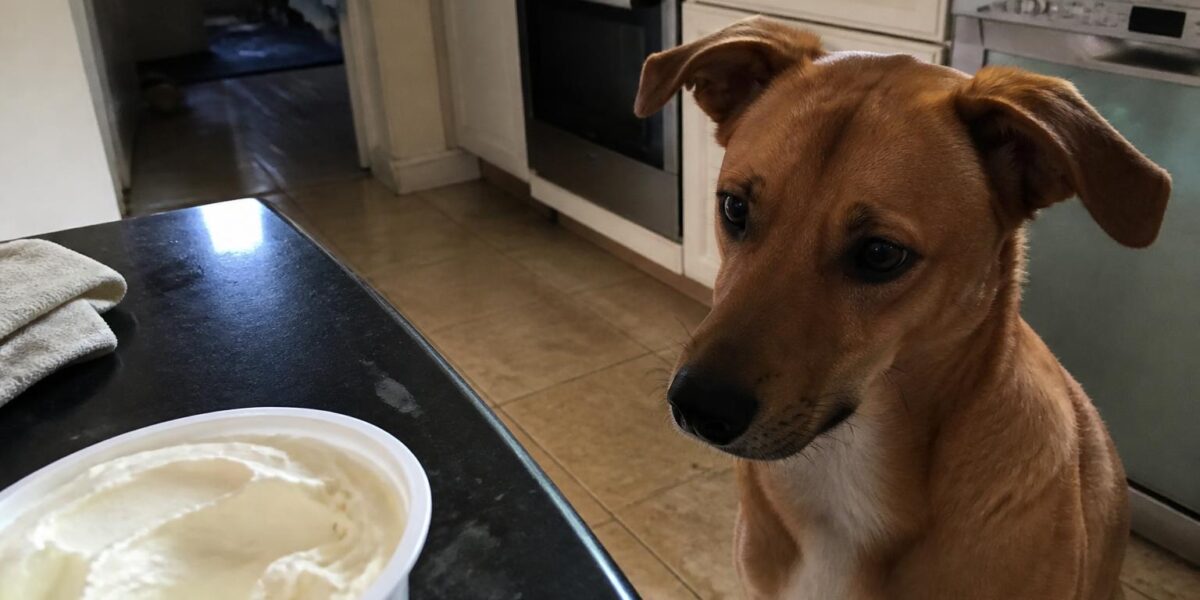
Can Dogs Eat Mascarpone? The Short Answer
Can dogs eat mascarpone? Only a tiny taste, and only rarely. Mascarpone is not toxic to dogs, but it is an extremely rich, high-fat Italian cream cheese, which makes it one of the least suitable dairy treats to share. A small lick is unlikely to harm a healthy dog, but mascarpone should never be a regular treat.
In this article
Because it is so fatty, even a modest amount can upset a dog’s stomach, and larger portions carry a real risk of triggering pancreatitis. If your dog enjoys creamy treats, there are much better choices than mascarpone.
Mascarpone sits at the far rich end of the cheese spectrum, closer to whipped cream than to a firm snacking cheese. That richness is wonderful in human desserts but is exactly what makes it a poor fit for dogs. Understanding why helps you steer toward gentler options without feeling like your dog is missing out.
Why Mascarpone Is So Rich
Mascarpone is made from cream, which makes it far higher in fat than most cheeses. It is buttery, dense, and calorie-packed, the very qualities that make it delicious in desserts like tiramisu but problematic for dogs.
All that fat means even a small serving delivers a lot of calories and can be hard for a dog to digest. For dogs that are overweight, diabetic, or sensitive to fatty foods, mascarpone is best avoided completely.
Unlike aged cheeses that lose some moisture and lactose over time, mascarpone is a fresh cheese with all its cream and milk sugar intact. There is no version of it that is meaningfully lower in fat, which is why moderation here means little more than the occasional lick rather than a measured treat.
The Pancreatitis and Lactose Risks
The biggest concern with mascarpone is pancreatitis, a painful inflammation of the pancreas that can be triggered by high-fat foods. Some dogs are especially prone, and a rich, fatty treat can be enough to set off an episode. This is the main reason mascarpone is not recommended.
Lactose is the second issue. Mascarpone contains milk sugar, and many adult dogs are lactose intolerant, which can lead to gas, bloating, and diarrhea. Between the fat and the lactose, mascarpone is simply hard on a dog’s digestive system.
Pancreatitis is not a minor stomach ache. It can become a serious, even life-threatening condition that may require hospitalization, and once a dog has had it, they are often prone to flare-ups. Avoiding triggers like mascarpone is a simple, sensible way to protect dogs who are vulnerable to it.
If You Do Share a Tiny Taste
If your dog manages to sneak a lick, or you want to offer the smallest taste on a special occasion, keep it tiny and infrequent, well within the 10 percent of daily calories rule for treats.
To keep it as safe as possible:
- Offer only a small lick of plain mascarpone, never a sweetened dessert version.
- Never give mascarpone from a dish containing chocolate, coffee, or xylitol, all of which are toxic to dogs.
- Watch your dog closely afterward for any digestive reaction.
- Skip it entirely for overweight, diabetic, or pancreatitis-prone dogs.
Desserts made with mascarpone are particularly dangerous, since tiramisu and similar treats combine the cheese with coffee, chocolate, sugar, and sometimes alcohol. These are far more hazardous than the plain cheese, so keep mascarpone-based desserts completely out of reach.
If your dog has shown sensitivity to fatty foods in the past, the kindest choice is to skip mascarpone entirely and reach for something lighter. There is no nutritional reason your dog needs it, so there is no real loss in leaving it off the menu.
Symptoms of Trouble to Watch For
After eating mascarpone, your dog may show mild digestive upset such as vomiting, diarrhea, or gas. This is usually short-lived once the rich food has passed through, and offering a bland diet and fresh water for a day often helps.
The more serious worry is pancreatitis. Warning signs include repeated vomiting, a hunched posture or painful belly, lethargy, loss of appetite, and diarrhea. If you see these symptoms after your dog eats a fatty food like mascarpone, contact your veterinarian promptly, as pancreatitis can become serious without treatment.
Do not try to ride out symptoms that include a painful abdomen or repeated vomiting, since early veterinary care makes a real difference in how a pancreatitis episode unfolds. When in doubt after a rich, fatty indulgence, it is always better to call your vet for advice.
It helps to note how much your dog ate and when, especially if they got into a mascarpone-based dessert that might also contain chocolate, coffee, or xylitol. That information lets your veterinarian judge the situation quickly and decide whether your dog needs to be seen. With rich and potentially layered hazards like these, a prompt phone call is always the safest first step.
Which Dogs Should Never Have Mascarpone
While a single tiny lick is unlikely to harm a healthy dog, some dogs should never be given mascarpone at all. Knowing which dogs fall into that group helps you make a firm, confident decision rather than weighing it each time.
Dogs who should completely avoid mascarpone include those who are overweight or obese, since the cream-based fat adds a heavy load of calories. Any dog with a history of pancreatitis should also steer well clear, as a fatty food like this is a classic trigger for a flare-up. Diabetic dogs and those with known dairy intolerance round out the list of dogs better off without it.
For these dogs, the safest and kindest approach is to keep mascarpone and mascarpone-based desserts entirely out of reach, and to make sure family members and guests know not to share. Because mascarpone offers no nutritional benefit your dog needs, leaving it off the menu costs them nothing. When you are unsure whether a rich food is appropriate for your individual dog, your veterinarian is always the best person to ask.
Lower-Fat Cheese Alternatives
If your dog loves creamy treats, there are gentler options than mascarpone. Our guides to cream cheese and cottage cheese cover lighter choices, and plain cheese in general is fine in small amounts. Among the in-batch cheeses, mozzarella is far lower in fat.
For the safest treat experience, choose plain, low-fat options and keep portions small. If you are ever unsure whether a rich food is appropriate, especially for a rescue dog with an unknown health history, your veterinarian can help you make the right call.
The reassuring part is that your dog will not feel deprived by skipping mascarpone. Dogs respond to the joy of getting a treat far more than to its particular richness, so a small spoon of cottage cheese or a tiny piece of mozzarella delivers the same happy moment with none of the digestive risk. Swapping in a lighter cheese is an easy win.
If mascarpone is a regular feature in your kitchen, the simplest safeguard is to keep it and any desserts made with it well out of your dog’s reach. Counters, fridges left ajar, and dessert plates on the coffee table are all common opportunities for a determined dog. A little tidiness around rich foods protects your dog from a treat that was never meant for them.
Frequently Asked Questions
Is mascarpone toxic to dogs?
No, plain mascarpone is not toxic, but it is very high in fat. That makes it a poor treat choice and a risk for pancreatitis if eaten in more than a tiny amount.
Can dogs eat tiramisu or mascarpone desserts?
No. These often contain chocolate, coffee, sugar, and sometimes xylitol, all of which are harmful or toxic to dogs. Keep mascarpone desserts well out of reach.
How much mascarpone can a dog have?
At most a tiny lick, and only rarely. Because of the high fat content, it is best to skip mascarpone altogether and choose a lower-fat cheese instead.
What are the signs of pancreatitis in dogs?
Watch for repeated vomiting, a painful or hunched belly, lethargy, loss of appetite, and diarrhea. Contact your veterinarian promptly if these appear after a fatty food.
Is mascarpone worse than other cheeses for dogs?
In terms of fat content, yes. Mascarpone is made from cream and is richer than most snacking cheeses, so lower-fat options like cottage cheese or mozzarella are far better choices. For a healthy dog, one tiny lick is unlikely to cause harm, but the real risk comes from larger amounts or from dogs prone to pancreatitis, so keep it rare and small.


