
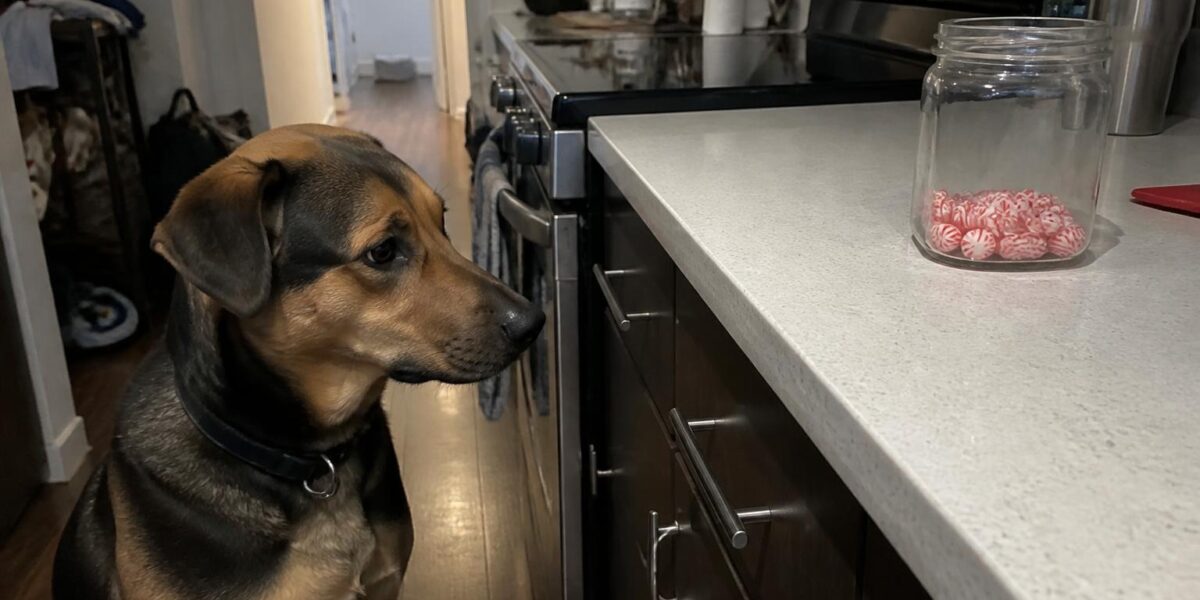
Can Dogs Eat Peppermint? The Short Answer
Can dogs eat peppermint? It depends entirely on the form. A tiny amount of fresh peppermint leaf is generally safe for most dogs, but concentrated peppermint essential oil is toxic and must be avoided. Peppermint candies and gum are also off-limits, often because of sugar and the toxic sweetener xylitol.
In this article
- Can Dogs Eat Peppermint? The Short Answer
- Fresh Peppermint Leaf: Fine in Small Amounts
- Peppermint Essential Oil: Toxic to Dogs
- Candies, Gum, and the Xylitol Danger
- Safe Serving and Symptoms to Watch For
- Peppermint Products to Keep Out of Reach
- Other Herbs and Fresh Treats for Dogs
- Frequently Asked Questions
So the answer is nuanced. Think “safe in moderation” for a small bit of the fresh herb, and “avoid completely” for peppermint oil, extracts, candies, and gum. Knowing the difference is what keeps your dog safe.
This is a food where the word covers very different things. The mild fresh herb and the concentrated essential oil are worlds apart in how they affect a dog, so it pays to be specific about exactly which form of peppermint you are dealing with before sharing anything.
Fresh Peppermint Leaf: Fine in Small Amounts
The fresh leaf is the safe form. A small amount of chopped fresh peppermint can be offered to dogs and is sometimes used to help freshen breath or settle a mildly upset stomach. It contains trace vitamins and antioxidants, though the amounts are minor.
That said, peppermint is potent, and too much can actually cause the very stomach upset some people hope it will cure. A leaf or two finely chopped and sprinkled over food is plenty. There is no need to make peppermint a regular part of your dog’s diet.
If you grow peppermint in the garden, be aware that a dog with access to a whole plant might nibble far more than a safe amount, which can lead to digestive upset. It is better to offer a small, measured pinch yourself than to let your dog graze freely on the herb.
Peppermint Essential Oil: Toxic to Dogs
This is the most important warning. Concentrated peppermint essential oil is toxic to dogs and should never be given to them or applied to their skin or fur. Essential oils are highly concentrated, and dogs are far more sensitive to them than people.
Ingesting peppermint oil, or absorbing it through the skin or by licking it off their coat, can cause vomiting, drooling, lethargy, difficulty breathing, and in serious cases liver problems or nervous system effects. Diffusing peppermint oil in the home can also bother dogs with respiratory sensitivities. Keep all essential oils, diffusers, and oil-based products well away from your dog.
Be cautious too with so-called natural flea or pest products that contain peppermint oil, as well as homemade remedies that suggest applying it to a dog’s coat. These can cause real harm, and you should always consult your veterinarian before using any essential-oil product on or around your dog.
Candies, Gum, and the Xylitol Danger
Peppermint candies, mints, and chewing gum are not safe treats for dogs. Beyond the sugar, which causes weight gain and dental problems, many sugar-free mints and gums contain xylitol.
Xylitol is extremely toxic to dogs. Even small amounts can cause a dangerous drop in blood sugar and liver failure, and it acts fast. Never share a breath mint or a stick of gum with your dog, and store these products somewhere your dog cannot reach. If your dog eats anything containing xylitol, treat it as an emergency.
Purses, coat pockets, and bedside tables are common places where gum and mints get left within a dog’s reach. Because xylitol poisoning can be life-threatening, it is worth being especially careful about where you stash these everyday items in a home with a curious dog.
Safe Serving and Symptoms to Watch For
If you want to offer peppermint, stick to the fresh leaf only, in tiny amounts, within the 10 percent of daily calories rule for extras. Chop a small amount finely and mix it into food rather than offering whole sprigs.
Even with the fresh herb, too much can cause vomiting, diarrhea, or general stomach upset. With peppermint oil or xylitol-containing products, the symptoms are more serious and can include drooling, weakness, wobbliness, difficulty breathing, collapse, or seizures. If you suspect your dog has ingested peppermint oil or xylitol, contact your veterinarian or an emergency clinic immediately. For ongoing questions about herbs, your vet can advise what is appropriate for your dog.
When it comes to the toxic forms, do not wait for symptoms to appear before seeking help, since both essential oils and xylitol can progress quickly. A prompt call to your vet or a poison helpline gives your dog the best possible chance.
If you do need to call, have the product and a rough sense of how much your dog ate ready to share, and keep the packaging on hand so you can read the ingredients aloud. That detail helps your veterinarian judge how serious the situation is and how urgently your dog needs to be seen. With xylitol and essential oils in particular, those few minutes of clear information can matter a great deal.
Peppermint Products to Keep Out of Reach
Because the toxic forms of peppermint are so common in everyday households, it helps to know exactly which products to keep well away from your dog. Many of them are things we use or carry without a second thought.
Keep the following firmly out of your dog’s reach:
- Sugar-free mints and chewing gum, which often contain highly toxic xylitol.
- Peppermint essential oil and diffuser blends, which are toxic and can harm through skin contact or ingestion.
- Peppermint extract and baking flavorings, which are highly concentrated.
- Peppermint candies and candy canes, which are loaded with sugar.
- Topical balms and chest rubs containing peppermint or menthol.
Common hiding spots like coat pockets, handbags, nightstands, and bathroom cabinets are exactly where these items tend to sit within a curious dog’s reach. Taking a moment to store gum, mints, and essential oils securely is a simple habit that prevents a frightening emergency. If you use essential oils at home, keep diffusers in rooms your dog cannot access, and never apply oils to your dog without veterinary guidance.
Other Herbs and Fresh Treats for Dogs
If your dog enjoys herbs, several fresh ones are safe in small amounts. Our guides to mint for dogs, basil, and parsley cover other gentle, breath-freshening options. Like peppermint, the fresh-leaf form is the only safe version, and a little goes a long way.
Always introduce any new herb slowly and in tiny amounts, and remember the firm line between the fresh leaf and concentrated oils or candies. When in doubt about herbs or supplements, your veterinarian is the best resource for keeping your rescue dog safe and comfortable.
The single most useful idea to carry away is that “peppermint” is not one thing to a dog. The mild fresh leaf, offered as a tiny finely chopped pinch, is a low-risk treat. The concentrated essential oil, the extract, and the xylitol-laced candies and gums are a completely different and genuinely dangerous category that should never reach your dog.
Once you hold that distinction clearly, the rest is easy. You can sprinkle a little fresh peppermint over your dog’s food now and then without worry, while storing oils, mints, and gum securely out of reach. That simple mental separation protects your dog from the real hazards without robbing them of a harmless herbal treat.
And for anything you are unsure about, your veterinarian remains the best guide. Whether the question is about freshening breath, soothing a stomach, or using a product that contains peppermint, a quick check with your vet ensures you are choosing the safest path for your particular dog.
Frequently Asked Questions
Is peppermint safe for dogs?
A small amount of fresh peppermint leaf is generally safe, but concentrated peppermint essential oil is toxic, and candies or gum can contain harmful xylitol. The form matters greatly.
Is peppermint essential oil toxic to dogs?
Yes. Peppermint essential oil is toxic to dogs whether ingested or applied to the skin, and it can cause vomiting, lethargy, breathing trouble, and liver problems. Keep it well away.
Can dogs eat peppermint candy?
No. Peppermint candies and gum contain sugar and often xylitol, which is highly toxic to dogs. Never share mints or gum with your dog.
What should I do if my dog ate something with peppermint oil or xylitol?
Treat it as an emergency and contact your veterinarian or an emergency clinic right away. Both can be serious, and prompt treatment gives the best outcome.
Can peppermint help freshen my dog’s breath?
A tiny amount of fresh peppermint leaf may help slightly, but it is not a substitute for dental care. For lasting fresh breath, talk to your vet about proper tooth brushing and dental health.


