
Last updated: April 1, 2026
In this article
Can Dogs Eat Pita Bread? What Every Dog Owner Should Know
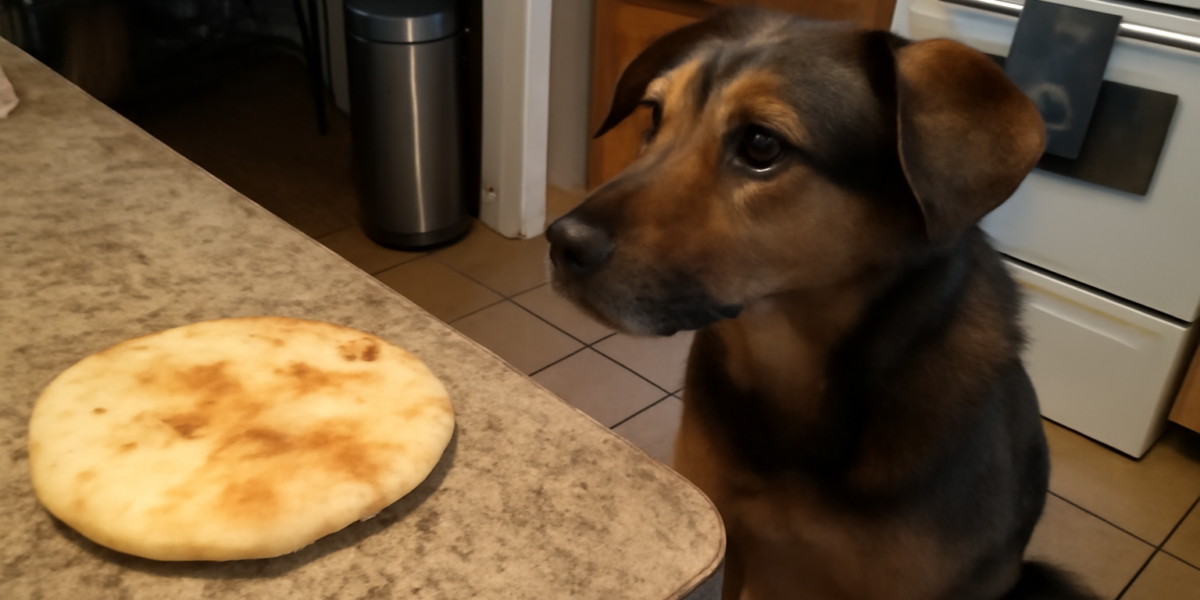
Pita bread is a staple in many kitchens around the world, and if you enjoy it regularly, there’s a good chance your dog has shown interest in snagging a piece. Whether it’s a warm pita fresh from the oven or a leftover piece from last night’s dinner, the question naturally arises: can dogs eat pita bread? The answer is generally yes, but with several important considerations that every responsible pet parent should understand.
Plain pita bread is not toxic to dogs, and a small piece here and there is unlikely to cause harm. However, pita bread offers very little nutritional value for dogs and can introduce potential issues depending on the ingredients, your dog’s health status, and how much they consume. In this article, we’ll break down everything you need to know about sharing pita bread with your canine companion, from safety considerations to smarter alternatives.
Is Pita Bread Safe for Dogs?
Plain pita bread made with basic ingredients like flour, water, yeast, salt, and a small amount of oil is generally safe for dogs in moderation. The core ingredients in traditional pita bread are not toxic to dogs, and an occasional small piece shouldn’t cause any problems for most healthy adult dogs.
However, the safety equation changes depending on the specific pita bread you’re considering. Many commercial pita breads and flavored varieties contain additional ingredients that could be problematic or even dangerous for dogs. Here are some ingredients to watch out for.
Garlic and onion: Some pita breads, especially flavored varieties like garlic pita or onion pita, contain garlic powder, onion powder, or fresh garlic and onion. Both garlic and onion belong to the allium family and are toxic to dogs. Even small amounts consumed regularly can damage red blood cells and lead to a condition called hemolytic anemia. Always check the ingredient list and never share garlic or onion-flavored pita with your dog.
Xylitol: Some commercial bread products, including pita bread, may contain xylitol, an artificial sweetener that is extremely toxic to dogs. Even tiny amounts of xylitol can cause a rapid and dangerous drop in blood sugar (hypoglycemia) and can lead to liver failure. Always read labels carefully for xylitol or “birch sugar.”
Raisins or other toxic mix-ins: Specialty pita breads may contain raisins, certain nuts, or other ingredients that are toxic to dogs. Raisins and grapes are particularly dangerous and can cause acute kidney failure in dogs.
Excessive salt: While a small amount of salt is not harmful, heavily salted pita bread can contribute to sodium ion poisoning in dogs, especially smaller breeds. Symptoms include vomiting, diarrhea, tremors, and in severe cases, seizures.
For more information about dogs and bread products in general, check out our guide on whether dogs can eat bread, which covers safety considerations that apply across many types of bread.
Nutritional Value of Pita Bread for Dogs
While pita bread won’t harm your dog in small amounts, it’s important to understand that it doesn’t offer much nutritional benefit either. Let’s look at what a typical piece of white pita bread contains and what that means for your dog.
A standard white pita bread (about 60 grams) contains roughly 165 calories, 33 grams of carbohydrates, 5.5 grams of protein, 0.7 grams of fat, and 1.3 grams of fiber. It also provides small amounts of iron, B vitamins, and selenium.
Carbohydrates: The majority of pita bread’s calories come from carbohydrates, primarily refined starches. While dogs can digest carbohydrates, they don’t need them in large quantities. Excessive carbohydrate intake can contribute to weight gain, blood sugar fluctuations, and other metabolic issues over time.
Protein: Pita bread contains a modest amount of protein from wheat gluten, but this is not a high-quality protein source for dogs. Dogs thrive on animal-based proteins, which provide a more complete amino acid profile than plant-based sources.
Fiber: The fiber content in white pita bread is relatively low. Whole wheat pita bread contains more fiber, which can support digestive health, but there are far better fiber sources for dogs, such as vegetables like pumpkin or sweet potato.
Vitamins and minerals: Pita bread provides small amounts of certain nutrients, but not in quantities that would significantly contribute to your dog’s daily nutritional needs. Your dog’s complete and balanced commercial diet should already provide all the essential vitamins and minerals they need.
The bottom line is that pita bread is essentially “empty calories” for dogs. It fills them up without providing meaningful nutrition. This doesn’t make it dangerous, but it does mean it should be treated as an occasional indulgence rather than a regular treat. Dogs with grain sensitivities might do better with alternative treats altogether. For dogs with potential food allergies, grains like wheat may be a trigger worth discussing with your veterinarian.
How to Safely Share Pita Bread with Your Dog
If you’ve decided to share a bit of pita bread with your dog, here’s how to do it safely and responsibly.
Choose plain pita bread: Always select plain, unflavored pita bread with a simple ingredient list. Avoid any variety that contains garlic, onion, raisins, nuts, xylitol, or excessive salt. The simpler the ingredient list, the safer it is for your dog.
Keep portions small: A small piece of pita bread is more than enough for most dogs. For small dogs, a piece no larger than a postage stamp is appropriate. Medium dogs can have a piece about the size of a credit card, and large dogs can enjoy a piece roughly the size of a quarter of a pita round. Remember, pita bread should be a rare treat, not a dietary staple.
Tear into small, manageable pieces: Don’t hand your dog an entire pita bread or a large chunk. Tear it into small pieces to prevent choking, especially for smaller breeds or dogs that tend to gulp their food without chewing. Pita bread can become gummy when chewed, which increases the choking risk if pieces are too large.
Skip the toppings and fillings: While you might enjoy your pita with hummus, tzatziki, or other dips and fillings, these additions are not appropriate for your dog. Hummus often contains garlic and lemon juice, tzatziki contains garlic and dairy, and many other common pita accompaniments include ingredients that can upset your dog’s stomach or worse. Share only the plain bread portion.
Avoid raw pita dough: This is crucial. Never let your dog eat raw bread dough of any kind, including pita dough. Raw yeast dough is genuinely dangerous for dogs. When a dog ingests raw dough, the warm, moist environment of their stomach causes the yeast to continue fermenting and the dough to expand. This can lead to painful bloating, gastric dilation, and even a life-threatening condition called gastric dilatation-volvulus (GDV). Additionally, the fermentation process produces ethanol (alcohol), which can cause alcohol poisoning in dogs. If your dog eats raw bread dough, contact your veterinarian or an emergency animal hospital immediately.
If you’re looking for grain-based foods that might be slightly more nutritious for your dog, you may want to explore whether dogs can eat rice, which is often gentler on the stomach and easier to digest.
Risks of Feeding Pita Bread to Dogs
While plain pita bread is not dangerous in small amounts, there are several risks associated with making it a regular part of your dog’s diet or feeding too much at once.
Weight gain: This is perhaps the most significant long-term risk. Pita bread is calorie-dense relative to its nutritional value. A single pita round contains about 165 calories, which is a significant portion of a small dog’s daily caloric needs. For a 10-pound dog that needs roughly 200 to 275 calories per day, even half a pita bread represents a substantial caloric addition. Regular pita bread consumption can quickly contribute to weight gain, which in turn increases the risk of joint problems, heart disease, diabetes, and a shortened lifespan.
Wheat and gluten sensitivity: Some dogs have sensitivities or allergies to wheat and gluten, the primary protein in pita bread. Symptoms of wheat or gluten sensitivity in dogs include itchy skin, chronic ear infections, excessive paw licking, digestive issues like gas and loose stools, and chronic inflammation. If your dog has been diagnosed with a wheat or gluten sensitivity, pita bread should be completely avoided.
Digestive upset: Dogs that aren’t accustomed to eating bread products may experience temporary digestive upset after consuming pita bread. The refined carbohydrates and gluten can cause gas, bloating, loose stools, or mild stomach discomfort in sensitive individuals. Dogs with existing gastrointestinal conditions like irritable bowel syndrome (IBS) or inflammatory bowel disease (IBD) may be particularly susceptible.
Dental health concerns: Bread products, including pita bread, can stick to your dog’s teeth and gums, promoting the growth of bacteria that contribute to plaque buildup, tartar formation, and eventual dental disease. While an occasional piece isn’t going to ruin your dog’s dental health, regular consumption could contribute to problems over time.
Blood sugar spikes: The refined carbohydrates in white pita bread cause a rapid rise in blood sugar levels. For healthy dogs, this is typically not a major concern. However, for dogs with diabetes or insulin resistance, even occasional blood sugar spikes can complicate their condition and make management more difficult.
Nutrient displacement: When dogs fill up on calorie-dense but nutritionally poor foods like pita bread, they may eat less of their complete and balanced dog food. Over time, this can lead to nutritional deficiencies, particularly if bread treats become a frequent occurrence.
Healthier Alternatives to Pita Bread
If you enjoy sharing snacks with your dog but want to choose options that actually provide nutritional benefits, here are some alternatives to pita bread that your dog is likely to enjoy just as much.
Fresh vegetables: Carrot sticks, green beans, cucumber slices, and small pieces of cooked sweet potato are all excellent low-calorie treats that provide vitamins, minerals, and fiber. Most dogs enjoy the crunch of raw carrots, and they’re much better for dental health than bread products.
Fresh fruits: Small pieces of apple (without seeds), blueberries, watermelon (without seeds and rind), and banana are naturally sweet treats that dogs tend to love. They provide antioxidants, vitamins, and hydration without the empty calories of bread.
Cooked plain rice: If your dog enjoys grains, a small amount of plain cooked white or brown rice is a gentler, more digestible option than bread. Rice is commonly used in bland diets for dogs with upset stomachs and provides simple energy without the additives found in many bread products.
Commercial dog treats: High-quality dog treats are formulated specifically for canine nutritional needs and come in a wide variety of flavors and textures. Look for treats with short, recognizable ingredient lists and appropriate calorie counts for your dog’s size.
Lean cooked meats: Small pieces of plain cooked chicken, turkey, or lean beef are high-value treats that most dogs find irresistible. They provide quality protein and are far more nutritionally appropriate than bread products.
When to Call the Veterinarian
In most situations, a dog that has eaten a small amount of plain pita bread will be perfectly fine. However, there are specific scenarios that warrant veterinary attention.
Contact your veterinarian immediately if your dog has eaten raw bread dough. As mentioned earlier, raw yeast dough can expand in the stomach and produce alcohol through fermentation, both of which are medical emergencies. Symptoms include distended abdomen, unproductive retching, weakness, disorientation, and collapse.
Call your vet if your dog ate pita bread containing garlic, onion, raisins, xylitol, or other toxic ingredients. Time is critical with toxin ingestion, and your veterinarian may recommend inducing vomiting or other interventions depending on the substance and amount consumed.
Seek veterinary advice if your dog consumed a large quantity of pita bread, particularly if they are a small breed. Large amounts of bread can cause bloating, stomach distension, and in rare cases, contribute to gastric dilation. Watch for signs of distress including a visibly swollen abdomen, panting, pacing, drooling, or unsuccessful attempts to vomit.
Contact your vet if your dog shows signs of an allergic reaction after eating pita bread, such as hives, facial swelling, excessive itching, vomiting, or difficulty breathing. Wheat allergies are not common in dogs but do occur, and allergic reactions can escalate if not treated.
Reach out to your veterinarian if digestive symptoms like vomiting, diarrhea, or loss of appetite persist for more than 24 hours after your dog ate pita bread. While mild, temporary digestive upset is not unusual, prolonged symptoms suggest something more than simple dietary indiscretion.
Frequently Asked Questions
Can dogs eat whole wheat pita bread?
Whole wheat pita bread is generally safe for dogs in the same way that regular white pita bread is, with the same caveats about moderation and ingredient checking. Whole wheat pita does offer slightly more fiber, vitamins, and minerals compared to its white counterpart, which makes it a marginally better nutritional choice. However, the differences are not significant enough to make whole wheat pita a “healthy” treat for dogs. It still provides mostly empty calories and should be offered only in small amounts as an occasional treat. Dogs with wheat or gluten sensitivities should avoid whole wheat pita bread just as they should avoid white pita bread, since both contain wheat and gluten.
Is pita bread better for dogs than regular bread?
Nutritionally, pita bread and regular sliced bread are very similar for dogs. Both are made primarily from flour, water, yeast, and salt, and both provide mostly carbohydrates with limited nutritional benefit for canines. Pita bread tends to be thinner than a standard bread slice, which might mean a smaller portion if you share a piece, but the per-weight nutritional profile is comparable. The most important factor with any bread product is the ingredient list rather than the type of bread. A plain white bread slice with simple ingredients is just as safe as a plain pita round. Neither should be considered a regular treat for your dog, regardless of the specific type.
My dog ate a whole pita bread. Should I be worried?
If your dog ate a whole plain pita bread, the level of concern depends on your dog’s size and the pita’s ingredients. For a large dog, a single pita bread is unlikely to cause more than mild digestive upset, possibly some gas, soft stools, or temporary decreased appetite. For a small dog, a whole pita represents a more significant dietary disruption and may cause more noticeable digestive symptoms. In either case, make sure fresh water is available, watch for signs of bloating or distress, and monitor their stools over the next 24 hours. If the pita contained toxic ingredients like garlic, onion, or xylitol, contact your veterinarian immediately regardless of your dog’s size. If symptoms like vomiting, severe diarrhea, or abdominal distension develop, seek veterinary care.
Can puppies eat pita bread?
While pita bread is not toxic to puppies, it’s best to avoid offering it to them. Puppies have developing digestive systems that are more sensitive than adult dogs, and they have very specific nutritional needs during their growth period. The empty calories from pita bread can displace the nutrient-dense puppy food they need for proper development of bones, muscles, organs, and immune function. Additionally, puppies are more likely to experience digestive upset from foods outside their regular diet. If you want to give your puppy treats, stick to small pieces of puppy-appropriate commercial treats or veterinarian-approved options like tiny bits of plain cooked chicken or small pieces of banana. Wait until your puppy is at least six months old before introducing any human foods, and always consult your veterinarian first.


