
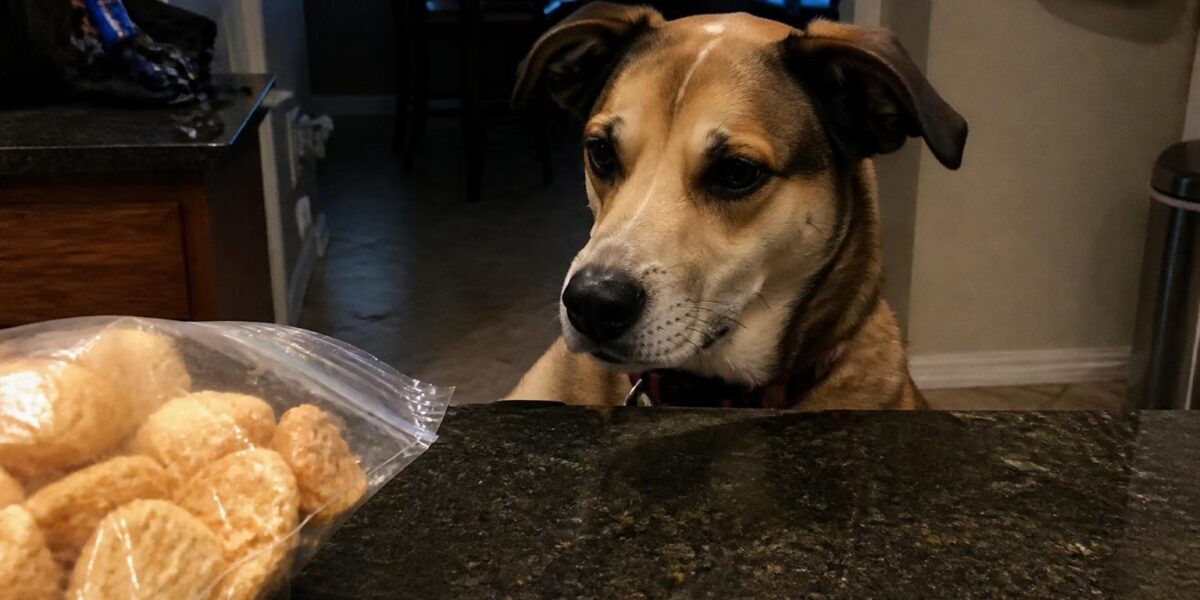
The Short Answer on Pork Rinds for Dogs
Can dogs eat pork rinds? The honest answer is no, you should avoid giving them to your dog. Pork rinds are not classified as a poison the way grapes or chocolate are, but they are so heavily loaded with salt, fat, and seasonings that they sit firmly in the “skip it” category for any responsible dog owner.
In this article
A single stray crumb that falls on the floor is unlikely to send your dog to the emergency vet. The problem is that pork rinds are designed for human snacking, which means they are fried, salted, and often dusted with flavorings that range from mildly unhelpful to genuinely dangerous. When you weigh the near-zero benefit against the very real risks, there is simply no good reason to offer them.
If your dog has already snatched a pork rind or two, take a breath. Monitor for the symptoms we discuss below and call your veterinarian if anything seems off. But going forward, this is one human snack best kept well out of reach.
It helps to remember that dogs do not need salty, fried snacks to be happy. The pleading eyes during your movie night are about wanting to share the moment with you, not a nutritional craving. You can satisfy that bonding instinct with a far healthier treat and skip the worry entirely. Throughout this guide, we will point you toward better options so you never feel like you are depriving your pup.
Why Pork Rinds Are Risky for Dogs
Pork rinds are essentially fried pig skin, and the manufacturing process strips away anything that might have been nutritionally useful while concentrating everything that is not. Here is what makes them a poor choice.
Sodium overload. Pork rinds are extremely salty. A diet too high in sodium can lead to excessive thirst and urination in the short term, and salt poisoning in larger amounts. Signs of salt toxicity include vomiting, diarrhea, lethargy, tremors, and in severe cases seizures. Small dogs are especially vulnerable because it takes far less salt to tip them over.
High fat content. The frying process makes pork rinds very fatty, and a sudden hit of fat is one of the classic triggers for pancreatitis in dogs. Pancreatitis is a painful, sometimes life-threatening inflammation of the pancreas that often requires hospitalization.
Seasonings and additives. Many flavored pork rinds contain onion powder and garlic powder, both of which are toxic to dogs and can damage red blood cells. Artificial flavors, preservatives, and spicy coatings only add to the trouble.
Are There Any Benefits?
People sometimes assume that because pork rinds are high in protein, they must offer something useful to a dog. In reality, the protein in a fried, salted snack is not delivered in a form that benefits your dog, and it comes packaged with so much fat and sodium that any theoretical upside is canceled out.
Dogs get all the protein they need from a complete, balanced diet. There is no nutrient in a pork rind that your dog cannot get more safely from plain cooked meat or a quality commercial food. So while pork is fine for dogs in plain form, the rind in snack form earns no place in a healthy feeding plan.
If you love sharing pork with your dog, look at our guide on whether dogs can eat pork for the safe, plain version. Plain cooked, unseasoned pork is a far better way to treat your pup.
What Happens If My Dog Eats Pork Rinds?
The reaction depends on how much your dog ate, their size, and their overall health. A toy breed that swallows a handful of salty rinds is at much greater risk than a large dog who licked a single crumb.
Watch for these symptoms in the hours after ingestion:
- Vomiting or diarrhea
- Excessive thirst and frequent urination
- Lethargy or weakness
- Loss of appetite or a hunched, painful posture (a possible sign of pancreatitis)
- Tremors, disorientation, or seizures (signs of salt toxicity, a medical emergency)
If you see vomiting paired with belly pain, or any neurological signs like tremors, call your veterinarian or an emergency clinic right away. Bring the packaging if you can, so the vet knows what seasonings were involved.
Safer Treats Instead of Pork Rinds
The good news is that there are plenty of dog-friendly snacks that satisfy the same crunchy, savory craving without the salt and grease. Reach for these instead.
- Plain cooked, unseasoned lean meat in small pieces
- Crunchy raw vegetables like carrots or green beans, which give satisfying crunch with almost no calories
- A spoonful of plain, low-fat yogurt
- Commercial treats formulated specifically for dogs
When you introduce any new treat, start with a tiny amount and watch for digestive upset. Treats of all kinds should make up no more than about 10 percent of your dog’s daily calories, with the rest coming from a complete, balanced diet.
If it is the crunch your dog craves, frozen vegetables straight from the freezer can be wonderfully satisfying on a warm day, and they cost almost nothing in calories. If it is the savory, meaty smell that gets your dog excited, a few flakes of plain cooked chicken or a tiny piece of unseasoned cooked pork will thrill them far more than a fried rind ever could. The goal is to match the thing your dog actually enjoys, whether that is texture, smell, or simply the ritual of being handed something special.
Many rescue volunteers like to keep a stash of small, healthy training treats on hand precisely because dogs respond so well to them. You do not need a rich snack to reinforce good behavior or share a tender moment with your dog. A pea-sized piece of something wholesome works just as well, and your dog will never know the difference.
How to Keep Pork Rinds Out of Reach
Most dogs do not seek out pork rinds on purpose, but they are masters at counter-surfing and snatching dropped food. A few simple habits go a long way toward preventing an accidental binge.
Store snacks in a sealed cabinet rather than an open bowl on the coffee table. Be mindful during movie nights and game days when bags get passed around and crumbs scatter. Teach a reliable “leave it” cue so your dog learns to ignore food that hits the floor.
If you foster or have recently adopted, remember that a new dog is still learning your household rules and may be more inclined to scavenge. A little extra vigilance in those first weeks pays off. When in doubt about any food, your veterinarian is always the best resource for advice tailored to your individual dog.
Understanding Fat, Salt, and Your Dog’s Long-Term Health
It is easy to think of one pork rind as harmless, and a single piece usually is. The bigger concern is the pattern. Dogs who are regularly handed greasy, salty human snacks tend to gain weight, and even a few extra pounds put real strain on a dog’s joints, heart, and overall quality of life. Obesity is one of the most common preventable health problems we see in dogs, and it almost always starts with small, well-meaning indulgences that add up.
The fat in pork rinds is especially worth respecting. The canine pancreas does not handle sudden, rich fatty loads well, and pancreatitis can flare up after a single greasy splurge. Some breeds, such as Miniature Schnauzers, are particularly prone to it. A bout of pancreatitis is painful for your dog, often involves a hospital stay, and can become a recurring problem once it has happened.
Sodium is the other half of the equation. Dogs do need a small amount of salt, but they get plenty from a balanced diet. Salty snacks push their intake higher than it should be, which makes the kidneys and heart work harder over time. For a senior dog or one with an existing heart or kidney condition, that extra salt is genuinely risky rather than just unhelpful.
Looking at the whole picture, pork rinds combine the two ingredients dogs handle worst, fat and salt, in a single crunchy package. That is why veterinarians and rescue volunteers alike steer owners away from them, even though they are not a poison in the strict sense.
Frequently Asked Questions
Can dogs eat plain pork rinds without seasoning?
Even unseasoned pork rinds are very high in fat and salt because of how they are fried, so they are still best avoided. Plain cooked pork in small amounts is a safer way to share pork with your dog.
My dog ate one pork rind. Should I panic?
A single rind is unlikely to cause serious harm to most dogs, but watch for vomiting, diarrhea, or excessive thirst. Call your vet if your dog is small, eats more than a couple, or shows any worrying symptoms.
Are pork rinds the same as pork crackling dog treats?
Some pet brands sell dehydrated pork skin chews that are made without added salt and seasonings. These are different from human pork rinds, but they are still rich, so offer them only occasionally and check with your vet first.
What makes pork rinds toxic versus just unhealthy?
Plain pork rinds are unhealthy mainly due to fat and salt, which can cause pancreatitis or salt toxicity in large amounts. Flavored versions can be genuinely toxic if they contain onion or garlic powder.


