
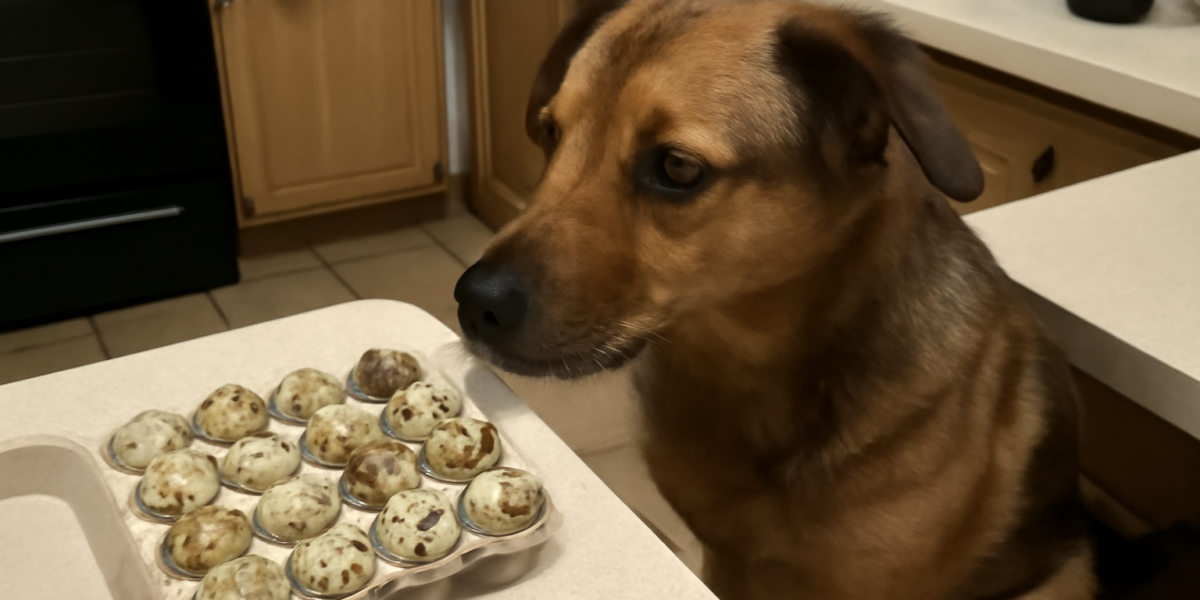
Can Dogs Eat Quail Eggs Safely?
Yes, dogs can eat quail eggs, and these tiny eggs pack a surprising nutritional punch. Quail eggs are safe for dogs when prepared properly and served in appropriate quantities. They contain high-quality protein, essential fatty acids, vitamins A and B12, iron, and selenium in a conveniently small package that makes portion control easy.
In this article
One of the unique advantages of quail eggs over chicken eggs is their size. A single quail egg weighs about 9 grams, roughly one-fifth the size of a chicken egg. This makes them a perfect single-serving treat, especially for smaller dogs who might get too many calories from a full chicken egg.
Nutritional Benefits of Quail Eggs for Dogs
Despite their small size, quail eggs are nutrient-dense relative to their weight. Gram for gram, they contain slightly more protein and fat than chicken eggs, along with higher concentrations of several vitamins and minerals.
Each quail egg contains approximately 14 calories, 1 gram of protein, and 1 gram of fat. The protein is complete, meaning it provides all essential amino acids your dog needs for muscle maintenance and repair. The fat includes both omega-3 and omega-6 fatty acids, which support healthy skin, a glossy coat, and brain function.
Vitamin A supports vision and immune function, while B vitamins, particularly B12 and riboflavin, aid in energy metabolism and nervous system health. The iron content is notable and comes in the highly bioavailable heme form, which is especially beneficial for dogs recovering from illness or surgery.
Quail eggs also contain choline, a nutrient important for liver function and brain development. Some proponents of raw feeding consider quail eggs a natural supplement for dogs with skin allergies, though scientific evidence for this specific claim is limited. Regardless, the overall nutritional profile makes quail eggs a genuinely beneficial treat.
Verdict: Safe and Nutritious in Moderation
Quail eggs earn a solid yes for dogs of all sizes. They are non-toxic, easily digestible, and nutritionally valuable. Their small size makes accidental overfeeding less likely than with larger eggs. Whether served cooked or raw under veterinary guidance, quail eggs are one of the most dog-friendly human foods available.
The only real caution is moderation. Like any treat, quail eggs should supplement a balanced diet, not replace it. Follow the portion guidelines below and your dog will enjoy all the benefits without any downsides.
Portions by Dog Size
The small size of quail eggs makes portioning straightforward. Here are recommended amounts based on your dog’s weight:
- Small dogs (under 20 lbs): One to two quail eggs per day, three to four times per week. One egg at a time is sufficient for most toy breeds.
- Medium dogs (20-50 lbs): Two to three quail eggs per day, three to four times per week.
- Large dogs (50-90 lbs): Three to four quail eggs per day, three to four times per week.
- Giant breeds (over 90 lbs): Four to five quail eggs per day, three to four times per week.
Remember that treats, including quail eggs, should not exceed 10 percent of your dog’s daily caloric intake. If your dog is overweight or on a calorie-restricted diet, adjust portions downward accordingly.
When introducing quail eggs for the first time, start with a single egg and monitor your dog for 24 hours. While egg allergies are uncommon in dogs, they do exist, and it is always better to introduce new foods gradually.
Can Dogs Eat Quail Egg Shells?
Yes, quail egg shells are safe for dogs and can actually provide a useful calcium boost. The shells are thin and fragile compared to chicken egg shells, making them easier for dogs to crunch and digest. Some raw feeders grind quail egg shells into a fine powder and sprinkle it over their dog’s food as a natural calcium supplement.
If you choose to feed the shells, make sure they are clean and free from any cracks that might harbor bacteria. Shells from hard-boiled eggs are the safest option, as the boiling process sanitizes them. You can also bake shells at 300 degrees Fahrenheit for 10 minutes to ensure they are sterile before grinding.
That said, dogs eating a complete commercial diet are already getting adequate calcium. Adding shell powder on top of that is unnecessary and could potentially lead to excess calcium intake, which can cause constipation or, in rare cases, contribute to urinary stone formation. Reserve shell supplementation for dogs on homemade diets where calcium may be lacking, and always consult your veterinarian first.
How to Prepare Quail Eggs for Dogs
Quail eggs can be prepared in several ways, each with its own advantages:
- Hard-boiled: Place quail eggs in boiling water for four minutes, then transfer to ice water. Peel and serve whole or halved. This is the safest and most convenient method.
- Scrambled: Crack several quail eggs into a non-stick pan and scramble without butter, oil, salt, or seasonings. Let cool before serving.
- Raw: Some raw feeding advocates serve quail eggs whole and uncooked. Dogs can crack the thin shell easily. If you go this route, source eggs from a reputable farm and discuss the risks of salmonella with your veterinarian.
- As a food topper: Crack a raw or soft-boiled quail egg over your dog’s regular meal for added flavor and nutrition. Most dogs find this irresistible.
Never feed your dog quail eggs prepared with butter, cooking spray, salt, pepper, or any seasonings. Fried eggs cooked in oil add unnecessary fat and calories. Plain is always the way to go.
Trouble Signs to Watch For
While quail eggs are safe for the vast majority of dogs, keep an eye out for these potential issues:
- Vomiting or diarrhea: Usually indicates your dog ate too many eggs at once or has a sensitive stomach. Reduce the quantity and reintroduce slowly.
- Itchy skin or ear inflammation: May signal an egg allergy. Though uncommon, some dogs are allergic to egg protein. Discontinue feeding and consult your vet if you notice persistent itching after eating quail eggs.
- Weight gain: Each quail egg contains about 14 calories. Five eggs daily adds 70 calories, which can cause gradual weight gain if your dog’s total intake is not adjusted. Monitor your dog’s body condition and reduce treats if needed.
- Constipation: If you are feeding shells along with the eggs, excess calcium can cause hard, dry stools. Reduce or eliminate the shells and increase water availability.
- Biotin deficiency (extremely rare): Raw egg whites contain avidin, which can bind biotin and prevent its absorption. This is only a concern with very large quantities of raw eggs fed over extended periods. Cooking eliminates avidin entirely.
If your dog experiences any persistent adverse symptoms after eating quail eggs, stop feeding them and schedule a veterinary visit. Most issues resolve quickly once the food is removed from the diet.
Quail Eggs vs. Chicken Eggs for Dogs
Both quail eggs and chicken eggs are excellent for dogs, but they have some practical differences worth considering. Chicken eggs are larger, more widely available, and less expensive. A single chicken egg provides about 70 calories, which is equivalent to roughly five quail eggs.
Quail eggs offer better portion control, particularly for small dogs. Giving a Chihuahua an entire chicken egg might represent 25 to 30 percent of their daily calories, while one or two quail eggs stays well within treat limits. For larger dogs, this distinction matters less.
Nutritionally, quail eggs have a slightly higher concentration of B vitamins and iron per gram. Some holistic veterinarians also suggest that quail eggs may be less likely to trigger allergic reactions in dogs that are sensitive to chicken protein, though this has not been conclusively proven in clinical studies.
For most dog owners, the choice comes down to convenience and budget. Quail eggs are pricier and harder to find, but their small size and nutrient density make them worth seeking out, especially if you have a small breed dog. You can also rotate between the two, along with other protein-rich treats like sardines, for maximum nutritional variety.
Frequently Asked Questions
Can puppies eat quail eggs?
Yes, puppies can eat quail eggs once they are fully weaned, typically around eight weeks of age. Start with half an egg and limit to one egg a couple of times per week. The high-quality protein and nutrients support healthy growth, but puppies should primarily eat their formulated puppy food for balanced nutrition.
Are quail eggs good for dogs with allergies?
Some dog owners report that quail eggs help manage allergy symptoms, and quail eggs are sometimes promoted as a natural antihistamine. While they do contain nutrients that support immune function, there is limited scientific evidence specifically proving they reduce allergic reactions in dogs. They are worth trying as a nutritious addition to an allergy management plan, but should not replace veterinary-prescribed treatments.
Can dogs eat quail eggs every day?
Dogs can eat quail eggs daily in small quantities as long as the calories are accounted for in their overall diet. However, three to four times per week is generally recommended to maintain dietary variety. Rotating with other healthy treats like blueberries or other dog-safe foods keeps nutrition diverse.
Where can I buy quail eggs for my dog?
Quail eggs are available at Asian grocery stores, specialty food markets, some farmers markets, and increasingly at mainstream supermarkets. You can also order them online from farms that ship fresh. They keep well in the refrigerator for three to four weeks.
Do I need to peel quail eggs before giving them to my dog?
Not necessarily. Many dogs enjoy crunching through the thin shell, and the shell provides calcium. However, if your dog is a gulper who swallows food without chewing, peel the eggs to prevent any risk of the shell causing minor throat irritation. Hard-boiling first makes peeling easier.


