
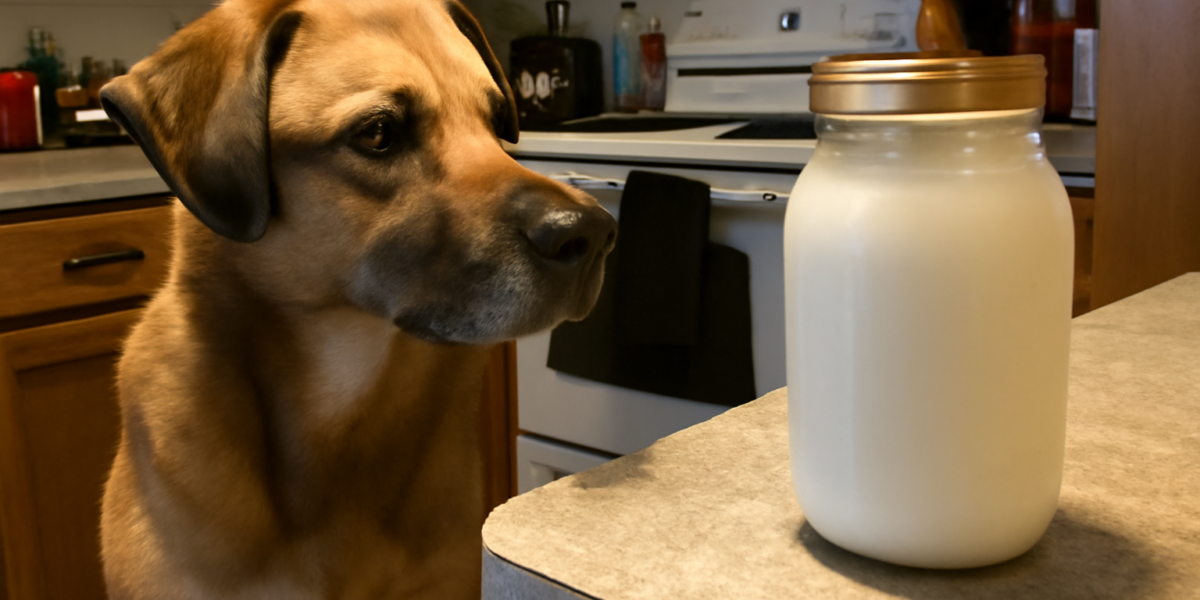
Can Dogs Eat Raw Goat Milk? Yes, for Most Dogs
Dogs can drink raw goat milk in moderation, and many dogs tolerate it far better than cow’s milk. Raw goat milk is safe for most dogs and offers genuine nutritional benefits, including natural probiotics, digestive enzymes, and easily absorbable nutrients. The smaller fat globules and lower lactose content compared to cow’s milk make it gentler on canine digestive systems.
In this article
Raw goat milk has become increasingly popular in the pet nutrition world, and the enthusiasm is largely warranted. It provides a whole-food source of probiotics and enzymes that can support gut health, boost the immune system, and add moisture and nutrition to your dog’s diet. However, it is not suitable for every dog, and there are important considerations around sourcing, storage, and quantity.
If you have been curious about adding raw goat milk to your dog’s routine, this guide covers the benefits, risks, proper portions, and signs that your dog may not be a good candidate for dairy products.
Verdict: Safe and Beneficial for Most Dogs
Raw goat milk earns a yes for the majority of dogs. It is non-toxic, nutritionally valuable, and well-tolerated by most canines. The main exceptions are dogs with confirmed dairy allergies, dogs with compromised immune systems, and very young puppies who should remain on their mother’s milk or a veterinary-approved milk replacer.
The “raw” part of raw goat milk is what distinguishes it from pasteurized versions. Raw milk retains its natural enzymes, including lactase, which helps break down lactose. This is why many dogs that struggle with pasteurized dairy products handle raw goat milk without issues. The natural bacteria in raw milk also provide probiotic benefits that are destroyed during pasteurization.
That said, raw milk does carry a small risk of bacterial contamination, including Salmonella, E. coli, and Listeria. Sourcing from a reputable farm that tests regularly and maintains strict hygiene standards is essential. If you have concerns about raw dairy safety, fermented goat milk (kefir) offers similar probiotic benefits with reduced bacterial risk due to the fermentation process.
Portions by Dog Size
Raw goat milk should be treated as a supplement or treat, not a meal replacement. It contains calories from fat and natural sugars that add up, so portion control prevents unwanted weight gain and digestive upset.
Small Dogs (Under 20 Pounds)
One to two tablespoons per day. For toy breeds under ten pounds, start with one tablespoon. Pour over food or serve in a small bowl as a standalone treat. This amount provides probiotic benefits without adding excessive calories.
Medium Dogs (20-50 Pounds)
Two to four tablespoons daily, which equals about one-quarter cup at the upper end. Split between meals or offer as a midday snack. Medium dogs get a solid dose of probiotics and enzymes at this level.
Large Dogs (50-90 Pounds)
One-quarter to one-half cup per day. Larger dogs can handle more volume, but start at the lower end if raw goat milk is new to your dog’s diet. Increase over several days once you confirm good digestive tolerance.
Giant Breeds (Over 90 Pounds)
One-half to three-quarters cup daily. Even for the largest breeds, there is no reason to exceed this amount. The probiotic and enzyme benefits plateau at moderate intake, and more is not better when it comes to dairy for dogs.
Introduce raw goat milk gradually over three to five days, starting with half the recommended amount. This gives your dog’s gut bacteria time to adjust to the new food source and helps you identify any intolerance before committing to regular use.
Enzyme and Probiotic Benefits
The natural enzymes in raw goat milk are a major part of its appeal. Lipase aids in fat digestion, amylase helps break down carbohydrates, and protease assists with protein digestion. These enzymes are present because the milk has not been heated to temperatures that denature them.
For dogs with sluggish digestion, mild food sensitivities, or those transitioning between diets, these enzymes can ease the process. Some owners report that adding raw goat milk during a food transition reduces the loose stools and gas that often accompany dietary changes.
The probiotic bacteria naturally present in raw goat milk include strains of Lactobacillus and Bifidobacterium, both of which are commonly found in commercial probiotic supplements for pets. These beneficial bacteria colonize the gut and compete with harmful bacteria for resources, helping to maintain a balanced microbiome.
A healthy gut microbiome does more than prevent digestive upset. Research increasingly links gut health to immune function, skin condition, and even behavior in dogs. About 70 percent of a dog’s immune system resides in the gut, so supporting microbial balance through whole-food probiotics like raw goat milk may have far-reaching health benefits.
Nutritional Profile
Beyond probiotics and enzymes, raw goat milk is a source of easily digestible nutrition. The fat globules in goat milk are significantly smaller than those in cow’s milk, which allows for more efficient digestion and absorption. The protein structure is also different, with higher levels of A2 casein compared to the A1 casein that dominates cow’s milk and that some dogs find irritating.
Key nutrients in raw goat milk include:
- Calcium and phosphorus for bone and dental health
- Vitamin A for vision and immune function
- B vitamins, especially riboflavin and B12
- Medium-chain fatty acids that are quickly converted to energy
- Conjugated linoleic acid (CLA), which may support a healthy weight
- Electrolytes including potassium and magnesium
The moisture content of raw goat milk makes it particularly valuable for dogs who do not drink enough water. Adding it to food or offering it as a drink between meals increases daily fluid intake, supporting kidney function and overall hydration.
Trouble Signs to Watch For
While most dogs tolerate raw goat milk well, some dogs are simply not built for dairy products. Monitor your dog after the first few servings and watch for these signs of intolerance or sensitivity.
Digestive intolerance signs:
- Loose stools or diarrhea within a few hours of consumption
- Excessive gas or bloating
- Vomiting
- Rumbling stomach sounds
These symptoms suggest lactose intolerance or difficulty digesting dairy fats. If they occur, reduce the amount by half and try again. Some dogs tolerate small amounts but react to larger portions. If symptoms persist even at reduced doses, dairy may not be appropriate for your dog.
Allergic reaction signs (less common):
- Itchy skin, especially around the ears and paws
- Hives or facial swelling
- Chronic ear infections that worsen with dairy consumption
- Red, irritated skin on the belly or between toes
A true dairy allergy involves the immune system reacting to milk proteins, not lactose. If you suspect an allergy, eliminate all dairy for six to eight weeks and consult your veterinarian about an elimination diet to confirm the trigger.
Dogs with pancreatitis or a history of pancreatitis should avoid raw goat milk due to its fat content. Even the relatively modest fat in goat milk can trigger a flare in sensitive dogs. Check with your veterinarian before introducing any high-fat food to a dog with pancreatic issues.
Raw Goat Milk vs. Pasteurized Goat Milk
The debate between raw and pasteurized milk is important to understand. Pasteurization heats milk to a specific temperature to kill potentially harmful bacteria. This process also destroys the beneficial enzymes and probiotic bacteria that make raw milk so appealing for pet nutrition.
Pasteurized goat milk is still a safer option than cow’s milk for lactose-sensitive dogs, thanks to its naturally lower lactose content and smaller fat globules. However, it lacks the enzyme and probiotic benefits of raw milk. If you choose pasteurized, look for products without added sugars or flavors.
Fermented goat milk, such as goat milk kefir, offers a middle ground. The fermentation process reduces lactose content further, introduces additional probiotic strains, and creates a product that is generally safe even for dogs with mild lactose sensitivity. Many pet stores now carry goat milk kefir specifically formulated for dogs.
Sourcing raw goat milk safely means finding a farm or supplier that tests for pathogens regularly and follows strict handling protocols. In many states, raw milk sales are regulated or restricted. Check your local laws and buy from licensed sources. Pet-specific raw goat milk products sold frozen at pet stores are another reliable option, as they are typically sourced from farms that meet safety standards for animal consumption.
Frequently Asked Questions
Can puppies drink raw goat milk?
Puppies over four weeks old can have small amounts of raw goat milk as a supplemental food. It should not replace mother’s milk or a veterinary-approved puppy milk replacer. Start with one teaspoon for small breed puppies and one tablespoon for larger breeds. Consult your veterinarian before introducing raw dairy to very young puppies.
How often should I give my dog raw goat milk?
Daily supplementation is fine for dogs who tolerate it well. Many owners add raw goat milk to one meal per day as a regular part of the diet. You can also use it a few times per week for general probiotic support. Consistency tends to produce better gut health results than occasional use.
Can raw goat milk help dogs with allergies?
Some owners report improvements in allergy symptoms after adding raw goat milk, likely due to the gut health support from probiotics and enzymes. A healthier gut microbiome can modulate immune responses, potentially reducing the severity of environmental and food allergies. However, if your dog is allergic to dairy proteins specifically, goat milk will make things worse, not better.
Is raw goat milk safe for senior dogs?
Yes, and senior dogs may benefit the most from its joint-supporting nutrients, hydration boost, and digestive enzymes. Aging dogs often produce fewer digestive enzymes naturally, and the supplemental enzymes in raw goat milk can help them extract more nutrition from their food. Start with small amounts and adjust based on tolerance. For other nutritious additions to your senior dog’s diet, explore treats like freeze-dried liver and bone broth powder.
Where can I buy raw goat milk for dogs?
Many pet stores carry frozen raw goat milk specifically formulated for pets. Brands like Answers, Primal, and Open Farm are widely available. You can also source raw goat milk directly from local farms, though availability depends on your state’s raw milk regulations. Farmers’ markets are another option in areas where raw milk sales are permitted. Visit our dog adoption hub for more resources on keeping your dog healthy and happy.


