
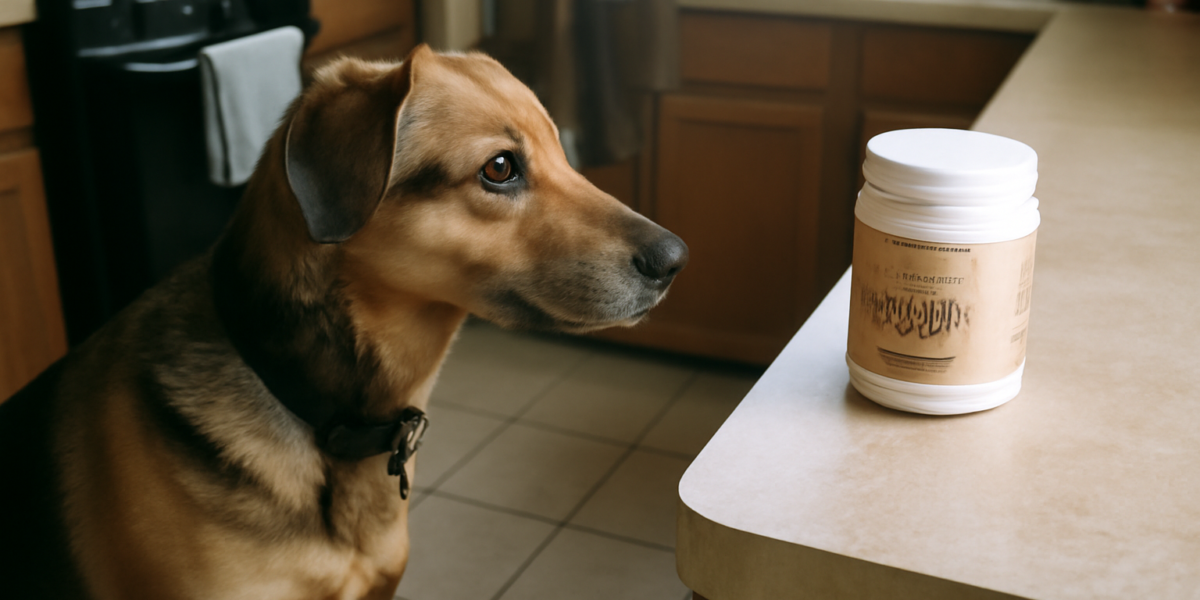
Can Dogs Eat Bone Broth Powder? Yes, With the Right Product
Dogs can eat bone broth powder, and it can be a genuinely beneficial addition to their diet when you choose the right product. Plain bone broth powder made from animal bones without added salt, onion, garlic, or artificial ingredients is safe and offers real nutritional value for dogs. The key is reading labels carefully, because many bone broth powders sold for human consumption contain seasonings that are toxic to dogs.
In this article
Bone broth has earned a reputation as a superfood in both human and pet nutrition circles, and for once the hype has some substance behind it. The collagen, glucosamine, chondroitin, and amino acids found in bone broth powder support joint health, gut lining integrity, and immune function. For aging dogs, picky eaters, or those recovering from illness, bone broth powder can be a valuable tool.
The powdered form offers convenience that liquid bone broth cannot match. It is shelf-stable, easy to dose, and can be sprinkled over food or reconstituted with water in seconds. Here is what you need to know to use it safely.
Verdict: Safe and Beneficial With the Right Product
Bone broth powder gets a clear yes for dogs, provided you select a product that is free of harmful ingredients. The safety of bone broth powder depends entirely on what is in it beyond the bone broth itself.
Safe bone broth powder should contain:
- Bone broth from chicken, beef, turkey, or fish
- No added salt or minimal sodium
- No onion or garlic in any form, including powder or extract
- No artificial sweeteners, especially xylitol
- No artificial colors, flavors, or preservatives
Pet-specific bone broth powders are the safest choice because they are formulated with dogs in mind. Human-grade products can work if the ingredient list is clean, but you need to check every single ingredient. Onion powder is a common additive in human bone broth products and is toxic to dogs even in small amounts.
If you are ever uncertain about a product, bring it to your next veterinary appointment and ask your vet to review the ingredients. They can also recommend pet-specific brands that have been tested for safety and quality.
Portions by Dog Size
Bone broth powder is calorie-light, so the main concern with portions is sodium content rather than calories. Even low-sodium products contain some salt, and the amounts add up over time. These guidelines assume a product with less than 100 milligrams of sodium per serving.
Small Dogs (Under 20 Pounds)
One-quarter to one-half teaspoon of powder per day, mixed into food or dissolved in a few tablespoons of warm water. For toy breeds under ten pounds, stick to a quarter teaspoon. This is enough to add flavor and a modest nutritional boost without overloading their system with sodium.
Medium Dogs (20-50 Pounds)
One-half to one teaspoon daily. Mix into wet food or sprinkle over kibble and add a splash of water. Medium dogs benefit from the joint-supporting compounds in bone broth, especially active breeds that put regular stress on their joints.
Large Dogs (50-90 Pounds)
One to two teaspoons per day. Larger dogs can handle more, and the joint health benefits become increasingly relevant as body weight increases. Split between morning and evening meals for consistent intake throughout the day.
Giant Breeds (Over 90 Pounds)
Two to three teaspoons daily, or follow the product’s recommended serving for large dogs. Giant breeds are particularly prone to joint issues, and the glucosamine and chondroitin in bone broth powder can complement other joint support supplements. Always discuss with your veterinarian if your dog is already taking joint supplements to avoid doubling up.
Joint Health Benefits
The collagen in bone broth powder breaks down into gelatin during the cooking process, and when consumed, it provides the building blocks for cartilage, tendons, and ligaments. For dogs with osteoarthritis, hip dysplasia, or age-related joint stiffness, this collagen support can make a noticeable difference in comfort and mobility.
Bone broth naturally contains glucosamine and chondroitin, two compounds that are commonly sold as standalone joint supplements for dogs. While the concentrations in bone broth powder are lower than in dedicated supplements, the advantage is that they come in a whole-food matrix that may improve absorption and bioavailability.
The amino acids glycine and proline, both abundant in bone broth, play specific roles in joint health. Glycine supports connective tissue repair and has anti-inflammatory properties. Proline is essential for collagen synthesis. Together, they help maintain the structural integrity of cartilage that cushions joints during movement.
For dogs recovering from joint surgery or managing chronic joint conditions, bone broth powder works best as a complement to veterinary treatment, not a replacement. It supports the body’s natural repair processes but cannot reverse structural damage on its own.
Gut Health and Digestive Support
Bone broth powder supports digestive health through several mechanisms. The gelatin in bone broth forms a protective coating along the intestinal lining, which may help reduce inflammation and support the integrity of the gut barrier. This is particularly relevant for dogs with leaky gut syndrome, food sensitivities, or inflammatory bowel conditions.
The amino acid glutamine, found in bone broth, is the primary fuel source for the cells that line the small intestine. Adequate glutamine intake helps these cells regenerate quickly, maintaining a healthy gut barrier that prevents undigested food particles and bacteria from entering the bloodstream.
For dogs recovering from illness, surgery, or gastrointestinal upset, bone broth powder mixed with water creates a gentle, easily digestible liquid that provides nutrients without taxing the digestive system. Many veterinarians recommend bone broth as one of the first foods to reintroduce after a period of fasting due to vomiting or diarrhea.
Picky eaters also benefit from bone broth powder. The rich, meaty aroma and flavor can transform a bowl of bland kibble into something much more appealing. If your dog has been turning up their nose at meals, a sprinkle of bone broth powder might be all it takes to reignite their interest.
Trouble Signs to Watch For
Bone broth powder is generally well-tolerated, but some dogs may experience issues. Being aware of potential problems helps you respond quickly.
Common reactions to watch for:
- Loose stools or diarrhea, especially when first introduced
- Excessive thirst from sodium content
- Gas or bloating
- Vomiting if consumed in large quantities
These symptoms usually resolve when you reduce the amount or temporarily stop supplementation. Start with half the recommended portion and increase gradually over a week to give your dog’s digestive system time to adjust.
More serious concerns arise if the bone broth powder contains toxic ingredients. If your dog consumes a product containing onion or garlic, watch for:
- Pale gums
- Weakness or lethargy
- Dark-colored urine
- Rapid breathing
These symptoms can indicate red blood cell damage from allium toxicity and require immediate veterinary attention. This is why choosing the right product matters so much. When in doubt, opt for pet-specific bone broth powders that are formulated to be safe for dogs.
Dogs with kidney disease, heart disease, or those on sodium-restricted diets should not have bone broth powder without veterinary approval. Even low-sodium products can contribute enough salt to cause problems in dogs with compromised organ function.
Making Bone Broth Powder at Home
If you want full control over ingredients, you can make bone broth at home and dehydrate it into a concentrated powder or paste. This ensures there are no hidden ingredients and lets you customize the protein source.
Basic homemade bone broth recipe for dogs:
- Place two to three pounds of raw bones (chicken, beef, or turkey) in a large pot or slow cooker
- Cover with water and add two tablespoons of apple cider vinegar (helps extract minerals)
- Simmer on low heat for 12 to 24 hours (up to 48 hours for beef bones)
- Strain through a fine mesh strainer and discard bones
- Refrigerate until fat solidifies on top, then skim off the fat layer
- Pour the broth into ice cube trays and freeze for convenient portions
While this does not create a powder, frozen bone broth cubes are equally convenient for daily use. Thaw one or two cubes and pour over your dog’s food. For dogs who enjoy other protein-rich additions, consider pairing bone broth with treats like chicken gizzards or beef heart for a nutrient-dense meal topper.
Frequently Asked Questions
Can puppies have bone broth powder?
Yes, puppies over eight weeks old can have small amounts of plain bone broth powder. Use about half the recommended adult dose for their weight range. The joint-supporting nutrients are especially valuable during the rapid growth phase. Consult your veterinarian for specific guidance on your puppy’s needs.
Is bone broth powder better than liquid bone broth for dogs?
Nutritionally, they are comparable. Powder is more convenient for storage and dosing, while liquid broth provides additional hydration. Choose whichever fits your routine better. Some dogs prefer the warm liquid version, while others happily eat powder sprinkled on food.
Can I use human bone broth powder for my dog?
Only if the ingredient list contains no onion, garlic, excessive salt, or artificial additives. Many human bone broth products include these ingredients for flavor. Pet-specific products are formulated to be safe and are generally the better choice.
How long does it take to see benefits from bone broth powder?
Joint health improvements typically take four to six weeks of consistent daily supplementation to become noticeable. Digestive benefits and appetite improvement may be visible within a few days. Give it at least a month before evaluating whether the supplement is making a difference for your dog.
Can bone broth powder replace joint supplements for my dog?
Bone broth powder provides glucosamine and chondroitin in lower concentrations than dedicated joint supplements. For mild joint stiffness in younger dogs, bone broth may be sufficient. For dogs with diagnosed arthritis or significant joint disease, your veterinarian may recommend a concentrated joint supplement in addition to bone broth. Learn more about supporting your dog’s health at our dog adoption hub.


