
Last updated: April 10, 2026
In this article
Can Dogs Eat Chicken Gizzards? Absolutely
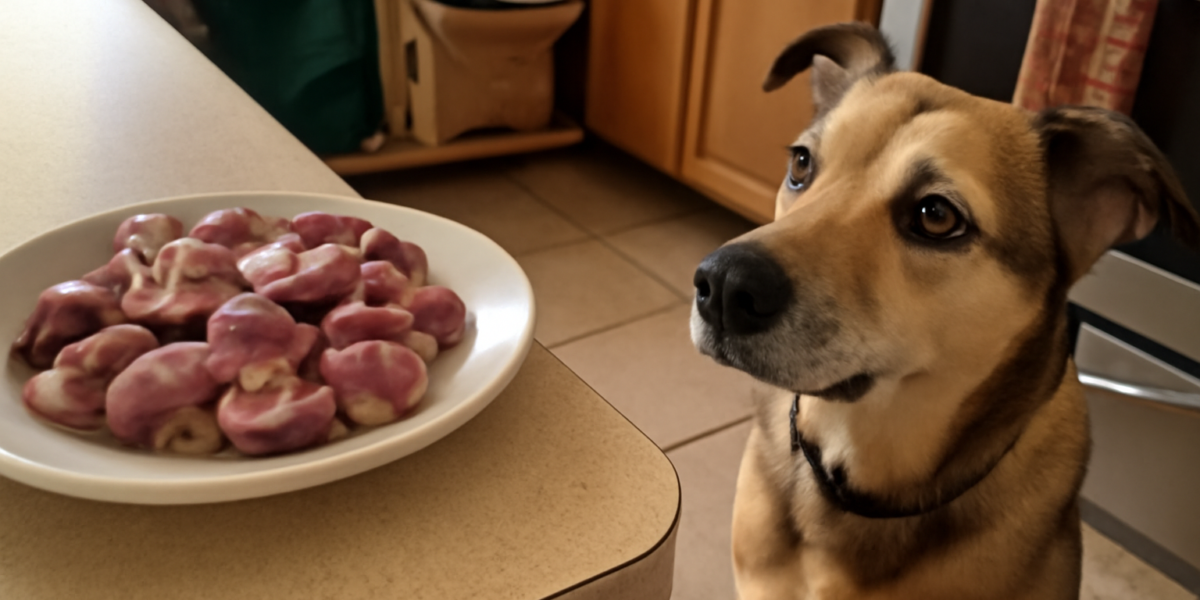
Dogs can eat chicken gizzards, and they are one of the most nutritious and affordable protein sources you can add to your dog’s diet. Chicken gizzards are packed with protein, iron, zinc, and B vitamins, making them an excellent supplement to your dog’s regular meals or a high-value training treat. They are safe when properly cooked and served in appropriate portions.
Gizzards are a muscular organ that chickens use to grind food, which means the tissue is dense, lean, and loaded with functional nutrients. Unlike some organ meats that need strict portion control due to high vitamin A content, gizzards are classified as muscle meat and can be fed more generously. Most dogs find the flavor and chewy texture irresistible.
Whether you are looking to stretch your pet food budget, add variety to your dog’s bowl, or find a healthy training reward, chicken gizzards deserve a spot in your rotation. Here is everything you need to know about feeding them safely.
Nutritional Benefits of Chicken Gizzards for Dogs
Chicken gizzards are a nutritional powerhouse relative to their cost. A three-ounce serving of cooked gizzards provides roughly 22 grams of protein with only about 130 calories and 3 grams of fat. That protein-to-fat ratio makes gizzards ideal for active dogs and those on weight management plans.
The iron content in gizzards is particularly noteworthy. Iron supports oxygen transport in the blood and energy production at the cellular level. Dogs that eat a varied diet including organ and muscle meats tend to maintain healthier red blood cell counts than those on plant-heavy diets.
Gizzards also supply:
- Zinc, which supports immune function and skin health
- Vitamin B12, essential for nervous system function
- Niacin (vitamin B3), important for energy metabolism
- Phosphorus, which works alongside calcium for strong bones
- Selenium, a powerful antioxidant mineral
Because gizzards are muscle meat rather than secreting organs like liver or kidney, they do not carry the same risk of vitamin A toxicity that comes with overfeeding liver. This makes them a safer choice for regular feeding compared to other organ meats.
Verdict: Safe and Beneficial
Chicken gizzards get a clear thumbs up for dogs. They are non-toxic, highly digestible when cooked, and nutritionally valuable. The only precautions involve proper cooking to eliminate bacteria and feeding appropriate portions to avoid digestive upset from too much richness at once.
Dogs with poultry allergies should obviously avoid chicken gizzards. If your dog has never eaten chicken products before, introduce gizzards in very small amounts and watch for signs of allergic reaction such as itching, hives, facial swelling, or gastrointestinal distress. True chicken allergies are less common than many pet owners believe, but they do exist.
For the vast majority of dogs, chicken gizzards are a safe, wholesome addition to the diet that provides real nutritional value at a fraction of the cost of commercial treats.
Portions by Dog Size
How many chicken gizzards your dog can eat depends on their size and overall diet. As a general rule, treats and food toppers should not exceed ten percent of your dog’s daily caloric intake. Here are guidelines based on weight.
Small Dogs (Under 20 Pounds)
One to two cooked gizzards per day as a treat, or roughly one ounce chopped and mixed into food. Small breeds have smaller digestive systems, so start with one gizzard and see how your dog handles it before increasing.
Medium Dogs (20-50 Pounds)
Two to four cooked gizzards per day, or about two ounces. This can be split between meals or offered as a midday snack. Medium dogs generally tolerate gizzards well, but introduce gradually if this is a new food.
Large Dogs (50-90 Pounds)
Four to six gizzards per day, or roughly three ounces. Large dogs can handle bigger portions, but resist the temptation to overdo it. Even a Labrador should not eat a full pound of gizzards in one sitting.
Giant Breeds (Over 90 Pounds)
Six to eight gizzards daily, or up to four ounces. Giant breeds have higher caloric needs and larger digestive capacity, but the same gradual introduction applies.
If you are using gizzards as a significant portion of a homemade or raw diet rather than just a treat, work with a veterinary nutritionist to ensure the overall diet is balanced. Gizzards alone do not provide complete nutrition.
How to Prepare Chicken Gizzards for Dogs
The safest way to prepare chicken gizzards is to boil or simmer them in plain water until fully cooked. This typically takes 15 to 20 minutes. The gizzards should be firm and no longer pink in the center when done.
Steps for safe preparation:
- Rinse raw gizzards under cold water to remove surface debris
- Place in a pot and cover with plain water, no salt, garlic, onion, or seasoning
- Bring to a boil, then reduce heat and simmer for 15 to 20 minutes
- Remove from water and allow to cool completely before serving
- Chop into bite-sized pieces appropriate for your dog’s size
Save the cooking broth. Plain gizzard broth is a nutritious, low-calorie liquid you can pour over your dog’s kibble to add moisture and flavor. Store it in the refrigerator for up to four days or freeze it in ice cube trays for convenient portions.
You can also bake gizzards at 375 degrees Fahrenheit for about 30 minutes for a chewier texture that works well as a training treat. Dehydrated gizzards made in a food dehydrator at 165 degrees for 8 to 10 hours create shelf-stable treats that are perfect for travel and training sessions. Learn more about dehydrated treats in our guide to freeze-dried liver treats.
Trouble Signs to Watch For
While chicken gizzards are safe for most dogs, there are situations where problems can arise. Knowing what to watch for helps you respond quickly if your dog has a negative reaction.
Digestive upset is the most common issue, usually caused by introducing too many gizzards too quickly. Signs include:
- Vomiting within a few hours of eating
- Loose stools or diarrhea
- Excessive gas
- Decreased appetite at the next meal
These symptoms typically resolve within 24 hours if you pull back on the portion size. If vomiting or diarrhea persists beyond a day, or if you see blood in the stool, contact your veterinarian.
Allergic reactions are less common but possible. Watch for:
- Itchy skin, especially around the ears, paws, and belly
- Hives or facial swelling
- Chronic ear infections that worsen after eating chicken
- Persistent gastrointestinal issues when chicken products are in the diet
If you suspect a chicken allergy, eliminate all chicken products for six to eight weeks and see if symptoms improve. Your veterinarian can guide you through a proper elimination diet. For dogs with confirmed poultry allergies, novel protein alternatives like kangaroo meat offer similar nutritional benefits without the allergenic trigger.
Raw vs. Cooked Gizzards
The raw feeding community often advocates for feeding gizzards raw, and some dogs thrive on raw diets. However, raw chicken carries a risk of Salmonella and Campylobacter contamination that can affect both your dog and your household, especially homes with young children, elderly family members, or immunocompromised individuals.
Cooking gizzards eliminates these bacterial risks without significantly reducing the nutritional value. The protein, minerals, and B vitamins in gizzards are largely heat-stable, so you are not losing much by cooking them. The main trade-off is that some enzymes and heat-sensitive nutrients are reduced, but for most dogs eating a balanced diet, this is not a meaningful concern.
If you choose to feed raw gizzards, source them from reputable suppliers, handle them with strict food safety practices, and discuss the approach with your veterinarian. Keep raw meat away from surfaces and dishes used for human food preparation.
Frequently Asked Questions
Can puppies eat chicken gizzards?
Yes, puppies over eight weeks old can eat small amounts of cooked, finely chopped chicken gizzards. Start with a few small pieces and watch for digestive tolerance. Puppies have sensitive stomachs, so introduce any new food gradually. Consult your vet for guidance specific to your puppy’s breed and size.
How often can I feed my dog chicken gizzards?
As a treat or food topper, chicken gizzards can be offered daily as long as they stay within the ten percent treat rule. Three to four times per week is a reasonable frequency for most dogs. Rotate with other proteins to provide dietary variety.
Are chicken gizzards better than chicken liver for dogs?
Both are nutritious, but they serve different purposes. Gizzards are muscle meat with high protein and lower vitamin A, making them safe for more frequent feeding. Liver is richer in vitamin A and copper, which are beneficial in small amounts but potentially toxic in excess. A mix of both, with liver limited to about five percent of the diet, gives the best nutritional range.
Can dogs eat gizzards from other poultry like turkey or duck?
Yes, turkey and duck gizzards are equally safe and nutritious. They tend to be larger than chicken gizzards, so adjust portions accordingly. The same preparation and cooking guidelines apply. Dogs with chicken allergies may tolerate duck gizzards, though cross-reactivity between poultry species is possible.
Where can I buy chicken gizzards affordably?
Chicken gizzards are available at most grocery stores, often in the poultry section near hearts and livers. They are one of the cheapest cuts available, typically costing between one and three dollars per pound. Asian and Latin markets often have the best prices and freshest selection. You can also buy them in bulk from wholesale meat suppliers and freeze them in portion-sized bags. Check out more nutritious options at our dog adoption hub.


