
Last updated: April 10, 2026
In this article
Are Sardines in Water Safe for Dogs?
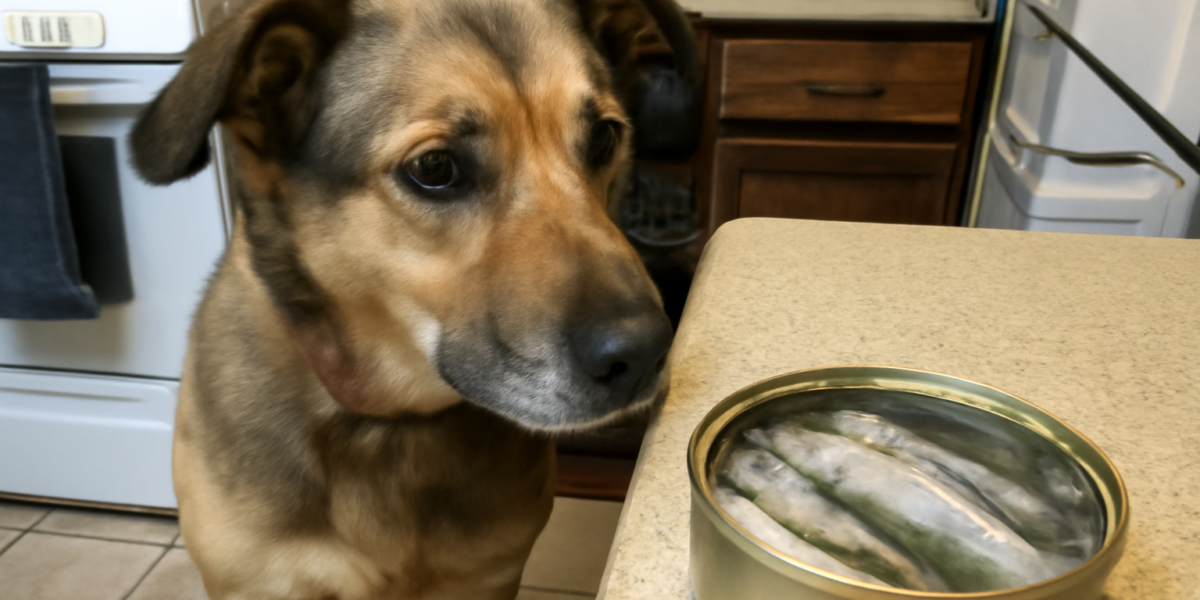
Yes, dogs can eat sardines in water, and this is widely considered the safest and most beneficial form of canned fish for canines. Sardines packed in water contain no added oils that contribute excess calories, no salt-heavy sauces, and no seasonings that might irritate your dog’s digestive system. They are a clean, protein-rich, omega-3-packed food that most dogs absolutely love.
Sardines are small, short-lived fish that accumulate far less mercury than larger species like tuna or swordfish. This makes them one of the safest seafood options for regular feeding. The soft, edible bones provide a natural source of calcium, and the omega-3 fatty acids, particularly EPA and DHA, support skin, coat, joint, and brain health.
Nutritional Benefits of Water-Packed Sardines
Sardines in water are a nutritional powerhouse for dogs. A standard 3.75-ounce can contains approximately 120 calories, 23 grams of protein, and 3 grams of fat. The fat profile is where sardines really shine, as most of it comes from omega-3 fatty acids.
Omega-3 fatty acids (EPA and DHA) are essential for reducing inflammation throughout the body. Dogs with arthritis, skin allergies, or inflammatory bowel conditions often benefit noticeably from regular omega-3 supplementation. Sardines provide these fatty acids in a whole-food form that is more bioavailable than many fish oil supplements.
Calcium and phosphorus from the soft, edible bones support strong teeth and bones. This is particularly valuable for growing puppies and senior dogs at risk of bone density loss.
Vitamin D is present in meaningful amounts. Many dogs do not get adequate vitamin D from their diet alone, and sardines can help fill this gap. Vitamin D supports calcium absorption, immune function, and muscle health.
Vitamin B12 supports nervous system function and red blood cell production. Sardines are one of the richest natural sources of this essential vitamin. Coenzyme Q10, selenium, and iodine round out the micronutrient profile.
Verdict: Highly Recommended
Sardines in water earn one of the strongest endorsements among human foods for dogs. They are nutritious, safe, affordable, and convenient. The key qualifier is choosing sardines packed in water with no added salt. Some brands add salt even to water-packed sardines, so always check the label and choose options that list “sardines” and “water” as the only ingredients.
Avoid sardines packed in oil, tomato sauce, mustard, or any flavored liquid. Oil-packed sardines nearly double the calorie content, and sauces often contain onion, garlic, sugar, or excessive sodium.
Portions by Dog Size
Because sardines are calorie-dense relative to their small size, portion control matters, especially for dogs watching their weight. Use these guidelines for water-packed sardines:
- Small dogs (under 20 lbs): One to two sardines (individual fish, not cans) two to three times per week. For tiny breeds under 10 pounds, half a sardine per serving is sufficient.
- Medium dogs (20-50 lbs): Two to four sardines two to three times per week. About half a standard can per serving.
- Large dogs (50-90 lbs): Four to six sardines, or roughly one small can, two to three times per week.
- Giant breeds (over 90 lbs): One full can two to three times per week. Some giant breeds can handle slightly more, but keep sardines within the 10 percent treat calorie guideline.
When introducing sardines for the first time, start with half the recommended serving and observe your dog for 24 hours. Fish is a common allergen in some dogs, and introducing it gradually helps you catch any adverse reactions early.
How to Serve Sardines to Your Dog
One of the best things about canned sardines is their convenience. No cooking or preparation is required. Simply open the can, drain the water, and serve. Here are several serving options:
- Meal topper: Place one or two sardines on top of your dog’s regular kibble or wet food. The fish flavor and aroma often encourage picky eaters to clean their bowls.
- Training treat: Break sardines into small pieces for high-value training rewards. They are messy but incredibly motivating for most dogs.
- Frozen treat: Mash sardines with a fork, spoon into ice cube trays or silicone molds, and freeze for a cool, enriching summer snack.
- Mixed into homemade food: If you prepare your dog’s meals at home, sardines make an excellent protein and omega-3 source. Mash them into the food so the bones distribute evenly.
You can serve sardines straight from the can at room temperature, or warm them slightly by adding a splash of warm water. Never microwave sardines in the can, and always check for any unusual smell or appearance before serving, as spoiled fish can cause severe food poisoning.
Trouble Signs to Watch For
While sardines are safe for most dogs, some potential issues can arise:
- Fishy breath and gas: The most common and least concerning side effect. Your dog’s breath will likely smell like fish for a few hours after eating sardines. Some dogs also experience mild gas. This is normal and not a health concern.
- Diarrhea or loose stools: Usually caused by feeding too many sardines at once, especially the first time. The oils and fats, even in water-packed versions, can cause loose stools in sensitive dogs. Reduce the portion and reintroduce slowly.
- Vomiting: If your dog vomits after eating sardines, they may have a fish sensitivity or allergy. Discontinue feeding and consult your veterinarian.
- Itchy skin or hives: Fish allergy symptoms can include skin irritation, redness, or hives. While fish allergies are less common than chicken or beef allergies in dogs, they do occur. Stop feeding sardines if you notice these reactions.
- Weight gain: A full can of sardines contains about 120 calories. Feeding a can daily to a small dog without adjusting their regular food can lead to gradual weight gain. Always account for sardine calories in your dog’s daily intake.
Mercury toxicity is extremely unlikely with sardines due to their small size and short lifespan, but it is still wise to limit fish intake to two to three times per week rather than feeding it daily. This precaution applies to all fish, not just sardines.
Sardines in Water vs. Other Canned Fish for Dogs
Not all canned fish is created equal when it comes to canine safety. Here is how sardines in water compare to other options.
Sardines in oil are nutritionally similar but contain significantly more calories due to the added oil, which is usually soybean or sunflower oil. These oils are high in omega-6 fatty acids, which can promote inflammation when consumed in excess, potentially negating some of the anti-inflammatory benefits of the sardines’ own omega-3 content.
Canned tuna is another popular option but carries more mercury risk due to tuna’s larger size and longer lifespan. If you feed tuna, choose light tuna packed in water and limit it to once per week. Sardines are generally a safer regular option than tuna for ongoing supplementation.
Canned salmon provides similar omega-3 benefits and is another solid choice for dogs. Wild-caught salmon in water is preferable to farmed varieties. However, sardines edge out salmon in the mercury department and are typically less expensive.
Canned mackerel is rich in omega-3s but tends to be higher in sodium. If using mackerel, choose low-sodium water-packed varieties and rinse before serving. Anchovies are similar to sardines in size and safety profile, making them another excellent small-fish option.
Frequently Asked Questions
Can puppies eat sardines in water?
Yes, puppies over eight weeks old can eat sardines in water. Start with a small portion of one sardine mashed into their regular food. The omega-3s and calcium support healthy development. Limit to once or twice per week for puppies, and always choose no-salt-added varieties.
Do I need to remove the bones from canned sardines?
No. The bones in canned sardines are soft and fully edible, having been cooked during the canning process. They crumble easily and provide a natural calcium source. They pose no choking or splintering risk. However, fresh sardine bones that have not been canned should be handled with more caution.
Can dogs eat sardines every day?
While sardines are safe, daily feeding is not recommended. Two to three times per week provides ample omega-3 benefits without excessive calorie or potential mercury accumulation. Rotating sardines with other healthy treats keeps your dog’s diet varied and balanced.
Are sardines good for dogs with itchy skin?
Many veterinarians recommend omega-3 fatty acids for dogs with allergic skin conditions, and sardines are an excellent whole-food source. The anti-inflammatory properties of EPA and DHA can help reduce itching, redness, and flaking over time. Results typically take four to six weeks of consistent supplementation to become noticeable. Check with your veterinarian for a comprehensive allergy management plan.
What brand of sardines is best for dogs?
Look for brands that list only sardines and water as ingredients, with no added salt. Wild-caught sardines are preferable to farmed. Popular options available in most grocery stores include Wild Planet, Crown Prince, and Season brand. Always check the nutrition label for sodium content, aiming for products with less than 100 milligrams per serving.


