
Last updated: April 10, 2026
In this article
Anchovies may be small, but they deliver an outsized nutritional punch that makes them one of the most beneficial whole-food treats you can give your dog. These tiny, silvery fish are dense with omega-3 fatty acids, complete protein, and essential minerals — all in a natural, minimally processed form that dogs tend to find irresistibly appealing. Like their close relative the sardine, anchovies sit near the bottom of the marine food chain, which means they accumulate far less mercury and environmental contaminants than larger fish. If you have been considering a natural omega-3 supplement for your dog’s skin, coat, or joint health, anchovies are an excellent and often overlooked option.
Quick Answer: Yes, dogs can eat anchovies, and they are highly nutritious. Choose fresh, frozen, dried, or canned anchovies packed in water with no added salt. Avoid anchovies packed in oil, salt-cured anchovies, and anchovy paste, which contain excessive sodium and fat. Anchovies provide omega-3 fatty acids (EPA and DHA), calcium, vitamin D, selenium, and high-quality protein. Feed small quantities appropriate to your dog’s size — a few small anchovies two to three times per week for most dogs.
Are Anchovies Safe for Dogs?
Anchovies are safe for dogs and are increasingly recognized by veterinarians and canine nutritionists as one of the best natural whole-food supplements available. Several commercial dog treat brands now sell dried anchovies specifically marketed for canine consumption, which speaks to their growing acceptance in the pet nutrition community.
The primary safety advantage of anchovies is their position in the marine food chain. Anchovies (family Engraulidae) are small, plankton-feeding fish with a typical lifespan of just two to four years. Because they are so small and short-lived, they have very little opportunity to accumulate mercury, polychlorinated biphenyls (PCBs), and other environmental contaminants that concentrate in the tissues of larger, longer-lived predatory fish. According to the FDA, anchovies are classified among the “best choices” for low-mercury fish consumption.
The bones in anchovies are safe for dogs to eat. Whether you are serving canned, dried, or cooked fresh anchovies, the bones are thin, small, and soft enough to be chewed and digested without risk. In canned anchovies, the bones are softened further by the canning process. These edible bones are a valuable source of calcium and phosphorus.
However, not all anchovy products are appropriate for dogs. The distinction is critical:
- Safe: Fresh anchovies (cooked), frozen anchovies (thawed and cooked), canned anchovies in water with no added salt, and plain dried or dehydrated anchovies.
- Unsafe or not recommended: Salt-cured anchovies (the type commonly found in tins at grocery stores and used on pizza), anchovy paste, anchovies packed in olive oil, marinated anchovies, and any anchovy product with added seasonings. Salt-cured anchovies can contain extreme amounts of sodium — a single tin may have over 3,000 mg of sodium, which is far more than a dog should consume.
Nutritional Profile of Anchovies
Anchovies are remarkably nutrient-dense for their size. A one-ounce (28 gram) serving of anchovies in water, drained, contains approximately:
- Calories: 37
- Protein: 5.8 grams
- Fat: 1.4 grams
- Omega-3 fatty acids (EPA + DHA): approximately 400 to 600 mg
- Calcium: 46 mg (higher when bones are consumed)
- Iron: 0.9 mg
- Selenium: 11 mcg
- Vitamin D: 1.6 mcg (64 IU)
- Vitamin B12: 0.6 mcg
- Niacin (Vitamin B3): 4 mg
- Phosphorus: 50 mg
- Potassium: 109 mg
- Zinc: 0.5 mg
The omega-3 fatty acid content is the headline nutrient. Anchovies are among the richest natural sources of EPA (eicosapentaenoic acid) and DHA (docosahexaenoic acid) — the two omega-3 forms that are directly bioavailable and usable by the dog’s body. This is a significant advantage over plant-based omega-3 sources like flaxseed oil, which provide ALA (alpha-linolenic acid) that must be converted to EPA and DHA through a metabolic process that is highly inefficient in dogs, with conversion rates often below 5 percent.
The protein in anchovies is complete, meaning it contains all essential amino acids required by dogs. Fish protein is also highly digestible, making it a good option for dogs with protein sensitivities to more common sources like chicken or beef.
Selenium is a trace mineral with powerful antioxidant properties. It works in conjunction with vitamin E to protect cells from oxidative damage and supports thyroid function and immune system regulation. The vitamin D in anchovies supports calcium absorption, bone health, and immune function. Niacin (vitamin B3) plays a role in energy metabolism, nervous system function, and skin health.
Anchovy for anchovy, the nutrient density rivals that of any other whole food. The combination of omega-3s, complete protein, calcium from edible bones, and a broad spectrum of micronutrients makes anchovies a genuinely exceptional nutritional package in a very small serving.
Health Benefits of Anchovies for Dogs
Regular, moderate anchovy supplementation can provide a range of health benefits for dogs:
- Skin and coat improvement: EPA and DHA are the most effective nutrients for improving coat quality and addressing skin issues. Dogs supplemented with marine-source omega-3s frequently develop shinier, softer coats and experience reductions in dry skin, flaking, and excessive shedding. For dogs with allergic dermatitis, omega-3s from anchovies can help modulate the inflammatory response in the skin.
- Joint health and arthritis management: The anti-inflammatory properties of EPA and DHA are well-documented in veterinary medicine. Multiple clinical studies have demonstrated that omega-3 supplementation can reduce joint inflammation, improve mobility, and decrease reliance on nonsteroidal anti-inflammatory drugs in dogs with osteoarthritis. This makes anchovies particularly valuable for senior dogs and breeds predisposed to joint problems.
- Cardiovascular health: Omega-3 fatty acids support heart function by helping to reduce blood triglyceride levels, decrease blood pressure, and lower the risk of arrhythmias. For dogs with or at risk for heart disease, omega-3 supplementation is often part of the veterinary management plan.
- Brain development and cognitive function: DHA is a structural component of brain tissue and the retina. Adequate DHA intake is critical for cognitive development in puppies and may help preserve mental sharpness in aging dogs. Veterinary research suggests that DHA supplementation may benefit dogs showing signs of canine cognitive dysfunction syndrome.
- Kidney support: Emerging veterinary research suggests that omega-3 fatty acids may help slow the progression of chronic kidney disease in dogs by reducing inflammation and improving blood flow to the kidneys. If your dog has kidney concerns, discuss anchovy supplementation with your veterinarian.
- Immune system modulation: The combination of omega-3s, selenium, and vitamin D in anchovies supports balanced immune function. This can be beneficial for dogs with autoimmune conditions or chronic allergies, where the immune system is either overactive or misdirected.
- Dental and bone health: The calcium and phosphorus from edible anchovy bones, combined with vitamin D for optimal calcium absorption, contribute to strong teeth and bones.
Risks and Side Effects of Anchovies for Dogs
While anchovies are one of the safest fish for dogs, they are not without considerations:
- Sodium content: This is the most significant risk factor, and it relates to product selection rather than the fish itself. Salt-cured anchovies, which are the most common form sold for human consumption, contain dangerously high levels of sodium for dogs. Even canned anchovies labeled “in water” may contain some added salt. Always read the nutrition label and choose products with the lowest sodium content available. Excessive sodium intake can cause increased thirst, dehydration, vomiting, diarrhea, and in severe cases, sodium ion poisoning, which can be life-threatening.
- Caloric and fat considerations: While anchovies are relatively small in portion size, the omega-3 fats they contain do add calories. For small dogs or dogs on weight management programs, anchovy portions must be accounted for within the daily caloric budget. Overfeeding oily fish can also contribute to digestive upset and, in predisposed dogs, pancreatitis.
- Pancreatitis risk: Dogs with a history of pancreatitis should consume anchovies cautiously, if at all. While the fats in anchovies are healthy fats, any concentrated source of dietary fat can potentially trigger a pancreatitis episode in susceptible dogs. Consult your veterinarian before adding anchovies to the diet of a dog with pancreatic history.
- Digestive upset: Introducing anchovies too quickly, especially to dogs not accustomed to fish, can cause loose stools, gas, or vomiting. The strong flavor and oily nature of anchovies can be surprising to a dog’s digestive system. Start with a small amount and increase gradually.
- Fish allergy: A small percentage of dogs are allergic to fish protein. Symptoms of a fish allergy include itching, skin redness, ear infections, gastrointestinal upset, and swelling. If your dog has never eaten fish, introduce anchovies in a very small quantity and monitor for 48 hours before offering a full portion.
- Thiaminase in raw fish: Raw anchovies contain thiaminase, an enzyme that destroys thiamine (vitamin B1). Chronic thiamine deficiency can cause serious neurological problems. Always cook fresh anchovies before serving, or use commercially canned or dried products where the processing has inactivated thiaminase.
- Strong odor: While not a health risk, anchovies have a very strong fishy smell that some owners find unpleasant. Dogs, on the other hand, typically find the smell highly attractive.
How to Feed Anchovies to Your Dog Safely
There are several ways to incorporate anchovies into your dog’s diet. Here are the best approaches:
Canned Anchovies
Choose canned anchovies packed in water with no added salt. Drain the liquid, and if any salt is present, rinse the anchovies briefly under running water. Mash them with a fork for small dogs or serve whole for larger dogs. Mix into your dog’s regular food or offer as a standalone treat.
Dried or Dehydrated Anchovies
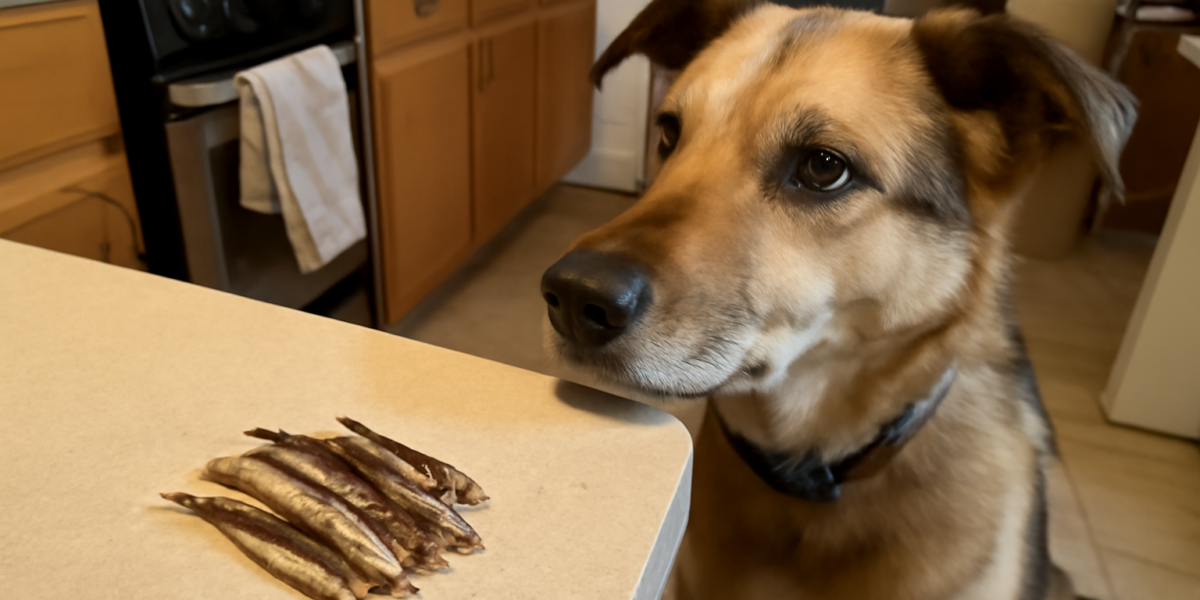
Dried anchovies sold as dog treats are an increasingly popular and convenient option. They are shelf-stable, easy to portion, and most dogs love the crunchy texture. Check the ingredient list to ensure no salt or seasonings have been added. Dried anchovies are more calorie-dense per weight than fresh or canned anchovies because the water has been removed, so adjust portions accordingly.
Fresh Anchovies
If fresh anchovies are available at your fish market, they can be baked at 350 degrees Fahrenheit for 10 to 12 minutes or steamed for 5 to 8 minutes. Do not fry or add oil, butter, or seasonings. Allow to cool completely before serving. Fresh cooked anchovies should be refrigerated and used within two days.
Recommended serving sizes:
- Small dogs (under 20 lbs): 2 to 3 small anchovies, two to three times per week
- Medium dogs (20–50 lbs): 4 to 6 anchovies, two to three times per week
- Large dogs (50 lbs and over): 6 to 10 anchovies, two to three times per week
When adding anchovies to your dog’s diet, reduce their regular food portion slightly to account for the additional calories. As a general guideline, anchovies and all other treats combined should not exceed 10 percent of your dog’s daily caloric intake.
Signs of Problems After Eating Anchovies
Most dogs tolerate anchovies very well, but watch for these signs of potential issues:
- Diarrhea or loose stools: The most common issue, typically caused by introducing anchovies too quickly or feeding too many at once. Reduce the portion size and reintroduce more gradually over a week.
- Vomiting: May occur in dogs with sensitive stomachs or those that are not accustomed to eating fish. A single episode usually resolves on its own. Repeated vomiting warrants veterinary consultation.
- Excessive thirst and urination: These are signs that the anchovies may have contained too much sodium. Switch to a lower-sodium product, ensure your dog has access to plenty of fresh water, and monitor. If symptoms persist, contact your veterinarian.
- Abdominal discomfort: Signs include hunching, reluctance to move, whining, or a tense abdomen. In dogs with a history of pancreatitis, these could indicate a pancreatic episode. Seek veterinary attention promptly.
- Skin reactions or itching: Could indicate a fish allergy. Discontinue anchovies and consult your veterinarian for allergy evaluation. Fish allergies are uncommon but do occur in some dogs.
- Fishy breath and flatulence: Normal and expected. Not a health concern, though it may test your tolerance. The strong fish odor is a natural consequence of feeding oily fish and typically diminishes between feedings.
If your dog accidentally consumes a large quantity of salt-cured anchovies, the sodium content is the primary concern. Signs of excessive sodium intake include extreme thirst, vomiting, diarrhea, lethargy, tremors, and seizures. Contact your veterinarian or the ASPCA Animal Poison Control Center at (888) 426-4435 immediately if you suspect your dog has consumed a significant amount of heavily salted anchovies.
Alternatives to Anchovies for Dogs
If anchovies are not available or your dog does not enjoy them, these alternatives can provide similar nutritional benefits:
- Sardines: The closest nutritional equivalent to anchovies. Sardines are slightly larger, equally low in mercury, and rich in omega-3s, calcium, and vitamin D. Choose sardines in water with no added salt, just as you would anchovies.
- Salmon: Rich in omega-3 fatty acids and protein. Always serve cooked — never raw — as raw salmon can harbor the Neorickettsia helminthoeca parasite that causes salmon poisoning disease, which can be fatal in dogs. Canned wild salmon (with bones) is a safe and convenient option.
- Fish oil supplements: High-quality fish oil capsules or liquid formulated for dogs provide concentrated EPA and DHA without the need to prepare whole fish. Follow the manufacturer’s dosing guidelines for your dog’s weight.
- Smelt: Another small, whole fish that dogs can eat with bones intact. Smelt are lower in omega-3s than anchovies but still provide good protein and mineral content.
- Herring: An oily fish with omega-3 levels comparable to anchovies and sardines. Available canned or fresh, herring should be served cooked and unseasoned.
Providing your dog with nutrient-rich foods like anchovies is a meaningful act of care that supports their long-term health and quality of life. If you are looking to share that kind of dedicated love with a four-legged companion, consider adopting through Walk Me Home Rescue. There are wonderful dogs waiting for families who will nourish them with good food, warm shelter, and unconditional love.
Frequently Asked Questions
Can dogs eat dried anchovies?
Yes, dried or dehydrated anchovies are an excellent treat for dogs. Many pet supply stores and online retailers sell dried anchovies specifically packaged as dog treats. They are shelf-stable, easy to store, and most dogs love the crunchy texture and concentrated fish flavor. When purchasing dried anchovies, check the ingredient list carefully. The only ingredient should be anchovies — no salt, no preservatives, no added flavoring. Be aware that dried anchovies are more calorie-dense per piece than fresh or canned anchovies because the water has been removed, so the fats and proteins are more concentrated. Adjust portions accordingly. Dried anchovies can also be crumbled and used as a food topper to entice picky eaters.
What is the difference between anchovies and sardines for dogs?
Both anchovies and sardines are excellent, low-mercury fish for dogs, and they offer very similar nutritional benefits. The main differences are size and omega-3 concentration. Anchovies are smaller (typically 2 to 4 inches), while sardines are larger (typically 4 to 8 inches). Ounce for ounce, anchovies tend to have a slightly higher concentration of omega-3 fatty acids. Anchovies also have a stronger, more pungent flavor that some dogs find more enticing. Nutritionally, the two are largely interchangeable, and many owners rotate between them for variety. Either one is an outstanding whole-food omega-3 source for dogs.
Can puppies eat anchovies?
Yes, puppies can eat anchovies in small amounts, and the DHA content is actually particularly beneficial during the growth period. DHA is essential for brain development, cognitive function, and visual acuity in young dogs. Start with a single small anchovy mashed into your puppy’s food and observe for any digestive upset. Puppies should receive the majority of their nutrition from a complete, balanced puppy food formulated for their growth needs, with anchovies serving as an occasional nutritional supplement rather than a dietary staple. Consult your veterinarian for guidance on appropriate amounts based on your puppy’s breed and size.
How do I choose the best anchovies for my dog?
The ideal anchovies for dogs meet these criteria: packed in water (not oil), no added salt or seasonings, and wild-caught when available. Check the nutrition label for sodium content — aim for products with less than 100 mg of sodium per serving. If you can only find anchovies with some added salt, rinsing them under running water will remove a significant portion of surface sodium. For dried anchovies, look for single-ingredient products with no preservatives. Avoid salt-cured anchovies sold in small tins at regular grocery stores, as these are intended for human culinary use and contain extremely high sodium levels that are unsafe for dogs.
Can I give my dog anchovy oil instead of whole anchovies?
Yes, anchovy oil is a safe and effective alternative to whole anchovies. High-quality anchovy oil provides concentrated EPA and DHA in liquid form that can be drizzled over your dog’s food. This can be a good option for dogs that refuse to eat whole fish, dogs with fish texture aversions, or owners who find the smell of whole anchovies too strong. Look for anchovy oil products specifically formulated for pets, as they provide appropriate dosing guidelines. Human-grade anchovy oil is also fine, but you will need to determine the correct dosage based on your dog’s weight — a general guideline is approximately 75 to 100 mg of combined EPA and DHA per 10 pounds of body weight per day, but consult your veterinarian for a precise recommendation tailored to your dog’s needs.
Are anchovies on pizza safe for dogs?
No, pizza anchovies are not safe for dogs. The anchovies used on pizza are typically salt-cured fillets that have been packed in oil and heavily seasoned. A single serving of pizza anchovies can contain over 1,000 mg of sodium, which is far too much for any dog. Additionally, pizza itself contains ingredients harmful to dogs, including the high-fat cheese, potentially toxic garlic and onion in the sauce, and the calorie-dense crust. If your dog sneaks a piece of pizza with a few anchovy pieces on it, a small amount is unlikely to cause a medical emergency, but it is not a practice to encourage. Stick to plain anchovies in water or dried anchovies formulated as dog treats.


