
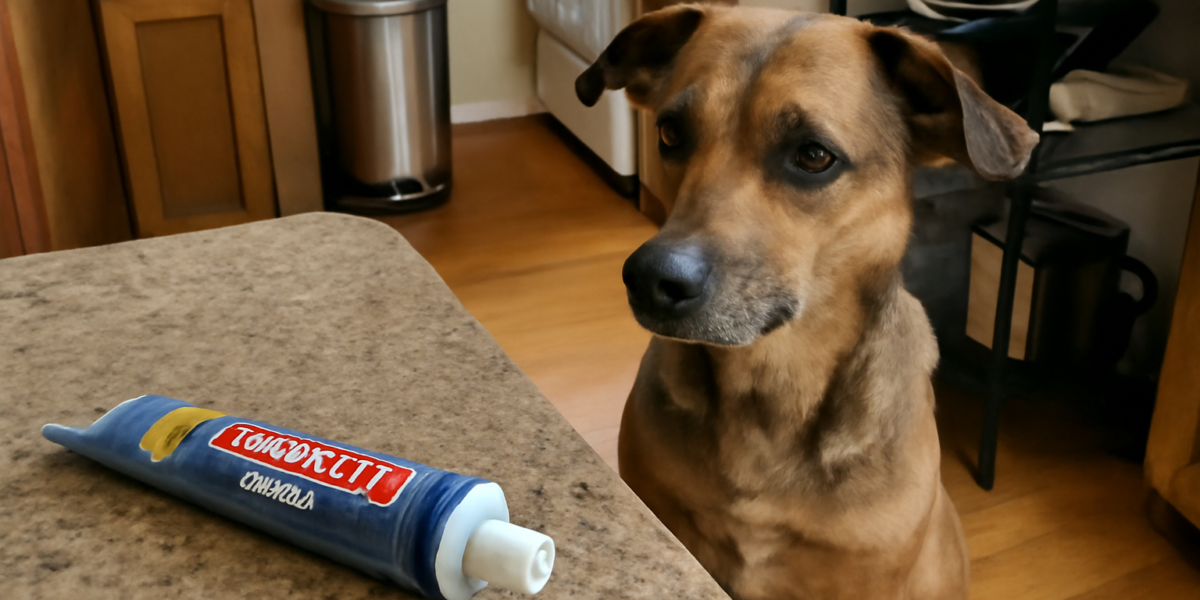
Can Dogs Eat Anchovy Paste? Proceed With Caution
Anchovy paste is not toxic to dogs, but it should be offered only in very small amounts due to its extremely high sodium content. While anchovies themselves are an excellent source of omega-3 fatty acids for dogs, the paste form concentrates salt to levels that can be problematic, especially for small dogs or those with heart or kidney conditions.
In this article
A tiny dab of anchovy paste as a rare flavor enhancer on top of regular food is unlikely to harm a healthy dog. However, there are far better ways to give your dog the benefits of anchovies without the sodium load. Fresh or canned anchovies packed in water are safer and more nutritious alternatives.
If your dog has already eaten anchovy paste, the most important step is ensuring they have access to plenty of fresh water and monitoring for signs of sodium overload.
What Makes Anchovy Paste Problematic
Anchovy paste is made by grinding salted, cured anchovies into a smooth, concentrated spread. The curing process relies heavily on salt as a preservative, and additional salt is often added during manufacturing for flavor and shelf stability.
A single teaspoon of anchovy paste typically contains 700 to 1,000 milligrams of sodium. To put that in perspective, a healthy 30-pound dog needs only about 100 milligrams of sodium per day, and most commercial dog foods already meet or exceed that requirement. One teaspoon of anchovy paste could deliver seven to ten times a medium dog’s daily sodium needs in a single serving.
Beyond sodium, anchovy paste may contain additional ingredients that are not ideal for dogs:
- Olive oil: Generally safe in small amounts but adds extra calories and fat.
- Garlic: Some brands include garlic as a flavoring agent. Garlic is toxic to dogs and can cause oxidative damage to red blood cells.
- Sugar: Occasionally added for flavor balance. Unnecessary for dogs and contributes to dental problems and weight gain.
- Preservatives: Various chemical preservatives may be present depending on the brand.
Always read the ingredient label before offering any anchovy paste to your dog. If garlic appears anywhere on the list, do not feed it to your dog at all.
Safe Portions by Dog Size
If you choose to offer a garlic-free anchovy paste to your healthy dog as an occasional treat, keep portions extremely small to manage sodium intake.
- Small dogs (under 20 pounds): A thin smear, roughly an eighth of a teaspoon, is the maximum. This should be a rare occurrence, no more than once a week, and only for healthy dogs with no cardiovascular or kidney issues.
- Medium dogs (20 to 50 pounds): Up to a quarter teaspoon as an occasional food topper. Limit to once or twice per week at most.
- Large dogs (50 to 90 pounds): Up to half a teaspoon mixed into food as a flavor enhancer. No more than twice per week.
- Giant breeds (over 90 pounds): Up to three-quarters of a teaspoon. Even for large dogs, this should remain an occasional treat rather than a regular dietary addition.
Ensure your dog has access to plenty of fresh water after consuming anchovy paste. The high sodium content will make them thirsty, and adequate hydration helps the kidneys process the extra salt.
The Omega-3 Benefits of Anchovies
The reason many dog owners consider anchovy paste in the first place is the omega-3 fatty acid content. Anchovies are one of the best natural sources of EPA and DHA, the two forms of omega-3 that provide the most health benefits for dogs.
Omega-3 fatty acids support dogs in several important ways:
- Joint health: EPA has anti-inflammatory properties that can reduce joint pain and stiffness, particularly in older dogs with arthritis.
- Skin and coat: Omega-3s help maintain skin moisture and produce a shiny, healthy coat. Dogs with dry, flaky skin often improve with omega-3 supplementation.
- Heart health: DHA and EPA support cardiovascular function, though this benefit is ironic given the heart risks associated with excess sodium in anchovy paste.
- Cognitive function: DHA supports brain health and may help maintain cognitive function in aging dogs.
- Immune response: Omega-3s modulate inflammatory responses, supporting balanced immune function.
The challenge with anchovy paste specifically is that the sodium cost outweighs the omega-3 benefit. You would need to feed a dangerous amount of sodium to get a meaningful omega-3 dose from paste alone.
Better Alternatives to Anchovy Paste
Fortunately, several options deliver the omega-3 benefits of anchovies without the excessive sodium.
Whole canned anchovies in water: Look for unsalted or low-sodium varieties packed in water rather than oil. One or two small anchovies provide a good omega-3 boost with a fraction of the sodium found in paste. Rinse them before serving to reduce salt further.
Fresh or frozen whole anchovies: Available at some fish markets and Asian grocery stores. These can be fed raw or lightly steamed. They are the lowest-sodium option and provide the most complete nutritional profile including bones for calcium.
Fish oil supplements: Pharmaceutical-grade fish oil formulated for pets delivers concentrated EPA and DHA with zero sodium. Follow dosing guidelines based on your dog’s weight and consult your veterinarian about the right product.
Sardines in water: Similar to anchovies in nutritional profile, sardines packed in water with no added salt are widely available and well-tolerated by most dogs. They are larger and easier to portion than anchovies.
For more information on nutrient-rich foods for dogs, check out our guide on bone marrow for dogs or learn about cricket protein as a novel food source.
Trouble Signs After Eating Anchovy Paste
If your dog ate more anchovy paste than recommended, or if you are unsure how much they consumed, watch for these symptoms of sodium overload.
Mild symptoms that typically resolve with access to water:
- Excessive thirst and increased water consumption
- Increased urination
- Mild gastrointestinal upset including loose stools
Moderate to severe symptoms requiring veterinary attention:
- Vomiting, especially if repeated
- Diarrhea that persists beyond 24 hours
- Lethargy or unusual tiredness
- Swelling of the abdomen or limbs from fluid retention
- Tremors, staggering, or seizures in severe cases of salt poisoning
- Loss of appetite lasting more than one meal
Salt poisoning, or hypernatremia, is a medical emergency. It is unlikely from a small amount of anchovy paste, but dogs who get into an entire tube could be at risk, particularly small dogs. If your dog consumed a large quantity and shows any neurological symptoms like tremors or disorientation, seek emergency veterinary care immediately.
Dogs with pre-existing heart disease, kidney disease, or high blood pressure should not eat anchovy paste at all. The sodium can worsen these conditions even in small amounts. Consult your veterinarian about safe omega-3 supplementation alternatives for dogs with these health concerns.
Frequently Asked Questions
Can dogs eat anchovy paste every day?
No. The sodium content is too high for daily consumption. Even in small amounts, daily anchovy paste would contribute to chronic sodium excess. If you want to give your dog daily omega-3 benefits, use a pet-formulated fish oil supplement instead.
Is anchovy paste better than fish oil for dogs?
Fish oil is a better choice for regular omega-3 supplementation. It delivers concentrated EPA and DHA without the sodium, garlic, and additives found in anchovy paste. Anchovy paste was designed as a human cooking ingredient, not a pet supplement.
My dog ate a whole tube of anchovy paste. What should I do?
Provide plenty of fresh water immediately and monitor your dog closely. A standard tube contains about two ounces with significant sodium. For small dogs especially, this warrants a call to your veterinarian or a pet poison helpline. Watch for vomiting, excessive thirst, tremors, or lethargy over the next 12 to 24 hours.
Can puppies eat anchovy paste?
Puppies should not eat anchovy paste. Their smaller body size makes them more vulnerable to sodium excess, and their developing kidneys are less efficient at processing salt. If you want to introduce fish to a puppy’s diet, small pieces of plain cooked fish or a veterinary-approved omega-3 supplement are much safer options. Visit our dog adoption hub for more puppy care resources.
Are there any brands of anchovy paste safe for dogs?
No commercial anchovy paste is specifically formulated for dogs. All brands contain levels of sodium that are excessive relative to canine needs. If you find a brand with no garlic and minimal ingredients, a tiny amount for a healthy dog is acceptable as a rare treat. But whole anchovies in water will always be the better choice. Check out our adoption page to find your next furry companion.


