
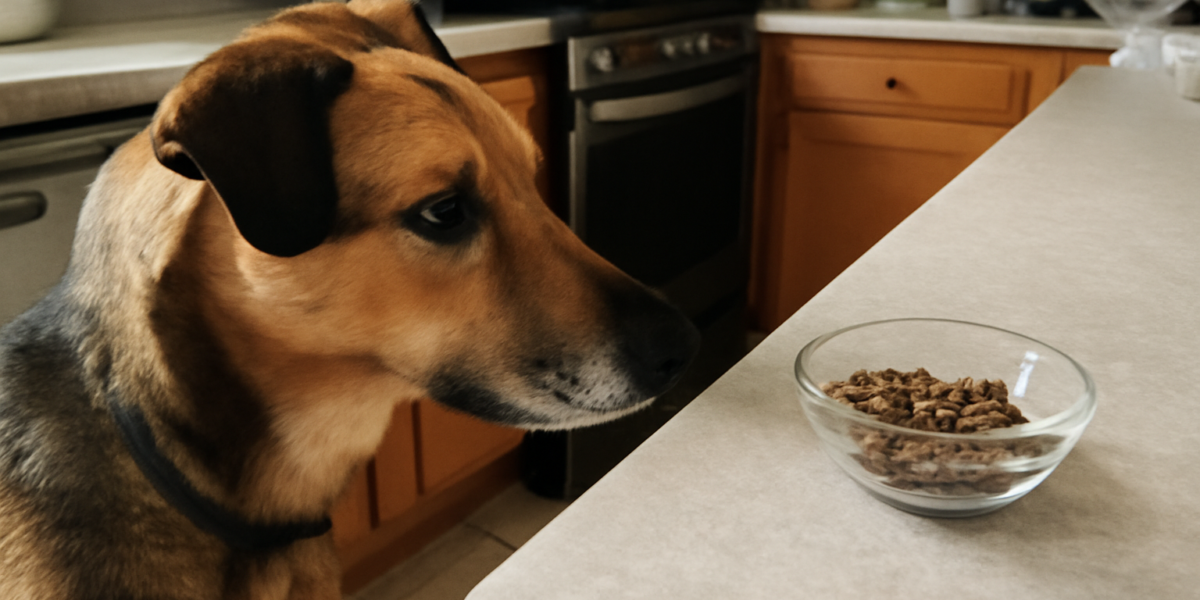
Can Dogs Eat Cricket Protein? A Sustainable New Option
Yes, dogs can eat cricket protein, and it is gaining recognition as a safe, nutritious, and environmentally sustainable protein source for canines. Cricket protein is not toxic to dogs, provides a complete amino acid profile, and has been shown in early research to be highly digestible. Several veterinary-formulated dog foods now include cricket or insect protein as a primary ingredient.
In this article
Cricket protein is particularly interesting for dogs with common food allergies to chicken, beef, or other conventional proteins. Because insects are so biologically different from the proteins most dogs have been exposed to, cricket protein acts as a novel protein that rarely triggers allergic reactions. This makes it a valuable option for elimination diets under veterinary guidance.
Whether you choose a commercial cricket-protein dog food, cricket flour as a food topper, or whole roasted crickets as treats, this protein source is safe for most healthy dogs when introduced properly.
Nutritional Benefits of Cricket Protein for Dogs
Cricket protein offers a surprisingly robust nutritional profile that compares favorably to traditional animal proteins used in dog food.
Key nutritional highlights include:
- Protein content: Cricket flour contains 60 to 70 percent protein by weight, compared to roughly 25 to 30 percent for cooked chicken breast. This concentrated protein provides all essential amino acids dogs require.
- Digestibility: Studies on insect protein digestibility in dogs suggest rates of 80 to 87 percent, comparable to chicken meal and higher than some plant proteins like soy.
- Omega fatty acids: Crickets contain omega-3 and omega-6 fatty acids that support skin, coat, and joint health.
- Iron: Cricket protein provides bioavailable iron at levels comparable to beef, supporting red blood cell production and oxygen transport.
- Calcium: Whole crickets, including their exoskeleton, provide natural calcium important for bone and dental health.
- B12: Essential for neurological function and energy metabolism, present in meaningful amounts in cricket protein.
- Fiber (chitin): The cricket exoskeleton contains chitin, a prebiotic fiber that may support healthy gut bacteria in dogs.
The chitin content deserves special attention. Chitin is a type of fiber found in insect exoskeletons that acts as a prebiotic, feeding beneficial gut bacteria. Some research suggests chitin may have antimicrobial properties as well, though more studies specific to dogs are needed.
Safe Portions by Dog Size
How you serve cricket protein determines the appropriate portion. Cricket flour as a food topper, whole roasted crickets as treats, and commercial cricket-protein dog foods all have different serving considerations.
Cricket Flour as a Food Topper
- Small dogs (under 20 pounds): Half a teaspoon to one teaspoon sprinkled over regular food, two to three times per week.
- Medium dogs (20 to 50 pounds): One to two teaspoons as a food topper, three to four times per week.
- Large dogs (50 to 90 pounds): One tablespoon as a food topper, up to daily.
- Giant breeds (over 90 pounds): One to two tablespoons as a food topper, up to daily.
Whole Roasted Crickets as Treats
- Small dogs: Three to five crickets per treat session.
- Medium dogs: Five to ten crickets per session.
- Large dogs: Ten to fifteen crickets per session.
- Giant breeds: Fifteen to twenty crickets per session.
If feeding a commercial dog food with cricket protein as the primary ingredient, follow the feeding guidelines on the package. These foods are formulated to be nutritionally complete and can replace traditional protein-based kibble entirely.
When introducing cricket protein for the first time, start with half the recommended amount and observe your dog for 48 hours. Watch for any signs of digestive upset before increasing to full portions.
Cricket Protein for Dogs With Allergies
Food allergies in dogs most commonly involve proteins the immune system has previously encountered and developed a sensitivity to. The most frequent culprits are chicken, beef, dairy, wheat, and soy. Because cricket protein is so unlike these conventional proteins at a molecular level, it is classified as a novel protein.
Novel proteins are the foundation of elimination diets used to identify food allergies. The process works by removing all previous protein sources from the diet and replacing them with a protein the dog has never eaten. If symptoms improve, the old proteins are reintroduced one at a time to pinpoint the trigger.
Cricket protein is increasingly recommended by veterinary dermatologists as a novel protein option for dogs undergoing elimination diets. Its amino acid profile is complete enough to serve as a sole protein source during the trial period, though this should always be done under veterinary supervision.
One important caveat: dogs with known shellfish allergies may react to cricket protein. Crickets and shellfish are both arthropods and share a protein called tropomyosin that can trigger cross-reactive allergies. If your dog has a documented shellfish sensitivity, discuss cricket protein with your veterinarian before introducing it.
Environmental Benefits of Insect Protein
For environmentally conscious pet owners, cricket protein offers compelling sustainability advantages over conventional livestock protein.
Crickets require approximately 12 times less feed than cattle, 4 times less than sheep, and 2 times less than pigs to produce the same amount of protein. They also use a fraction of the water and land. A cricket farm can produce protein vertically in small spaces, making it viable in urban environments.
Greenhouse gas emissions from cricket farming are roughly 80 percent lower than beef production. Crickets also produce minimal waste because nearly the entire animal is used, including the exoskeleton which provides chitin fiber.
The pet food industry represents a significant portion of global meat consumption. As more dog owners explore sustainable feeding options, cricket protein stands out as one of the most practical and nutritionally complete alternatives currently available.
Trouble Signs to Watch For
Cricket protein is well-tolerated by the vast majority of dogs, but as with any new food, individual reactions are possible.
Mild digestive adjustment symptoms:
- Slightly loose stools for the first day or two
- Increased gas, likely related to the chitin fiber content
- Temporary decrease in enthusiasm for the new food
These symptoms typically resolve within two to three days as the digestive system adapts. If they persist beyond a week, reduce the amount or discontinue.
Allergic reaction symptoms requiring veterinary attention:
- Itching, especially around the face, ears, and paws
- Hives or skin redness
- Vomiting or diarrhea that worsens rather than improves
- Swelling of the face or throat
- Difficulty breathing, which constitutes an emergency
True allergic reactions to cricket protein are rare but most likely in dogs with existing arthropod or shellfish sensitivities. If you notice any allergic symptoms, discontinue cricket protein and consult your veterinarian.
For more on alternative protein sources for dogs, check out our guide on elk liver for dogs or learn about anchovy paste safety.
Frequently Asked Questions
Are cricket-protein dog foods nutritionally complete?
Several AAFCO-compliant commercial dog foods use cricket or insect protein as the primary protein source and meet all nutritional requirements for adult dog maintenance. Look for products that display the AAFCO nutritional adequacy statement on the label. These can serve as your dog’s complete diet without supplementation.
Can puppies eat cricket protein?
Puppies can eat cricket protein, but ensure any cricket-based dog food is formulated for all life stages or specifically for growth. Puppy nutritional requirements differ from adults, particularly for calcium, phosphorus, and protein levels. A food meeting AAFCO growth standards that uses cricket protein as its base is safe for puppies.
Is cricket protein better than chicken for dogs?
Neither is objectively better. Both provide complete amino acid profiles and are highly digestible. Cricket protein has advantages for dogs with chicken allergies and for environmentally conscious owners. Chicken is more widely available and less expensive. The best protein source for your dog depends on their individual health needs and tolerances.
Can I feed my dog live crickets?
While not harmful, live crickets are not the most practical feeding method. They can escape, and some pet-store crickets may have been exposed to pesticides or parasites not intended for the food chain. Commercially raised food-grade crickets, whether roasted, dried, or ground into flour, are safer and more convenient. Visit our dog adoption hub to explore more resources for feeding and caring for your dog.
Where can I buy cricket protein for dogs?
Cricket-protein dog foods and treats are available from specialty pet retailers, online pet food stores, and directly from insect-protein pet food brands. Look for products specifically formulated for dogs rather than human-grade cricket flour, which may lack the vitamin and mineral fortification dogs need for a balanced diet. Check out pets available on our adoption page while you explore new nutrition options.


