
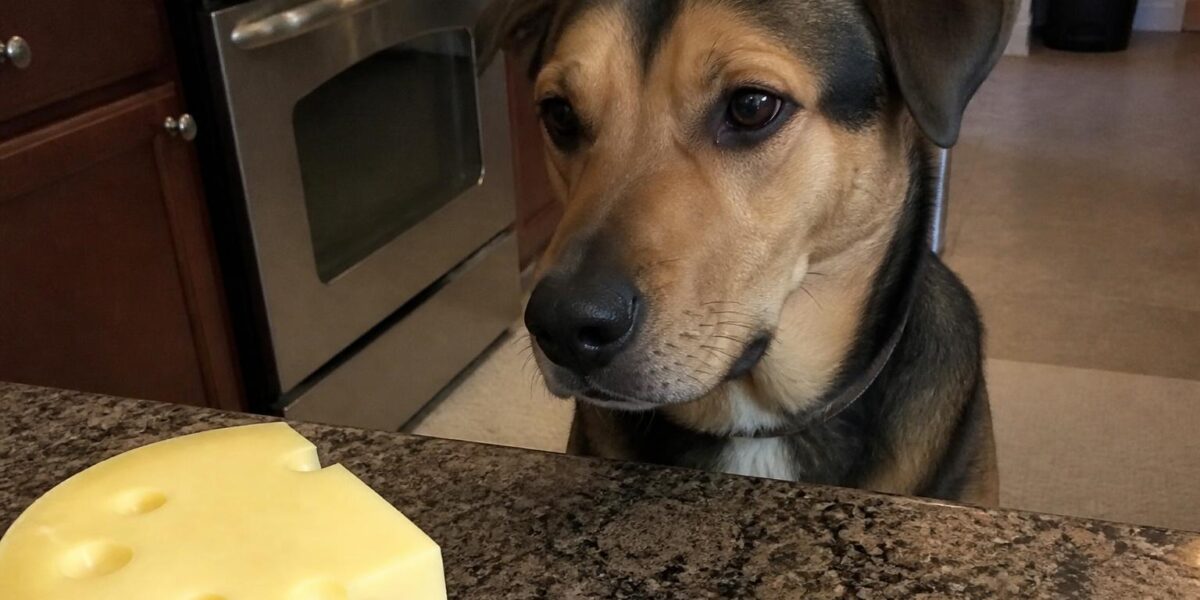
The Short Answer on Swiss Cheese for Dogs
Can dogs eat swiss cheese? Yes, swiss cheese is safe for most dogs in small amounts, which puts it in the “safe in moderation” category. It is not toxic, and a little cube makes a handy high-value training treat that many dogs love.
In this article
The catch is that cheese in general is high in fat and contains lactose, so it is easy to overdo. Dogs who are lactose-intolerant, overweight, or prone to pancreatitis should have very little or none. For a healthy dog with no dairy issues, though, an occasional small piece of swiss cheese is perfectly fine.
Swiss cheese has one advantage over some other cheeses: it tends to be lower in lactose than soft fresh cheeses, which means it is often easier on a dog’s stomach. Let’s look at how to share it wisely.
Cheese is one of those treats that dogs find almost irresistible, and many owners discover that a tiny cube of swiss is the secret weapon that finally gets a stubborn dog to take a pill or sit for a photo. Used thoughtfully and sparingly, that high value is a real asset for training and care. The trick is to never let the convenience tempt you into handing out more than a small amount.
Is Swiss Cheese Good for Dogs?
Swiss cheese offers some genuine nutrients. It is a source of protein and calcium, and it contains vitamins A and B12. Its naturally low lactose content, a result of the aging process, makes it gentler than fresher cheeses for many dogs.
It is also relatively lower in sodium than many processed cheeses, which is a small plus. The strong, appealing flavor makes it especially useful as a motivating reward during training sessions.
Still, dogs do not need cheese for nutrition, since a balanced diet already provides protein and calcium. Think of swiss cheese as a treat that happens to carry a few nutrients along for the ride, not as a health food.
The Risks of Feeding Cheese
Cheese is rich, and even a relatively dog-friendly variety like swiss comes with a few things to keep in mind.
Fat content. Swiss cheese is fairly high in fat. Too much fat can lead to weight gain over time and, in sensitive dogs, can trigger pancreatitis, a painful inflammation of the pancreas. Dogs with a history of pancreatitis should avoid cheese.
Lactose intolerance. Many adult dogs do not digest lactose well. While swiss is lower in lactose than soft cheeses, a dog with significant intolerance may still get gas, loose stool, or vomiting.
Calories. Cheese is calorie-dense, so even small amounts add up quickly and can contribute to obesity if you are not careful.
Sodium. All cheese contains some salt, so dogs on sodium-restricted diets should skip it.
How Much Swiss Cheese Can a Dog Eat?
Less is more when it comes to cheese. A small cube or two is plenty for most dogs, and tiny pea-sized pieces work perfectly for training rewards.
Match the amount to your dog’s size: a few small crumbs for a toy breed, up to a small cube for a large dog. Cheese and other treats together should stay within about 10 percent of your dog’s daily calories, so a little cheese means cutting back elsewhere.
The first time you offer swiss cheese, give just a tiny piece and watch for 24 hours. If there is no gas, vomiting, or diarrhea, you can include it occasionally. Always serve plain swiss cheese, never the flavored, smoked, or processed kind that may contain added seasonings.
Pay special attention to the difference between real swiss cheese and processed cheese products or cheese spreads. Many processed varieties contain extra salt, preservatives, and flavorings, and some spreadable cheeses are sold in flavors that include garlic or onion, which are toxic to dogs. A simple block or slice of plain swiss from the deli counter is always the safer bet than anything pre-flavored or heavily processed.
Swiss Cheese Versus Other Cheeses
Not all cheeses are created equal when it comes to dogs. Swiss sits in the moderate range, lower in lactose than fresh cheeses but higher in fat than some.
If you are comparing options, see our guides on whether dogs can eat cheese overall, plus specific picks like cottage cheese, parmesan, and in-batch siblings like gouda and mozzarella. Lower-fat options like cottage cheese are often the better everyday pick.
Whatever cheese you choose, avoid blue-veined varieties, which can produce substances harmful to dogs, and steer clear of any cheese with added herbs, garlic, or onion. When in doubt, your veterinarian can advise which cheeses suit your individual dog.
When to Skip Cheese Entirely
Some dogs should not have swiss cheese at all. If your dog is overweight, has had pancreatitis, or is on a special low-fat or low-sodium diet, it is best to leave cheese off the menu and choose a lighter treat instead.
Dogs who show clear signs of lactose intolerance, such as gas, bloating, or diarrhea after any dairy, are also better off without it. For these dogs, crunchy vegetables or vet-approved low-calorie treats are kinder choices.
Puppies are another group that deserves caution. While a tiny taste of swiss is not poisonous to a puppy, their developing digestive systems are easily upset, and rich dairy can cause loose stool that quickly leads to dehydration in a small body. It is far better to stick with treats formulated for puppies and save cheese, if you offer it at all, for a healthy adult dog. Senior dogs, too, often have more sensitive stomachs and slower metabolisms, so they benefit from leaner treats than a fatty cheese.
If your dog accidentally eats a large amount of cheese and develops vomiting, severe diarrhea, a painful belly, or lethargy, contact your veterinarian, as these can be signs of pancreatitis. For routine diet questions, your vet is always the best resource for guidance tailored to your dog.
Using Swiss Cheese for Training and Pills
One of the most practical reasons dog owners keep a little cheese on hand is its usefulness for medication and training. If your dog needs a daily pill and turns up their nose at it, a tiny piece of swiss cheese molded around the tablet often does the trick where nothing else will. Cheese is sticky and strongly flavored, so it masks both the texture and taste of medicine.
The key is to keep the cheese portion truly tiny, just enough to wrap the pill. You do not need a large chunk, and using a small amount keeps the fat and calories in check even with daily use. If your dog needs medication long-term, mention the cheese to your veterinarian so they can confirm it will not interfere with the drug or your dog’s diet.
For training, pea-sized pieces of swiss work beautifully as a high-value reward for difficult behaviors or new tricks. Because cheese is so motivating, you can reserve it for the moments that really matter, like recall practice or vet-visit desensitization, while using lower-calorie treats for routine repetition. This keeps your dog excited about the cheese without overdoing the calories.
If you find yourself relying on cheese daily, it is worth doing a little math. Subtract those cheese calories from your dog’s regular food so the extras do not quietly push your dog toward weight gain. A kitchen scale and your dog’s daily calorie target make this easy, and your vet can help you set that target if you are unsure.
Frequently Asked Questions
Is swiss cheese safer than other cheeses for dogs?
Swiss is lower in lactose than soft fresh cheeses, which can make it easier on the stomach, but it is still fairly high in fat. Lower-fat options like cottage cheese are gentler for everyday treats.
How much swiss cheese can I give my dog?
Keep it to a small cube or a few tiny training-sized pieces, depending on your dog’s size. Cheese and all treats combined should stay under about 10 percent of daily calories.
Can lactose-intolerant dogs eat swiss cheese?
They may tolerate a tiny amount because swiss is low in lactose, but dogs with significant intolerance can still get an upset stomach. When in doubt, skip dairy and pick another treat.
What should I do if my dog eats a lot of swiss cheese?
Watch for vomiting, diarrhea, or signs of belly pain. A large fatty serving can risk pancreatitis, so call your veterinarian if your dog seems unwell.


