
Last updated: May 16, 2026
In this article
Can Dogs Eat Teff Safely?
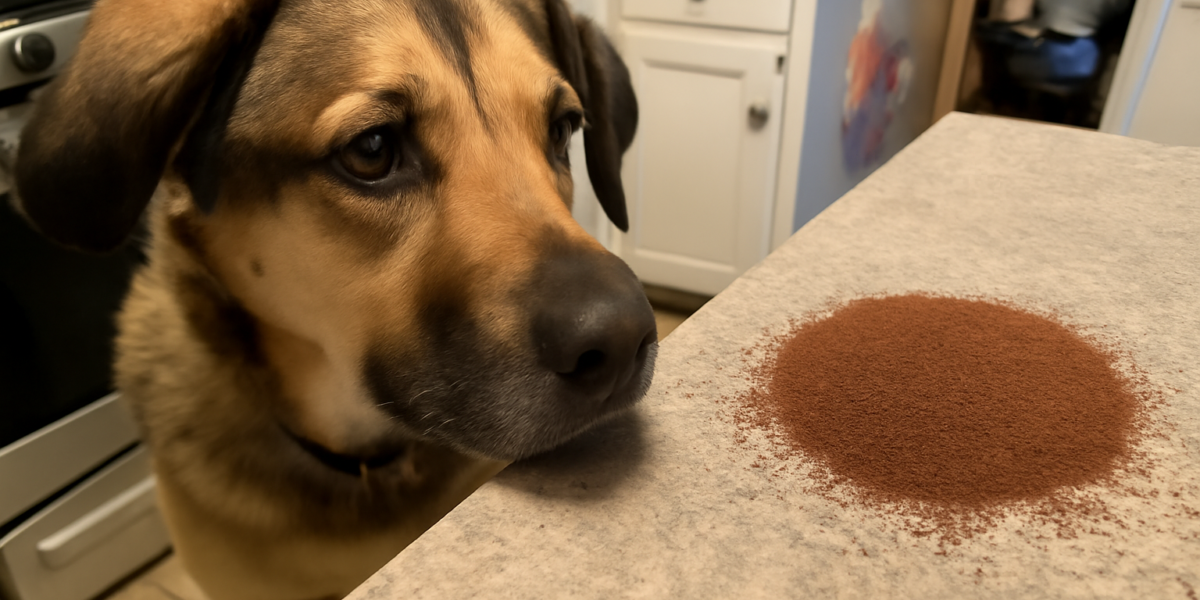
Yes, dogs can eat teff in moderation, as long as it is plain and fully cooked. Teff is an ancient Ethiopian grain, the smallest cereal grain in the world, and it has been a staple food in the Horn of Africa for thousands of years. It is naturally gluten-free, which makes it a useful option for dogs who do not tolerate wheat or barley well, and it cooks up similarly to other small grains like millet or quinoa.
The key is preparation. Plain cooked teff with no salt, butter, oil, garlic, onion, or seasoning is fine in small amounts mixed into a regular meal. Injera, the spongy fermented Ethiopian flatbread made from teff, is a different matter. Injera is delicious for humans, but it is fermented (often slightly sour and contains live cultures), eaten with heavily spiced stews, and frequently torn up alongside dishes containing onion, garlic, and berbere spice blend, all of which are unsafe for dogs.
For most healthy adult dogs, a spoonful of cooked teff stirred into the bowl now and then is harmless. It is not a substitute for a complete and balanced commercial diet, and it does not need to be a regular addition. Treat it as you would any other cooked grain: an occasional carbohydrate add-in, not a staple.
What Is Teff and Where Does It Come From?
Teff is a tiny grain, about the size of a poppy seed, native to Ethiopia and Eritrea. It comes in ivory, brown, and dark red varieties, and the whole grain is consumed because the germ and bran are too small to mill out. That whole-grain reality means teff retains its nutrients in a way that refined grains do not.
In Ethiopia, teff flour is fermented with water for several days to produce injera, the bread that is served with virtually every meal. Outside of Ethiopian cooking, teff has become a niche ingredient in gluten-free baking, breakfast porridges, and grain bowls, often sold in health-food stores and well-stocked supermarkets in North America and Europe.
Teff is naturally gluten-free, meaning it does not contain the gluten proteins found in wheat, barley, and rye. This makes it relevant for dogs who have been diagnosed with wheat sensitivity or who are on grain-rotation diets. Genuine wheat allergies are uncommon in dogs, but environmental and food intolerances are real, and teff can be one tool in the rotation.
Nutritional Profile of Teff
Despite its size, teff is nutritionally dense. It is unusually high in calcium for a grain, around 120 milligrams per cup of cooked teff, plus solid amounts of iron, magnesium, manganese, copper, zinc, and B vitamins like thiamin and folate. It also provides resistant starch and dietary fiber, which support gut health.
The protein content is moderate, around 10 percent by weight, and includes a relatively complete amino acid profile compared to many other grains. Lysine, which is often deficient in cereal grains, is present at meaningful levels in teff. None of this transforms teff into a protein source for dogs, but it does mean the carbohydrate calories come with some bonus nutrients.
Teff is a complex carbohydrate that digests more slowly than refined grains, which can help support steady energy. For dogs with sensitive blood sugar or those on weight-management plans, slow-digesting grains in small amounts may be slightly preferable to refined options, though the differences are subtle and individual.
Why Cooked, Why Plain?
Raw teff is essentially indigestible for dogs. The grains are too small and too starchy to break down, and they will pass through largely unused. Cooking, ideally a 1:3 grain-to-water ratio simmered for 15 to 20 minutes, gelatinizes the starches and softens the fiber so a dog’s digestive system can actually use the calories.
Plain means no salt, no oil, no butter, no broth (unless it is unseasoned, sodium-free, dog-safe broth), and absolutely no garlic, onion, or alliums of any kind. Onion and garlic are toxic to dogs even in small recurring amounts, and many recipes for human-style teff include them. The simplest approach is to set aside a few tablespoons of plain cooked teff before you season your own portion.
If you have leftover teff porridge or grain bowls already mixed with seasonings, do not share. Cook a separate small batch for your dog, or skip that meal. Teff is inexpensive and cooks quickly, so making a dedicated dog-safe portion is easy.
Safe Serving Size by Dog Size
Teff is a calorie source, so portion size matters more than it does for low-calorie greens. Cooked teff has roughly 250 calories per cup, similar to cooked rice or other grains.
- Toy breeds (under 10 pounds): 1 to 2 teaspoons of cooked teff, once or twice a week.
- Small breeds (10 to 25 pounds): 1 to 2 tablespoons, once or twice a week.
- Medium breeds (25 to 50 pounds): 2 to 3 tablespoons, twice a week.
- Large breeds (50 to 90 pounds): Up to a quarter cup, twice a week.
- Giant breeds (over 90 pounds): Up to a third of a cup, twice a week.
Like all treats and extras, teff should fit within the 10 percent rule, no more than 10 percent of daily calories from non-complete-diet sources. Mix it into the bowl with the regular food rather than serving it alone, which helps with both portion control and palatability.
How to Cook Teff for Your Dog
The basic method is straightforward. Combine 1 part teff with 3 parts water in a saucepan, bring to a boil, then reduce heat and cover for 15 to 20 minutes until the water is absorbed and the grains are tender. The texture will be slightly porridge-like, smoother than rice, with a mild nutty flavor.
Use plain water with no salt and no broth. Once cooked, let it cool fully before adding to your dog’s bowl. Teff stores well in the refrigerator for three to four days in a sealed container, so you can batch-cook a small amount and use it across several meals.
For a slightly more interesting preparation, you can mix cooked plain teff with a spoonful of plain pumpkin purée (no spice, no sugar) or some plain shredded cooked chicken. Avoid adding cheese, milk, fruit with high sugar, or anything with seasoning. Simple is the rule.
Skip the Injera
Injera is the famous Ethiopian flatbread made from fermented teff batter. While the bread itself is built from teff, the way it is consumed makes it problematic for dogs. Injera is almost always eaten with heavily spiced stews called wats, which contain berbere (a chili-and-spice blend), niter kibbeh (clarified butter often infused with garlic and ginger), and copious onion and garlic.
Even plain injera can be slightly sour from fermentation, and the salt content varies by recipe and bakery. The bigger problem is that scraps of injera at a typical Ethiopian meal are saturated in stew juices, meaning they carry the same garlic, onion, and chili content as the dish. Sharing injera with your dog from the dinner table is a guaranteed garlic exposure.
If you want to share teff, cook a separate plain batch as described above. Do not assume that “it’s just bread” makes injera safe; the company it keeps on the plate is the issue.
Comparing Teff to Other Grains for Dogs
Teff is one of several small ancient or pseudo-grains that have become available in mainstream stores. Quinoa is a comparable option that is also gluten-free and protein-rich. Millet is another small grain that cooks similarly and has been a dietary staple in many parts of the world for millennia.
For dogs with wheat sensitivity, amaranth is yet another gluten-free option in the same culinary family. All of these grains share the same basic safety profile: cooked plain, in moderation, mixed into a balanced commercial diet rather than replacing it.
Rice and oatmeal are still the most common dog-bowl grains because they are bland and easy to digest. Teff is not better or worse than these old standbys for most dogs; it is just an option for variety or for households that already cook with it.
Who Should Skip Teff
Most healthy adult dogs can have teff in the amounts described. Dogs who should skip it include those with diagnosed grain sensitivities (the rare ones who react even to gluten-free grains), dogs with chronic loose stool of unclear origin, and dogs whose veterinarian has prescribed a specific elimination or hydrolyzed-protein diet, where any food outside the prescription can confuse the diagnostic process.
Diabetic dogs should have any new carbohydrate cleared by their veterinarian, since adding grains can affect blood sugar management even in small amounts. Puppies under 12 weeks do not need grain add-ons; their puppy food covers all bases, and introducing new foods early can muddy the waters if a sensitivity later emerges.
If your dog has never eaten teff before, start with a teaspoon or two and watch for 24 hours. Loose stool, vomiting, or excessive gas means stop. A clean reaction means you can build up to the size-appropriate portion next time.
Frequently Asked Questions
Is teff safe for dogs with wheat allergies?
Teff is naturally gluten-free and contains no wheat proteins, so it is generally a reasonable option for dogs with wheat sensitivity. True grain allergies are still rare, but if your dog reacts to wheat, teff is worth trying in small amounts under veterinary guidance.
Can dogs eat raw teff?
No. Raw teff is too starchy and too small for dogs to digest meaningfully, and it provides no benefit. Always cook it fully in plain water before sharing.
How does teff compare to rice for dogs?
Both are safe in moderation when cooked plain. Teff has more calcium, iron, and protein than white rice and a slightly higher fiber content. Rice tends to be blander and is often preferred for upset stomachs, while teff is a reasonable variety choice for healthy dogs.
Is teff flour safe for dog treats?
Yes, plain teff flour can be used in homemade dog treats as a gluten-free option. Just be careful with the rest of the recipe, no xylitol, no chocolate, no raisins, no excessive sugar or fat. Many human teff-flour recipes contain ingredients dogs should not eat.
My dog ate a piece of injera, should I worry?
If it was plain bread with no stew, the most likely outcome is mild stomach upset or none at all. If it had been used to scoop wat, especially anything with garlic or onion, watch for vomiting, diarrhea, weakness, or pale gums over the next 24 to 72 hours and call your veterinarian if symptoms develop.


