
Last updated: April 8, 2026
In this article
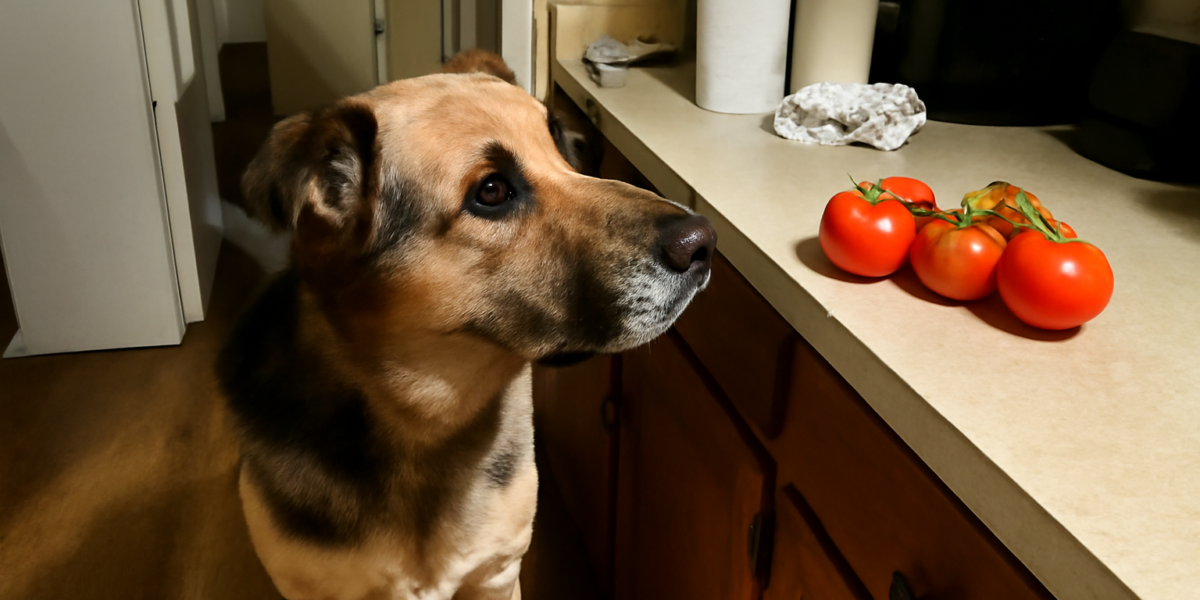
Tomatoes are one of the most common ingredients in kitchens everywhere, and when you are chopping one up for a salad or a sandwich, it is natural to wonder whether your dog can have a piece. The answer is more nuanced than you might expect, because the safety of tomatoes for dogs depends on which part of the tomato you are talking about and how ripe it is. A slice of ripe, red tomato is generally fine. The green parts of the tomato plant are a different story entirely.
Quick Answer: Ripe red tomatoes are safe for dogs in small amounts. The flesh of a ripe tomato is non-toxic and provides vitamins and antioxidants. However, green tomatoes, stems, leaves, and the tomato plant itself contain solanine and tomatine, which are toxic to dogs. Always remove stems and serve only fully ripe fruit.
Are Tomatoes Safe for Dogs?
The safety of tomatoes for dogs comes down to ripeness and plant parts. Ripe, red tomatoes — the kind you would eat yourself — contain very low levels of the potentially harmful compounds that make other parts of the tomato plant dangerous. When the tomato fully ripens and turns red, the concentration of solanine and tomatine drops to negligible levels in the flesh, making it safe for canine consumption in reasonable quantities.
The green parts of the tomato plant — including the leaves, stems, and unripe green fruit — contain significantly higher concentrations of solanine and tomatine, two glycoalkaloid compounds that belong to the nightshade family of toxins. Tomatoes are members of the Solanaceae family, which also includes potatoes, eggplants, and peppers. While these compounds serve as natural pesticides for the plant, protecting it from insects and disease, they can cause toxicity in dogs when consumed in sufficient quantities.
The practical risk for most pet owners is relatively low. A dog would need to consume a substantial amount of green tomato material or tomato plant foliage to develop serious toxicity. However, dogs with access to tomato gardens are at genuine risk, particularly if they enjoy chewing on plants or if unripe tomatoes fall within their reach. The small, hard green tomatoes that dogs might find on the ground are more dangerous than the ripe tomatoes on your kitchen counter.
For most dogs in most situations, a few pieces of ripe tomato offered as an occasional treat is perfectly safe. The key is being mindful about which parts you serve and ensuring that your dog does not have unsupervised access to tomato plants. For more guidance on safe and unsafe foods for dogs, our dog care section covers a wide range of dietary topics.
Understanding Solanine and Tomatine
To make informed decisions about tomatoes and your dog, it helps to understand the specific compounds that make certain parts of the tomato plant toxic.
Solanine is a glycoalkaloid found in all members of the nightshade family. It acts as a natural defense mechanism for the plant, deterring insects and other herbivores. In dogs, solanine can affect the nervous system and digestive tract, causing symptoms ranging from gastrointestinal upset to, in severe cases, neurological effects. Solanine is heat-stable, meaning cooking does not significantly reduce its concentration.
Tomatine is a glycoalkaloid specific to tomato plants. It is found in highest concentrations in the leaves and stems of the plant and in unripe green fruit. As a tomato ripens and turns red, tomatine levels in the fruit drop dramatically — mature, ripe tomatoes contain only trace amounts. Tomatine has similar toxic effects to solanine but is generally considered less potent. It affects the gastrointestinal system and, at very high doses, can impact the heart and nervous system.
Both compounds are present throughout the tomato plant but in varying concentrations. The leaves contain the highest levels, followed by the stems, then unripe green fruit, and finally ripe red fruit, which contains the lowest levels. This gradient is what makes ripe tomatoes safe while green parts remain a concern.
The amount of green tomato material needed to cause serious toxicity in a dog depends on the dog’s size and the specific tomatine concentration of the plant material consumed. Small dogs are naturally at higher risk because a smaller amount of toxic material represents a larger dose relative to their body weight. While fatal tomatine poisoning in dogs is extremely rare, sublethal toxicity causing significant gastrointestinal distress is a more realistic concern for dogs that have access to tomato plants.
Nutritional Benefits of Ripe Tomatoes for Dogs
When served appropriately, ripe tomatoes offer several nutritional benefits that can complement your dog’s regular diet as an occasional treat.
Lycopene. Tomatoes are one of the richest natural sources of lycopene, a powerful carotenoid antioxidant that gives tomatoes their red color. Lycopene has been extensively studied for its potential to reduce oxidative stress, support cardiovascular health, and protect against certain types of cellular damage. While most lycopene research has been conducted in humans, the antioxidant mechanisms are applicable across species, and some commercial dog foods include tomato pomace specifically for its lycopene content.
Vitamin C. Tomatoes provide a good amount of vitamin C, which supports immune function and acts as an antioxidant. While dogs produce their own vitamin C, supplemental sources can be beneficial during periods of stress, illness, or recovery.
Vitamin A. The beta-carotene in tomatoes converts to vitamin A in the body, supporting healthy vision, skin, and immune function. Vitamin A is essential for dogs at all life stages and is particularly important for maintaining the health of mucous membranes and skin.
Potassium. Tomatoes contain potassium, an essential mineral that supports proper muscle function, nerve signaling, and fluid balance. Active dogs benefit from adequate potassium intake for muscle recovery and hydration.
Fiber. The dietary fiber in tomatoes supports healthy digestion and regular bowel movements. A few pieces of tomato can add beneficial fiber to your dog’s treat rotation without significant caloric impact.
Low calorie content. A medium tomato contains roughly 22 calories, making tomatoes one of the lowest-calorie treat options available. For dogs that need to watch their weight, ripe tomato pieces are a satisfying snack that will not derail their dietary goals.
Risks and Side Effects of Tomatoes for Dogs
Beyond the solanine and tomatine concerns already discussed, there are several other risks to be aware of when feeding tomatoes to dogs.
Gastrointestinal upset from the fruit itself. Even ripe tomatoes can cause stomach upset in some dogs, particularly those with sensitive digestive systems. The natural acidity of tomatoes can irritate the stomach lining, leading to vomiting or diarrhea. If your dog has a history of gastrointestinal sensitivity, introduce tomatoes very cautiously — a single small piece first — and monitor the response.
Tomato-based products are off-limits. Tomato sauce, ketchup, salsa, tomato soup, tomato paste, and other processed tomato products almost always contain ingredients that are harmful to dogs. Garlic, onion, salt, sugar, and various spices are standard additions to these products, and garlic and onion in particular are toxic to dogs. Even “plain” canned tomatoes often contain added salt. Stick to fresh, ripe tomato flesh and avoid all processed alternatives.
Allergic reactions. While uncommon, some dogs can develop allergies or sensitivities to tomatoes. Symptoms may include itching, redness, hives, facial swelling, or gastrointestinal symptoms. If your dog shows any signs of an allergic reaction after eating tomato, discontinue feeding it and consult your veterinarian.
Tomato plant access. If you grow tomatoes in your garden, ensure your dog cannot access the plants. Dogs that like to chew on vegetation may be attracted to tomato plants, and the leaves and stems contain the highest concentrations of solanine and tomatine. Fencing off your tomato garden or supervising your dog when they are near the plants is a prudent precaution.
Seeds. Tomato seeds are not toxic but can cause mild digestive irritation in some dogs. For dogs with very sensitive stomachs, removing the seeds before serving is a reasonable step, though most dogs handle them without any issue.
How Much Tomato Can a Dog Eat?
Tomatoes should be treated as an occasional treat, following the standard guideline that treats make up no more than ten percent of a dog’s daily caloric intake. Given the low calorie content of tomatoes, the serving sizes can be relatively generous compared to higher-calorie treats:
- Small dogs (under 20 lbs): 1–2 small wedges or a few cherry tomato halves
- Medium dogs (20–50 lbs): 2–4 small wedges or several cherry tomato halves
- Large dogs (50 lbs and over): up to half a medium tomato, cut into pieces
Offer tomatoes no more than a few times per week. While they are low in calories and generally well-tolerated, the natural acidity means that daily consumption could potentially cause stomach irritation over time, even in dogs that handle occasional servings without issue. Rotate tomatoes with other safe fruits and vegetables to provide dietary variety and a broader nutrient profile.
How to Serve Tomatoes to Your Dog
Preparing tomatoes safely for your dog requires just a few simple steps:
Choose fully ripe tomatoes. Select tomatoes that are completely red with no green areas. Ripe tomatoes have the lowest tomatine levels and the highest lycopene content, making them both safer and more nutritious.
Remove stems and leaves. Even the small green stem cap on top of the tomato should be removed before serving. It contains higher concentrations of tomatine than the ripe flesh. Cut it away completely rather than just pulling it off, to ensure no green tissue remains.
Cut into appropriate pieces. Slice or dice the tomato into pieces suitable for your dog’s size. Cherry tomatoes should be halved or quartered to prevent choking, particularly for small dogs. Larger tomatoes should be cut into bite-sized wedges or cubes.
Serve plain. No salt, no dressing, no seasoning of any kind. The tomato itself provides plenty of flavor for your dog, and any added ingredients will diminish the health benefits or introduce harmful substances.
Consider removing seeds. For dogs with sensitive stomachs, scooping out the seeds and surrounding gel creates a milder, easier-to-digest treat. For most dogs, this step is unnecessary.
What to avoid entirely: green tomatoes, tomato sauce, ketchup, salsa, tomato soup, pizza sauce, sundried tomatoes in oil, fried green tomatoes, and any tomato product containing garlic, onion, salt, sugar, or other additives. If you are preparing food for your family and want to share with your dog, set aside a few plain, ripe tomato pieces before adding any seasonings or other ingredients. You can also explore our adoption page for resources on welcoming a new pet who will benefit from your mindful approach to dog nutrition.
Frequently Asked Questions
Can dogs eat cherry tomatoes?
Yes, ripe cherry tomatoes are safe for dogs. Their small size actually makes them convenient treats, though they should be cut in half or quartered before serving to prevent choking, especially for smaller dogs. As with any tomato, ensure they are fully ripe — deep red with no green areas — and remove the stem before offering them. A few halved cherry tomatoes make an easy, low-calorie snack for dogs that enjoy them.
What should I do if my dog ate a green tomato?
If your dog ate a small amount of green tomato, monitor them for symptoms of tomatine toxicity, which may include drooling, loss of appetite, gastrointestinal upset (vomiting or diarrhea), lethargy, weakness, or confusion. Most dogs that eat a small piece of green tomato will experience mild digestive upset at worst. If your dog consumed a large amount of green tomato or is showing any neurological symptoms such as trembling, difficulty walking, or disorientation, contact your veterinarian immediately. Dogs that have eaten tomato plant leaves or stems should also receive veterinary attention promptly.
Is cooked tomato safe for dogs?
Plain cooked tomato — with no added salt, garlic, onion, or other seasonings — is safe for dogs and may actually provide more bioavailable lycopene than raw tomato, as cooking breaks down cell walls and makes lycopene easier to absorb. However, most cooked tomato preparations intended for humans contain ingredients that are harmful to dogs. If you want to offer cooked tomato, prepare a small amount separately with nothing added. Canned tomatoes are generally too high in sodium for dogs unless specifically labeled as no-salt-added.
Can puppies eat tomatoes?
Puppies can eat small amounts of ripe, red tomato once they are fully weaned and eating solid food. Start with a tiny piece — no larger than the tip of your finger — and observe for any digestive upset. Puppies have more sensitive digestive systems and smaller body weights, which makes them more vulnerable to both the natural acidity of tomatoes and any residual tomatine. Keep portions very small and infrequent, and always ensure the tomato is fully ripe with all green parts removed.
My dog got into my tomato garden — what should I watch for?
If your dog chewed on tomato plant leaves, stems, or unripe green fruit, watch for symptoms of solanine or tomatine toxicity over the next 12 to 24 hours. These include excessive drooling, vomiting, diarrhea, loss of appetite, lethargy, weakness, dilated pupils, confusion, or abnormal heart rate. Mild gastrointestinal symptoms may resolve on their own, but more serious signs — particularly any neurological symptoms — require immediate veterinary attention. Going forward, fence off your tomato garden or use barriers to prevent your dog from accessing the plants. Many dogs are repeat offenders when it comes to plant chewing, so a one-time fix is better than ongoing vigilance.


