
Last updated: May 4, 2026
In this article
Can Dogs Eat Eggplant? A Complete Safety Guide for Dog Owners
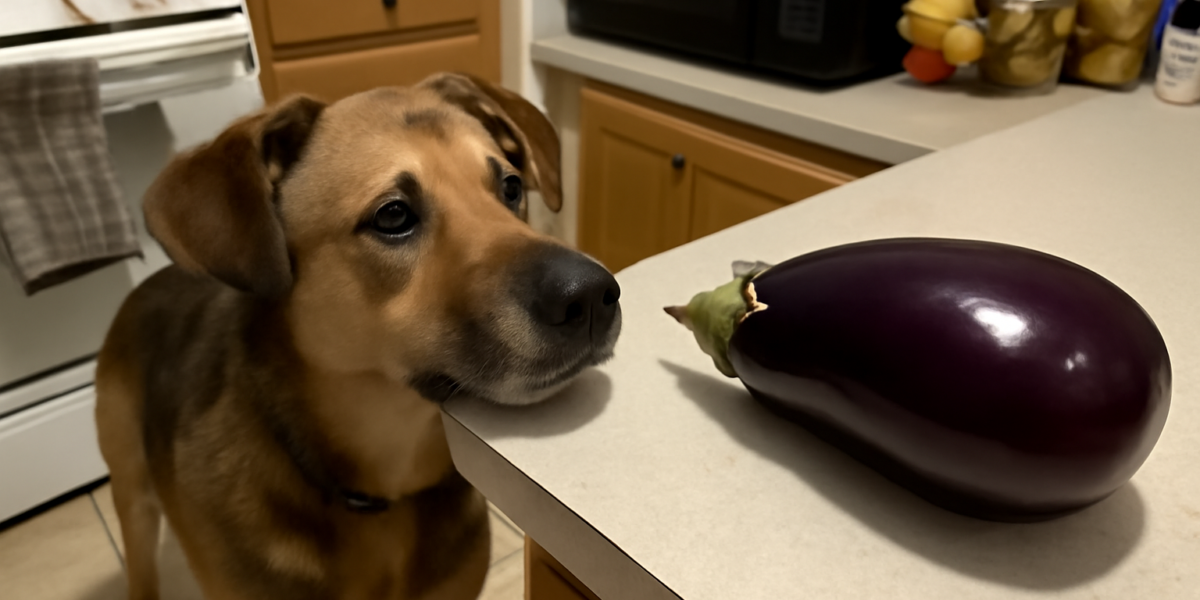
You are slicing up a beautiful purple eggplant for dinner and your dog is giving you that hopeful stare. Before you toss a piece their way, you probably want to know: can dogs eat eggplant? The short answer is yes, most dogs can safely eat cooked, plain eggplant in small amounts. However, because eggplant belongs to the nightshade family, there are some important caveats every pet parent should understand before sharing this vegetable with their furry companion.
In this guide, we will walk you through the nutritional profile of eggplant, how to prepare it safely for dogs, the risks to watch out for, and exactly how much is appropriate depending on your dog’s size. Whether you are looking for healthy treat alternatives or simply wondering if your dog will be fine after sneaking a bite off the counter, you will find all the answers here.
Is Eggplant Safe for Dogs?
For the majority of healthy dogs, eggplant is considered a safe food when prepared correctly. It is not listed among toxic foods for canines by the ASPCA or most veterinary poison control databases. That said, eggplant is a member of the Solanaceae family, commonly known as nightshades. This family includes tomatoes, potatoes, and bell peppers, and all of them contain naturally occurring compounds called solanine and glycoalkaloids.
In large quantities, solanine can cause gastrointestinal upset in dogs. The good news is that the amount of solanine in a typical serving of ripe, cooked eggplant is very low and unlikely to cause any problems for most dogs. However, dogs with known sensitivities to nightshade vegetables, dogs with arthritis or inflammatory conditions, and dogs with a history of allergic reactions to new foods should probably steer clear.
If your dog has ever reacted poorly to tomatoes or potatoes, it is worth being extra cautious with eggplant since they share similar naturally occurring compounds. Always introduce any new food slowly and in very small amounts, watching for any signs of an adverse reaction over the next 24 to 48 hours.
Nutritional Benefits of Eggplant for Dogs
Eggplant is a low-calorie vegetable that packs a decent nutritional punch, making it a reasonable occasional treat for dogs who tolerate it well. Here is what eggplant brings to the table nutritionally:
Fiber: Eggplant contains a good amount of dietary fiber, which can support healthy digestion in dogs. Fiber helps regulate bowel movements and can be particularly beneficial for dogs who struggle with occasional constipation. However, too much fiber too quickly can cause gas and loose stools, so moderation is key.
Vitamins and Minerals: Eggplant provides vitamins B1 (thiamine), B6, and K, along with minerals like manganese, potassium, and folate. Vitamin B6 plays a role in brain development and immune function, while potassium supports healthy muscle and nerve function. Vitamin K is essential for proper blood clotting.
Antioxidants: The deep purple skin of eggplant contains nasunin, an anthocyanin antioxidant that has been studied for its ability to protect cell membranes from damage. Antioxidants help neutralize free radicals in the body, potentially supporting overall cellular health in dogs just as they do in humans.
Low in Calories: At roughly 20 calories per cup of raw eggplant, this vegetable is an excellent option for dogs on a weight management plan who still deserve the occasional treat. Compared to commercial dog treats that can be calorie-dense, a small piece of cooked eggplant is a guilt-free snack. If your dog also enjoys other low-calorie vegetables, you might want to read about whether dogs can eat zucchini, another mild and nutritious option.
How to Prepare Eggplant for Dogs
The way you prepare eggplant for your dog matters just as much as whether you serve it at all. Dogs should never eat eggplant that has been prepared the way most humans enjoy it, which typically involves oils, butter, garlic, onions, salt, and various seasonings. Here are the safest preparation methods:
Baked or Roasted Plain: Cut the eggplant into small, bite-sized pieces and bake them at around 375 degrees Fahrenheit until tender. Do not add any oil, salt, garlic, or seasoning. Plain baked eggplant is soft enough for dogs to chew and digest easily, and the cooking process reduces the solanine content further.
Steamed: Steaming is one of the healthiest ways to cook eggplant for dogs. It preserves many of the nutrients while making the vegetable soft and easy to digest. Simply cut the eggplant into small cubes and steam until tender, usually about 10 to 15 minutes.
Boiled: Boiling is another safe option, though it may leach out some of the water-soluble vitamins. If you boil eggplant for your dog, keep the pieces small and cook until soft.
What to Avoid: Never feed your dog fried eggplant, eggplant parmesan, baba ganoush, or any eggplant dish prepared with garlic, onions, or heavy seasoning. Garlic and onions are toxic to dogs, and the fats in fried foods can trigger pancreatitis. Ratatouille and similar mixed dishes often contain ingredients that are harmful to dogs.
Always remove the stem and leaves, as these parts of the plant contain higher concentrations of solanine. The skin is generally safe and contains the beneficial antioxidant nasunin, but if your dog has a sensitive stomach, you may want to peel it to reduce the fiber load.
Proper Portions and Feeding Guidelines
Even safe foods can cause problems if served in excessive amounts. The general rule of thumb in veterinary nutrition is that treats, including fruits and vegetables, should make up no more than 10 percent of your dog’s daily caloric intake. The remaining 90 percent should come from a complete and balanced commercial dog food.
For a small dog (under 20 pounds), one or two small cubes of cooked eggplant once or twice a week is plenty. For a medium dog (20 to 50 pounds), you can offer a small handful of cubes, roughly two to three tablespoons. For a large dog (over 50 pounds), up to a quarter cup of cooked eggplant pieces is a reasonable serving.
When introducing eggplant for the first time, start with just a single small piece and wait 24 to 48 hours to see how your dog responds. Watch for any signs of digestive upset, including vomiting, diarrhea, excessive gas, or changes in appetite. If your dog tolerates it well, you can gradually increase the portion to the recommended amount for their size.
It is also important not to make eggplant a daily food. Rotating different vegetables keeps your dog’s diet varied and reduces the risk of any cumulative effects from the trace amounts of solanine. Consider alternating with other dog-safe vegetables to keep things interesting and nutritionally diverse.
Risks and Side Effects to Watch For
While eggplant is generally safe, there are several risks and side effects that dog owners should be aware of:
Allergic Reactions: Some dogs can be allergic to eggplant. Signs of an allergic reaction include itching, hives, facial swelling, vomiting, diarrhea, and in severe cases, difficulty breathing. If you notice any of these symptoms after your dog eats eggplant, stop feeding it immediately and contact your veterinarian.
Nightshade Sensitivity: Dogs with inflammatory conditions like arthritis may be more sensitive to nightshade vegetables. Some veterinarians and canine nutritionists recommend avoiding nightshade foods for dogs with joint inflammation, as the solanine and other alkaloids may theoretically worsen symptoms, though scientific evidence for this in dogs is limited.
Gastrointestinal Upset: Even in dogs who are not allergic, eating too much eggplant can cause stomach upset, gas, bloating, or loose stools. The fiber content, while beneficial in small amounts, can be problematic in larger quantities, especially for dogs not accustomed to high-fiber foods.
Kidney Concerns: Eggplant contains oxalates, which in large amounts can contribute to the formation of kidney or bladder stones in susceptible dogs. Dogs with a history of calcium oxalate stones should avoid eggplant and other high-oxalate foods.
Choking Hazard: Raw eggplant can be tough and rubbery, posing a choking hazard, especially for small dogs or dogs who tend to gulp their food without chewing. Always cook eggplant until soft and cut it into appropriately sized pieces for your dog.
When to Call the Vet
In most cases, a dog who eats a small amount of plain cooked eggplant will be perfectly fine. However, you should contact your veterinarian if you observe any of the following after your dog eats eggplant:
Persistent vomiting or diarrhea lasting more than a few hours. Swelling of the face, lips, or tongue. Excessive drooling or pawing at the mouth. Hives or skin rash. Difficulty breathing or wheezing. Lethargy or loss of appetite lasting more than 24 hours. Signs of abdominal pain such as restlessness, a hunched posture, or reluctance to be touched around the belly.
If your dog ate eggplant prepared with garlic, onions, or large amounts of oil and butter, the concern shifts from the eggplant itself to those toxic or problematic ingredients. Garlic and onion toxicity can cause damage to red blood cells, leading to anemia. Symptoms may not appear for several days, so it is important to call your vet or the Pet Poison Helpline if your dog consumed eggplant cooked with these ingredients, even if they seem fine initially.
For dogs with pre-existing health conditions such as kidney disease, inflammatory bowel disease, or known food allergies, it is always a good idea to check with your veterinarian before adding any new food to their diet, eggplant included.
Frequently Asked Questions
Can dogs eat raw eggplant?
While raw eggplant is not technically toxic to dogs, it is not recommended. Raw eggplant has a tough, spongy texture that can be difficult for dogs to chew and digest, increasing the risk of choking or gastrointestinal blockage. Raw eggplant also contains slightly higher levels of solanine compared to cooked eggplant. Cooking breaks down some of these compounds and makes the vegetable much easier and safer for your dog to eat.
Can dogs eat eggplant skin?
Yes, the skin of the eggplant is generally safe for dogs and actually contains beneficial antioxidants, particularly nasunin. However, the skin adds extra fiber, which can be hard on sensitive stomachs. If your dog tends to have digestive issues with high-fiber foods, you might want to peel the eggplant before cooking it. For most healthy dogs, leaving the skin on is perfectly fine as long as the eggplant is cooked until tender.
My dog ate eggplant parmesan. Should I be worried?
Eggplant parmesan typically contains garlic, onions, cheese, oil, and various seasonings. The biggest concerns are garlic and onions, both of which are toxic to dogs. If your dog ate a small amount, they may experience some digestive upset from the oils and cheese. If they consumed a significant portion, especially one containing garlic or onions, contact your veterinarian promptly. Monitor for symptoms including vomiting, diarrhea, lethargy, pale gums, and dark-colored urine over the next few days.
Is eggplant better than other vegetables for dogs?
Eggplant is a perfectly fine vegetable for most dogs, but it is not necessarily superior to other safe options. Vegetables like zucchini, green beans, and carrots tend to be easier on the stomach and do not carry the nightshade considerations. If you are looking for a simple, low-risk vegetable treat, those options may be a better starting point. Eggplant is a nice addition to the rotation for dogs who tolerate it well.
At the end of the day, eggplant can be a healthy and enjoyable treat for most dogs when prepared simply and served in moderation. By following the guidelines in this article, you can confidently share this nutritious vegetable with your canine companion while keeping their safety front and center. As always, when in doubt, a quick call to your vet is the best way to get personalized advice for your individual dog.


