
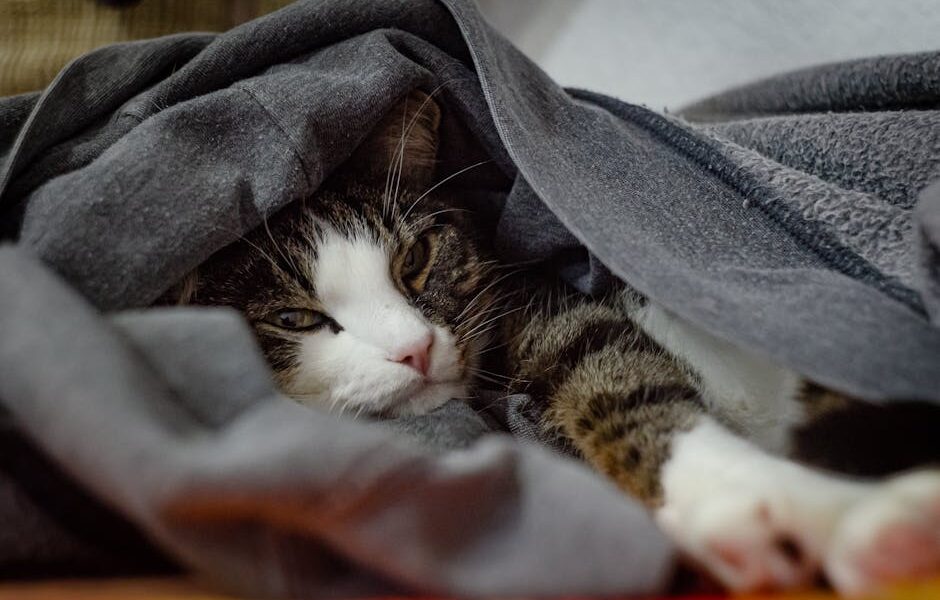
Last updated: April 9, 2026
In this article
- What Is Cat Kneading?
- Why Do Cats Knead Blankets?
- Why Do Cats Suckle Blankets While Kneading?
- Is Cat Kneading and Suckling Normal?
- Which Cat Breeds Knead and Suckle the Most?
- How to Manage Kneading and Suckling
- Kneading and Suckling in Kittens vs. Adult Cats
- Fun Facts About Cat Kneading
- Frequently Asked Questions
- Final Thoughts
Cat Kneading and Suckling Blankets: Why They Do It & Is It Normal?
If you have ever watched your cat rhythmically push their paws into a soft blanket while suckling the fabric, you are not alone in wondering what on earth is going on. Cat kneading blankets is one of the most common — and most endearing — feline behaviors, yet many owners worry whether the suckling that often accompanies it signals a problem. The short answer: in the vast majority of cases it is perfectly normal, rooted in kittenhood instincts, and nothing to lose sleep over.
In this guide we break down the science behind kneading and suckling, explain when you should (and should not) be concerned, and share practical tips for redirecting the behavior if it becomes destructive.
What Is Cat Kneading?
Kneading — sometimes called “making biscuits” — is the repetitive motion of a cat pressing alternating front paws into a soft surface. The movement mirrors what newborn kittens do against their mother’s belly to stimulate milk flow. Most cats knead with their front paws only, but some use all four feet, and a few even incorporate gentle biting or suckling of the fabric beneath them.
The behavior can last anywhere from a few seconds to 20 minutes or more. Cats often purr loudly, half-close their eyes, and appear to enter a deeply relaxed, trance-like state while kneading. You might notice your cat drooling slightly as well — another throwback to the nursing reflex.
Why Do Cats Knead Blankets?
Feline behaviorists point to several overlapping explanations for why cats knead soft surfaces like blankets, pillows, and even their owners’ laps.
Residual Nursing Instinct
The most widely accepted theory is that kneading is a leftover behavior from the neonatal period. Kittens knead their mother’s mammary area to encourage milk letdown. Even after weaning, the motor pattern persists because the brain associates it with comfort, warmth, and satiation. Cats that were weaned too early — before seven or eight weeks — are especially likely to continue kneading and suckling into adulthood.
Territorial Scent Marking
Cats have scent glands in the pads of their paws. When your cat kneads a blanket, they deposit pheromones that mark the object (and the surrounding area) as their territory. This is the same reason cats scratch furniture and rub their cheeks against doorframes. The blanket essentially becomes “claimed” property, which is why many cats return to the same blanket over and over.
Self-Soothing and Stress Relief
Kneading triggers the release of endorphins, making it a natural self-soothing mechanism. Cats that are anxious, adjusting to a new home, or recovering from a stressful event — such as a vet visit or a change in household routine — may knead more frequently. If you have recently adopted a new cat, you might notice increased kneading during the settling-in period. This is a healthy coping strategy and usually tapers off as your cat feels more secure.
Nesting Behavior
Wild and feral cats knead grass, leaves, and soft ground to create a comfortable sleeping spot. Domestic cats retain this instinct, often kneading a blanket or cushion in a circle before curling up to sleep. Think of it as your cat fluffing their pillow before bed.
Showing Affection
When your cat kneads your lap or a blanket next to you, they are communicating trust and contentment. Kneading is associated with some of the most positive emotional states a cat can experience, so take it as a compliment — your cat feels safe and bonded with you.
Why Do Cats Suckle Blankets While Kneading?
Suckling — where the cat takes a fold of fabric into their mouth and rhythmically nurses on it — often accompanies kneading. This combined behavior is sometimes called “wool sucking” because many cats favor wool or fleece textures that resemble the soft belly fur of a mother cat.
The primary driver is the same nursing instinct that powers kneading itself. Suckling provides additional oral stimulation and comfort. Certain breeds are more predisposed to fabric suckling than others. Oriental breeds such as the Siamese, Burmese, and Tonkinese are particularly well-known for the habit, though any cat can develop it.
Other contributing factors include:
- Early weaning or orphaning: Kittens separated from their mother before eight weeks often retain suckling behavior because they missed the natural weaning process.
- Stress or boredom: Cats with insufficient mental stimulation or environmental enrichment may suckle as a displacement behavior.
- Dietary deficiency: In rare cases, compulsive fabric suckling has been linked to nutritional gaps, particularly fiber. If suckling is sudden and excessive, a vet check is worthwhile.
- Comfort association: Some cats simply find the texture and warmth of a blanket soothing, much like a child with a favorite stuffed animal.
Is Cat Kneading and Suckling Normal?
Yes — for the overwhelming majority of cats, kneading and suckling blankets is completely normal behavior. It is not a sign of illness, regression, or emotional damage. Studies estimate that roughly 50 percent of domestic cats knead regularly throughout their lives, and a smaller but significant subset incorporate suckling.
The behavior only becomes a concern if it meets one or more of the following criteria:
- Ingestion of fabric: If your cat is actually chewing and swallowing pieces of blanket, this crosses into pica — a compulsive disorder that can cause life-threatening intestinal blockages. Pica requires veterinary intervention.
- Skin damage: Excessive kneading in the same spot on a cat’s own body can lead to hair loss or sores (psychogenic alopecia).
- Sudden onset in an adult cat: A cat that has never kneaded or suckled before and suddenly starts may be responding to pain, illness, or acute stress. A vet visit is advisable.
- Interference with daily life: If the suckling is so compulsive that the cat refuses to eat, play, or interact, it may point to an anxiety disorder.
In the absence of these red flags, kneading and suckling are simply part of your cat’s behavioral repertoire — enjoy the cuteness.
Which Cat Breeds Knead and Suckle the Most?
While any cat can be a dedicated blanket kneader, certain breeds are statistically more likely to exhibit prolonged kneading and suckling. If you are researching breeds before adoption, our cat breeds directory can help you learn about breed-specific behaviors and temperaments.
- Siamese: Famous for vocal communication and strong attachment to their humans, Siamese cats are among the most frequent fabric sucklers.
- Burmese: Closely related to the Siamese, Burmese cats often carry suckling behavior well into adulthood.
- Ragdoll: Known for going limp when held, Ragdolls are deeply affectionate and prone to lengthy kneading sessions.
- Tonkinese: A Siamese-Burmese cross that inherits the suckling tendency from both parent breeds.
- Persian: Their calm, lap-loving nature makes Persians enthusiastic kneaders.
Mixed-breed cats are just as likely to knead, of course. The behavior is universal across the species — breed simply influences its intensity and duration.
How to Manage Kneading and Suckling
Most of the time, no management is needed at all. But if your cat’s kneading is destroying your favorite throw or the suckling is becoming compulsive, here are practical strategies.
Provide a Dedicated Kneading Blanket
Give your cat their own soft blanket or fleece that they are free to knead and suckle to their heart’s content. Place it in their favorite resting spot. Over time, most cats will direct the behavior toward “their” blanket and leave yours alone.
Increase Environmental Enrichment
Boredom-driven suckling often decreases when a cat has more to do. Interactive toys, puzzle feeders, cat trees, window perches, and daily play sessions can redirect your cat’s oral fixation into healthier outlets.
Trim Nails Regularly
If kneading is tearing up fabric or scratching your skin, keeping your cat’s nails trimmed minimizes damage without discouraging the behavior itself. Nail caps are another option for cats that resist trimming.
Avoid Punishment
Never scold, spray, or physically interrupt a kneading cat. Kneading is a deeply ingrained comfort behavior — punishing it causes stress, which can paradoxically increase the kneading and suckling you are trying to reduce. Gentle redirection is always more effective.
Consult a Veterinarian if Needed
If your cat is ingesting fabric, losing weight, developing bald patches from over-grooming, or showing other signs of compulsive behavior, schedule a vet appointment. Your veterinarian may recommend behavioral modification, dietary changes, or in severe cases, anti-anxiety medication.
Kneading and Suckling in Kittens vs. Adult Cats
In kittens under six months old, kneading and suckling are virtually universal. The behavior is a direct extension of nursing and serves as a comfort mechanism during the transition from mother’s milk to solid food. Most kittens gradually reduce suckling as they mature, though many continue kneading for life.
In adult cats, kneading tends to occur in specific contexts: before sleep, while being petted, or during moments of relaxation. Adult suckling is less common than kneading alone but is still within the range of normal behavior. Senior cats may knead more as cognitive changes associated with aging bring comfort-seeking behaviors to the foreground.
If you are considering adopting a kitten or adult cat, knowing that kneading is a lifelong behavior can help you set realistic expectations and create a welcoming environment from day one.
Fun Facts About Cat Kneading
- The nickname “making biscuits” comes from the resemblance to a baker kneading dough.
- Some cats knead with their claws fully retracted, while others extend them with each push — this varies by individual, not breed.
- Kneading has been observed in big cats including lions and tigers, suggesting the behavior predates domestication by millions of years.
- A 2019 survey of cat owners found that 76 percent described kneading as one of their favorite things about living with a cat.
- Cats do not outgrow kneading. If your cat kneads at age one, they will almost certainly still be kneading at age fifteen.
Frequently Asked Questions
Why does my cat knead me but not blankets?
Your cat may prefer kneading you because you provide warmth, a familiar scent, and an emotional connection that a blanket cannot replicate. Cats that knead their owners are expressing deep trust and affection. The behavior is the same instinct — your lap simply ranks higher than a blanket in your cat’s comfort hierarchy.
Should I stop my cat from suckling blankets?
In most cases, no. Blanket suckling is a harmless self-soothing behavior. You should only intervene if your cat is ingesting fabric, which can cause dangerous intestinal blockages. If the suckling is purely oral — nursing on the fabric without swallowing — it is safe to let your cat continue.
Is kneading a sign my cat was weaned too early?
Not necessarily. While early weaning can intensify kneading and suckling, plenty of cats that were weaned at the appropriate age (eight to twelve weeks) still knead throughout their lives. Kneading is a normal feline behavior regardless of weaning history.
Why does my cat drool while kneading?
Drooling during kneading is a direct result of the nursing reflex. The rhythmic paw motion triggers salivation in the same way it once stimulated milk flow from the mother. Drooling during kneading is normal and not a cause for concern unless it is excessive, discolored, or accompanied by difficulty eating.
Can kneading damage my furniture?
Extended claws during kneading can pull threads, snag upholstery, and create holes in delicate fabrics. Keeping your cat’s nails trimmed, providing a dedicated kneading blanket, and using furniture covers in areas where your cat likes to knead are the best ways to protect your belongings.
Do all cats knead?
Most cats knead at some point in their lives, but not all cats knead regularly or visibly. Some cats perform very subtle, barely noticeable kneading motions, while others go all out with enthusiastic full-body involvement. Individual personality plays a large role.
Final Thoughts
Cat kneading blankets — with or without suckling — is one of the most natural and endearing behaviors in the feline world. It is rooted in kittenhood instinct, reinforced by the comfort of endorphins, and expressed throughout a cat’s entire life. Unless your cat is ingesting fabric or showing signs of compulsive distress, there is no reason to discourage it.
Understanding why your cat kneads helps you appreciate the depth of their emotional life and strengthens the bond between you. Whether you are a seasoned cat owner or preparing to adopt your first feline companion, knowing that biscuit-making is a sign of a happy, secure cat is one of the most reassuring things you can learn.
Want to learn more about the unique quirks of different breeds? Explore our cat breeds directory to find the perfect match for your household.


