
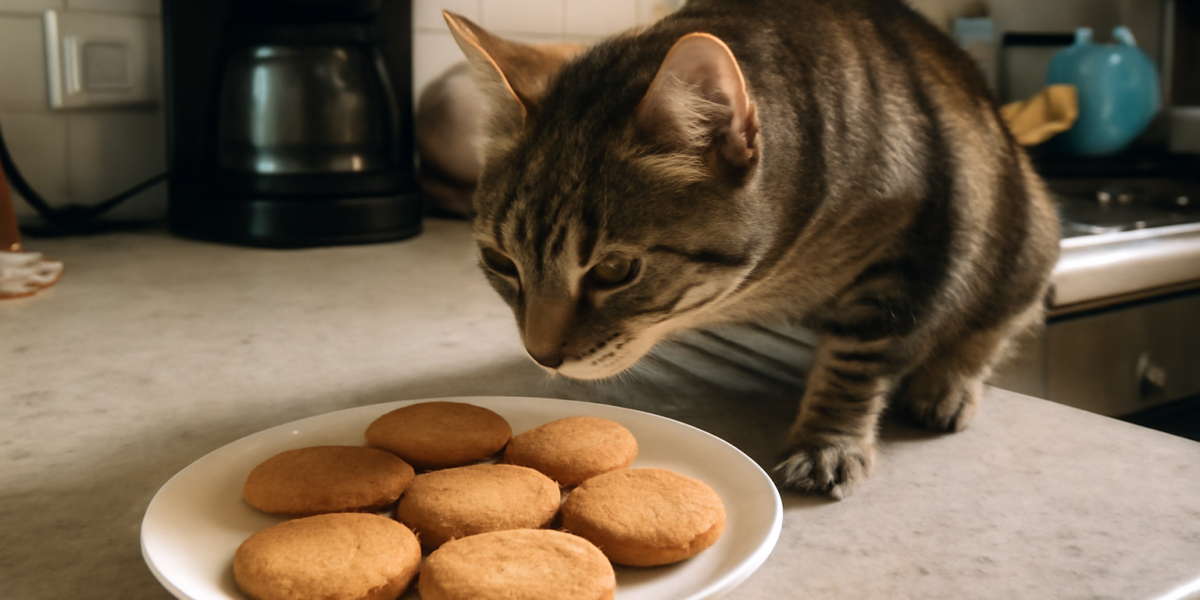
Can Cats Eat Biscuits? What You Need to Know
Whether it is a buttery tea biscuit, an American-style buttermilk biscuit, or a packaged cookie, many cat owners wonder whether sharing a bite with their feline companion is safe. Can cats eat biscuits? The answer is no — biscuits are not appropriate food for cats. While a tiny crumb of plain biscuit is unlikely to cause an emergency, biscuits contain multiple ingredients that do not belong in a cat’s diet and some that are actively harmful.
In this article
Cats are obligate carnivores, and their bodies are designed to process animal protein and fat, not flour, sugar, butter, and leavening agents. Biscuits provide nothing your cat needs nutritionally and can introduce a range of problematic ingredients. The specific risks depend on the type of biscuit, but the general advice remains the same: keep biscuits for yourself and choose species-appropriate treats for your cat.
Understanding which ingredients in biscuits pose the greatest risk will help you respond appropriately if your cat does manage to steal a bite. Some ingredients are merely unhelpful, while others can be genuinely dangerous.
Problematic Ingredients in Biscuits
Biscuits come in countless varieties, but most share a common set of base ingredients that create problems for cats. Let’s walk through the major concerns so you know exactly what to watch for.
Flour and Wheat
The primary ingredient in virtually all biscuits is wheat flour. While wheat is not toxic to cats, it is a common allergen in felines. Cats with wheat sensitivities may develop itchy skin, gastrointestinal upset, or chronic ear infections when exposed to wheat-based products. Even cats without allergies gain nothing nutritional from wheat — it is simply a source of carbohydrates their bodies are not designed to use efficiently.
Sugar and Sweeteners
Most biscuits contain significant amounts of sugar. Cats cannot taste sweetness due to a lack of sweet taste receptors, so the sugar in biscuits provides zero enjoyment for them while still impacting their bodies. Excess sugar contributes to obesity, dental disease, and increases the risk of diabetes — a condition that is already alarmingly common in domestic cats.
Even more dangerous are biscuits or cookies sweetened with xylitol, an artificial sweetener. Xylitol can cause a rapid and dangerous drop in blood sugar in pets and may lead to liver failure. Always check ingredient labels, especially on sugar-free or diet biscuits.
Butter and Fats
The rich, buttery flavor that makes biscuits appealing to humans comes from generous amounts of dairy fat. Most adult cats are lactose intolerant, and the concentrated dairy in butter can cause bloating, gas, and diarrhea. The high fat content also poses a risk of pancreatitis, particularly in cats who are already overweight or have a history of digestive issues. For more on dairy and cats, see our guide on whether cats can safely eat cream.
Chocolate
Chocolate chip cookies and chocolate-dipped biscuits are particularly dangerous. Chocolate contains theobromine and caffeine, both toxic to cats. Dark chocolate and baking chocolate are the most dangerous, but even milk chocolate in cookies can cause vomiting, diarrhea, rapid heart rate, tremors, and in severe cases, seizures or death. Keep all chocolate-containing biscuits completely away from your cat.
Raisins and Dried Fruit
Oatmeal raisin cookies, fruit-studded biscuits, and currant scones all contain dried fruits that can be toxic to cats. Grapes and raisins, in particular, have been linked to acute kidney failure in pets. The toxic mechanism is not fully understood, and there is no established safe dose, meaning even a small amount should be treated as a veterinary emergency.
Nuts
Biscuits containing macadamia nuts are especially concerning, as macadamia nuts are toxic to cats and dogs. Other nuts are generally not toxic but are high in fat and difficult for cats to digest. Nut-laden biscuits combine excessive fat with potential toxicity — a combination worth avoiding entirely.
What Happens If Your Cat Eats a Biscuit
The severity of the situation depends entirely on the type and amount of biscuit consumed, as well as which ingredients it contains. Here is a practical guide to help you respond appropriately.
Plain biscuit (small amount): If your cat ate a small piece of a plain butter biscuit or cracker, monitor for mild gastrointestinal upset over the next 12 to 24 hours. A small amount is generally not cause for alarm, though your cat may experience some digestive discomfort.
Biscuit with chocolate, raisins, or xylitol: Contact your veterinarian or the ASPCA Animal Poison Control Center (888-426-4435) immediately. Do not wait for symptoms to appear. Early intervention is critical for the best outcome with toxic ingredients.
General warning signs to watch for include:
- Vomiting or retching
- Diarrhea or changes in stool consistency
- Loss of appetite
- Lethargy or unusual behavior
- Excessive thirst or urination
- Rapid breathing or heart rate
- Tremors, twitching, or seizures (with chocolate or xylitol exposure)
When contacting your vet, try to have the ingredient list from the biscuit packaging available. This helps your veterinarian assess the risk quickly and recommend appropriate treatment. If you cannot find the packaging, describe the type of biscuit as accurately as possible.
Can Cats Eat Dog Biscuits?
This is a surprisingly common question, especially in households with both cats and dogs. Dog biscuits are not toxic to cats, but they are not appropriate for regular feline consumption either.
Dog biscuits are formulated for a different species with different nutritional requirements. Dogs are omnivores and can thrive on a wider range of nutrients, while cats have very specific needs for taurine, arachidonic acid, and preformed vitamin A that dog foods and treats are not designed to meet.
An occasional stolen dog biscuit will not harm your cat, but regularly allowing your cat to eat dog treats can lead to nutritional deficiencies over time. Taurine deficiency in particular is a serious concern, as it can lead to dilated cardiomyopathy (a heart condition) and retinal degeneration (which can cause blindness).
If you have both dogs and cats, feed them separately and store treats out of reach. This ensures each pet receives nutrition appropriate to their species. If you are curious about other human foods and your cat, our article on whether cats can eat cereal covers similar carbohydrate-based food concerns.
Better Treat Options for Your Cat
The good news is that there are plenty of safe, cat-appropriate treats that your feline will enjoy far more than a biscuit. Since cats are driven by animal protein and fat, the best treats lean into these preferences.
Commercial cat treats are formulated to be safe and nutritionally appropriate. Look for treats that list a real meat protein as the first ingredient and avoid those with excessive fillers, artificial colors, or preservatives. Freeze-dried single-ingredient treats — such as chicken, salmon, or shrimp — are excellent choices that most cats love.
If you prefer to offer human food as treats, stick to small pieces of cooked, unseasoned meat. Plain boiled chicken, turkey, or fish are well-received by most cats and provide the animal protein their bodies are designed to use. Keep portions tiny — a piece the size of your pinky fingernail is sufficient.
Some cats enjoy small amounts of certain vegetables and fruits as novelty treats. A tiny piece of cooked carrot, a bite of cantaloupe, or a small amount of steamed greens can be interesting to curious cats. Check out our guide on whether cats can eat bok choy for more on safe vegetables for felines.
Whatever treats you choose, remember the ten percent rule: treats should make up no more than ten percent of your cat’s daily calories. This ensures your cat’s primary nutrition comes from their balanced, complete cat food. If you have recently adopted a new cat, establishing healthy treat habits from the beginning sets you both up for success.
Frequently Asked Questions
Graham crackers are not toxic to cats, but they contain sugar, honey, and wheat flour — none of which are beneficial for felines. A tiny piece is unlikely to cause harm, but graham crackers offer no nutritional value for cats and the sugar content makes them a poor treat choice. Stick with protein-based cat treats instead.
Are digestive biscuits safe for cats?
Digestive biscuits contain whole wheat flour, sugar, butter, and sometimes chocolate. The plain variety is not toxic in small amounts but offers nothing nutritionally for cats. Chocolate-coated digestive biscuits are dangerous due to the theobromine content. Neither version is recommended as a cat treat.
What should I do if my cat ate a chocolate cookie?
Contact your veterinarian immediately. Chocolate is toxic to cats, and the combined amount of theobromine and caffeine in even a single cookie can cause vomiting, rapid heart rate, tremors, and potentially more serious symptoms. Early treatment gives the best chance of a positive outcome. Do not wait for symptoms to develop before seeking help.
Can cats eat crackers?
Plain crackers are not toxic to cats but are made of refined flour and often contain salt, oil, and seasonings that are unnecessary for cats. Flavored crackers may contain garlic or onion powder, both of which are toxic to cats. If your cat eats a small piece of a plain, unsalted cracker, it should not cause a problem, but crackers are not a suitable treat.
Why does my cat beg for biscuits?
Cats are typically attracted to biscuits because of the butter and fat content, not the sweetness. The aroma of warm butter and baked flour can be appealing to cats, who have a strong sense of smell. Some cats also simply enjoy begging for whatever their owner is eating as a social behavior. Redirect this behavior by offering a small, cat-appropriate treat when you sit down to eat.


