Last updated: May 4, 2026
In this article
Overview
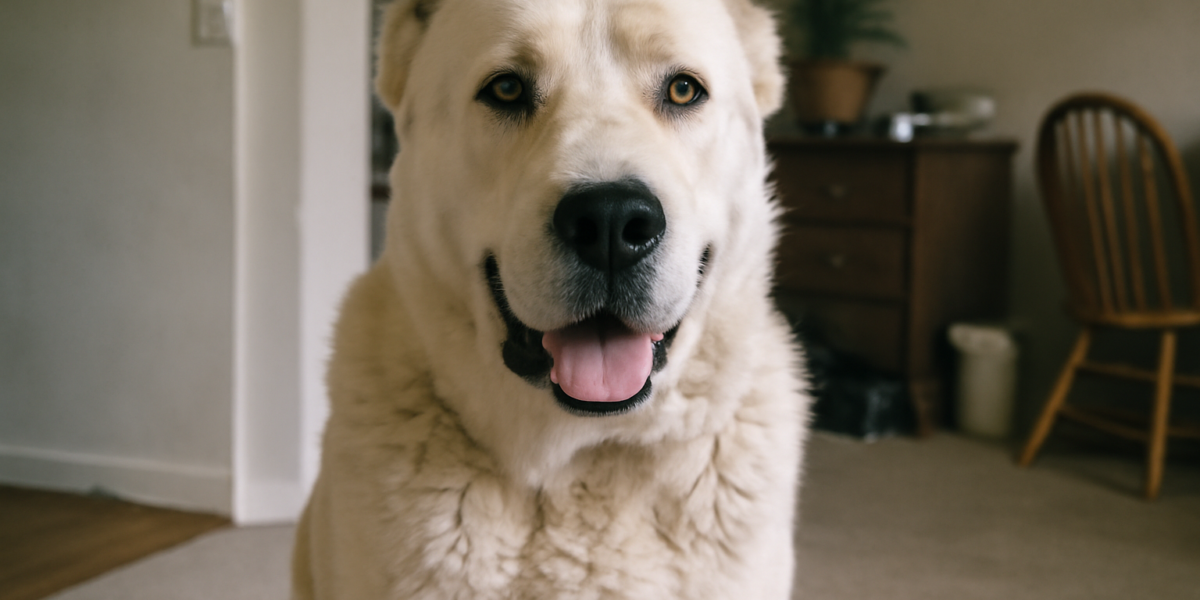
This central asian shepherd breed profile, often called the Alabai or CAS, is for the reader who has come across one in rescue and quickly realized this is not a Great Pyrenees in disguise. The Central Asian Shepherd is one of the most ancient working dogs on earth, used across Turkmenistan, Uzbekistan, Tajikistan, and the broader Central Asian steppe to guard livestock, estates, and people from predators large enough to make most dogs back down. The breed was not refined for show or for pet life. It was preserved for work, and that preservation is recent enough that the temperament is still very much a working temperament.
Alabais are big, serious, territorial, and slow to warm to outsiders. They are not aggressive in a reactive sense — they are deliberate, often eerily quiet, and willing to escalate decisively when they decide escalation is required. In the right home, the breed is a remarkable guardian and family companion. In the wrong home, the breed is a liability for everyone, including the dog. Most pet homes are wrong fits.
Quick facts: Group: livestock and estate guardian (working). Origin: Central Asia (Turkmenistan and surrounding regions). Size: giant, typically 26–32 inches and 90–170 pounds. Coat: short to long double coat, many colors, often with cropped ears in working contexts. Energy: moderate. Lifespan: giant-breed range, generally shorter than small dogs. Grooming: weekly brushing, seasonal heavy shed. Best for: large rural properties with experienced LGD or guardian-breed owners.
History and Origin
The Central Asian Shepherd is one of the oldest landrace dog populations in the world, used by nomadic peoples across the Central Asian steppe for thousands of years. Unlike many Western breeds, the CAS was never narrowly refined — it remained a working population shaped by environment and predator pressure rather than by show standards. That is why size, coat, color, and even structure vary widely within the breed; what was preserved was the temperament and the working capacity.
The Soviet era saw some standardization, particularly in Russia, where the breed was used in military and prison-guard contexts. Modern CAS dogs come from a mix of working lines from Central Asia, Russian show and working lines, and recent imports to Europe and North America. The temperament range across these sources is wide; honest rescue assessment matters more than registration paperwork.
Temperament and Personality
Quiet, watchful, intensely loyal, and confident. Alabais do not panic, do not posture, and do not waste energy on threats they do not consider real. They are also not interested in pleasing strangers and rarely interested in pleasing handlers in the Labrador-retriever sense. The breed cooperates with people it trusts when the request makes sense.
Force-free training is the right approach, but the dog’s motivation profile is independent — Alabais are not driven by treats and praise the way pet breeds are. Trust, consistent rules, and a household that the dog perceives as competent are the actual currency. Same-sex dog aggression is common, particularly in adults. Strange dogs entering the territory are a problem, often a serious one.
With family, including children, well-socialized Alabais are warm, patient, and protective. With outsiders, they are reserved at minimum and openly suspicious at maximum. The dog will not pretend otherwise to be polite.
Size and Appearance
Size varies more in the CAS than in most Western breeds. Working-line Alabais typically run 26–30 inches and 90–140 pounds; show and Russian-line dogs frequently push to 30–32 inches and 150–170 pounds. The build is heavy and powerful, more Mastiff-like than the leaner Anatolian or Kangal silhouette.
Coats range from short to long, with many color combinations — fawn, black, brindle, white, gray, and various pieds. Ear cropping is traditional in working contexts in Central Asia (intended to reduce damage during predator engagements) and remains common in some breeding circles, although it is increasingly avoided in pet contexts and is illegal or restricted in many countries. Tail docking is also traditional and similarly debated.
Exercise and Activity Needs
Alabais need space and a job more than they need structured exercise. The breed’s natural pattern is long stretches of calm observation punctuated by deliberate movement. A securely fenced acreage where the dog can patrol on its own schedule plus a long daily walk meets the baseline. Without enough space, the breed becomes more reactive and more vocal.
Off-leash freedom in unfenced areas is generally a bad idea. Alabais are territorial and willing to expand their territory if they decide neighboring land is now theirs. Solid six-foot perimeter fencing minimum, with secure gates, no climbable surfaces near the fence line, and attention to digging.
Grooming and Care
The double coat varies from short and easy to long and substantial; weekly brushing handles most coats most of the time, with daily brushing during seasonal coat blow. The coat is generally weather-resistant and self-cleaning when properly maintained, and bathing more than a few times a year is unnecessary unless the dog actively gets into something.
Never shave the coat. It insulates against both cold and heat, and shaving disrupts that system. Standard ear, nail, and dental care otherwise. Watch weight — extra pounds on a giant frame compound joint stress and shorten functional lifespan.
Health and Lifespan
The CAS is generally healthier than many giant breeds, partly because the working-population gene pool has not been as narrowly bottlenecked as some show-line breeds. Hip and elbow dysplasia are still concerns and worth screening. Bloat is a real risk in any deep-chested giant, and an emergency every owner should learn to recognize. Cardiac screening, thyroid testing, and skin and immune issues are all worth monitoring in adults.
Giant breeds typically live shorter lives than smaller dogs, and the larger end of the CAS range pushes the breed firmly into giant-dog territory. Plan for veterinary costs that scale with body size — surgery, medication, food, and crate or bedding all run large.
Living With a Central Asian Shepherd
The right setup is rural, fenced acreage with an experienced household and a clear role for the dog — livestock to guard, property to watch, or simply a stable household with a patient routine. Suburban yards are rarely a good match. Apartments do not work. Frequent visitor traffic does not work either; the breed treats every new arrival as a security event, and that is the breed working as designed.
Children in the family are typically safe with well-socialized Alabais. Visiting children are a different category and should be supervised, kept calm, and never allowed to invade the dog’s space. Other dogs visiting the property is generally a poor idea, and dog parks are a hard no for adults of this breed.
Training and Socialization
Start socialization the day you bring the puppy home and continue through the first two years. The CAS adolescent phase, around 12–24 months, brings out independence and territorial instinct. Calm, consistent, force-free handling during this window matters more than any specific obedience exercise. Heavy-handed correction damages trust and is counterproductive — an Alabai that has lost trust in its handler is genuinely difficult to recover.
Realistic obedience expectations: solid sit, down, stay, leave-it, recall under low distraction, and good leash manners. The breed will not perform precision obedience for treats. The breed will cooperate with a person it trusts. Reading dog body language closely helps you catch the early warning signs the breed gives before escalation.
Is the Central Asian Shepherd Right for You?
For most readers, no — and the breed is honest enough that it should not be in homes that cannot meet its needs. The CAS is a serious working guardian, often physically larger than people expect, with territorial instincts that suburban life does not accommodate. If you have rural acreage, livestock or genuine guardian work, experience with working breeds, and tolerance for nighttime patrol-barking, the CAS can be exceptional. If you are looking for a giant family dog without the working drive, the Saint Bernard or Bernese Mountain Dog are better matches.
If you are seriously considering an Alabai, breed-specific rescue is the right route. Many CAS dogs in rescue are there because owners did not understand the breed and the dog could not adapt. Read decompression guidance before bringing one home — adult CAS dogs need time and space to settle. Start your search at the adopt a dog hub.
Frequently Asked Questions
Is the Alabai the same as the Central Asian Shepherd?
Yes. “Alabai” is the colloquial Turkmen name for the breed, and “Central Asian Shepherd” or “CAS” is the formal English name. They refer to the same dog.
Are Central Asian Shepherds aggressive?
Not in a reactive, unpredictable sense. The breed is deliberate and territorial, and willing to escalate when it perceives a real threat. With proper socialization and management, they are stable and clear-headed; without it, they become more reactive than the breed should be.
How big do Central Asian Shepherds get?
Working-line dogs typically run 90–140 pounds. Russian and show-line dogs often push to 150–170 pounds. Size varies more in this breed than in most Western breeds.
Are Central Asian Shepherds good with other dogs?
Same-sex dog aggression is common in adults, and strange dogs in their territory are typically not welcome. Dogs raised together generally coexist; introducing new dogs to an adult Alabai is harder.
Can a Central Asian Shepherd live in a city?
No. Size, territorial instincts, vocalization, and need for space rule out urban living for this breed.
Looking to adopt a Central Asian Shepherd Breed Profile?
Browse Central Asian Shepherd Breed Profile dogs and mixes available for adoption from shelters and rescues near you.
Find Central Asian Shepherd Breed Profile Dogs for Adoption