
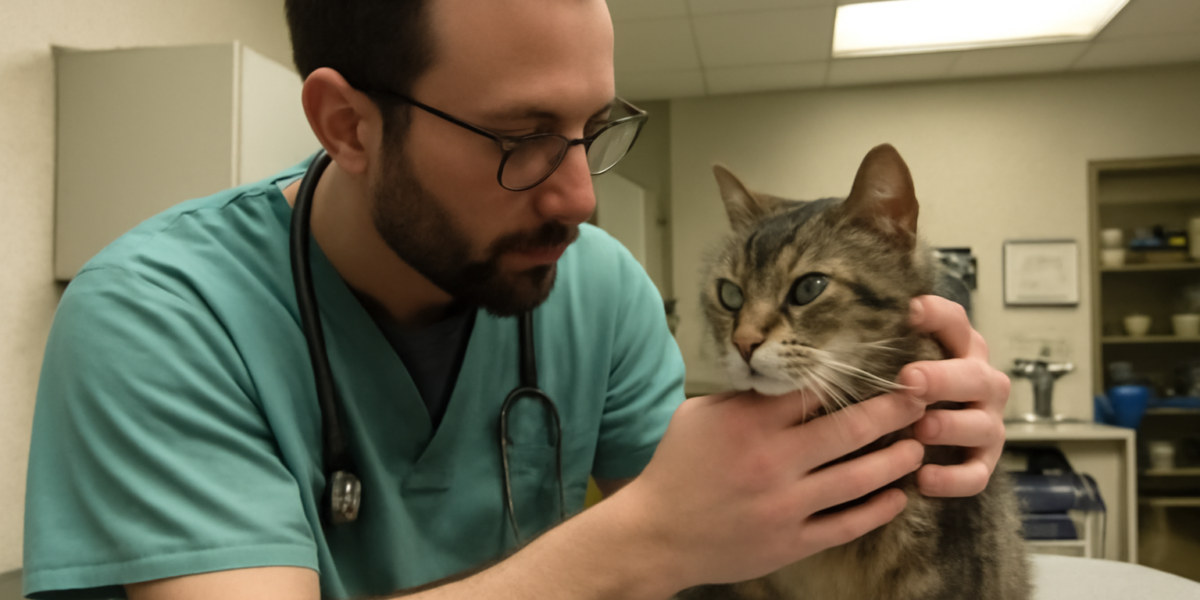
Why Kidney Disease Is So Common in Senior Cats
Chronic kidney disease (CKD) is one of the most common diagnoses in older cats. The kidneys filter waste, balance fluids and electrolytes, regulate blood pressure, and trigger red blood cell production. When their function gradually declines, every system in the body feels the effect. Veterinary surveys suggest that a substantial portion of cats over 12 years develop kidney issues to some degree.
In this article
- Why Kidney Disease Is So Common in Senior Cats
- The IRIS Staging System Explained
- Subtle Signs That Sneak Up
- Diagnostic Workup
- The Cornerstone Renal Diet
- Hydration Strategies for Cats
- Helpful Medications
- Monitoring and Recheck Cadence
- Managing Complications
- Quality of Life and Long-Term Outlook
- Frequently Asked Questions
Unlike acute kidney damage, kidney disease cats experience develops slowly over months to years. By the time clinical signs appear, a sizable share of kidney tissue has often been lost. That is why senior wellness screening, with bloodwork and urinalysis even when your cat seems fine, is so valuable for early detection.
The exact cause is often impossible to pin down. Long-term wear, repeated dehydration, urinary tract issues, dental disease, certain medications, infections, and inherited tendencies (especially in breeds like Persians and Abyssinians) all contribute. In most older cats, no single cause is identified, and the disease is simply chronic and progressive.
The IRIS Staging System Explained
The International Renal Interest Society (IRIS) created a four-stage system based primarily on stable creatinine and SDMA values. SDMA is a newer marker that often rises before creatinine, allowing earlier detection. Staging guides treatment intensity and helps set expectations.
Stage 1 is mild and often invisible. Bloodwork shows minor changes but the cat looks fine. Stage 2 brings mild creatinine elevation and the first subtle clinical signs, like increased thirst. Stages 3 and 4 are advanced, with rising waste levels, weight loss, decreased appetite, vomiting, and accumulating toxins.
Each stage is further substaged based on protein loss in the urine (UPC ratio) and blood pressure. This adds nuance to the treatment plan. Two cats at IRIS stage 2 can have very different needs depending on whether they have proteinuria or hypertension, so substaging really matters.
Subtle Signs That Sneak Up
Cats are masters of hiding illness, and CKD is no exception. The earliest sign most owners notice is increased thirst. Your cat might drain the water bowl more often, drink from sinks or fountains, or be found near a dripping tap. Increased urination follows, with bigger or more frequent clumps in the litter box.
Weight loss is another classic finding. The drop is gradual, sometimes only a few ounces over weeks, but it adds up. A cat who used to weigh ten pounds and now weighs eight, despite eating reasonable amounts, deserves a workup. Other signs include reduced grooming, a duller coat, mild lethargy, and intermittent vomiting.
As CKD advances, appetite becomes finicky, mouth ulcers can develop, and bad breath with an ammonia tinge appears. Cats may seek out cool surfaces, hide more, or stop jumping to favorite perches. Any unexplained change in a senior cat’s behavior is worth mentioning to your veterinarian.
Diagnostic Workup
The standard workup includes a complete blood count, chemistry panel with creatinine and SDMA, electrolytes, phosphorus, and urinalysis with specific gravity. Cats with CKD typically have dilute urine because the kidneys can no longer concentrate it properly. A urine protein-to-creatinine ratio (UPC) quantifies any protein leak.
Blood pressure measurement is essential because hypertension is common in feline CKD and can cause sudden vision loss if it goes uncontrolled. Imaging with abdominal ultrasound looks at kidney size, shape, internal architecture, and any stones, cysts, or masses. Some cats benefit from urine culture to rule out hidden infections.
Your veterinarian will also screen for conditions that commonly accompany CKD in cats, including hyperthyroidism, dental disease, hypertension, and diabetes. Treating concurrent diseases often improves kidney outcomes significantly. Our hyperthyroidism in cats guide covers an especially important overlap.
The Cornerstone Renal Diet
Therapeutic kidney diets are the single most studied intervention for feline CKD. They feature controlled high-quality protein, restricted phosphorus, modified sodium, added omega-3 fatty acids, and antioxidants. Multiple studies have shown these diets prolong life and improve quality of life in cats with stage 2 and beyond.
Phosphorus restriction is particularly impactful. Elevated blood phosphorus accelerates kidney damage and triggers a chain of bone and parathyroid changes called renal secondary hyperparathyroidism. Keeping phosphorus low is one of the most reliable ways to slow disease progression.
Cats can be picky, so transitioning to a renal diet often takes patience. Try multiple brands, textures, and flavors, and warm wet food slightly to release aroma. If your cat refuses prescription options, your vet can help with palatability tricks, phosphate binders for non-renal foods, or compounded recipes.
Hydration Strategies for Cats
Cats with CKD live in a state of mild chronic dehydration because they cannot concentrate urine well. Increasing water intake is critical. Multiple water bowls in different rooms, fountain-style waterers (cats often prefer running water), and adding water to wet food all help.
Wet food is generally preferred over dry food for kidney patients because it provides extra moisture with every meal. If your cat insists on dry food, you can add warm water to it or provide both. Just make sure the food is from an appropriate renal formulation.
For cats in stage 2 or beyond, your veterinarian may recommend subcutaneous fluid therapy at home. The technique is straightforward and most owners learn it quickly. Fluids are administered under the skin, where they absorb gradually. Many cats feel notably better with regular fluid support, with improved appetite and energy.
Helpful Medications
Several medications target specific complications. Phosphate binders work alongside diet to keep blood phosphorus in range. ACE inhibitors and angiotensin receptor blockers reduce protein loss and protect kidney function. Anti-nausea and appetite stimulant medications help cats eat consistently when nausea sets in.
Blood pressure medications like amlodipine are used when hypertension is documented. Untreated high blood pressure can cause sudden retinal detachment and vision loss, so this part of care is non-negotiable. Your veterinarian will set the dose and monitor blood pressure at each recheck.
Newer therapies include mirtazapine for appetite, maropitant for nausea, and erythropoiesis-stimulating agents for anemia. The right combination depends on your cat’s stage, complications, and individual response. Your vet will tailor the plan and adjust as needed.
Monitoring and Recheck Cadence
Recheck frequency depends on stage. Stage 1 cats may only need bloodwork every six months, while stage 4 cats often need monthly visits. Each recheck typically includes weight, hydration assessment, blood pressure, bloodwork, urinalysis, and a physical exam.
Trends matter more than individual values. Your vet is watching for stable creatinine and SDMA, controlled phosphorus, low-normal blood pressure, minimal urinary protein, and steady weight. A sudden change in any direction triggers a closer look.
Home monitoring is just as important. Track water intake, urine output (litter box clumps), appetite, weight, and energy. A simple weekly note or phone log gives your vet useful trend information and helps you catch subtle declines early. Many owners find that taking a short daily mental snapshot of their cat’s behavior and bringing those observations to rechecks adds real value to the conversation with the veterinary team.
Managing Complications
Nausea and decreased appetite are common as CKD advances. Anti-nausea medication, appetite stimulants, gastric protectants, and small frequent meals can help. A cat who refuses food for more than a day needs urgent veterinary evaluation, since cats can develop dangerous fatty liver disease quickly when fasting.
Anemia develops as the diseased kidneys produce less erythropoietin. Mild anemia is often tolerated, but moderate to severe cases benefit from treatment. Iron, B vitamins, and erythropoiesis-stimulating agents are all options your vet may consider.
Urinary tract infections are more common in CKD cats because dilute urine is a poor barrier to bacteria. Watch for changes in litter box habits, blood in urine, or new vocalization while urinating. Periodic urine cultures may be recommended even without obvious signs.
Quality of Life and Long-Term Outlook
Many cats live well for years with CKD when they receive consistent care. Stage at diagnosis, response to treatment, and the presence of complications all influence the timeline. Even cats in advanced stages can have meaningful, comfortable months with thoughtful supportive care.
Pay attention to small changes. Persistent appetite loss, severe lethargy, uncontrolled vomiting, or hiding more than usual can signal that the current plan needs adjustment or that quality of life is shifting. Honest conversations with your veterinary team help you make decisions that center your cat’s comfort.
For broader resources on senior cat care, our cat care blog covers nutrition, comfort, and wellness. If you are considering bringing a senior cat into your home, the cat adoption hub has guidance on welcoming an older feline who may have manageable conditions like CKD.
Frequently Asked Questions
How long can a cat live with chronic kidney disease?
The range is wide. Cats diagnosed in early stages often live for several years with appropriate diet and care. Advanced cases may have months. The best predictor is response to treatment, control of complications like hypertension and proteinuria, and overall quality of life.
Is chronic kidney disease painful for cats?
The disease itself is generally not painful, but secondary problems like nausea, mouth ulcers, and dehydration cause discomfort. Good supportive care addresses these issues. Always tell your vet about any signs your cat may be uncomfortable so they can be managed promptly.
Can I give my CKD cat treats?
Yes, but choose carefully. Low-phosphorus, low-sodium options are best. Many renal diet brands sell matching treats. Avoid salty fish, jerky, and high-protein human snacks unless your vet approves. Treats should make up only a small percentage of daily intake.
Should I switch to a fountain water bowl?
Fountains often increase water intake in cats, which is helpful for CKD. They are not magic, however. Multiple plain bowls in different rooms also work. Whatever your cat prefers, the goal is consistent, appealing access to fresh water throughout the day.
When should I call the vet?
Call promptly if your cat refuses food for more than a day, vomits repeatedly, becomes severely lethargic, stops drinking, has blood in urine, or shows sudden vision changes. These can signal a crisis on top of chronic disease. Always consult your veterinarian for guidance specific to your cat’s situation.


