
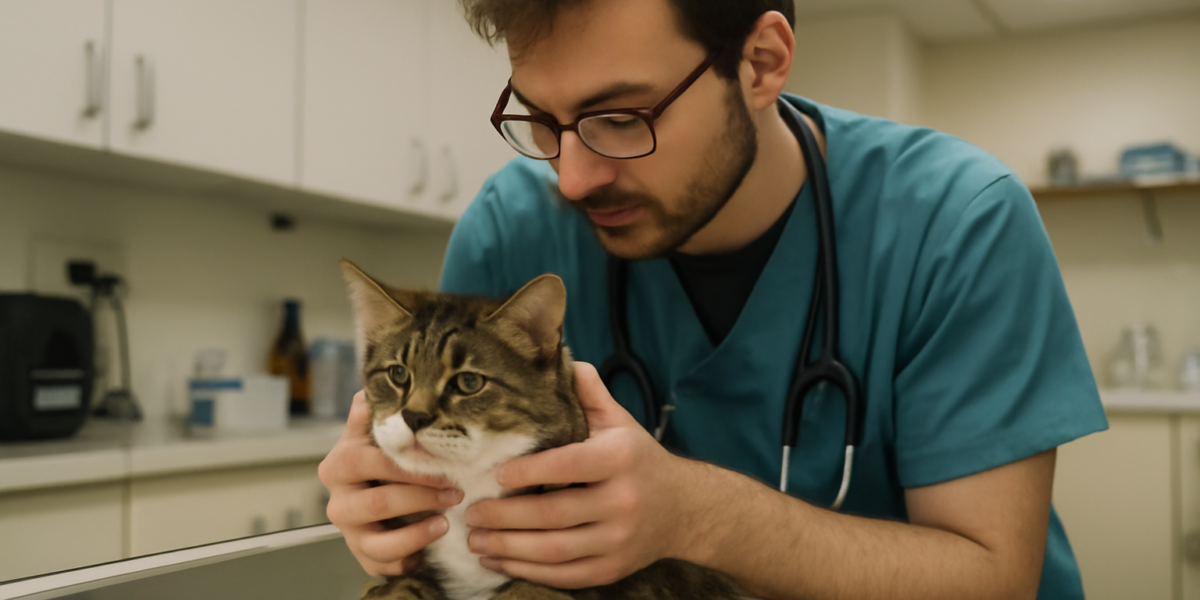
What Hyperthyroidism Looks Like in Older Cats
Hyperthyroidism in cats is one of the most common endocrine diseases of older felines, and it is sneaky. The thyroid glands in the neck start producing far too much thyroid hormone, which speeds up nearly every metabolic process in the body. The result is a cat that eats voraciously, drinks more water, and yet seems to melt away on the scale.
In this article
- What Hyperthyroidism Looks Like in Older Cats
- Recognizing the Classic Signs
- How the Diagnosis Is Confirmed
- Treatment Option One: Daily Medication
- Treatment Option Two: Prescription Diet
- Treatment Option Three: Radioactive Iodine
- Treatment Option Four: Surgical Thyroidectomy
- Hyperthyroidism and Kidney Disease Together
- Heart Changes Driven by Thyroid Disease
- Living With a Hyperthyroid Cat
- What to Expect Long-Term
- Frequently Asked Questions
Most affected cats are middle-aged or senior, typically over the age of ten, although younger cats are occasionally diagnosed. The condition is almost always caused by benign thyroid adenomas (small non-cancerous growths) on one or both thyroid lobes. A small minority of cases are caused by thyroid carcinoma, which is more aggressive but still treatable.
What makes hyperthyroidism cats so important to catch early is the cascade of secondary problems it can trigger. Untreated, the disease places enormous strain on the heart, kidneys, and gastrointestinal system. The good news is that treatment options are better today than ever, and most cats can be managed successfully when the condition is identified in time.
Recognizing the Classic Signs
The textbook hyperthyroid cat is thin yet hungry, drinks a lot, and is unusually active or vocal. Owners often describe a cat who paces, meows at odd hours, and has a coat that looks unkempt or greasy. Vomiting and large, soft stools are common because food races through the digestive tract too quickly to be properly absorbed.
Other signs include a fast heart rate, panting after mild exertion, and occasional difficulty breathing if heart disease has developed. Some cats become irritable or aggressive, while others seem withdrawn and tired (the so-called apathetic form, which is less common but easy to miss). Weight loss may be the only obvious clue in those quieter cats.
Because the symptoms creep in slowly, owners sometimes attribute the changes to normal aging. If your senior cat is eating well but losing weight, that combination should always prompt a thyroid screen. Any unexplained vocalization at night, hyperactivity, or persistent vomiting in an older cat also warrants a closer look.
How the Diagnosis Is Confirmed
Diagnosis usually starts with a physical exam where your veterinarian palpates the neck for an enlarged thyroid lobe (often called a goiter or thyroid nodule). A complete blood count, chemistry panel, urinalysis, and a total T4 thyroid hormone test follow. In most cases, an elevated T4 confirms the disease.
Some cats have early or mild disease where the T4 falls within the high end of normal. In those cases, your vet may run a free T4 by equilibrium dialysis, a T3 suppression test, or a thyroid scintigraphy scan at a specialty hospital. Bloodwork can also reveal elevated liver enzymes, which is common and usually resolves once the thyroid is treated.
Because hyperthyroidism often masks underlying kidney disease, your veterinarian will pay close attention to kidney values both before and after treatment begins. The high blood flow through the kidneys driven by excess thyroid hormone can make kidney function look better than it really is.
Treatment Option One: Daily Medication
Methimazole is the most commonly prescribed antithyroid medication and is available as a tablet or as a transdermal gel applied to the inner ear. It blocks the thyroid gland from producing excess hormone but does not destroy the diseased tissue, so it must be given for life. Most cats respond well within a few weeks.
The dose is always set by your veterinarian based on T4 levels and how your cat tolerates the drug. Side effects can include facial itching, vomiting, decreased appetite, and rarely, more serious blood or liver changes. Monitoring blood work regularly during the first months of treatment is essential to catch any of these reactions early.
Methimazole is a great choice for cats whose owners can reliably medicate them, for cats who are poor anesthetic candidates, or as a trial run before committing to a permanent treatment. The transdermal form is a lifesaver for cats who refuse pills, although absorption can be more variable than the oral version.
Treatment Option Two: Prescription Diet
An iodine-restricted prescription diet starves the thyroid gland of the iodine it needs to produce hormone. This food must be the cat’s only source of nutrition, including treats and any food stolen from other pets in the household, or the diet will not work.
For single-cat homes with a willing eater, this option is convenient and avoids daily medication. T4 levels typically fall into the normal range within a few weeks. The diet does not address underlying thyroid nodules, so the disease itself continues even though the symptoms abate.
The diet is not a fit for every household. Multi-cat homes, picky eaters, and cats with concurrent kidney disease who need a different prescription diet may not be good candidates. Your veterinarian can help weigh the practicalities against your cat’s overall health profile.
Treatment Option Three: Radioactive Iodine
Radioiodine therapy (I-131) is widely considered the gold standard treatment. A single subcutaneous injection delivers radioactive iodine directly to overactive thyroid tissue, destroying the abnormal cells while sparing normal thyroid. The vast majority of cats are cured with one treatment.
The procedure requires a stay of several days at a licensed nuclear medicine facility because the cat is mildly radioactive afterward. There is no anesthesia involved, no daily pills, and no special diet. Long-term outcomes are excellent, and the cost is comparable to a year or two of medication and monitoring.
Radioiodine is not appropriate for every cat. Cats with significant heart, kidney, or other health concerns may need stabilization first or may be better served by another option. Discuss the risks and benefits in detail with your veterinarian, especially if your cat has concurrent disease.
Treatment Option Four: Surgical Thyroidectomy
Surgical removal of one or both thyroid lobes (thyroidectomy) was once a common treatment and is still performed in some cases, particularly when radioiodine is unavailable. The surgery requires general anesthesia and carries the risk of damaging the parathyroid glands, which sit very close to the thyroid and regulate calcium.
Most veterinarians today recommend medical management or radioiodine over surgery because the alternatives are usually safer and equally effective. However, in select cases, particularly when an adrenal or thyroid mass is suspected of being cancerous, surgery still has a role. Your veterinarian and a board-certified surgeon can guide that decision.
Postoperative care includes calcium monitoring for at least a week, since transient hypocalcemia can occur. Some cats develop hypothyroidism after surgery and need thyroid hormone supplementation, which is straightforward to manage.
Hyperthyroidism and Kidney Disease Together
One of the trickiest aspects of treating hyperthyroidism in cats is its relationship with chronic kidney disease. Excess thyroid hormone artificially boosts blood flow through the kidneys, which can mask underlying kidney problems on standard blood work. Once the thyroid is treated, the true picture emerges, and kidney values may rise.
This is why many veterinarians recommend a methimazole trial before committing to permanent treatment. If kidney function declines significantly during the trial, your vet can adjust the thyroid medication to keep T4 in the high-normal range, balancing thyroid control with kidney support.
Cats with both conditions can absolutely live well, but they need careful monitoring. A renal-friendly diet, hydration support, and routine blood and urine testing become part of the long-term plan. For more on kidney issues in older felines, our guide to chronic kidney disease in cats covers what to expect.
Heart Changes Driven by Thyroid Disease
Excess thyroid hormone makes the heart work harder, often leading to thickening of the heart walls, called secondary hypertrophic cardiomyopathy. Some cats develop arrhythmias, high blood pressure, or even congestive heart failure if the disease has gone unchecked.
The good news is that many of these changes are reversible once thyroid levels normalize. Your veterinarian may recommend a chest X-ray, blood pressure measurement, and possibly an echocardiogram before starting treatment to establish a baseline. Cats with significant heart involvement may need temporary cardiac medications during the stabilization period.
Long-term, regular cardiology rechecks help ensure the heart is recovering as expected. If high blood pressure persists, anti-hypertensive therapy is added to protect the eyes, kidneys, and brain from hypertensive damage.
Living With a Hyperthyroid Cat
Day-to-day care is mostly about consistency. Whatever treatment plan you choose, sticking to the schedule, attending recheck visits, and watching for changes in appetite, water intake, weight, and energy are the cornerstones of good outcomes. Many owners keep a simple weekly weight log, which gives the vet useful trend information.
Stress reduction matters too. Hyperthyroid cats often startle easily and may not tolerate household chaos well. Quiet feeding spots, predictable routines, and gentle handling go a long way. If your cat is on methimazole, watch for any new facial scratching or scabs near the ears, which can signal a drug reaction.
Your home should support easy access to food, water, and the litter box. Older cats sometimes lose muscle mass with prolonged thyroid disease, so soft bedding, low-sided litter trays, and ramps to favorite resting spots help maintain comfort. Our cat care blog has more on senior cat comfort and wellness.
What to Expect Long-Term
Most cats with treated hyperthyroidism live long, comfortable lives. Cats cured by radioiodine often have normal life expectancies. Those managed with medication or diet do well as long as they receive consistent monitoring and any concurrent diseases are addressed.
The biggest predictor of outcome is how early the disease is caught and how well concurrent conditions, especially kidney and heart disease, are managed. Senior wellness blood work every six to twelve months helps catch hyperthyroidism early in cats who appear healthy.
If you are caring for a senior cat or thinking about adopting one, our cat adoption hub has resources on senior-friendly care and what to look for. Older cats are wonderful companions and often only need a little extra veterinary attention to thrive.
Frequently Asked Questions
Is hyperthyroidism in cats curable?
Yes, in many cases. Radioiodine therapy is curative for most cats, and surgical removal of affected thyroid tissue can also cure the disease. Medication and diet manage the condition lifelong without curing it. Your veterinarian can help you choose the right approach based on your cat’s overall health.
How quickly will my cat improve once treatment starts?
Most cats begin to feel better within a few weeks. Appetite and water intake start to normalize, weight stabilizes, and the racing heart slows. Full normalization of energy and behavior may take a couple of months, especially if heart or kidney complications need time to resolve.
Can I just feed my cat the prescription thyroid diet without seeing the vet?
No. The diet only works as part of a veterinary-supervised plan that includes regular T4 monitoring, kidney checks, and blood pressure measurement. It must also be the only food your cat eats. Without that structure, you risk poor disease control and missed complications.
Is methimazole safe for long-term use?
Most cats tolerate methimazole well for years. A small percentage develop side effects such as facial itching, vomiting, or rarely, blood and liver changes. Periodic blood work helps catch these early. Your vet will set the lowest effective dose to minimize risks.
When should I take my cat to the vet for suspected hyperthyroidism?
Schedule an appointment any time a senior cat shows unexplained weight loss, increased appetite, increased thirst, restlessness, or vomiting. The earlier the diagnosis, the easier it is to protect the heart and kidneys from secondary damage. Always consult your veterinarian for a tailored evaluation and treatment plan.


