
Last updated: March 31, 2026
In this article
Dog Bee Sting: Treatment, Allergic Reactions & When to Worry
Dogs and bees often cross paths, and the encounter rarely ends well for either party. A curious snout investigating a buzzing insect usually results in a painful sting, a yelping dog, and a panicked owner. While most bee stings cause only temporary discomfort, some dogs experience severe allergic reactions that can become life-threatening within minutes. Every dog owner should know how to treat a sting at home and recognize the warning signs that require emergency veterinary care.
Bee stings are most common during spring and summer when dogs spend more time outdoors and bees are most active. Dogs that snap at flying insects, dig in flower beds, or step on ground-nesting bees are at the highest risk. The face, mouth, and paws are the most frequently stung areas, and stings to the mouth or throat carry the greatest danger due to potential swelling that can obstruct the airway. This complete guide will help you handle any bee sting situation with confidence.
What Happens When a Bee Stings Your Dog
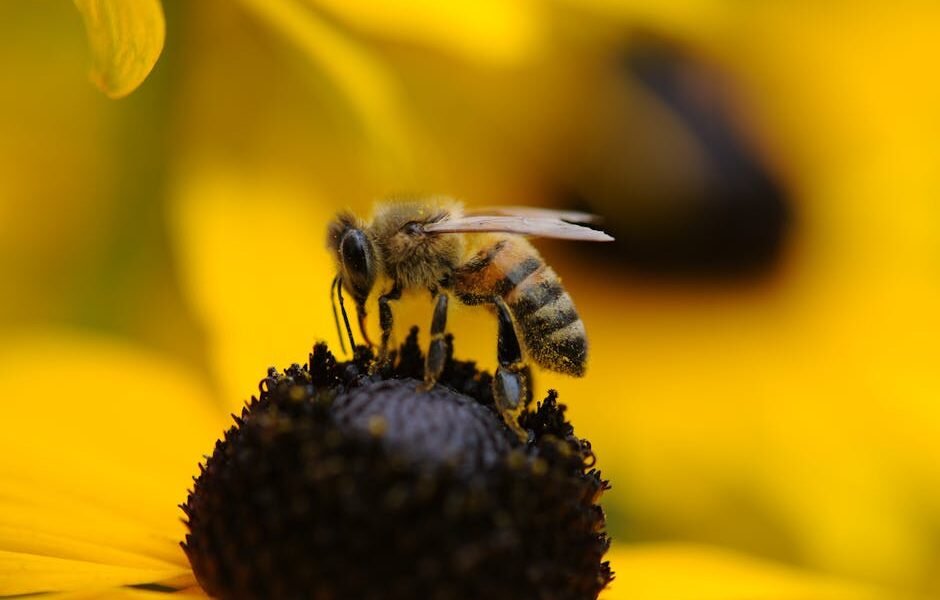
When a honeybee stings a dog, it drives its barbed stinger into the skin and injects venom. The stinger detaches from the bee along with the venom sac, which continues to pump venom into the wound for several minutes. This is why removing the stinger quickly is important. Wasps, yellow jackets, and hornets have smooth stingers and can sting multiple times without losing them, potentially injecting more venom in a single encounter.
The venom itself is a complex mixture of proteins and peptides that cause local pain, inflammation, and tissue damage. Melittin, the primary component of bee venom, destroys cell membranes and triggers the release of histamine and other inflammatory chemicals. In most dogs, this produces a localized reaction: pain, swelling, redness, and itching at the sting site. The reaction typically peaks within 30 minutes and resolves over 24 to 48 hours.
In sensitized dogs, however, the immune system overreacts to the venom proteins, producing a systemic allergic response. This can range from moderate hives and facial swelling to full anaphylactic shock. Dogs that have been stung before may be more likely to have an allergic reaction to subsequent stings because their immune system has developed antibodies against the venom proteins. This means a dog that tolerated their first sting perfectly may have a severe reaction to the second one.
Multiple stings are inherently more dangerous than a single sting regardless of allergic status. A large dose of venom from multiple stings can cause systemic toxicity even in dogs without allergies. Dogs that disturb a hive or nest and receive dozens of stings may develop hemolytic anemia, kidney failure, or other organ damage from the sheer volume of venom. If your dog has been stung multiple times, seek veterinary care even if they appear fine initially.
Immediate Home Treatment for a Bee Sting
Most single bee stings can be effectively treated at home. Acting quickly to remove the stinger and reduce inflammation will minimize your dog’s discomfort and help the area heal faster. Here is a step-by-step approach to home treatment.
Locate and remove the stinger as quickly as possible. The stinger looks like a tiny dark splinter, often with a small white venom sac attached. Scrape it out using the edge of a credit card, a flat butter knife, or your fingernail. Do not squeeze the stinger with tweezers or your fingers, as this can compress the venom sac and inject more venom into the wound. Speed matters more than technique here, so remove it by whatever means available.
Apply a cold compress to the sting site. Wrap ice or a frozen vegetable bag in a thin towel and hold it against the area for 10 to 15 minutes. This reduces swelling, numbs the pain, and slows the spread of venom through local tissues. Repeat every few hours as needed. Do not apply ice directly to the skin without a barrier, as this can cause frostbite.
Make a paste of baking soda and water and apply it to the sting site. Bee venom is acidic, and the alkaline baking soda helps neutralize it, reducing pain and itching. Leave the paste on for 15 to 20 minutes. You can also apply a thin layer of plain aloe vera gel to soothe the area. Avoid using any product containing xylitol, which is toxic to dogs.
Administer an antihistamine if your veterinarian has previously approved it for your dog. Diphenhydramine (Benadryl) is commonly used for bee stings in dogs at a dose of 1 milligram per pound of body weight, given orally every 8 to 12 hours. Always confirm the correct dose with your veterinarian, and make sure the product contains only diphenhydramine with no additional active ingredients such as decongestants or pain relievers, which can be toxic to dogs.
Monitor the sting site and your dog’s overall condition for the next several hours. Mild swelling and tenderness at the sting site are normal and should gradually improve. Keep your dog comfortable and discourage them from scratching or licking the area. An Elizabethan collar may be necessary if the sting is on a paw or another area the dog can reach with their mouth.
Recognizing Allergic Reactions and Anaphylaxis
While most bee stings cause only local reactions, allergic responses can escalate rapidly and become life-threatening. Knowing the difference between a normal sting reaction and an allergic reaction allows you to seek emergency care at the right time. Do not wait to see if symptoms progress. Early treatment of anaphylaxis dramatically improves outcomes.
Mild to moderate allergic reactions include hives (raised, itchy welts that may appear anywhere on the body, not just at the sting site), generalized facial swelling extending beyond the immediate sting area, excessive itching and restlessness, and mild vomiting or diarrhea. These reactions are concerning but usually respond well to antihistamines and veterinary treatment. They can, however, progress to more severe reactions, so veterinary evaluation is recommended.
Severe allergic reactions and anaphylaxis are veterinary emergencies. Symptoms include difficulty breathing, wheezing, or open-mouth breathing; swelling of the throat or tongue; pale or blue gums; rapid or weak pulse; severe vomiting or diarrhea; sudden collapse or loss of consciousness; and extreme weakness or inability to stand. Anaphylaxis can develop within minutes of the sting and can be fatal without immediate treatment.
If your dog shows any signs of a severe reaction, get to the nearest emergency veterinarian immediately. Do not wait to administer home treatments. Time spent applying baking soda or searching for Benadryl is time wasted when a dog is in anaphylactic shock. If you have an epi-pen prescribed by your veterinarian for a dog with a known severe allergy, administer it according to instructions while someone drives to the clinic.
Dogs that have had a previous allergic reaction to a bee sting are at significantly higher risk of a more severe reaction with subsequent stings. If your dog has ever had an allergic response, discuss an emergency action plan with your veterinarian. This may include keeping injectable epinephrine and antihistamines on hand, especially during bee season. You should also keep a well-stocked pet first aid kit accessible at all times.
When to See the Veterinarian
Not every bee sting requires a veterinary visit, but several situations warrant professional evaluation. Understanding when home treatment is sufficient and when the vet is necessary prevents both unnecessary trips and dangerous delays in care.
Seek immediate emergency care if your dog shows any signs of an allergic reaction beyond mild local swelling, if the sting is inside the mouth or on the throat, if your dog was stung multiple times (more than two or three stings), if your dog is very small (under 10 pounds) or very old, if your dog has a known history of bee sting allergies, or if you notice any difficulty breathing regardless of other symptoms.
Schedule a same-day or next-day veterinary visit if the swelling at the sting site is increasing rather than decreasing after 24 hours, if the area around the sting becomes hot, hard, or develops discharge (which may indicate infection), if your dog refuses to eat or drink for more than 12 hours after the sting, or if your dog is excessively lethargic or seems unwell beyond what you would expect from a simple sting.
At the veterinary clinic, treatment for an allergic reaction typically includes injectable antihistamines, corticosteroids to reduce inflammation, and epinephrine for severe anaphylaxis. Intravenous fluids may be administered to maintain blood pressure. In cases of throat swelling causing airway obstruction, the veterinarian may need to intubate the dog or perform an emergency tracheotomy. Dogs with severe reactions are usually monitored for several hours before being discharged.
For dogs with known severe allergies, your veterinarian may recommend venom immunotherapy, also called allergy shots. This involves administering gradually increasing doses of purified venom to desensitize the immune system. While this treatment is more commonly discussed for humans, it is available for dogs through veterinary dermatologists and can significantly reduce the severity of future reactions.
Preventing Bee Stings
Complete prevention of bee stings is nearly impossible for active dogs that spend time outdoors, but several strategies can reduce the frequency and severity of encounters. A few simple precautions during peak bee season can make a significant difference.
Avoid areas with high bee activity. Flower gardens, orchards, clover-filled lawns, and areas near beehives or wasp nests are obvious hotspots. If you notice increased bee activity in your yard, inspect the area for nests. Ground-nesting bees, yellow jackets, and wasps build nests in soil, under decks, in wall cavities, and in tree hollows. Have nests removed by a professional before your dog discovers them.
Discourage your dog from snapping at insects. Dogs that chase and bite at flying insects are far more likely to be stung on the face, mouth, or tongue, the most dangerous locations. Training a strong “leave it” command can help redirect your dog’s attention away from buzzing insects. This is especially important for breeds with high prey drives that instinctively chase anything that moves.
Be cautious with outdoor food and drinks. Sweet beverages, fruit, and food waste attract bees. If you are having a picnic or barbecue, keep your dog away from open food containers and clean up promptly. Bees crawling on fallen fruit or in soda cans have stung many dogs that were simply sniffing around for scraps.
Keep your yard maintained. Regularly mow the lawn to reduce clover blooms. Trim bushes and hedges where bees may nest. Inspect playground equipment, outdoor furniture, and storage areas for wasp nests regularly. Pick up fallen fruit from trees before it attracts bees. These simple yard management practices significantly reduce the number of bees your dog will encounter close to home.
Consider protective clothing for dogs with severe allergies during peak season. Lightweight mesh vests and bodysuits designed for dogs can provide a barrier against stings. While these will not protect the face and paws, they reduce the overall body surface area exposed to stinging insects. Combined with vigilant supervision, these garments offer an extra layer of protection for high-risk dogs.
Frequently Asked Questions About Dog Bee Stings
Can a single bee sting kill a dog?
A single bee sting can potentially kill a dog if the dog has a severe allergy and experiences anaphylactic shock. This is rare but does occur. The risk is higher for small dogs, as the ratio of venom to body weight is greater. A sting inside the mouth or throat can also be fatal if the resulting swelling blocks the airway, even in dogs without allergies. For the vast majority of dogs, however, a single bee sting causes only temporary pain and localized swelling that resolves without treatment within a day or two.
How long does bee sting swelling last in dogs?
Normal sting-site swelling typically peaks within one to two hours and resolves within 24 to 48 hours. With prompt cold compress application and antihistamines, swelling often subsides faster. If swelling increases after 24 hours, spreads significantly beyond the sting site, or is accompanied by heat, hardness, or discharge, this suggests either an allergic reaction or secondary infection, and veterinary evaluation is warranted. Facial swelling from a mild allergic reaction usually resolves within 12 to 24 hours with antihistamine treatment.
Can I give my dog Benadryl for a bee sting?
Diphenhydramine (Benadryl) is generally safe for dogs and commonly recommended by veterinarians for bee stings. The typical dose is 1 milligram per pound of body weight, given every 8 to 12 hours. Use only plain diphenhydramine. Do not use formulations containing decongestants like pseudoephedrine, or combination products like Benadryl-D, as these are toxic to dogs. Liquid formulations may contain xylitol, which is also toxic. Always verify the appropriate dose and formulation with your veterinarian before administering any medication.
What is the difference between a bee sting and a wasp sting?
Honeybees have barbed stingers that remain in the skin along with the venom sac, allowing continued venom injection. Each bee can sting only once. Wasps, yellow jackets, and hornets have smooth stingers and can sting multiple times. Wasp venom is generally more potent and more likely to cause allergic reactions in dogs. The treatment approach is largely the same for both types of stings, but you should only attempt to remove a stinger if dealing with a honeybee sting, as wasps do not leave stingers behind.
My dog was stung on the paw and is limping. Is this serious?
Paw stings are common when dogs step on bees in grass or on pavement. Limping after a paw sting is normal and usually resolves within a few hours to a day. Soak the paw in cool water with a small amount of baking soda to reduce pain and swelling. Apply a cold compress if your dog will tolerate it. If the limping worsens, the paw becomes significantly swollen, or your dog refuses to bear any weight on it after 24 hours, see your veterinarian to rule out an embedded stinger or secondary infection. Keep the paw clean and prevent your dog from excessive licking.


