
Last updated: April 1, 2026
In this article
Pet First Aid Kit: The Complete Guide to What Every Owner Needs
When a pet emergency strikes, the minutes spent searching for supplies, looking up phone numbers, or driving to the store for basic first aid items are minutes that could have been spent providing life-saving care. A well-stocked pet first aid kit puts everything you need within arm’s reach when your dog or cat is injured, ill, or in distress. Building one takes less than an hour and costs less than a single emergency vet visit, yet it is one of the most neglected aspects of responsible pet ownership.
A pet first aid kit is not a replacement for veterinary care. Its purpose is to help you stabilize your pet, manage minor injuries at home, and provide critical support during transport to the veterinary clinic. Whether your pet is choking, bleeding, burned, stung, or showing signs of poisoning, having the right supplies on hand makes you a more effective first responder. This guide covers everything you need to build a comprehensive kit for dogs, cats, or both.
Essential Supplies for Your Pet First Aid Kit
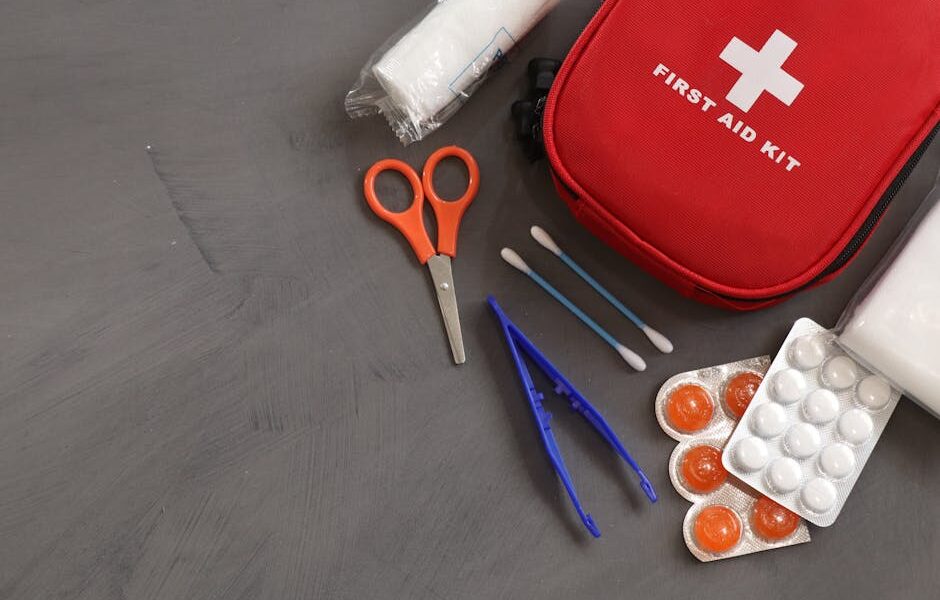
The foundation of any pet first aid kit is a collection of basic medical supplies that address the most common emergencies. These items are inexpensive, readily available at pharmacies, and have long shelf lives. Store them in a waterproof, clearly labeled container that is easy to grab in an emergency.
Gauze rolls and gauze pads are the most versatile items in your kit. They can be used to dress wounds, apply pressure to stop bleeding, wrap sprains, and create bandages. Include several rolls of two-inch and four-inch gauze along with a stack of sterile four-by-four gauze pads. Non-stick pads (like Telfa pads) are particularly useful for covering wounds without sticking to them.
Medical tape and self-adhesive bandage wrap (like Vetrap or Coban) secure dressings in place. Self-adhesive wrap is especially useful for pets because it sticks to itself but not to fur, making it easy to apply and remove. Include one-inch and two-inch rolls. Never wrap a bandage so tightly that it restricts blood flow; you should be able to slide one finger between the bandage and the skin.
Scissors with rounded tips (bandage scissors) allow you to safely cut bandages, tape, and fur away from wound sites without risking accidental cuts. Include a pair of fine-tipped tweezers for removing splinters, ticks, bee stingers, and small foreign objects. Hemostats or needle-nose pliers can be useful for removing objects from the mouth or throat.
A digital rectal thermometer is essential for accurately measuring your pet’s temperature. Normal temperature for dogs and cats is between 100 and 102.5 degrees Fahrenheit. A temperature above 103 or below 99 degrees indicates a problem that needs veterinary attention. Include lubricant (like petroleum jelly) for comfortable insertion. Never use a glass thermometer, which can break.
Disposable gloves protect you from infection when handling wounds and protect the wound from contamination from your hands. Include multiple pairs in case one tears. A penlight or small flashlight helps you examine wounds, check gum color, and look inside the mouth and ears. A magnifying glass can help you spot small foreign objects, tick bites, or skin abnormalities.
A clean towel or blanket serves multiple purposes: wrapping a frightened or injured cat to prevent scratching, providing warmth for a pet in shock, creating a makeshift stretcher for transport, and applying pressure to large wounds. Include at least one clean towel in your kit and keep extras nearby.
Medications and Cleaning Solutions
Several over-the-counter medications and solutions are safe for pets and useful in emergency situations. However, always confirm dosing with your veterinarian before administering any medication, and never give your pet a medication without knowing it is safe for their species. Many human medications are toxic to cats and dogs.
Hydrogen peroxide (3 percent concentration) is used to induce vomiting in dogs when directed by a veterinarian or poison control. The dose is typically one teaspoon per ten pounds of body weight, given orally. Do not use hydrogen peroxide on cats, as it can cause severe esophageal ulceration. Only induce vomiting when specifically instructed by a professional, as some toxins cause more damage when vomited back up. Check the expiration date regularly, as hydrogen peroxide loses effectiveness over time.
Saline solution (sterile) is used for flushing wounds, rinsing eyes, and cleaning debris from injuries. You can purchase sterile saline wound wash or make your own by dissolving one teaspoon of salt in one pint of boiled, cooled water. Saline is gentle and safe for all species. Include a small squeeze bottle or syringe for directed flushing.
Diphenhydramine (Benadryl) is commonly used for allergic reactions, including bee stings and hives. The typical dose for dogs is one milligram per pound of body weight. Use only plain diphenhydramine with no additional active ingredients. Confirm your pet’s specific dose with your veterinarian and note it on the packaging. Diphenhydramine can also be used for cats but at different dosing, so consult your vet.
Antiseptic solution such as dilute chlorhexidine or povidone-iodine is used for cleaning wounds. Dilute chlorhexidine to a pale blue color (approximately 0.05 percent concentration) for wound cleaning. Do not use rubbing alcohol or undiluted antiseptics on open wounds, as they damage tissue and delay healing. Antibiotic ointment (like Neosporin without pain relief additives) can be applied to minor cuts and abrasions to prevent infection.
Styptic powder or cornstarch stops bleeding from minor wounds, broken nails, and small cuts. Styptic pencils or powder designed for pets are available at pet stores. In an emergency, cornstarch or flour pressed firmly onto a bleeding nail will usually stop the blood flow. This is particularly useful if you accidentally trim a nail too short.
Activated charcoal may be recommended by poison control for certain types of ingestion. It works by binding to toxins in the stomach and preventing absorption. Only use activated charcoal when specifically directed by a veterinarian or poison control, and use a product intended for medical use, not barbecue charcoal.
Emergency Information and Documentation
In the chaos of a pet emergency, critical information that you know by heart may suddenly become impossible to recall. Having everything written down and stored in your first aid kit eliminates this problem and allows anyone, not just you, to provide your pet with effective emergency care.
Create an emergency information card that includes your veterinarian’s name, address, and phone number; the nearest 24-hour emergency veterinary clinic’s name, address, and phone number; the ASPCA Animal Poison Control Center number (888-426-4435); the Pet Poison Helpline number (855-764-7661); your pet’s name, breed, age, weight, and microchip number; any known allergies or medical conditions; current medications and dosages; and your own contact information and an emergency contact person.
Include a copy of your pet’s vaccination records and any relevant medical history. If your pet takes regular medication, note the medication name, dose, and frequency. If your pet has a known condition like epilepsy, diabetes, or a heart condition, include specific emergency instructions from your veterinarian for managing a crisis related to that condition.
A pet first aid reference guide or instruction card provides step-by-step guidance for common emergencies. Include laminated cards or a waterproof booklet with instructions for CPR, choking response, wound care, poisoning response, and heat stroke management. In an emergency, you may be too stressed to remember the steps, and having written instructions keeps you on track. Our guides on pet CPR and snake bite first aid provide detailed procedures you can print and include.
Store a recent photo of your pet in the kit. If your pet escapes during an emergency or disaster, a clear photograph speeds up the search and helps others identify your pet. Include photos showing any distinctive markings or features.
Specialized Items for Specific Situations
Beyond the basics, several specialized items address specific emergency scenarios that are common enough to warrant inclusion in a comprehensive kit. Tailor these additions based on your pet’s species, breed, lifestyle, and local environmental hazards.
An Elizabethan collar (cone) or inflatable recovery collar prevents your pet from licking, chewing, or scratching at wounds and bandages. Include one that fits your pet or a flexible version that adjusts to different sizes. A pet that licks a wound can introduce bacteria, remove stitches, or ingest topical medications.
A muzzle prevents bites from a frightened or pain-crazed pet during first aid. Even the gentlest dog or cat may bite when in severe pain. A basket muzzle that allows panting is preferable to a cloth muzzle. If you do not have a muzzle, a strip of gauze or a length of soft fabric can be looped around the muzzle as an emergency alternative. Never muzzle a vomiting animal, a choking animal, or a brachycephalic breed with breathing difficulties.
Tick removal tools (tick keys or fine-tipped tick tweezers) allow proper removal of embedded ticks without squeezing the tick’s body, which can inject more infectious material. This is particularly important in areas where tick-borne diseases are prevalent. Include a small container with a lid to save the tick for identification if needed.
Instant cold packs provide cold therapy for swelling, bee stings, sprains, and heat stroke without needing a freezer. Squeeze to activate and wrap in a cloth before applying to the pet’s skin. Include two to three packs in your kit. Heat packs can be useful for warming hypothermic pets but should be used carefully to avoid burns.
A syringe (without needle) in 10 or 20 milliliter size is used for oral administration of medications, wound flushing, and measuring liquid doses. Include several sizes. A turkey baster can serve a similar purpose for larger volumes.
Eye wash solution (sterile, preservative-free) is essential for flushing debris, chemicals, or irritants from the eyes. Include a small bottle in your kit. Eye injuries in pets are common and prompt flushing can prevent permanent damage.
Maintaining and Customizing Your Kit
Building your first aid kit is only the first step. Regular maintenance ensures that supplies are current, complete, and ready when you need them. A kit full of expired medications and used-up gauze is barely better than no kit at all.
Check your kit every six months. Replace expired medications, replenish used supplies, update emergency contact information, and update your pet’s medical information including current weight and medications. Set a calendar reminder to make this inspection a routine part of your pet care schedule.
Keep the kit in a consistent, accessible location that every family member knows. The top of a hallway closet, a hook by the back door, or a specific cabinet in the kitchen are all good choices. If you travel with your pet frequently, assemble a smaller duplicate kit for the car. If you hike, camp, or boat with your dog, create a compact trail version that fits in a backpack.
Customize your kit based on your pet and environment. If you live in an area with venomous snakes, add extra bandaging supplies and note the nearest facility with antivenin. If your dog is prone to allergic reactions, ensure you have adequate antihistamines and know the correct dose. If your cat has a history of urinary blockages, include the after-hours phone number for your veterinary specialist. If you have both dogs and cats, make sure your kit contains species-appropriate items and clearly label medications with the correct dose for each pet.
Teach all family members and regular pet caretakers where the kit is located and how to use its contents. A kit that only one person knows about and can use is significantly less valuable than one that anyone in the household can access. Consider taking a pet first aid and CPR class together as a family. The knowledge combined with a properly stocked kit makes you prepared for virtually any pet emergency.
Consider your pet’s specific needs as they age. Senior pets may need additional supplies such as joint support wraps, extra padding for transport, or medication for pre-existing conditions. Puppies and kittens require different dosing for many medications. Update your kit as your pet’s needs change over time.
Frequently Asked Questions About Pet First Aid Kits
Can I use human first aid supplies for my pet?
Many human first aid supplies work perfectly well for pets. Gauze, bandages, tape, scissors, tweezers, thermometers, and saline solution are all interchangeable. However, medications require extreme caution. Many human medications are toxic to pets, particularly cats. Acetaminophen (Tylenol) is fatal to cats. Ibuprofen is dangerous for both dogs and cats. Even medications that are safe for pets require different dosing than for humans. Never give your pet any medication without veterinary guidance, and always use products specifically labeled for veterinary use when available.
Where should I keep my pet first aid kit?
Keep your primary kit in a central, easily accessible location in your home that all family members know about. Avoid storing it in a locked cabinet or a hard-to-reach location, as emergency situations require immediate access. A secondary kit in your car is valuable for road trips, hikes, and park visits. If you travel with your pet, pack a compact version in your luggage. Label the kit clearly with “PET FIRST AID” so it is identifiable at a glance, even by guests or pet sitters.
How much does it cost to build a pet first aid kit?
A comprehensive pet first aid kit can be assembled for approximately 50 to 100 dollars, depending on the quality of supplies and whether you include specialized items. Pre-made pet first aid kits are available from pet stores and online retailers for 20 to 60 dollars, but they often lack key items and include unnecessary fillers. Building your own kit allows you to customize it for your specific pet and include higher-quality supplies. Compared to even a single emergency vet visit, which typically starts at several hundred dollars, the investment in a first aid kit is minimal.
Should I include prescription medications in my pet’s first aid kit?
If your pet takes regular medication, include a small emergency supply in the kit along with clear dosing instructions. For pets with known severe allergies, your veterinarian may prescribe an emergency epinephrine auto-injector to keep in the kit. For pets with seizure disorders, an emergency dose of diazepam may be prescribed for rectal administration during prolonged seizures. Always label prescription medications clearly with the pet’s name, medication name, dose, and administration instructions. Check expiration dates during your regular kit inspections and replace as needed.
What is the most important item in a pet first aid kit?
While every item serves a purpose, the most important component is arguably the emergency information card with veterinarian and emergency clinic phone numbers. In a true emergency, professional veterinary guidance is irreplaceable. Being able to call your vet or poison control immediately, describe the situation accurately, and follow their specific instructions will have a greater impact on outcome than any individual supply item. The second most important category is bleeding control supplies (gauze and bandaging material), as uncontrolled hemorrhage is one of the most common life-threatening emergencies that owners can effectively manage before reaching the vet.
Do I need separate first aid kits for my dog and cat?
You do not need entirely separate kits, but you should customize a single kit to include species-appropriate items. Most supplies like gauze, bandages, and thermometers work for both. However, medication dosing differs between dogs and cats, and some medications safe for dogs are toxic to cats. Label all medications clearly with the correct dose for each pet. Include appropriately sized items for each pet, such as a muzzle that fits your dog and a towel for wrapping your cat. If you have pets of very different sizes, include bandaging materials in multiple widths.


