
Last updated: March 28, 2026
In this article
Can Cats Eat Dates? What Every Cat Owner Should Know
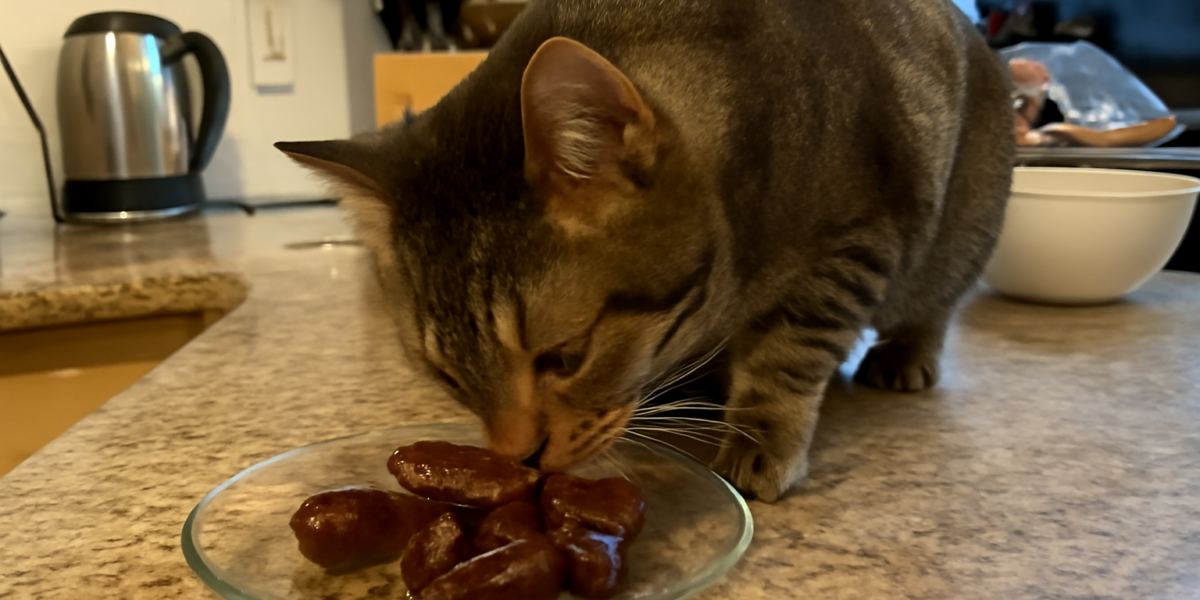
Dates are a naturally sweet fruit enjoyed by people around the world, valued for their energy-boosting properties and rich mineral content. If your cat has shown curiosity about these sticky brown fruits, you might wonder whether sharing one would be harmless. While dates are not technically toxic to cats, they are strongly not recommended as a feline treat. The extremely high sugar content, sticky texture, choking hazards, and complete lack of nutritional benefit for obligate carnivores make dates a poor choice for cats. This article explains in detail why you should keep dates away from your cat and what safer alternatives exist.
Is Dates Safe for Cats?
Dates are not classified as toxic or poisonous to cats, meaning that if your cat accidentally consumes a small piece, it is unlikely to cause an emergency. However, the absence of toxicity does not make a food appropriate or advisable. Dates present multiple concerns that place them firmly in the “not recommended” category for feline consumption.
The most fundamental issue is that dates are essentially concentrated sugar. A single Medjool date contains approximately 16 grams of sugar, which is an enormous amount relative to what a cat’s body is designed to handle. Cats are obligate carnivores with metabolisms optimized for processing protein and fat from animal sources. Their bodies have limited capacity to manage large sugar loads, and their pancreas is not designed for the insulin response that a sugar-rich food demands. Unlike humans and omnivorous animals, cats do not even possess taste receptors for sweetness, so the very quality that makes dates appealing to people is completely wasted on felines.
The sticky, dense texture of dates creates additional safety concerns. Dates are extremely adhesive and can easily stick to a cat’s teeth, palate, and throat. This stickiness can contribute to dental problems by adhering to tooth surfaces and promoting bacterial growth. More immediately, the dense, gummy texture poses a choking hazard, particularly for cats that tend to gulp food without thorough chewing.
Date pits present a serious danger. The hard pit inside each date is a choking hazard and could potentially cause an intestinal blockage if swallowed. While most cat owners would remove the pit before offering any fruit, accidental consumption is a real risk if a cat gets into dates on their own. An intestinal obstruction from a swallowed pit is a veterinary emergency that typically requires surgical removal.
Nutritional Value of Dates for Cats
While dates are considered nutritious for humans, their nutritional profile does not translate into meaningful benefits for cats. Understanding why requires looking at the specific nutrients dates offer and how they relate to feline dietary needs.
- Sugar and carbohydrates: Dates are composed of roughly 75 percent sugar by weight, primarily glucose and fructose. Cats have no dietary requirement for sugar or simple carbohydrates. Their bodies are adapted to derive energy from protein and fat through a process called gluconeogenesis, where the liver converts amino acids into glucose as needed. Adding concentrated sugar to a cat’s diet provides empty calories that serve no physiological purpose.
- Fiber: Dates contain dietary fiber, which can support digestive health. However, the fiber in dates comes packaged with an overwhelming amount of sugar, making dates an inefficient and counterproductive fiber source for cats. Better feline-appropriate fiber sources include plain cooked pumpkin or small amounts of cooked oats.
- Potassium: Dates are rich in potassium, a mineral that supports heart and muscle function. While potassium is important for cats, they obtain adequate amounts from their regular balanced diet. Supplemental potassium from dates is unnecessary and, for cats with kidney disease, could potentially be harmful.
- Magnesium: This mineral plays a role in enzyme function and bone health. Again, commercial cat foods provide appropriate levels, and dates are not a necessary or efficient source for felines.
- Iron: Dates contain some iron, but the amount in a cat-appropriate serving would be negligible. Cats obtain iron far more efficiently from animal-based proteins in their regular food.
- B vitamins: Dates provide some B vitamins, but in the context of a cat’s diet, these are already adequately supplied by complete commercial cat food formulations.
Every potential nutritional benefit of dates comes with a disproportionate amount of sugar, making them essentially useless as a feline food source.
Potential Risks and Side Effects
The risks of feeding dates to cats are numerous and significant enough that most veterinary professionals would advise against it entirely.
Digestive upset: The high sugar content in dates can cause significant gastrointestinal disturbance in cats. Sugar draws water into the intestines through osmosis, which can result in diarrhea. The dense, sticky texture is also difficult for cats to digest properly, potentially leading to stomach discomfort, bloating, gas, and vomiting. Cats with sensitive stomachs are particularly vulnerable to these effects.
Blood sugar spikes: The concentrated sugars in dates can cause rapid blood sugar spikes. While a single piece is unlikely to cause a diabetic crisis, repeated exposure to high-sugar foods can contribute to insulin resistance. Cats are already prone to type 2 diabetes, and adding unnecessary sugar increases this risk.
Weight gain and obesity: Dates are calorie-dense, with a single Medjool date containing approximately 66 calories. For a cat that needs only 200 to 250 calories per day, one date represents roughly a quarter of their entire daily energy requirement. Regular consumption of dates could quickly lead to weight gain, compounding the risk of diabetes, joint disease, heart problems, and reduced lifespan.
Dental problems: Date residue clings to teeth, providing a substrate for bacterial growth that contributes to plaque buildup, tartar, and tooth decay. Cats are already susceptible to dental disease, and sticky foods exacerbate this vulnerability.
Choking hazard: The dense, sticky, chewy texture of dates creates a genuine choking risk for cats. Unlike humans, cats do not chew their food thoroughly and tend to swallow pieces in larger chunks. A piece of date can easily become lodged in a cat’s throat, obstructing the airway. The date pit is an even greater choking hazard if accidentally left in the fruit.
Intestinal obstruction: A swallowed date pit can become stuck in the gastrointestinal tract, causing a life-threatening blockage requiring emergency surgical intervention.
How to Safely Offer Dates to Your Cat
The most straightforward advice regarding dates and cats is to simply not offer them. There is no nutritional justification for giving dates to cats, and the risks substantially outweigh any marginal enjoyment your cat might get from tasting one. However, if your cat has accidentally consumed a small amount of date, here is what you should know.
- Assess what was consumed: Determine how much date your cat ate and whether the pit was involved. A tiny piece of date flesh without the pit is unlikely to cause serious harm but may result in mild digestive upset.
- Check for the pit: If you suspect your cat may have swallowed a date pit, contact your veterinarian immediately. X-rays may be needed to determine whether the pit is passing through the digestive tract or has become lodged.
- Monitor for symptoms: Watch your cat closely for the next 24 to 48 hours for signs of digestive distress including vomiting, diarrhea, loss of appetite, lethargy, or straining to defecate.
- Provide fresh water: Ensure your cat has access to plenty of fresh water, as the sugar content of dates can increase thirst and any resulting diarrhea can lead to dehydration.
- Do not induce vomiting: Unless specifically instructed by a veterinarian, do not attempt to make your cat vomit. Inducing vomiting in cats carries its own risks and should only be done under professional guidance.
How Much Dates Can Cats Have?
The recommended amount of dates for cats is zero. While a tiny accidental taste is unlikely to cause serious harm, there is no reason to intentionally include dates in a cat’s diet. Every potential benefit that dates could offer is available from more appropriate food sources, and the risks associated with the sugar content, texture, and choking hazards make dates a poor choice by every measure.
If your cat has consumed a small piece of date, there is usually no cause for alarm. A fragment the size of a pea is unlikely to cause problems beyond possible mild digestive disturbance. However, this should be treated as an accidental consumption rather than an invitation to make dates a regular offering.
Cats with diabetes, obesity, or any metabolic condition should absolutely never be given dates, even in trace amounts. Similarly, cats with dental disease should avoid sticky foods of any kind. If you keep dates in your home, store them in a sealed container that your cat cannot access.
Frequently Asked Questions
Q: Can kittens eat dates?
A: No, kittens should absolutely not eat dates. Kittens have even smaller bodies and more sensitive digestive systems than adult cats, making the risks of high-sugar foods even more pronounced. The choking hazard is also greater for kittens due to their smaller throats. Kittens need a diet exclusively focused on high-quality animal protein and fat to support their rapid growth and development. There is no circumstance in which dates would be an appropriate food for a kitten.
Q: My cat licked a date. Should I be worried?
A: If your cat merely licked a date or consumed a tiny fragment, there is generally no cause for concern. The amount of sugar absorbed from a brief lick is negligible and unlikely to cause any noticeable effects. Simply monitor your cat for any unusual behavior or digestive symptoms over the next day. If your cat seems completely normal, no further action is needed. However, this is not an invitation to offer dates intentionally.
Q: Are dried dates worse than fresh dates for cats?
A: Dried dates, which are the most commonly sold form, are actually more concentrated in sugar than fresh dates because the dehydration process removes water and concentrates the natural sugars. A dried date can contain up to 65 percent sugar by weight. Both fresh and dried dates are inappropriate for cats, but dried dates are marginally worse due to their higher sugar concentration and stickier texture. Neither form should be offered to cats.
Q: Can dates cause diabetes in cats?
A: A single exposure to dates is extremely unlikely to cause diabetes in a cat. Feline diabetes develops over time due to a combination of factors including obesity, genetic predisposition, physical inactivity, and chronic dietary factors that contribute to insulin resistance. However, regularly feeding high-sugar foods like dates can contribute to weight gain and metabolic stress that increase diabetes risk over time. Cats are already among the companion animals most prone to type 2 diabetes, so avoiding unnecessary sugar sources is a sensible preventive measure.
Q: What are better treat alternatives to dates for my cat?
A: The best treats for cats are small pieces of cooked, unseasoned animal protein such as chicken breast, turkey, lean beef, or cooked fish like salmon or tuna. These provide the nutrients cats actually need while satisfying their carnivorous preferences. For plant-based options, small amounts of cooked peas, steamed carrots, or plain cooked pumpkin are safer choices with minimal sugar content. Commercial cat treats formulated by veterinary nutritionists are another reliable option. Whatever treat you choose, ensure it makes up no more than ten percent of your cat’s daily caloric intake.


