
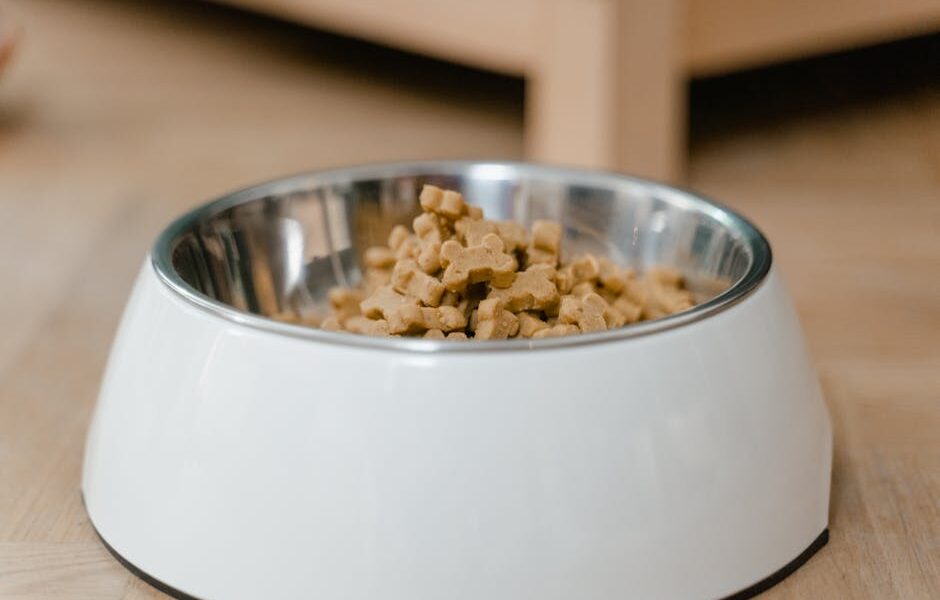
Why the Elimination Diet Trial Is the Gold Standard
An elimination diet trial protocol is the only validated way to diagnose food allergy in dogs and cats. Blood and saliva panels marketed for food sensitivity are not reliable diagnostic tools — that consensus from the American College of Veterinary Dermatology (ACVD) and the American College of Veterinary Internal Medicine (ACVIM) has been consistent for years. Skin-prick (intradermal) tests work for environmental allergens but not for food. The diet trial works because it removes the variable, watches the patient, and then re-tests by deliberately reintroducing the suspect protein.
In this article
- Why the Elimination Diet Trial Is the Gold Standard
- Choose the Trial Diet: Hydrolyzed vs Novel Protein
- The 8 to 12 Week Window
- The “Strict” Part — What Cannot Pass Their Lips
- Trial Setup Checklist
- Tracking Progress Week by Week
- The Provocative Reintroduction Phase
- Common Pitfalls and How to Avoid Them
- Diet Trials for Cats Carry Extra Cautions
- What Happens After a Confirmed Diagnosis
- When to Refer to Specialists
- How Long Until I Know Whether It Worked
- Tracking and Documentation Through the Trial
- Frequently Asked Questions
Owners run the trial at home with their veterinarian’s guidance. The success of the trial depends almost entirely on compliance — a single accidental exposure to a forbidden protein can reset the immune clock and force you to start over. Going in with eyes open about the household commitment makes the difference between a useful diagnostic outcome and an inconclusive frustrating eight weeks.
Choose the Trial Diet: Hydrolyzed vs Novel Protein
There are two diet categories that qualify for an elimination trial. The first is a hydrolyzed protein diet, where source proteins (typically soy, chicken, or feather) are enzymatically broken into peptide fragments small enough to slip past immune recognition. The second is a true novel protein — a single protein source the pet has never encountered in its dietary history. Common veterinary novel proteins include rabbit, duck, venison, kangaroo, and certain fish; in some markets ostrich, alligator, or pheasant.
Hydrolyzed diets are usually the safer choice because they remove guesswork. With a novel protein, you depend on the owner’s accurate recall of the pet’s full dietary history — every treat, every flavored medication, every former kibble brand. If the dog or cat has ever eaten the chosen “novel” protein, the trial is compromised. Hydrolyzed products like Hill’s z/d, Royal Canin Anallergenic and Hydrolyzed Protein HP, and Purina HA Hydrolyzed are formulated to prevent immune cross-reactivity even to the source protein. Over-the-counter “limited ingredient” diets are NOT equivalent — ingredient-line cross-contamination at the manufacturing level is documented in independent testing.
The 8 to 12 Week Window
Most dermatologists ask for a minimum of 8 weeks, with 12 weeks preferred. Skin signs are slow to resolve because the inflammatory cycle and secondary infections take time to clear. Gastrointestinal signs often improve within 1 to 3 weeks; cutaneous signs may not show meaningful change before week 4 to 6. Calling failure at week 3 is the most common owner mistake.
During the trial, keep a simple weekly log — photograph itch sites, score severity on a 0-to-10 scale, note any flare days, track stool quality and appetite. The log gives your vet objective comparison points at the recheck.
The “Strict” Part — What Cannot Pass Their Lips
Strict means strict. The pet eats only the trial diet and drinks only water. Practical things that derail trials:
- Flavored medications — including chewable heartworm preventives, palatable monthly flea-tick chews, flavored toothpaste, dental chews
- Pill pockets, peanut butter, cheese, or any “hider” used to give pills
- Table food, scraps, or “just a bite”
- Treats from anyone — kids, neighbors, the receptionist at the vet clinic
- Multi-pet households where the dog steals the cat’s food (or vice versa)
- Outdoor scavenging on walks
- Bones, rawhide, antler chews, bully sticks
- Toothpaste, fish oil capsules with flavored gel, dental water additives
- Trash bin opportunities
Switch to topical flea-tick products for the trial period. Talk to your veterinarian about heartworm options that are unflavored or injected. Tell pet sitters, groomers, and boarders in writing.
Trial Setup Checklist
Before week 1 begins:
- Confirm with your vet the diet choice (hydrolyzed vs novel protein, brand, form)
- Transition gradually over 5 to 7 days from current food to trial food (faster transition risks GI upset that confuses signs — see transitioning pet food 7-day protocol)
- Replace flavored medications with unflavored or topical equivalents
- Buy a single approved treat option (the same diet kibble used as treats, or a vet-approved hydrolyzed treat from the same product line)
- Brief everyone in the household — kids, partner, guests — and post a fridge sign listing what the pet may and may not have
- Separate feeding setup for multi-pet households (see feeding multiple pets different diets)
- Schedule a vet recheck at week 6 and again at week 10
Tracking Progress Week by Week
Weeks 1 to 3 are often the hardest — the pet may resist the new food, GI signs may transiently worsen during transition, and you may second-guess yourself. By week 4, expect to see early signs of improvement in GI cases; cutaneous cases lag. Photographing the same itch locations weekly under similar lighting gives an honest visual record.
Concurrent infections often need separate treatment. Secondary bacterial pyoderma, Malassezia (yeast) overgrowth in skin folds, and ear infections do not clear from diet alone — your vet may prescribe medicated baths, topical antifungals, or short antibiotic courses. Treating these in parallel does not invalidate the trial; ignoring them does.
The Provocative Reintroduction Phase
If signs have substantially resolved at week 8 to 12, the diagnosis is provisional: the pet is responsive to the trial diet. To confirm a food allergy and identify the specific trigger, the next phase is provocative reintroduction. Your vet selects one former protein at a time — most commonly chicken, beef, or dairy — and you feed a small amount daily on top of the trial diet for up to 2 weeks. If signs flare, the trigger is identified. If signs do not flare, that protein is cleared and you move to the next one.
Owners often skip this step because the pet is finally comfortable. The downside is uncertainty — without a confirmed trigger, you do not know which proteins are safe to add back into rotation, and the maintenance options are more restricted than they need to be. For dogs and cats with severe disease, lifelong feeding of the hydrolyzed diet is reasonable and skipping provocation is reasonable, but discuss the trade-off with your vet.
Common Pitfalls and How to Avoid Them
The trial fails most often because of compliance lapses rather than the diet’s failure. Most often:
- A family member sneaked a treat
- Flavored heartworm or flea-tick medication was given
- The pet got into another pet’s food
- The trial was called too short
- A new flare was attributed to diet failure when the cause was actually a missed flea infestation or a yeast infection
If signs return halfway through the trial, talk to your vet before changing direction. Flea control is essential during a trial — flea-allergic dogs flare from a single bite. Our overview of flea allergy dermatitis in dogs covers the year-round preventive logic.
Diet Trials for Cats Carry Extra Cautions
Cats refusing food for more than 24 to 48 hours risk hepatic lipidosis, a serious liver complication. If your cat refuses the trial diet from day one, do not force a long fast — work with your vet to switch product, try warming the food, or use an appetite stimulant short-term. Cat trial logistics are also harder in multi-cat households where bowls are shared and counters are climbable. Microchip feeders are an investment that pays back in trial reliability.
What Happens After a Confirmed Diagnosis
Long-term management is straightforward in concept: avoid the trigger. Many dogs and cats stay on the hydrolyzed diet for life, which is safe and AAFCO-complete. Others maintain on a known-safe novel protein commercial food. Owners who want to home-cook should formulate with a board-certified veterinary nutritionist (DACVN) through balanceit.com or petdiets.com — recipes assembled from the internet are inadequate in over 95 percent of published cases.
Practical product narrowing usually starts from the best dog food for allergies shortlist for dogs and the best cat food for sensitive stomach list for cats, then refines based on what each individual tolerates. Read more about the species-specific picture in dog food allergy vs intolerance and cat food allergy vs intolerance.
When to Refer to Specialists
ACVD-credentialed dermatologists run rigorous trials with concurrent atopy and infection management. ACVIM internists work refractory GI cases that overlap with inflammatory bowel disease. ACVN nutritionists handle home-prepared formulation and complex cases where multiple proteins are suspected. Ask your primary vet for referral if two trials have not produced a clear answer.
How Long Until I Know Whether It Worked
The honest answer is that you do not have a confirmed diagnosis until two phases complete. The first phase — the strict trial — lasts 8 to 12 weeks and answers the question, “do signs resolve when the pet eats only this single diet?” The second phase — provocative reintroduction — answers the harder question, “which specific ingredient caused the original signs?” Combined, the diagnostic timeline is usually 12 to 16 weeks, sometimes longer if multiple proteins must be tested or if a partial response prompts a second trial with a different diet.
Plan for that timeline at the start. Treats, household routines, and pet sitting arrangements all need to accommodate the duration. Most failed trials are not failures of the science — they are failures of household stamina and consistency over 3 to 4 months. Going in with realistic expectations and a written family plan dramatically improves the odds of a clean answer.
Tracking and Documentation Through the Trial
Objective tracking turns vague impressions into useful data. Photograph itch sites or skin lesions weekly in consistent lighting from the same angles. Score pruritus on a 0-to-10 scale daily, or at least weekly. Score stool quality on a 1-to-7 fecal chart. Note any vomiting, any anal gland issues, any ear cleaning, any hot spots. Note frequency and quality of self-grooming in cats. Track body weight. Energy and appetite patterns matter too.
Bring the log to each vet recheck. Trends emerge clearly across 8 to 12 weeks of structured data that are invisible in casual day-to-day observation. The same data is invaluable during reintroduction because a baseline of “trial-stable” signs makes any flare obvious. Owners who keep good logs are more likely to receive a confident definitive diagnosis at the end of the process.
Frequently Asked Questions
Can I shorten the trial to 4 weeks?
No. Skin disease takes weeks to settle. Calling success or failure at 4 weeks is the single most common reason trials produce ambiguous results.
Can I use over-the-counter “limited ingredient” diets for the trial?
Most veterinary dermatologists say no. Independent testing has found common allergens in supposedly limited-ingredient OTC products. Prescription hydrolyzed or true novel protein veterinary diets are the standard.
What if the pet refuses to eat the trial diet?
Transition more gradually, warm canned food, try both kibble and canned formats, or switch to a different hydrolyzed or novel-protein product. Do not force prolonged fasting, particularly in cats.
Is one trial enough?
If signs resolve cleanly and reintroduction confirms a trigger, yes. If signs partially improve or reintroduction is ambiguous, your vet may run a second trial with a different protein or refer to dermatology.
Do I keep flea prevention going during the trial?
Yes — switch to a topical or non-flavored product. Flea allergy is a frequent reason “food trials” appear to fail.


