Last updated: May 4, 2026
In this article
Overview
This estrela Mountain Dog breed profile is for the reader who has come across the breed in rescue or read about Portugal’s oldest dog and is wondering whether it could fit a family home. The Estrela Mountain Dog (Cão da Serra da Estrela) is named for the Serra da Estrela mountains of central Portugal, where the breed has guarded sheep flocks against wolves and harsh weather for centuries. The breed remains, fundamentally, a working livestock guardian — calm, deeply territorial, suspicious of outsiders, and bonded hard to the household it has accepted.
Estrelas are less common in North America than the better-known LGD breeds, which means most Estrelas in rescue have a backstory worth understanding before adoption. Many landed in homes that expected a “Portuguese version of a Saint Bernard” and got something with significantly more guarding instinct and significantly less tolerance for unfamiliar visitors. With the right home, this breed is a magnificent companion. With the wrong home, the dog and the household are both unhappy.
Quick facts: Group: livestock guardian (working). Origin: Portugal, Serra da Estrela mountains. Size: large to giant, typically 24.5–28.5 inches and 75–130 pounds. Coat: long or short double coat varieties, fawn, wolf gray, or yellow with black overlay. Energy: moderate, with calm working baseline. Lifespan: large- to giant-breed range, typically shorter than smaller dogs. Grooming: weekly brushing, seasonal heavy shed. Best for: rural homes with experienced LGD owners, hobby farms, large fenced acreage.
History and Origin
The Estrela Mountain Dog is widely considered Portugal’s oldest dog breed, descended from herding and guardian dogs the Romans brought to the Iberian peninsula. For centuries, Estrelas have lived alongside shepherds in the Serra da Estrela range, guarding flocks during the long mountain transhumance and dealing with weather conditions that would shut down most breeds. The Portuguese still consider the breed a national heritage animal.
That working history shapes the modern dog. Estrelas were selected for endurance in cold, rocky, high-altitude terrain, for the courage to face wolves, and for the judgment to act independently while the shepherd was elsewhere. They were not selected for biddability, for ease around strangers, or for adaptability to small spaces. Modern Estrelas, even pet-line dogs, carry these traits forward strongly.
Temperament and Personality
Calm, watchful, deeply loyal to family, and decisively wary of outsiders. Estrelas are typically affectionate at home, often quietly so, and tend to attach to a primary household rather than spreading their loyalty across many people. With family children, well-socialized Estrelas are usually patient and gentle.
With strangers, the breed is reserved at minimum and openly suspicious at maximum. Visitors should not expect greetings, and pushing physical contact with an Estrela that does not know them is a mistake. The dog will signal discomfort first, and missing those signals is how avoidable incidents happen. Force-free training works well with the breed, but motivation is trust-based, not treat-based. An Estrela that respects its handler will cooperate; one that has been mishandled is hard to recover.
Same-sex dog aggression is common in adults. Estrelas raised with cats and other pets generally accept them. Unfamiliar dogs entering the territory are typically met with serious territorial defense.
Size and Appearance
Estrelas are large to giant. Males stand 26–28.5 inches at the shoulder and weigh 90–130 pounds; females run 24.5–26.5 inches and 75–110 pounds. The build is powerful and balanced, neither as athletic as the Anatolian nor as heavy as a true Mastiff.
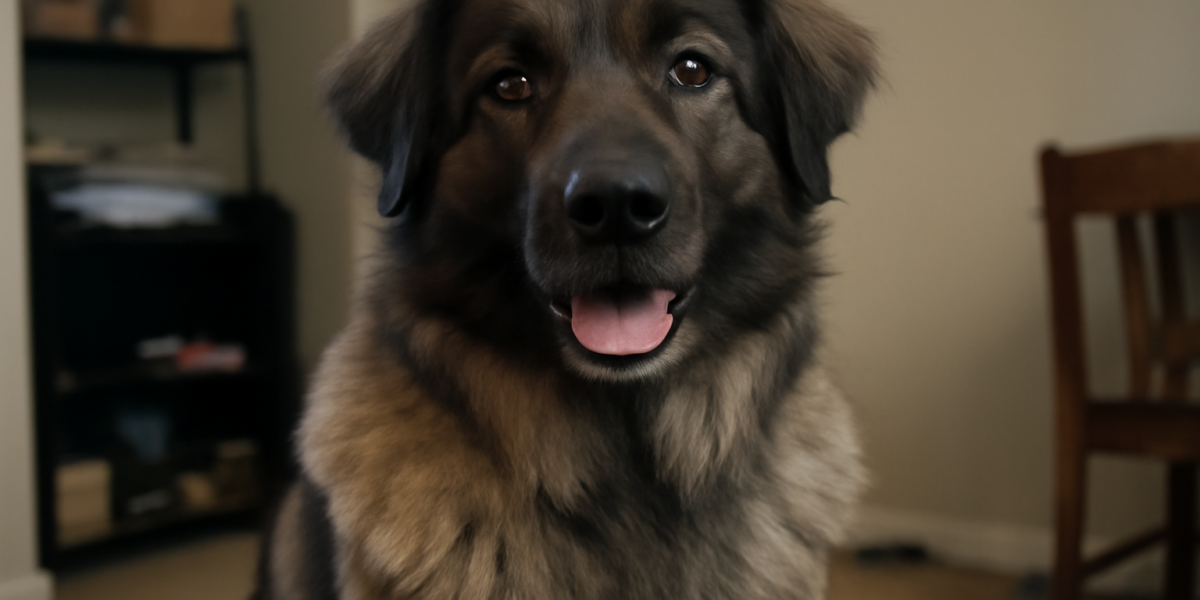
The breed comes in two coat varieties: long and short. Both are double coats with dense undercoats. Color ranges across fawn, wolf gray, and yellow, often with brindle markings, white markings on the chest, and characteristic black overlay on the ears, mask, and tail tip. The expression is calm and thoughtful rather than sharp.
Exercise and Activity Needs
Estrelas need space and a job. A working Estrela on a Portuguese mountain farm covers significant ground at a comfortable pace and meets its activity needs through patrolling. Replicating that without livestock requires acreage, daily long walks, and patience for a breed that spends most of the day in calm observation rather than active play.
Off-leash freedom in unfenced areas is a poor idea. LGDs roam, recall is unreliable in adults, and an Estrela that decides the next valley is now its territory will go check it. Six-foot perimeter fencing minimum, with attention to gates and dig-prevention.
Grooming and Care
The double coat sheds year-round and blows heavily twice a year. Long-coated Estrelas need weekly brushing minimum, more during coat blow; short-coated dogs are less work but still substantial shedders. The coat is generally weather-resistant and self-cleaning when properly maintained, and bathing more than a few times a year is unnecessary unless the dog gets into something.
Never shave the coat. It insulates against both cold and heat, and shaving disrupts that system and can damage regrowth. Standard ear, nail, and dental care otherwise. Keep weight at a working-fit level — extra pounds on a giant frame compound joint stress.
Health and Lifespan
Estrelas are reasonably healthy for a giant breed. Hip and elbow dysplasia are the most common skeletal concerns and worth screening. Bloat is a real emergency risk in any deep-chested breed and every owner should learn to recognize early signs. Cardiac issues, eye problems, and hypothyroidism are also worth monitoring in adults.
Giant breeds generally live shorter lives than smaller dogs. Estrelas tend to fall in the typical large-to-giant range. Plan for veterinary costs that scale with body size and budget for the long-term care a heavy-bodied dog needs.
Living With an Estrela Mountain Dog
The functional home is rural, fenced, with a household that understands LGDs and ideally a job for the dog — livestock to bond to, property to watch, or a stable household with a clear routine the dog can pattern into. Suburban half-acre lots are too stimulating and too small for the breed’s territorial drive. Apartments are not workable.
Visitors require management. Most Estrelas can learn to accept invited guests with calm, patient introductions, but they will not greet warmly and should not be expected to. Children in the family are typically safe; visiting children should be supervised, kept calm, and not allowed to invade the dog’s space. Other dogs visiting the property is generally a poor idea.
Training and Socialization
Start socialization the day the puppy comes home. Puppy class for exposure, controlled introductions to varied people and environments, and consistent handling through adolescence. The Estrela’s adolescent phase, around 12–24 months, brings out independence and territorial behavior. This is the window where force-free correction and clear household structure pay off most.
Realistic obedience expectations: solid sit, down, stay, leave-it, recall under low distraction, and good leash manners. The breed will not perform precision obedience for treats — it will cooperate with a person it trusts. Reading dog body language well matters more than any specific obedience drill.
Is the Estrela Mountain Dog Right for You?
For most pet households, no. The Estrela is a serious working LGD that asks for space, experienced handling, and a household structured around the dog’s needs. If you have rural acreage and want a calm, deeply loyal companion guardian, the breed can be exceptional. If you want a giant family dog without the strong guarding instincts, the Saint Bernard or Bernese Mountain Dog are far better matches for typical pet life.
If the home is right and you are committed, breed-specific rescue is the responsible path. Many Estrelas in rescue are there because owners did not understand the breed. Read about the 3-3-3 rule for rescue decompression and start at the adopt a dog hub. A good rescue will be honest about which dogs can adapt and which cannot.
Frequently Asked Questions
Are Estrela Mountain Dogs rare in the United States?
Yes. The breed is uncommon outside Portugal, and Estrelas in North American rescue are far less common than Pyrenees or Anatolians. Breed-specific rescue networks exist but are small.
Are Estrelas good family dogs?
For the right family — rural, experienced, with appropriate space — yes, and they tend to be deeply bonded family companions. For typical suburban pet homes, the breed is generally not a good fit.
What is the difference between long-coated and short-coated Estrelas?
Both are recognized within the breed standard. Long-coated dogs need more brushing and shed in larger volumes; short-coated dogs are easier to groom but still substantial shedders. Temperament does not differ between coats.
Are Estrelas good with other dogs?
Same-sex aggression is common in adults, and unfamiliar dogs entering the territory are typically not welcome. Dogs raised together generally coexist well.
Can Estrela Mountain Dogs live in apartments?
No. The breed’s size, vocalization, territorial instincts, and need for space rule out apartment life.
Looking to adopt a Estrela Mountain Dog Breed Profile?
Browse Estrela Mountain Dog Breed Profile dogs and mixes available for adoption from shelters and rescues near you.
Find Estrela Mountain Dog Breed Profile Dogs for Adoption