Last updated: April 27, 2026
In this article
Exotic Shorthair vs Persian Cat: Complete Breed Comparison
The Exotic Shorthair and the Persian are closely related breeds that share the same flat face, round body, and gentle temperament but differ dramatically in one crucial area: coat maintenance. The Exotic Shorthair was specifically developed to be a short-haired version of the Persian, offering all the charm and sweetness of the Persian with a fraction of the grooming demands. For people who love the Persian’s appearance and personality but dread the prospect of daily coat maintenance, the Exotic Shorthair presents a compelling alternative.
Both breeds are beloved for their calm, affectionate, and easygoing natures. They are quintessential lap cats that prefer a quiet, relaxed household and are content with minimal exercise and maximum comfort. If you are drawn to flat-faced cat breeds but want to understand the practical differences between these two options, this comparison covers everything from grooming and health to temperament and lifestyle compatibility. For more cat breed information, visit our cat breeds directory.
Breed Origins and History
The Persian is one of the oldest and most recognizable cat breeds in the world. Long-haired cats from Persia, now Iran, were imported to Europe in the 1600s, where they quickly became favorites of the aristocracy. The breed was among the first to be shown at organized cat exhibitions, appearing at the Crystal Palace cat show in London in 1871. Over the following century, breeders selectively developed the Persian’s characteristic flat face, round head, and luxurious long coat. The modern Persian, sometimes called the Peke-face or ultra-type, has a much flatter face than its historical predecessors, which has created both aesthetic appeal and significant health concerns. The Persian has been one of the most popular cat breeds worldwide for over a century.
The Exotic Shorthair was developed in the late 1950s and 1960s when American Shorthair breeders crossed their cats with Persians to improve body type and coat density. The resulting kittens had the Persian’s round face and stocky body but with a short, dense coat that was much easier to maintain. Initially viewed as accidental hybrids, these cats gained their own following and were recognized as a distinct breed by the CFA in 1967 under the name Exotic Shorthair. The breed has been selectively developed to match the Persian standard in every way except coat length, and Persians are still used in Exotic Shorthair breeding programs to maintain type. The Exotic Shorthair has steadily grown in popularity and now rivals the Persian in some registries.
The relationship between these breeds is as close as any in the cat world. The Exotic Shorthair is essentially a Persian in a short coat, and kittens from Exotic Shorthair litters occasionally have long hair, in which case they are registered as Persians. This intertwined heritage means the breeds share nearly identical temperaments, body types, and health profiles, with grooming being the primary practical difference. For more on the Persian’s characteristics, see our Persian cat breed profile.
Size and Physical Appearance
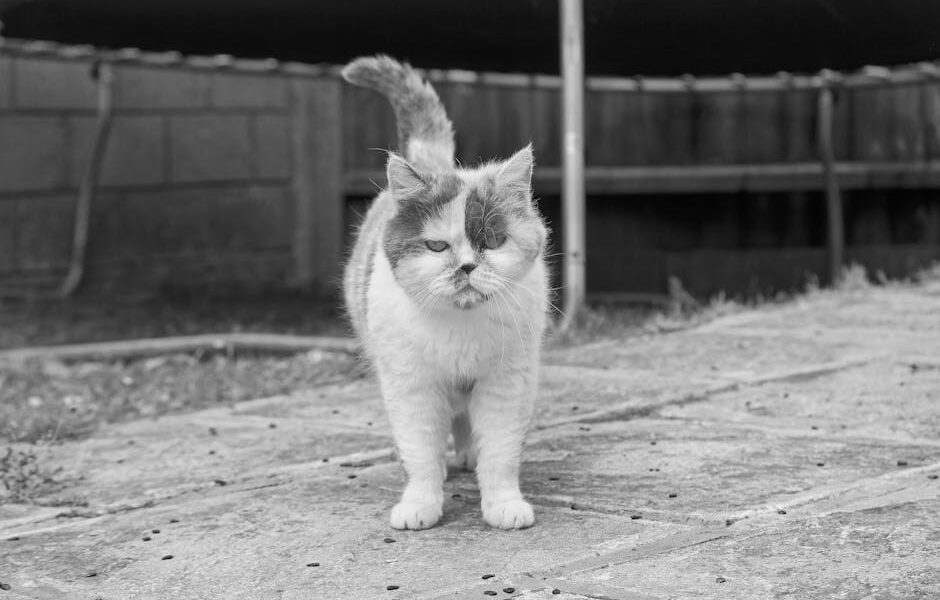
The Persian is a medium-to-large cat with a cobby, heavily boned body that feels solid and substantial. Males typically weigh 9 to 14 pounds, while females weigh 7 to 11 pounds. The body is low on the legs, broad-chested, and rounded, with short, thick legs and large, round paws. The head is large and round with a flat face, full cheeks, a very short, broad nose, and large, round, expressive eyes that are set wide apart. Eye color varies with coat color but includes copper, blue, green, and odd-eyed combinations. The defining feature is the luxurious long coat, which is fine, dense, and glossy, flowing over the entire body and forming a dramatic ruff around the neck and a full, sweeping tail. Persians come in virtually every color and pattern imaginable.
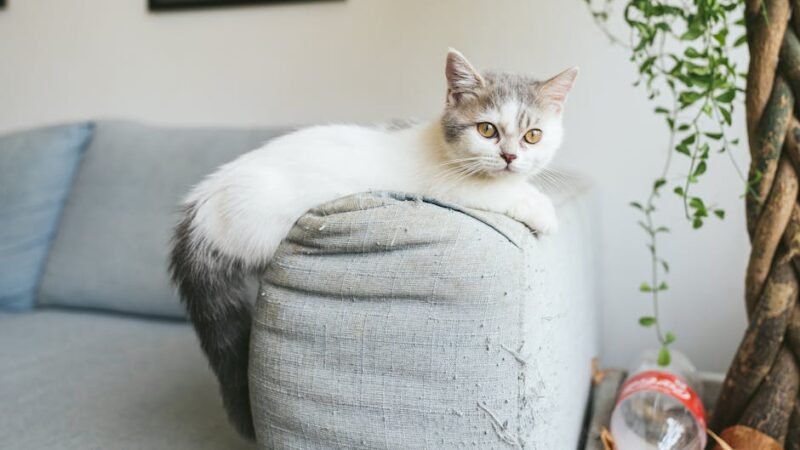
The Exotic Shorthair matches the Persian in body type, head shape, and overall proportions. Males typically weigh 8 to 13 pounds, and females weigh 6 to 10 pounds. The body is the same cobby, rounded shape, and the flat face, round eyes, and broad head are identical to the Persian standard. The critical difference is the coat: the Exotic Shorthair has a short, dense, plush coat that stands slightly away from the body due to its thick undercoat. The coat has a teddy bear quality that is soft, springy, and inviting to touch. Like the Persian, the Exotic Shorthair comes in every color and pattern.
The visual difference between the breeds is immediately apparent but solely about coat length. The Persian looks like a cloud of flowing fur with a flat face peeking out, while the Exotic Shorthair looks like a stuffed animal brought to life with the same adorable face in a more compact, plush package. Both breeds have the distinctive flat-faced look that defines the brachycephalic cat type.
Temperament and Personality
The Persian is the quintessential calm, gentle, quiet companion cat. Persians are sweet-natured, affectionate, and entirely content with a sedentary lifestyle. They enjoy being petted and held, prefer quiet environments, and are not demanding of attention. Persians rarely vocalize, using a soft, pleasant voice only when they have something specific to communicate, such as an empty food bowl. They are not climbing, jumping, or running enthusiasts, preferring to lounge on comfortable surfaces at ground level. Persians are tolerant and gentle, making them good companions for older adults and calm households, but they can become stressed by loud noise, excessive activity, and rough handling.
The Exotic Shorthair shares the Persian’s gentle nature but tends to be slightly more playful and active. While still a calm breed by any standard, Exotic Shorthairs show more curiosity, more interest in interactive toys, and more willingness to engage in brief play sessions than their long-haired counterparts. This slight increase in activity is attributed to the American Shorthair ancestry that contributed to the breed’s creation. Exotic Shorthairs are often described as the best of both worlds: the Persian’s sweet, docile personality with a touch of the American Shorthair’s playfulness and sturdiness. They are affectionate and enjoy lap time but may also entertain themselves with a toy mouse or a crinkle ball between naps.
Both breeds are excellent companions for people who want a quiet, undemanding cat. Neither breed is suitable for owners who want an interactive, energetic cat that plays fetch, learns tricks, or demands constant engagement. Both breeds prefer a peaceful environment and can become stressed in chaotic, noisy households. They are not ideal for families with young, active children who want a playful feline companion.
Grooming and Coat Care
Grooming is the defining difference between these breeds and the primary factor driving most people’s choice. The Persian’s long coat is one of the most demanding in the cat world. Daily brushing is not optional; it is essential to prevent the painful matting that develops rapidly in the fine, dense coat. Mats can form overnight, particularly around the legs, belly, and behind the ears. In addition to daily brushing, Persians need regular bathing every four to six weeks to keep the coat clean, free of oil buildup, and manageable. Professional grooming is recommended for owners who cannot maintain the coat at home. The face also needs daily cleaning, as the flat facial structure causes chronic tear staining and discharge that accumulates in the facial folds. Many Persian owners keep their cats in a lion cut or other shortened clip to reduce grooming demands, though this changes the breed’s characteristic appearance.
The Exotic Shorthair’s grooming needs are dramatically lower. Weekly brushing is usually sufficient to keep the coat in good condition and manage shedding. The dense, plush coat does not mat like the Persian’s long coat, and tangles are rare. The Exotic Shorthair does shed more than the Persian because its dense undercoat releases hair more readily, but weekly brushing controls this effectively. Like the Persian, the Exotic Shorthair needs daily face cleaning to manage tear staining and discharge caused by the flat facial structure. Overall, the Exotic Shorthair’s grooming demands are a fraction of the Persian’s, saving owners hours of weekly maintenance.
For perspective, a Persian owner can expect to spend 15 to 30 minutes daily on coat maintenance plus regular bathing and professional grooming sessions. An Exotic Shorthair owner typically spends 10 to 15 minutes weekly on coat care plus daily face cleaning. This difference adds up to many hours per month and is the single biggest practical factor in choosing between these breeds.
Health and Lifespan
Both breeds share essentially the same health profile because of their close genetic relationship and identical facial structure. The Persian typically lives 12 to 17 years, while the Exotic Shorthair has a similar lifespan of 12 to 15 years. Both breeds face significant health challenges related to their brachycephalic facial structure.
Brachycephalic airway issues are common in both breeds. The shortened skull creates narrowed nostrils, an elongated soft palate, and compressed airways that can cause breathing difficulties ranging from chronic snoring to serious respiratory distress. Many flat-faced cats have chronic nasal discharge and difficulty breathing during physical exertion or in warm weather. The severity varies between individuals, with some cats managing well and others requiring surgical intervention.
Polycystic kidney disease is a major genetic concern for both breeds, affecting a significant percentage of the population. A genetic test is available, and responsible breeders screen all breeding cats for the PKD1 gene. Progressive retinal atrophy can cause vision loss and is also testable through genetic screening. Hypertrophic cardiomyopathy occurs in both breeds, as it does in many pedigreed cats. Dental problems are common due to the crowded jaw, and regular dental care is essential. Both breeds are prone to excessive tear production and tear staining due to their facial structure, and some individuals develop chronic eye infections.
The Exotic Shorthair may have a slight health advantage in some areas due to the genetic diversity introduced by the American Shorthair outcross, but the brachycephalic health concerns are identical between the breeds. Both require owners who are prepared for potentially significant veterinary costs related to their facial structure.
Exercise and Activity Needs
Both breeds have very low exercise requirements, making them among the most sedentary cat breeds available. The Persian is content with minimal physical activity, typically limited to short play sessions and gentle exploration of its environment. Persians prefer ground-level activities and rarely climb to high surfaces or engage in acrobatic play. Their flat-faced structure limits their exercise tolerance, and vigorous activity can cause breathing difficulty, particularly in cats with more extreme facial conformation.
The Exotic Shorthair is slightly more active than the Persian but still falls well within the low-activity category. Exotic Shorthairs enjoy short play sessions with interactive toys, may chase a ball or mouse toy, and show more interest in exploring their environment than their Persian counterparts. They are not demanding of exercise but appreciate and benefit from daily interactive play that keeps them mentally engaged and helps prevent obesity.
Both breeds are highly susceptible to obesity due to their low activity levels and their tendency to enjoy food. Weight management through portion control and measured feeding is essential for both breeds. Even modest weight gain puts additional strain on their already compromised respiratory systems and can exacerbate breathing difficulties. A healthy weight is one of the most important factors in maintaining quality of life for brachycephalic cats.
Living Arrangements and Compatibility
Both breeds are ideal apartment cats. Their low activity levels, quiet natures, and preference for indoor environments make them perfectly suited to small living spaces. Neither breed needs outdoor access, and both should be kept strictly indoors for their safety. Their flat faces make them more vulnerable to heat and cold, and their calm temperaments make them unlikely to avoid outdoor hazards effectively.
Both breeds are gentle with other pets and can coexist peacefully with calm dogs and other cats. They should not be paired with highly active, rambunctious pets that might overwhelm or stress them. Both breeds prefer a calm household with predictable routines and minimal disruption. They are good companions for older adults, single professionals, and quiet couples who want a loving, undemanding pet.
Both breeds can live with children, but they are not ideal playmates for active kids. These cats prefer gentle handling and quiet interaction. They may become stressed or withdrawn in households with loud, energetic children who want a cat that plays roughly or tolerates frequent handling. Families with calm, gentle children who enjoy quiet cuddle time will find either breed a wonderful fit.
Which Breed Is Right for You?
Choose the Persian if you want the full, dramatic experience of living with one of the most beautiful long-haired cats in the world and are genuinely committed to daily grooming. The Persian’s flowing coat is stunning and unique, and the breed’s serene, regal demeanor is deeply calming. If you enjoy the ritual of daily grooming as a bonding experience with your cat and are prepared for the time and financial investment it requires, the Persian rewards that commitment with an unmatched combination of beauty and gentle companionship.
Choose the Exotic Shorthair if you love the Persian’s face, personality, and temperament but want a much more manageable coat. The Exotic Shorthair delivers nearly the identical experience of living with a Persian while requiring a fraction of the grooming time. Its slightly more playful personality is a bonus for owners who want occasional interactive engagement from their cat. The Exotic Shorthair is the more practical choice for most households and is an excellent option for first-time cat owners who are drawn to the flat-faced look.
Both breeds are wonderful companions for the right household. Visit our adoption page to see if any Persians or Exotic Shorthairs are currently available for adoption.
Frequently Asked Questions
Are Exotic Shorthairs just short-haired Persians?
Essentially, yes. The Exotic Shorthair was specifically developed to be a short-haired version of the Persian, and the breeds are so closely related that they share the same breed standard in every aspect except coat length. Long-haired kittens born in Exotic Shorthair litters are often registered as Persians. The two breeds are managed as closely related varieties within the same breeding program by many breeders and registries.
Do both breeds have breathing problems?
Both breeds can experience breathing difficulties related to their flat-faced brachycephalic structure. The severity varies between individuals, with some cats breathing comfortably throughout their lives and others requiring medical or surgical intervention. When choosing either breed, look for breeders who prioritize moderate facial conformation rather than extreme flatness, as more moderate faces are associated with better respiratory function.
Which breed sheds more?
The Exotic Shorthair actually sheds more visibly than the Persian because its dense undercoat releases hair more readily. The Persian’s long coat tends to trap shed hair within the coat, where it forms mats rather than falling onto furniture. However, the Persian produces more overall loose hair that is released during daily brushing sessions. In practical terms, the Exotic Shorthair’s shedding is easier to manage because it can be controlled with weekly brushing rather than the daily sessions the Persian requires.
Can these breeds tolerate warm climates?
Both breeds are heat-sensitive due to their brachycephalic facial structure, which impairs their ability to cool themselves through panting. Air conditioning is essential in warm climates, and both breeds should be kept indoors in temperature-controlled environments. The Persian’s heavy coat adds an additional layer of heat risk, making it slightly more vulnerable to overheating than the Exotic Shorthair. Neither breed should be housed in environments without reliable climate control.
How much does grooming a Persian cost?
Professional grooming for a Persian typically costs $50 to $100 per session, with sessions recommended every four to eight weeks. Annual grooming costs can range from $500 to $1,500 depending on frequency and your location. Some owners reduce costs by maintaining the coat at home, but this requires quality grooming tools and a significant daily time investment. If you cannot commit to either professional grooming or daily home grooming, the Exotic Shorthair is the more appropriate choice.
Are Exotic Shorthairs good with other cats?
Exotic Shorthairs are generally peaceful with other cats, particularly with breeds that match their calm energy level. They are not aggressive or territorial and can integrate into multi-cat households with proper introductions. They pair well with other quiet breeds such as Ragdolls, British Shorthairs, and of course Persians. Pairing an Exotic Shorthair with a highly active breed like a Bengal or Abyssinian may create stress for the Exotic, as the activity mismatch can be overwhelming for this laid-back breed.
Looking to adopt a Exotic Shorthair vs Persian Cat?
Browse Exotic Shorthair vs Persian Cat cats and mixes available for adoption from shelters and rescues near you.
Find Exotic Shorthair vs Persian Cat Cats for Adoption