Last updated: April 27, 2026
In this article
Field Spaniel Breed Profile: The Overlooked Sporting Gem
In a world where Cocker Spaniels and Springer Spaniels dominate the spaniel spotlight, the Field Spaniel quietly waits in the wings, largely unknown to the general public yet deeply cherished by those fortunate enough to own one. This medium-sized sporting breed combines the athleticism of a working gundog with the gentle, docile temperament of a devoted companion. Consistently ranked among the rarest breeds registered with the American Kennel Club, the Field Spaniel is a hidden treasure for families and sportsmen alike. If you are looking for a versatile, affectionate dog that stands apart from the crowd, this comprehensive guide will introduce you to everything the Field Spaniel has to offer.
History and Origins
The Field Spaniel’s history is one of the most dramatic rise-and-fall-and-rise stories in the dog world. The breed originated in England during the mid-nineteenth century, when all spaniels weighing over 25 pounds were classified as Field Spaniels and those under 25 pounds were considered Cocker Spaniels. For a closer look at the smaller cousin, see our Cocker Spaniel breed profile.
During the late 1800s, show breeders became fixated on producing a long, low, heavy-boned spaniel that bore little resemblance to the original working type. They crossed Field Spaniels with Sussex Spaniels and even Basset Hounds, creating exaggerated dogs with bodies so long and legs so short that they could barely function in the field. The breed’s health suffered, its popularity plummeted, and by the early twentieth century, the Field Spaniel was on the brink of extinction.
Salvation came from a dedicated group of breeders who recognized that the breed needed to return to its working roots. In the mid-twentieth century, they infused fresh blood from English Springer Spaniels and carefully bred for moderation, functionality, and health. The result was the modern Field Spaniel: a well-balanced, elegant dog that can work all day in the field and curl up on the couch at night. Despite the successful restoration, the Field Spaniel has never regained widespread popularity, which many enthusiasts consider a blessing. The breed’s rarity has helped protect it from the overbreeding and health problems that plague more popular breeds.
Appearance and Size
The Field Spaniel is a medium-sized dog that strikes a beautiful balance between substance and elegance. Males stand 17 to 18 inches at the shoulder, while females measure 16 to 17 inches. Weight ranges from 35 to 50 pounds, placing the breed comfortably between the Cocker Spaniel and the Springer Spaniel in terms of size.
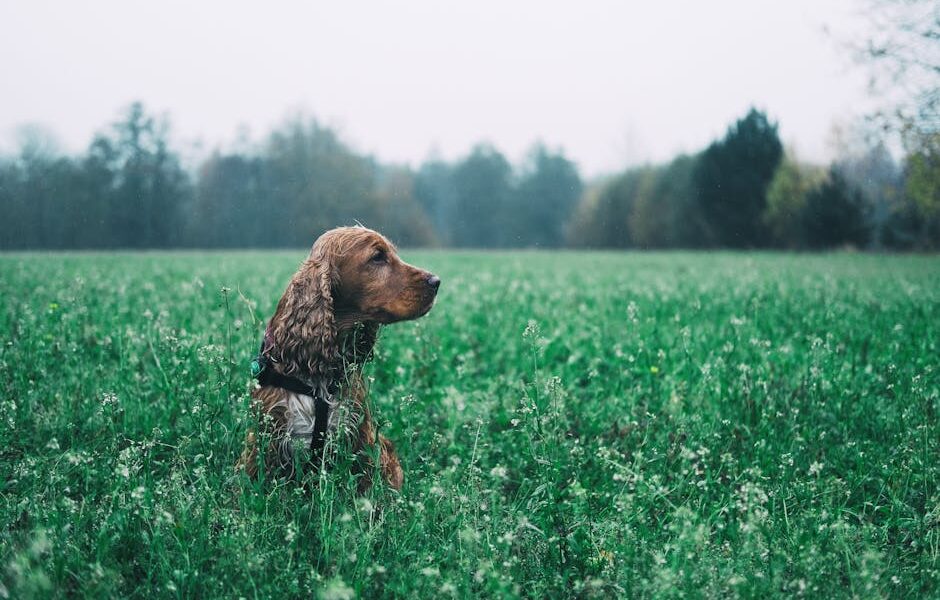
The breed’s silhouette is noble and well-proportioned, with a moderately long body, a deep chest, and strong, straight legs. The head is distinctive, with a long, lean muzzle, low-set pendant ears, and dark, almond-shaped eyes that convey a gentle, intelligent expression. The overall impression is one of dignified grace without any of the exaggeration that nearly destroyed the breed a century ago.
The Field Spaniel’s coat is single-layered, moderately long, and either flat or slightly wavy. It is silky to the touch and lies close to the body, with feathering on the chest, underbody, backs of the legs, and ears. Acceptable colors include solid black, liver, golden liver, and roan patterns, with or without tan points. The coat has a natural glossy sheen that enhances the breed’s elegant appearance.
Temperament and Personality
If you ask Field Spaniel owners to describe their dogs in one word, the answer you will hear most often is “sweet.” This is a breed with an exceptionally gentle, affectionate disposition that makes it a wonderful family companion. Field Spaniels are sensitive dogs that thrive on human connection and are happiest when they can be near their people. They are not the type of dog that tolerates being left alone for long stretches, and they can develop separation anxiety if their social needs are not met.
With their families, Field Spaniels are playful, loyal, and eager to please. They are generally patient with children and can make excellent companions for families with kids of all ages. Their moderate energy level means they are active enough to keep up with outdoor adventures but calm enough to relax indoors without bouncing off the walls. For more breeds that excel in family settings, take a look at our roundup of the best dogs for families.
Around strangers, Field Spaniels can be reserved at first but typically warm up once they sense that the newcomer is welcome. They are not aggressive or snappy, but they are more cautious than the typically exuberant Cocker Spaniel. This mild wariness makes them adequate watchdogs, as they will alert you to unusual activity, but they lack the guarding instinct to do much beyond sounding the alarm.
Field Spaniels generally get along well with other dogs and can coexist peacefully with cats and other household pets, especially if raised together. Their moderate prey drive is lower than some sporting breeds, though they may still chase birds or small wildlife when outdoors.
Exercise and Training
The Field Spaniel is an adaptable breed that can adjust its activity level to match its owner’s lifestyle, within reason. At minimum, the breed needs 45 to 60 minutes of daily exercise, which can include walks, hikes, swimming, or off-leash play in a securely fenced area. Field Spaniels are natural retrievers and water lovers, so activities that tap into these instincts are particularly satisfying for them.
For owners interested in dog sports, the Field Spaniel is a versatile competitor. The breed can excel in hunt tests, agility, rally obedience, tracking, and dock diving. Their willingness to work cooperatively with a handler makes them enjoyable training partners, and their moderate size allows them to navigate agility courses with surprising speed and agility.
Training a Field Spaniel is generally a pleasant experience. The breed is intelligent, sensitive, and motivated by both food and praise. They respond beautifully to positive reinforcement methods and tend to wilt under harsh corrections. Patience and consistency yield the best results, as the Field Spaniel is eager to please but can become confused or anxious if training methods are inconsistent. Early socialization is important to build confidence, particularly because the breed’s natural sensitivity can tip toward timidity if not addressed during the critical developmental period.
One training challenge to be aware of is the Field Spaniel’s nose. As a sporting breed, it has an excellent sense of smell and can become absorbed in scent trails to the exclusion of everything else, including your recall command. Working on a reliable recall in low-distraction environments before gradually increasing the difficulty is the most effective approach.
Health and Lifespan
The Field Spaniel has an average lifespan of 12 to 13 years, and the breed is generally healthy thanks to the careful restoration work done by dedicated breeders in the twentieth century. However, like all breeds, the Field Spaniel is susceptible to certain health conditions.
Hip dysplasia is a concern in the breed, and reputable breeders screen their stock through organizations like the Orthopedic Foundation for Animals. Eye conditions, including progressive retinal atrophy, cataracts, and retinal dysplasia, have been documented in the breed, so regular ophthalmologic exams are recommended. Thyroid issues, including hypothyroidism, can also occur and are typically manageable with medication.
Ear infections are common in Field Spaniels due to their long, pendulous ears, which restrict airflow to the ear canal. Regular ear cleaning and drying the ears after swimming or bathing can help prevent infections. Some Field Spaniels may be prone to allergies, which can manifest as skin irritation, itching, or digestive issues.
The breed’s relatively small gene pool, a consequence of its rarity, means that genetic diversity is an ongoing concern. Responsible breeders work to minimize inbreeding and prioritize health testing to maintain the breed’s overall vitality. Prospective owners should seek breeders who can provide documentation of health clearances for hips, eyes, and thyroid.
Grooming and Coat Care
The Field Spaniel’s silky coat is beautiful but requires regular maintenance to keep it looking its best. Weekly brushing with a slicker brush or pin brush will remove loose hair, prevent tangles, and distribute natural oils throughout the coat. Pay special attention to the feathering on the ears, chest, legs, and underbody, where mats are most likely to form.
Bathing every four to six weeks, or as needed after muddy outdoor adventures, will keep the coat clean and fresh. Use a gentle dog shampoo that will not strip the natural oils that give the Field Spaniel’s coat its characteristic luster. After bathing, towel-dry the coat and use a low-heat dryer if needed, brushing as you dry to prevent tangles.
The ears deserve particular attention. Their length and weight mean they hang close to the head, trapping moisture and reducing air circulation. Check the ears weekly for redness, odor, or discharge, and clean them with a veterinarian-approved ear cleaning solution. Trimming excess hair from the inner ear flap can also improve airflow and reduce infection risk.
Professional grooming every eight to twelve weeks can help maintain the coat’s shape and manage the feathering. Some owners choose to trim the feathering shorter for easier maintenance, particularly if the dog spends a lot of time outdoors where burrs and debris can become tangled in the longer hair. Nail trimming and dental care round out the grooming routine.
Who Is the Field Spaniel Best For?
The Field Spaniel is an ideal companion for individuals or families who appreciate a gentle, affectionate dog and can provide consistent companionship. This is not a breed that does well as an afterthought. It needs to be a valued member of the household, included in daily activities, and given plenty of opportunities for bonding.
Active retirees, work-from-home professionals, and families with children of any age can all be excellent matches for the Field Spaniel. The breed’s moderate exercise needs mean it does not require the intense daily workouts that some sporting breeds demand, but it does need regular activity to stay physically and mentally healthy. A home with a fenced yard is beneficial but not strictly necessary if the owner is committed to providing daily walks and outdoor excursions.
First-time dog owners can succeed with a Field Spaniel, as the breed’s trainability and gentle nature make it forgiving of minor mistakes. However, prospective owners should be prepared for the breed’s sensitivity and need for companionship. If you work long hours away from home and cannot arrange for a dog walker or doggy daycare, a more independent breed may be a better choice.
Finding a Field Spaniel can be a challenge due to the breed’s rarity. Expect to be placed on a waiting list with a reputable breeder, and be prepared for a thorough screening process. Breed-specific rescues occasionally have Field Spaniels available, so that is another avenue worth exploring. Whether you find your Field Spaniel through a breeder or a rescue, you are gaining a loyal, loving companion that will enrich your life in ways you never expected.
Frequently Asked Questions
How is the Field Spaniel different from the Cocker Spaniel?
The Field Spaniel is larger than the Cocker Spaniel, standing 16 to 18 inches tall compared to the Cocker’s 13.5 to 15.5 inches. Field Spaniels tend to have a calmer, more reserved temperament, while Cockers are typically more outgoing and exuberant. The Field Spaniel’s coat lies flatter and requires somewhat less grooming than the Cocker’s fuller, more profuse coat. Both breeds share similar sporting instincts and affectionate natures.
Are Field Spaniels rare?
Yes, the Field Spaniel is one of the rarest breeds in the United States and the United Kingdom. The AKC typically registers fewer than 200 Field Spaniel puppies each year, placing it near the bottom of popularity rankings. This rarity is partly a legacy of the breed’s near-extinction in the early twentieth century and partly a reflection of its lack of visibility compared to more popular spaniel breeds. Finding a puppy often requires patience and a willingness to travel.
Do Field Spaniels make good apartment dogs?
Field Spaniels can adapt to apartment living if their exercise and companionship needs are met consistently. Their moderate energy level and relatively calm indoor demeanor work in their favor. However, they are happiest with access to outdoor spaces for running and exploring. If you live in an apartment, plan on at least two substantial daily walks and regular trips to a dog park or other off-leash area to keep your Field Spaniel content and well-adjusted.
Are Field Spaniels good with children?
Field Spaniels are generally excellent with children. Their gentle, patient nature makes them well-suited to family life, and they often form particularly strong bonds with the younger members of the household. As with any breed, supervision during interactions between dogs and young children is always recommended, and teaching children how to respectfully handle and interact with dogs is an important part of a successful relationship.
Looking to adopt a Field Spaniel Breed Profile?
Browse Field Spaniel Breed Profile dogs and mixes available for adoption from shelters and rescues near you.
Find Field Spaniel Breed Profile Dogs for Adoption