
Last updated: May 23, 2026
In this article
Great Dane Dog Breed Profile
The Great Dane is one of the most instantly recognizable dog breeds in the world — towering in stature yet warm and gentle at heart. Known as the “Apollo of dogs,” the great dane combines regal elegance with a deeply affectionate nature, making it one of the most beloved large breeds for families, singles, and seniors alike. Despite standing up to 32 inches at the shoulder, these dogs are known for their calm temperament and their unwavering loyalty to the people they love. Whether curled up on the couch (or attempting to) or striding confidently through a neighborhood park, the great dane has a presence that is impossible to ignore — and a personality that is equally impossible to resist. If you are considering welcoming a great dane into your home, this breed profile covers everything you need to know.
Quick Facts
| Breed Group | Working |
|---|---|
| Size | Giant |
| Height | 28–32 inches (male); 26–30 inches (female) |
| Weight | 110–175 lbs (male); 99–140 lbs (female) |
| Life Expectancy | 7–10 years |
| Coat Type | Short, smooth, dense |
| Colors | Fawn, brindle, blue, black, harlequin, mantle, merle |
| Shedding Level | Moderate |
| Energy Level | Moderate |
| Good With Kids | Yes, with supervision |
| Good With Other Pets | Generally yes, with socialization |
| Trainability | High — eager to please |
| Country of Origin | Germany |
| AKC Recognition | 1887 |
Personality and Temperament
Do not let the size fool you. The great dane is, at its core, a gentle and deeply loving dog. Often described as a “gentle giant,” this breed is known for being affectionate, patient, and remarkably easygoing for a dog of such commanding stature. Great Danes form strong bonds with their families and tend to be devoted companions who thrive on human connection. They are not typically aggressive, though their sheer size can be enough of a deterrent for unwanted visitors.
Great Danes are generally friendly with strangers once properly introduced and tend to do well in social settings. They are not known as excessive barkers, though they will alert their families when something feels off. These dogs have a calm, dignified presence indoors and tend to be surprisingly low-key around the house — often seeking out the nearest couch or warm human lap, size permitting.
Despite their gentle nature, great danes are also confident and self-assured. They respond best to consistent, kind leadership and can become anxious or withdrawn if treated harshly. Given the right environment — one filled with patience, love, and clear boundaries — the great dane is an extraordinarily rewarding companion who gives back as much affection as it receives.
Appearance
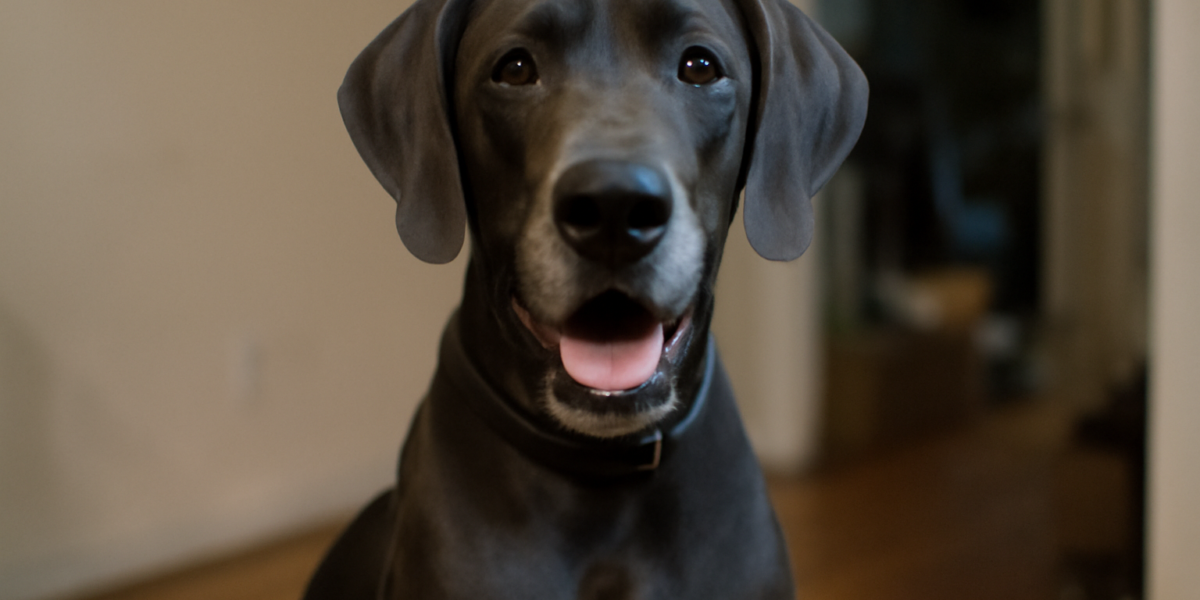
The great dane holds the record as one of the tallest dog breeds in the world, with some males surpassing 34 inches at the shoulder and weighing close to 200 pounds. Yet for all their size, great danes carry themselves with a grace and elegance that sets them apart from other giant breeds. Their build is muscular and well-proportioned, with a long neck, deep chest, and powerful hindquarters that give them a noble, statuesque silhouette.
The coat is short, smooth, and close-lying, requiring minimal grooming despite the dog’s large surface area. Great danes come in a wide range of stunning color patterns, including fawn (often with a black mask), brindle, blue, black, harlequin (white with irregular black patches), mantle (black and white), and merle. The head is long and rectangular, with a pronounced stop and expressive eyes that convey both intelligence and warmth. The ears may be natural or cropped, though natural ears are increasingly common as cropping falls out of favor.
Exercise Needs
One of the most common misconceptions about the great dane is that such a large dog must require enormous amounts of exercise. In reality, great danes have moderate exercise needs — significantly less than many medium-sized high-energy breeds. Two daily walks of moderate length, totaling around 30 to 60 minutes of activity per day, is generally sufficient for an adult great dane.
It is important to avoid over-exercising great dane puppies, whose bones and joints are still developing. High-impact activities like prolonged running, jumping, or rough play on hard surfaces should be limited in dogs under 18 months of age to reduce the risk of developmental orthopedic problems. As adults, great danes enjoy leisurely strolls, yard time, and calm play sessions. They are not built for agility courses or marathon runs, but they do appreciate regular movement to maintain a healthy weight and joint health.
Mental stimulation is equally important. Puzzle toys, training sessions, and social outings help keep a great dane mentally engaged and emotionally content. For more guidance on keeping large dogs active and healthy, visit our dog care blog.
Grooming Needs
The great dane’s short, smooth coat is one of its most low-maintenance features. Weekly brushing with a rubber grooming mitt or a soft-bristle brush is usually all that is needed to remove loose hair and keep the coat looking healthy and shiny. Great danes do shed, particularly during seasonal transitions, and more frequent brushing during those periods will help manage loose fur around the home.
Bathing can be done every four to six weeks or as needed. Because of their size, many great dane owners find it easier to use a walk-in shower or take their dog to a professional groomer. Nails should be trimmed every three to four weeks, as overgrown nails can affect gait and cause discomfort in a dog that carries so much weight. Ears should be checked weekly for signs of redness, odor, or discharge, and cleaned gently as needed. Dental hygiene is also important — aim to brush your great dane’s teeth several times per week to prevent tartar buildup and gum disease.
Health and Common Issues
Like all giant breeds, the great dane is prone to a number of health conditions that prospective owners should be aware of. Understanding these issues early can lead to better outcomes and a higher quality of life for your dog.
Bloat (Gastric Dilatation-Volvulus / GDV): This is one of the most serious and life-threatening conditions affecting great danes. GDV occurs when the stomach fills with gas and twists on itself, cutting off blood supply. It requires immediate emergency surgery. Feeding smaller meals two to three times a day, avoiding vigorous exercise around meal times, and using slow-feeder bowls can help reduce risk.
Dilated Cardiomyopathy (DCM): Great danes are one of the breeds most predisposed to this heart condition, which weakens the heart muscle and reduces its ability to pump effectively. Regular cardiac screenings by a veterinarian are recommended.
Hip Dysplasia: A common orthopedic condition in large breeds, hip dysplasia occurs when the hip joint does not develop correctly, leading to arthritis and pain over time.
Wobbler Syndrome (Cervical Spondylomyelopathy): This neurological condition affects the cervical spine and can cause an unsteady, wobbly gait, weakness in the limbs, and neck pain.
Routine veterinary care, appropriate nutrition, and weight management are the best foundations for a long and healthy life for a great dane.
Are Great Danes Good With Kids and Other Pets?
Great danes are generally wonderful with children and are known for their patient, tolerant nature. They tend to be gentle even with young kids, showing a level of restraint and awareness of their own size that is quite remarkable. However, because of how large and powerful great danes are, supervision is always recommended when they interact with small children — not because they are prone to aggression, but simply because an enthusiastic wag of a tail or an accidental bump can knock a toddler off their feet.
When it comes to other pets, great danes typically do well when raised alongside them or introduced gradually and properly. They are not known as predatory dogs and can coexist peacefully with cats and smaller dogs, particularly when socialized from a young age. Rescue great danes may need a slower introduction period depending on their history, but with patience and positive reinforcement, most adapt well to multi-pet households.
Training Tips
Training a great dane is not optional — it is essential. A 150-pound dog that has not learned basic manners is a serious safety concern, regardless of how friendly the dog’s intentions may be. The good news is that great danes are intelligent, eager to please, and generally responsive to training when approached with patience and positive reinforcement.
Early socialization is the single most important investment you can make with a great dane puppy. Exposing them to a wide variety of people, environments, sounds, and other animals during the first few months of life helps them develop into confident, well-adjusted adults. Puppy obedience classes are strongly recommended, both for training value and socialization opportunities.
Focus on foundational commands — sit, stay, leave it, and loose-leash walking — as early as possible. Because of their size, leash manners are non-negotiable. Great danes should never be allowed to pull on leash, as even a moderate lunge can be dangerous. Avoid harsh corrections and punishment-based methods, as these can cause anxiety in a sensitive breed. Consistency, calm leadership, and high-value rewards will get you much further.
History and Origin
Despite the name, the great dane did not originate in Denmark. The breed was developed in Germany, where it was known as the “Deutsche Dogge” (German Mastiff) and bred for boar hunting — a dangerous pursuit that required a dog of immense strength, speed, and courage. German nobility prized these dogs both for their hunting ability and their impressive appearance, often keeping them as chamber dogs who slept in their masters’ bedrooms as a sign of status.
The breed’s association with the term “great dane” is attributed to French naturalist Georges-Louis Leclerc, Comte de Buffon, who encountered the dog in Denmark during his travels in the 1700s and dubbed it the “Grand Danois.” The name stuck in much of the English-speaking world, despite its German origins.
Over centuries of careful breeding, the fierce hunting instincts were softened and the breed was refined into the elegant, gentle companion we know today. The great dane was recognized by the American Kennel Club in 1887 and has earned the affectionate title “Apollo of dogs” — a nod to its combination of power, grace, and majesty that continues to captivate dog lovers worldwide.
Frequently Asked Questions About Great Danes
How long do Great Danes typically live?
The great dane has an average life expectancy of 7 to 10 years, which is shorter than many smaller breeds. Giant breeds in general tend to have shorter lifespans, and the great dane is no exception. Responsible ownership — including regular veterinary checkups, appropriate nutrition, weight management, and awareness of breed-specific health risks like bloat and DCM — can help maximize both the length and quality of your dog’s life.
Do Great Danes do well in apartments?
Surprisingly, yes — great danes can adapt to apartment living provided they receive adequate daily exercise and mental stimulation. They are not high-energy dogs indoors and tend to be calm and low-key inside the home. That said, their size means they need enough physical space to move comfortably, and very small apartments may not be practical. Access to outdoor space for walks and stretching is important regardless of living situation.
Are Great Danes expensive to own?
The cost of owning a great dane is higher than average, primarily due to their size. Food costs are significant — these dogs can consume six to ten cups of high-quality kibble per day. Veterinary care, including medications dosed by weight and potential costs associated with breed-specific conditions, can also add up. Pet insurance is highly recommended for great dane owners. Adopting through a rescue organization rather than purchasing from a breeder is one way to reduce upfront costs while giving a dog in need a second chance.
Can I adopt a Great Dane rather than buying from a breeder?
Absolutely. Great danes regularly come through rescue organizations and shelters, often surrendered by families who underestimated the commitment involved in owning a giant breed. Breed-specific rescues exist specifically for great danes and related giant breeds. Adopting a great dane from rescue means giving a dog in need a loving home, and many rescue dogs arrive already house-trained and familiar with basic commands. Visit our adoption page to learn more about finding a great dane through WalkMeHome Rescue.
Adopt a Great Dane
If you have read this far and find yourself drawn to the great dane, you are not alone. These magnificent dogs leave lasting impressions on everyone they meet. The good news is that you do not have to go to a breeder to find one. Great danes frequently come into rescue care through no fault of their own — owners who could not anticipate the costs, the space requirements, or the heartbreak of a shortened lifespan. These dogs deserve a second chance with a family that is truly prepared for them.
At WalkMeHome Rescue, we work to connect dogs in need with caring, informed adopters. If you are ready to open your home to a great dane, we would love to help you find your match. Browse our available dogs for adoption and take the first step toward welcoming a gentle giant into your life.


