
Last updated: June 4, 2026
In this article
- The Guinea Pig Diet in One Sentence
- Hay: 85 Percent of the Diet
- Daily Vitamin C: Greens Plus a Vitamin-C-Rich Vegetable
- Pellets: Limited and Plain
- Water: Fresh, Clean, Constant
- Fruit and Treat Frequency
- What Scurvy Looks Like (and Why You Want to Catch It Early)
- Diet’s Role in Dental Disease
- Supplementing Vitamin C the Right Way
- Putting It All Together: A Sample Daily Routine
- Frequently Asked Questions
- Guinea Pig Food Safety Guides
The Guinea Pig Diet in One Sentence
A guinea pig diet is 85 percent or more grass hay, one cup of fresh leafy greens with a vitamin-C-rich vegetable every single day, and a small measured portion of plain pellets. That is the entire foundation. Everything else — fruit, treats, hay alternatives — is optional and limited. If you simplify only that one sentence into your routine, you will avoid the three most common diet-driven illnesses guinea pigs develop.
The two biological constraints that make guinea pig feeding non-negotiable are these: guinea pigs cannot synthesize their own vitamin C (the only common mammal pets that share this limitation are primates), and their teeth grow continuously, requiring constant hay grinding to wear down. Both constraints fail catastrophically on a pet-store seed mix.
Hay: 85 Percent of the Diet
Grass hay (Timothy, orchard grass, meadow, or oat hay) should make up roughly 85 percent of an adult guinea pig’s intake by volume. Hay should be available unlimited, 24 hours a day, never depleted. A guinea pig with an empty hay rack is a guinea pig at risk of GI stasis and dental overgrowth within days.
Alfalfa hay is high-calcium and calorie-dense — appropriate for guinea pigs under six months, pregnant or nursing sows, and underweight seniors, but not for healthy adults. Excess calcium in adult pigs contributes to bladder sludge and stones. Switch from alfalfa to Timothy or orchard grass at around six months of age.
Buy hay in bulk from a feed store or online (Small Pet Select, Oxbow, Kleenmama’s) — pet-store hay is overpriced and often dusty, stale, or fragmented. Store hay dry, off the floor, with airflow. Replace any hay that smells musty or shows mold spots.
Daily Vitamin C: Greens Plus a Vitamin-C-Rich Vegetable
Adult guinea pigs require roughly 10 to 30 mg of vitamin C daily — much more if pregnant, ill, or recovering from surgery. Pellet vitamin C degrades fast (a fresh bag loses most usable vitamin C within 90 days of opening), so pellets cannot be your reliable source. Fresh produce is the only reliable daily delivery method.
Daily feed roughly one cup of leafy greens per pig: romaine lettuce, green leaf lettuce, red leaf lettuce, cilantro, parsley (small amounts — high calcium), and dandelion greens are good rotating staples. Avoid iceberg lettuce (no nutrition) and kale, spinach, or chard daily (high calcium and oxalates — fine occasional, not daily).
Add one small piece of a vitamin-C-rich vegetable daily: red, yellow, or orange bell pepper (the gold-standard option — one slice the size of your thumb), broccoli (small floret two or three times a week), or fresh parsley sprigs. If your pig refuses fresh produce, an exotic vet can prescribe a supplemental vitamin C tablet — never use the water-dispenser drops sold at pet stores; they degrade rapidly and many pigs reduce water intake to avoid the bitter taste.
Pellets: Limited and Plain
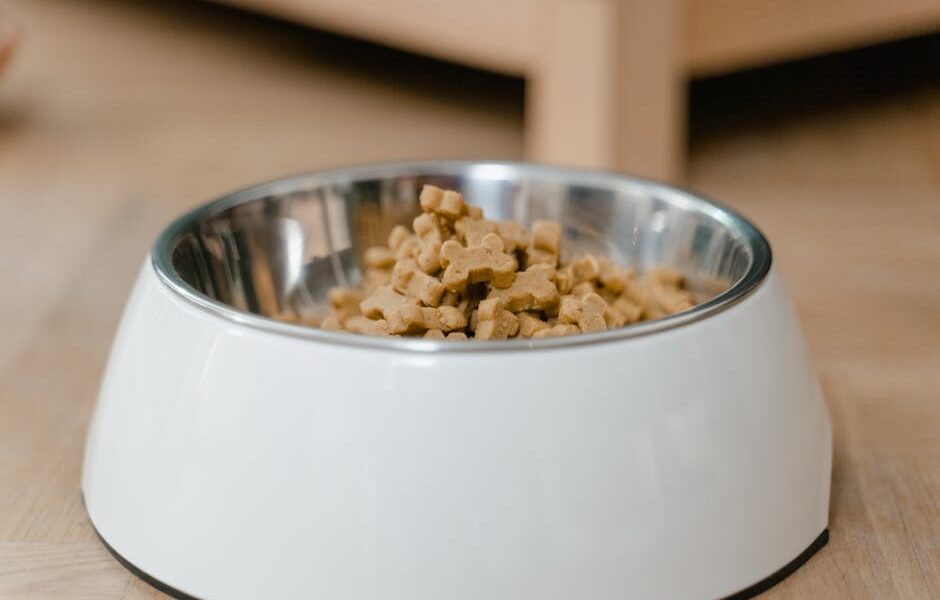
Pellets are a supplemental concentrated source of vitamins and fiber, not the diet. Feed approximately one-eighth of a cup per pig per day of a plain Timothy-based pellet (Oxbow Essentials Adult, Sherwood, KMS Hayloft are commonly recommended). Look for these markers: Timothy hay first ingredient, no seeds, no dried fruit, no colorful pieces, vitamin C added (and stamped with a recent date code).
Never feed seed-and-pellet “gourmet” mixes (Kaytee Forti-Diet Pro Health, generic supermarket guinea pig food). Guinea pigs selectively eat the high-sugar seeds and skip the pellet — the result is obesity, vitamin C deficiency, and a steady stream of avoidable veterinary emergencies. For a broader look at what not to feed across pet species, see our forbidden foods reference; many overlap with guinea pig dangers.
Water: Fresh, Clean, Constant
Two water sources are ideal — one bottle and one shallow bowl — to ensure the pig can always drink even if a bottle fails or jams. Change water daily, even if the bowl looks full. Scrub bottles and bowls weekly with a bottle brush to prevent biofilm buildup.
Tap water is generally fine. Filtered water is preferable if your municipal supply has heavy chlorination. Never add vitamin drops to water — they degrade fast and can taint the taste. Use the produce route for vitamin C instead.
Fruit and Treat Frequency
Fruit is high-sugar and should be limited to one to two times per week, in small amounts (a piece the size of a fingertip). Strawberries, blueberries, melon, apple (no seeds), and orange are reasonable rotating choices. Avoid grapes and raisins — high sugar density, possible kidney concerns reported anecdotally.
Skip commercial treats almost entirely. Most pet-store “guinea pig treats” are yogurt-coated drops, seed clusters, or honey sticks — all unsuitable. Better treats: a fresh sprig of cilantro, a small basil leaf, a pinch of plain rolled oats once a week.
What Scurvy Looks Like (and Why You Want to Catch It Early)
Vitamin C deficiency progresses from subtle to severe over weeks. Early signs: reduced appetite, weight loss, a rougher coat, reluctance to move. Mid-stage: swollen joints (especially the legs), hopping or stiff gait, bleeding from the gums when chewing. Late-stage: hemorrhage into joints and internal organs, profound weakness, often fatal without aggressive treatment. See our full guinea pig scurvy guide for the diagnostic and treatment workup.
If you suspect deficiency, do not wait for the next routine appointment. Your exotic vet can administer injectable vitamin C and stabilize the pig rapidly when caught early. Prevention is overwhelmingly easier than treatment.
Diet’s Role in Dental Disease
Continuous hay consumption is the primary mechanical mechanism for wearing down the constantly growing molars. A pig that eats pellets and skips hay (because pellets are tastier and easier) develops malocclusion within months. Symptoms include drooling, weight loss, dropping food, and selective eating. See our guinea pig malocclusion guide for the full clinical picture.
If you are converting an adult pig from a pellet-heavy diet to a hay-first diet, do it gradually over two weeks. Reduce pellets slightly each day, increase hay quality and accessibility, and watch fecal output — sudden diet changes can trigger GI upset.
Supplementing Vitamin C the Right Way
If a pig refuses bell pepper and other vitamin C produce, ask your exotic vet about a measured oral supplement. Generic high-quality human vitamin C tablets can be crushed and dosed by your vet’s instructions. Never guess your own dose — over-supplementation is uncommon but possible, and vet-guided supplementation also catches whether the underlying issue is dental pain making chewing unpleasant. For a broader frame on vitamin supplementation across pet species, see our vitamin E and C pet supplementation guide.
Putting It All Together: A Sample Daily Routine
Morning: refresh hay piles, replace water, give one cup of mixed leafy greens with one slice of red bell pepper. Midday: spot-check hay supply, top off if needed. Evening: feed one-eighth cup pellets per pig, refresh any depleted hay, brief lap or floor time. Weekly: full cage clean, weight check (a kitchen scale works), produce variety rotation. Pair this routine with a properly sized cage and same-species companion and you have the housing-plus-diet foundation in place.
Frequently Asked Questions
Can I rely on pellet vitamin C alone if I buy a fresh bag every month?
No. Even a fresh bag’s vitamin C is unreliable — bag-storage humidity, light exposure, and ingestion timing all degrade vitamin C. Fresh produce is the only consistent daily delivery method.
What vegetables are vitamin-C-rich enough to be the daily source?
Red or yellow bell pepper is the standout (roughly 100 to 150 mg per half pepper). Broccoli, parsley, and dandelion greens follow. One slice of bell pepper per pig per day is the simplest reliable routine.
Are seed mixes ever acceptable?
No. Seed-based mixes are obesity, deficiency, and dental disease in a single bag. If your current pellet has visible seeds, colorful pieces, or dried fruit, swap it for a plain Timothy-based pellet immediately.
How much hay should two guinea pigs eat in a day?
Roughly a portion the size of each pig’s body per day, every day. If you are buying less than two pounds of hay per pig per week, your supply is too low.
Can I free-feed pellets?
No. Free-feeding pellets leads to obesity, reduced hay intake, and dental overgrowth. Measure one-eighth cup per pig daily as the standard, and adjust slightly for size and activity. Some keepers transition to morning-only pellet feeding so the pig knows exactly when pellets arrive and does not graze them throughout the day.
How do I store fresh produce to keep vitamin C levels high?
Refrigerate bell pepper and leafy greens in airtight containers, use within four to seven days of purchase, and rinse just before serving. Cut produce loses vitamin C faster than whole produce, so slice immediately before feeding. Wilted greens have lost most of their nutritional value and should be composted, not served.
Is grass from my lawn safe to feed?
Only if you can confirm no pesticide, herbicide, or fertilizer exposure in at least the last several months, and no dog or cat toileting in the area. Pesticide-treated lawn grass is acutely dangerous. Untreated organic-managed lawn grass is fine in moderation.
Guinea Pig Food Safety Guides
Not sure which foods are safe for your guinea pig? These guides break down common foods one at a time, with clear serving and safety advice:
- Can Guinea Pigs Eat Apples?
- Can Guinea Pigs Eat Arugula?
- Can Guinea Pigs Eat Bananas?
- Can Guinea Pigs Eat Basil?
- Can Guinea Pigs Eat Beets?
- Can Guinea Pigs Eat Bell Peppers?
- Can Guinea Pigs Eat Blackberries?
- Can Guinea Pigs Eat Blueberries?
- Can Guinea Pigs Eat Bok Choy?
- Can Guinea Pigs Eat Broccoli?
- Can Guinea Pigs Eat Butternut Squash?
- Can Guinea Pigs Eat Cabbage?
- Can Guinea Pigs Eat Cantaloupe?
- Can Guinea Pigs Eat Carrot Tops?
- Can Guinea Pigs Eat Carrots?
- Can Guinea Pigs Eat Celery?
- Can Guinea Pigs Eat Cherries?
- Can Guinea Pigs Eat Cilantro?
- Can Guinea Pigs Eat Collard Greens?
- Can Guinea Pigs Eat Corn?
- Can Guinea Pigs Eat Cranberries?
- Can Guinea Pigs Eat Cucumber?
- Can Guinea Pigs Eat Dandelion Greens?
- Can Guinea Pigs Eat Dill?
- Can Guinea Pigs Eat Endive?
- Can Guinea Pigs Eat Grapes?
- Can Guinea Pigs Eat Green Beans?
- Can Guinea Pigs Eat Kale?
- Can Guinea Pigs Eat Kiwi?
- Can Guinea Pigs Eat Lettuce?
- Can Guinea Pigs Eat Mango?
- Can Guinea Pigs Eat Mint?
- Can Guinea Pigs Eat Mustard Greens?
- Can Guinea Pigs Eat Oranges?
- Can Guinea Pigs Eat Parsley?
- Can Guinea Pigs Eat Peaches?
- Can Guinea Pigs Eat Pears?
- Can Guinea Pigs Eat Peas?
- Can Guinea Pigs Eat Pineapple?
- Can Guinea Pigs Eat Pumpkin?
- Can Guinea Pigs Eat Radish?
- Can Guinea Pigs Eat Raspberries?
- Can Guinea Pigs Eat Spinach?
- Can Guinea Pigs Eat Strawberries?
- Can Guinea Pigs Eat Sweet Potato?
- Can Guinea Pigs Eat Swiss Chard?
- Can Guinea Pigs Eat Tomatoes?
- Can Guinea Pigs Eat Watercress?
- Can Guinea Pigs Eat Watermelon?
- Can Guinea Pigs Eat Zucchini?


