
Last updated: May 4, 2026
In this article
- Can Dogs Eat Dandelion Greens Safely?
- Nutritional Profile of Dandelion Greens
- The Pesticide and Herbicide Problem
- Diuretic Effect and When to Avoid
- Safe Serving Size by Dog Size
- How to Prepare Dandelion Greens
- Sourcing Dandelion Greens Safely
- Dandelion Greens vs Other Bitter Greens
- Symptoms to Watch For
- Frequently Asked Questions
Can Dogs Eat Dandelion Greens Safely?
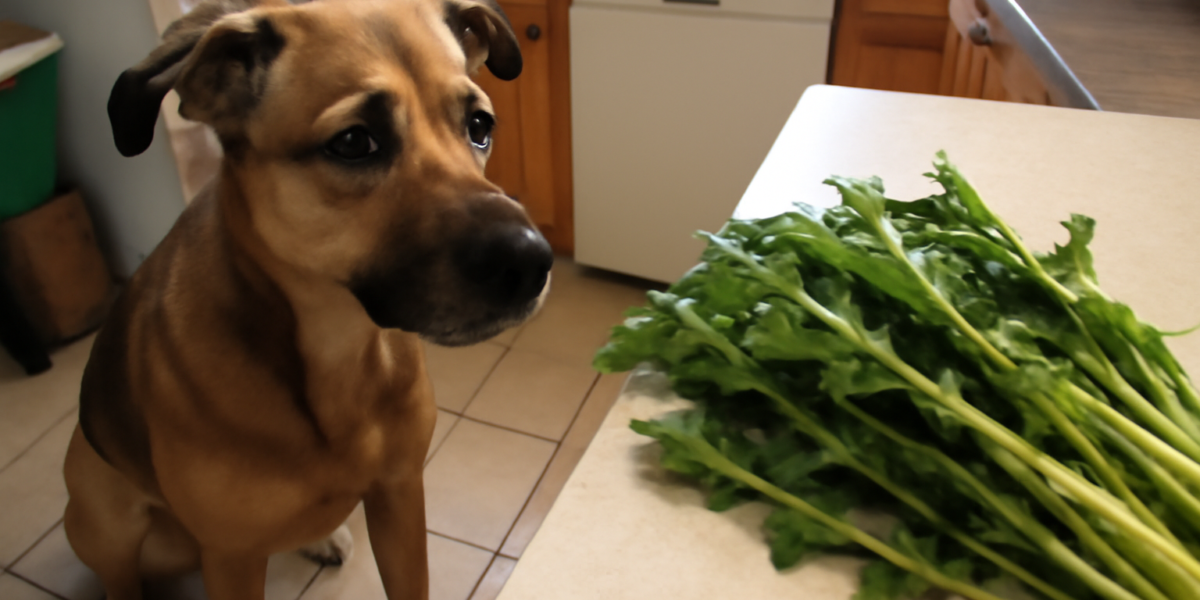
Yes, dogs can eat dandelion greens in moderation, and the entire plant, leaves, flowers, and root, is technically non-toxic. Wild herbalists have used dandelion as a supportive herb for centuries, and many holistic veterinarians recognize it as a gentle, nutrient-dense leafy green. The catch is that not all dandelion greens are created equal, and where they came from matters more than how you cook them.
Dandelion greens are bitter, especially when raw and mature. They are rich in vitamin A, vitamin K, vitamin C, iron, calcium, and potassium, and they have a mild natural diuretic effect, which is exactly why some herbalists recommend them. That diuretic action is also the main reason dogs with kidney issues, urinary problems, or those on diuretic medications should not eat dandelion greens without veterinary clearance.
The bigger everyday risk is not the plant itself but the chemicals on it. Dandelions growing in lawns, parks, sidewalks, and roadside ditches are routinely sprayed with herbicides, pesticides, and lawn-care fertilizers, all of which are toxic to dogs in their own right. Never let your dog forage dandelions from unknown ground, and never harvest dandelions from your own yard if you, your neighbor, or your landscaper has applied any chemicals.
Nutritional Profile of Dandelion Greens
For a humble weed, dandelion greens punch well above their weight nutritionally. A cup of chopped raw greens contains more vitamin K than a dog needs in a day, plus a meaningful dose of vitamin A as beta-carotene, vitamin C, and vitamin E. Minerals include calcium, iron, magnesium, potassium, and trace amounts of manganese and copper.
The greens also contain inulin, a prebiotic fiber that supports beneficial gut bacteria, and modest amounts of plant antioxidants like luteolin and chicoric acid. None of these compounds is essential for dogs in the way they are sometimes marketed, but a small fresh-vegetable top-up alongside a balanced commercial diet does no harm and may add diversity.
Calorically, dandelion greens are featherlight, around 25 calories per cup raw. That makes them appealing for dogs on weight-control plans, though again, never as a meal replacement. Vegetables and herbs should make up no more than 10 percent of daily calories for most dogs.
The Pesticide and Herbicide Problem
This is the single most important section of this article. Dandelions thrive in disturbed soil, lawns, and roadsides, and lawn-care companies, golf courses, parks, and homeowners spray these areas regularly. Common herbicides like 2,4-D, dicamba, glyphosate, and combination “weed and feed” products are designed specifically to kill dandelions and other broadleaf weeds.
These chemicals can cause vomiting, drooling, lethargy, diarrhea, tremors, and in severe cases organ damage in dogs. Even after the visible spray dries, residue can persist on plant surfaces for days to weeks. Never pick dandelion greens from any lawn or park unless you personally know that no chemicals have been used for at least an entire growing season.
Roadside dandelions face additional contamination from vehicle exhaust, road salt, brake dust, and runoff. Dandelions in vegetable gardens or unsprayed organic areas are reasonable; dandelions from anywhere else are not worth the risk. The safest source is a grocery store organic produce section, where dandelion greens are increasingly sold as a salad green, or a farmer’s market vendor who can confirm no spray.
Diuretic Effect and When to Avoid
Dandelion has a mild diuretic action, meaning it encourages the kidneys to produce more urine. For a healthy dog eating a small portion as a treat, this is not clinically significant. For dogs with certain medical conditions, it can be a real concern.
Skip dandelion greens entirely if your dog has chronic kidney disease, urinary tract infections, bladder stones, congestive heart failure, or any condition for which a veterinarian has prescribed a diuretic medication like furosemide. Adding more diuretic load on top of medication or compromised kidneys can shift fluid and electrolyte balance in unwanted directions.
Dogs with diabetes mellitus, low blood pressure, or those on potassium-sparing drugs should also be cleared by their veterinarian before getting dandelion greens. For everyone else, the diuretic effect from a tablespoon of cooked greens is too mild to matter, but it is still a reason not to make this a daily addition.
Safe Serving Size by Dog Size
As with any new vegetable, start small and work up. Dandelion greens are bitter even when cooked, and many dogs simply will not eat them in large quantities, which is your friend here.
- Toy breeds (under 10 pounds): 1 teaspoon of cooked, chopped greens, once or twice a week.
- Small breeds (10 to 25 pounds): 1 to 2 tablespoons, once or twice a week.
- Medium breeds (25 to 50 pounds): 2 to 3 tablespoons, two or three times a week.
- Large and giant breeds (over 50 pounds): Up to a quarter cup, two or three times a week.
If your dog has never had bitter greens before, mash a small amount into a bowl of regular food rather than offering it on its own. The kibble or wet food masks the bitterness and increases the chance your dog actually eats the greens.
How to Prepare Dandelion Greens
Choose young, tender leaves over older mature ones; younger leaves are noticeably less bitter and have a softer texture. Wash thoroughly under cool running water, several times if needed, since dandelion leaves cling to soil and grit. Trim any tough stems and chop the leaves into small pieces.
Boiling reduces bitterness more effectively than steaming. Plunge the chopped greens into a pot of plain water (no salt) and simmer for five to ten minutes until tender, then drain and let cool. Some bitterness will leach into the cooking water, so do not save the broth. Sautéing in a tiny amount of olive oil works as long as no salt, garlic, onion, or butter is added; dogs do not need any of those, and several are toxic.
Dandelion flowers and root are also non-toxic and can be lightly cooked, though the flowers are more often used decoratively in human dishes and the root is sometimes roasted as a coffee substitute. For dogs, the leaves are the simplest and most useful part. Avoid raw mature leaves in any quantity; the bitterness is unpleasant and the texture is hard on dog stomachs.
Sourcing Dandelion Greens Safely
The cleanest source is the grocery store organic produce section. Dandelion greens have moved from foraged weed to recognized salad green, and most well-stocked supermarkets now carry them in the spring and summer. Look for bags or bunches labeled organic, and refrigerate as you would any leafy green.
Farmer’s markets are another good option. Ask the vendor directly whether the greens are sprayed, and skip them if you cannot get a clear answer. Community-supported agriculture (CSA) shares from organic farms occasionally include dandelion greens, especially in early spring.
If you want to forage, do so only from a property you control, where you have not used any chemicals for at least one full growing season, and where you are far from roads, septic fields, or neighbor lawns that might be sprayed. Even then, wash carefully. The convenience of grocery-store greens is usually worth it.
Dandelion Greens vs Other Bitter Greens
Dandelion greens sit alongside arugula, mustard greens, watercress, and chicory in the bitter-greens family. Arugula is closer to a peppery brassica but shares the small-portion-only approach. Watercress is another wild-growing green with peppery notes that can be served similarly.
If your dog refuses dandelion outright, milder cooked greens like bok choy or chopped broccoli stems are usually more palatable. Variety in small amounts beats forcing a single bitter green on a reluctant dog.
Some dog supplements include dandelion as a dried herb in joint or liver-support formulas. These commercial products are dosed to be safe, but adding fresh greens on top of a supplement that already contains dandelion can stack the diuretic effect. Read the label and ask your veterinarian if you are unsure.
Symptoms to Watch For
Most dogs tolerate dandelion greens well in the small amounts described above. The most common reaction is mild gas, slightly looser stools, or simply refusing to eat the bitter leaves, all harmless and resolving on their own.
If your dog shows vomiting, persistent diarrhea, lethargy, increased urination far beyond the mild diuretic baseline, weakness, or signs of dehydration after eating dandelion, especially foraged dandelion, contact your veterinarian. Pesticide or herbicide exposure can present these symptoms even hours after ingestion, and the source of the greens becomes urgent information for your vet.
Allergic reactions to dandelion are rare but possible. Watch for facial swelling, itching, hives, or breathing changes. Dogs allergic to ragweed or other Asteraceae family plants may be more prone to reactions; dandelion is in the same family. If your dog has a known seasonal allergy in that plant family, skip dandelion greens to be safe.
Frequently Asked Questions
Are dandelion greens from my yard safe for my dog?
Only if no herbicide, pesticide, fertilizer, or lawn-care chemical has been applied to your yard, by you, your neighbors, or any service, for at least a full growing season. Dogs are very sensitive to lawn chemicals. When in doubt, buy organic at the store.
Can dandelion greens replace my dog’s vegetables?
No. They are a small treat addition, not a staple food. Vegetables and treats together should not exceed 10 percent of your dog’s daily calories, and dandelion specifically should be rotated rather than fed daily.
Are dandelion flowers safe for dogs?
Dandelion flowers are non-toxic to dogs and can be eaten in small amounts, with the same sourcing rules as the greens. Most dogs find them less appealing than the leaves, and they offer no special nutritional advantage.
What about dandelion tea or dandelion supplements?
Dandelion tea brewed for humans is generally safe in small splashes, but commercial supplements vary in concentration and should only be used under veterinary guidance, especially for dogs with kidney, heart, or urinary conditions.
My dog ate dandelions in the park, should I worry?
If you do not know whether the park is sprayed, watch your dog for vomiting, diarrhea, drooling, tremors, or lethargy over the next 12 to 24 hours. If any symptoms appear, call your veterinarian or an animal poison control line and mention possible herbicide exposure.


