
Last updated: March 31, 2026
In this article
Can Dogs Eat Bok Choy? Everything You Need to Know
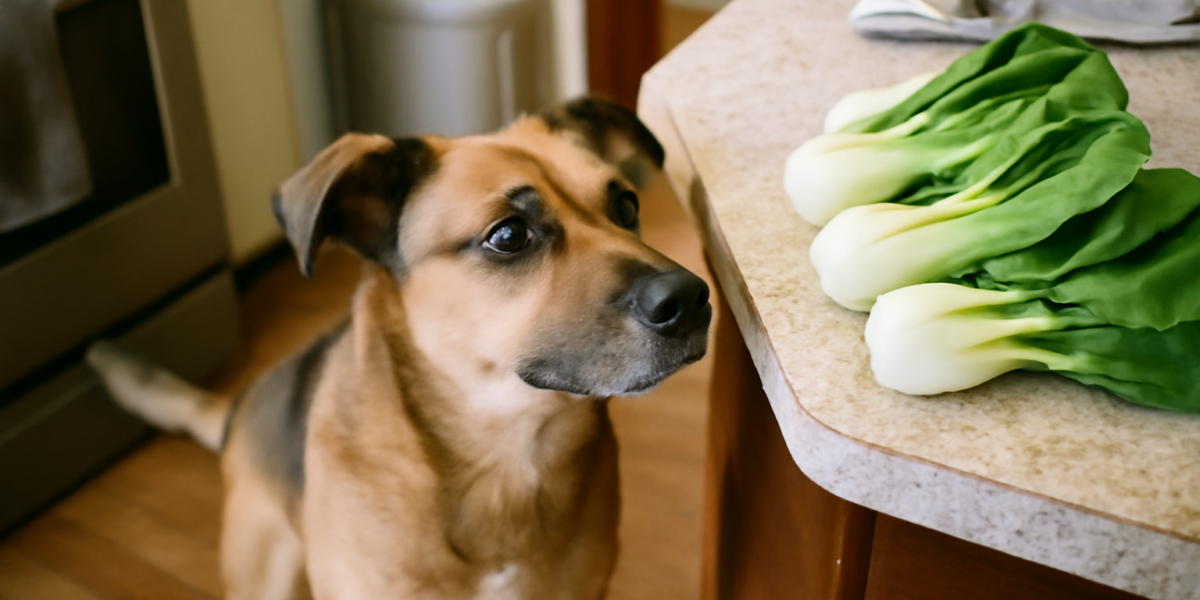
Bok choy has become a staple in many kitchens thanks to its mild flavor and impressive nutritional profile. If you are a fan of this crunchy Chinese cabbage and share your home with a dog, you have probably wondered: can dogs eat bok choy? The good news is that yes, bok choy is generally safe for dogs to eat when properly prepared and served in appropriate portions. This leafy green vegetable offers a nice range of vitamins and minerals that can complement your dog’s regular diet as an occasional treat.
However, like any human food, bok choy comes with some considerations that responsible pet owners should understand. From proper preparation to portion control and potential risks, this comprehensive guide covers everything you need to know before adding bok choy to your dog’s treat rotation.
Is Bok Choy Safe for Dogs?
Bok choy, also known as pak choi or Chinese white cabbage, is a cruciferous vegetable that belongs to the Brassica family. This is the same family that includes cabbage, broccoli, and kale. None of these vegetables are toxic to dogs, and bok choy is no exception. It does not appear on any veterinary toxicity lists and is considered a safe food for canine consumption.
That said, safe does not mean unlimited. Bok choy contains compounds called glucosinolates, which are found in all cruciferous vegetables. In very large quantities over extended periods, glucosinolates can interfere with thyroid function in dogs. This is not a concern with normal, occasional servings, but it is one reason why moderation matters when feeding any cruciferous vegetable to your dog.
Bok choy also contains isothiocyanates, which are produced when the plant’s cells are broken down through chewing or chopping. In small amounts, these compounds may actually have beneficial anti-inflammatory and anti-cancer properties. In excessive amounts, however, they can cause mild gastrointestinal irritation in some dogs. The key takeaway is that bok choy is a safe and healthy treat as long as you do not overdo it.
If your dog already enjoys other leafy greens like spinach, bok choy can be a wonderful addition to the rotation. Each leafy green brings a slightly different nutritional profile, so variety is a great approach.
Nutritional Benefits of Bok Choy for Dogs
Bok choy is often described as a nutritional powerhouse, and for good reason. This unassuming vegetable packs an impressive array of vitamins, minerals, and beneficial compounds into very few calories. Here is a closer look at what bok choy offers your dog:
Vitamin A: Bok choy is rich in beta-carotene, which the body converts to vitamin A. This vitamin is essential for maintaining healthy vision, skin, coat, and immune function in dogs. Dogs who get adequate vitamin A tend to have shinier coats and healthier skin.
Vitamin C: While dogs can produce their own vitamin C, supplemental sources from whole foods like bok choy can provide additional antioxidant support, especially for older dogs or those under stress. Vitamin C also plays a role in collagen production and immune health.
Vitamin K: This fat-soluble vitamin is crucial for proper blood clotting. Bok choy is an excellent source of vitamin K, providing a significant amount even in small servings.
Calcium: Bok choy contains a notable amount of calcium and, unlike spinach, has low oxalate levels. This means the calcium in bok choy is more bioavailable and easier for your dog’s body to absorb and use. Calcium supports strong bones, teeth, and proper muscle function.
Potassium: This essential mineral supports healthy heart function, muscle contractions, and nerve signaling. Adequate potassium intake helps maintain proper fluid balance in the body.
Folate: Bok choy provides folate, a B vitamin that supports cell growth and DNA formation. It is particularly important for pregnant dogs, though all dogs benefit from adequate folate in their diet.
Fiber: The fiber content in bok choy supports digestive health by promoting regular bowel movements and feeding beneficial gut bacteria. The fiber in bok choy is relatively gentle compared to some other vegetables, making it a good option for dogs with moderately sensitive stomachs.
Hydration: Bok choy has a high water content, approximately 95 percent water by weight. This makes it a hydrating treat, especially useful during warmer months or for dogs who do not drink as much water as they should.
How to Prepare Bok Choy for Dogs
Proper preparation is essential to ensure your dog gets the most benefit from bok choy while minimizing any risks. Here is how to prepare it safely:
Wash Thoroughly: Like all produce, bok choy should be washed carefully under running water to remove any pesticide residues, dirt, or potential contaminants. Pay special attention to the base where the stalks meet, as dirt tends to collect there. If possible, choose organic bok choy to minimize pesticide exposure.
Chop Into Small Pieces: Whether you are cooking or serving raw bok choy, always chop it into small, manageable pieces appropriate for your dog’s size. Large leaves or thick stalks can be a choking hazard, particularly for smaller dogs or enthusiastic eaters who do not chew their food thoroughly.
Lightly Cooked Is Best: While dogs can eat raw bok choy, lightly steaming or blanching it is the preferred preparation method. Cooking softens the tough fibers, making it easier to digest, and slightly reduces the glucosinolate content. Steam bok choy for three to five minutes until it is tender but still retains some color. Avoid overcooking, which destroys many of the beneficial nutrients.
Keep It Plain: Never add oil, butter, salt, garlic, soy sauce, or any other seasoning to bok choy intended for your dog. Many common seasonings, especially garlic and onion, are toxic to dogs. Soy sauce contains extremely high levels of sodium that can be dangerous. Plain is always the way to go when preparing any vegetable for canine consumption.
Avoid Stir-Fry and Prepared Dishes: If you are cooking bok choy for yourself as part of a stir-fry or Asian-inspired dish, set aside a plain portion for your dog before adding any sauces or seasonings. The finished human dish will almost certainly contain ingredients that are not safe for dogs.
Serving Sizes and Frequency
Bok choy should be treated as a supplemental snack rather than a meal replacement. Vegetables and other treats should make up no more than 10 percent of your dog’s total daily caloric intake, with the other 90 percent coming from a nutritionally complete and balanced dog food.
Here are general serving size guidelines based on your dog’s weight:
Small dogs (under 20 pounds): One to two small pieces of cooked bok choy, roughly one to two tablespoons chopped, offered once or twice per week.
Medium dogs (20 to 50 pounds): Two to four tablespoons of cooked, chopped bok choy, offered two to three times per week.
Large dogs (over 50 pounds): Up to a quarter cup of cooked, chopped bok choy, offered two to three times per week.
When feeding bok choy for the first time, start with just a tiny piece, about the size of your thumbnail, and wait 24 to 48 hours. Watch your dog closely for any signs of digestive upset or allergic reaction. If they handle it well, you can gradually increase the amount over the following week until you reach the appropriate serving size for their weight.
Rotating bok choy with other safe vegetables throughout the week is an excellent strategy. This not only provides nutritional variety but also prevents your dog from consuming too many glucosinolates from a single vegetable family.
Potential Risks and Side Effects
Even though bok choy is safe for dogs, there are several potential risks and side effects to keep in mind:
Thyroid Concerns: As mentioned earlier, cruciferous vegetables contain glucosinolates that can interfere with thyroid function when consumed in large amounts over time. Dogs with existing thyroid conditions, particularly hypothyroidism, should eat cruciferous vegetables sparingly and only with veterinary approval. For healthy dogs eating normal portions, this is not a significant concern.
Gas and Bloating: Cruciferous vegetables are notorious for causing gas, and bok choy is no exception. Some dogs may experience increased flatulence, bloating, or mild abdominal discomfort after eating bok choy. This is usually temporary and resolves on its own, but if the gas is severe or accompanied by other symptoms, reduce the portion size or eliminate bok choy from the diet.
Digestive Upset: Dogs who are not accustomed to vegetables may experience loose stools or mild diarrhea after eating bok choy, particularly if too much is given too quickly. This is why gradual introduction is so important. The fiber content, while beneficial in moderation, can overwhelm a digestive system that is not used to processing plant matter.
Pesticide Exposure: Conventionally grown bok choy may contain pesticide residues. While washing helps, choosing organic when possible is the safest option for your dog. Dogs are smaller than humans and may be more sensitive to pesticide residues relative to their body weight.
Choking Hazard: The thick, crunchy stalks of bok choy can be a choking hazard, especially when served raw to small dogs. Always chop bok choy into appropriately sized pieces and supervise your dog while they eat it.
When to Call the Vet
Bok choy reactions are rarely serious, but there are situations where you should seek veterinary advice:
Contact your vet if your dog shows signs of an allergic reaction after eating bok choy, including itching, hives, facial swelling, or difficulty breathing. While allergies to bok choy are uncommon, they are possible.
Reach out to your veterinarian if your dog experiences persistent vomiting or diarrhea lasting more than 12 to 24 hours after eating bok choy. A single episode of loose stool is usually nothing to worry about, but ongoing digestive problems warrant professional attention.
If your dog ate bok choy that was prepared with garlic, onions, or large amounts of soy sauce, call your vet right away. Garlic and onions are toxic to dogs and can cause oxidative damage to red blood cells, while excessive sodium from soy sauce can lead to salt poisoning.
Dogs with pre-existing thyroid conditions should not eat bok choy or any cruciferous vegetable without veterinary approval. If your hypothyroid dog accidentally ate a significant amount of bok choy, let your vet know so they can monitor thyroid levels if needed.
Finally, if your dog shows any unusual symptoms that you cannot explain after eating bok choy, or if you are simply unsure whether something is normal, err on the side of caution and give your veterinarian a call. They know your dog’s health history and can provide personalized guidance.
Frequently Asked Questions
Can dogs eat raw bok choy?
Dogs can technically eat raw bok choy, but cooked bok choy is generally a better choice. Raw bok choy is tougher to chew and harder to digest, which can increase the risk of choking and gastrointestinal discomfort. Lightly steaming or blanching bok choy softens the fibers and makes the nutrients more accessible while slightly reducing the glucosinolate content. If you do offer raw bok choy, chop it into very small pieces and serve only tiny amounts.
Can puppies eat bok choy?
Puppies have more sensitive digestive systems than adult dogs, so it is best to wait until your puppy is at least six months old before introducing bok choy or other vegetables. Even then, start with a very small amount and observe closely. Puppies should be getting the vast majority of their nutrition from a high-quality puppy food formulated for their growth stage. Treats and extras should be minimal during the critical growth period.
Is bok choy better for dogs than regular cabbage?
Both bok choy and regular cabbage are safe and nutritious for dogs. Bok choy tends to have a higher concentration of certain vitamins, particularly vitamin A and vitamin C, compared to green cabbage. It also has a milder flavor that some dogs may prefer. However, regular cabbage is also a perfectly healthy option. The best approach is to rotate between different safe vegetables, including both bok choy and cabbage, to provide the widest range of nutrients.
How do I know if my dog is allergic to bok choy?
Allergic reactions to bok choy typically appear within a few hours of consumption. Watch for signs such as itchy skin, red or irritated ears, excessive licking or scratching, hives, vomiting, diarrhea, or facial swelling. In rare cases, a severe allergic reaction can cause difficulty breathing, which is a veterinary emergency. The best way to test for a potential allergy is to introduce bok choy in a very small amount, about the size of a pea, and monitor your dog for 48 hours before offering more.
Bok choy is a wonderful, nutrient-rich vegetable that most dogs can enjoy safely as part of a balanced diet. By preparing it properly, serving it in appropriate portions, and staying alert for any adverse reactions, you can add this healthy green to your dog’s treat repertoire with confidence. As with any dietary change, a conversation with your veterinarian is always a smart first step.


