
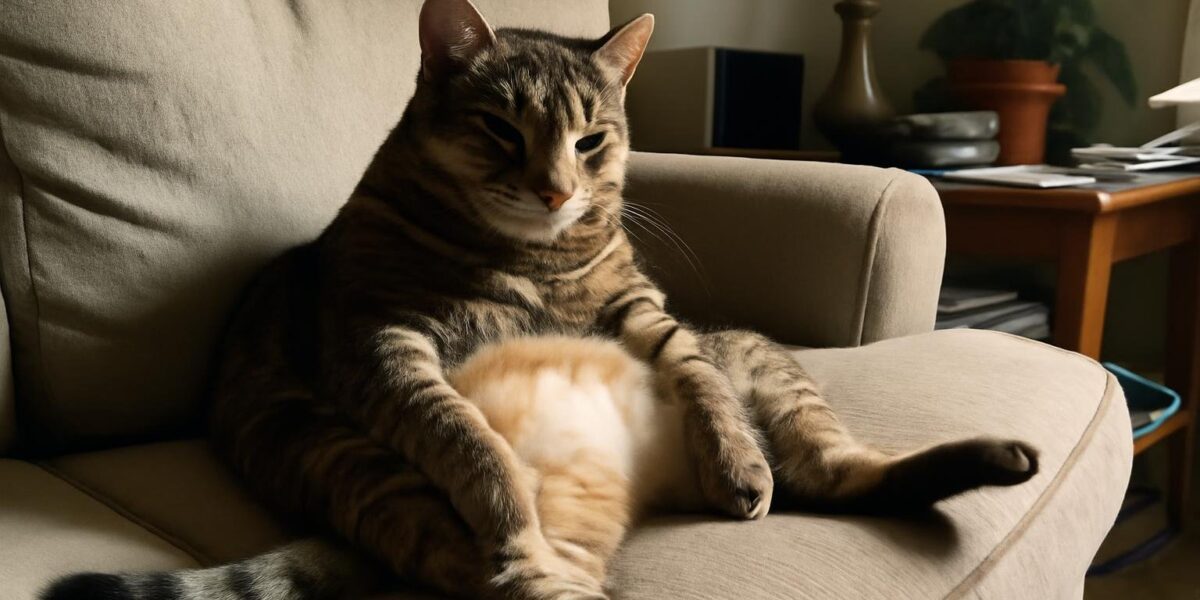
If you are asking how do I get my cat to drink more water, the encouraging answer is yes, you can absolutely boost your cat’s water intake, and doing so protects her urinary and kidney health for years to come. Cats are notoriously low-key drinkers because they descend from desert animals and naturally get much of their moisture from food. By offering fresh flowing water, adding moisture-rich meals, and placing water in appealing spots, you make hydration easy and inviting. Go at your cat’s pace, keep things fresh and clean, and check with your vet if drinking habits change suddenly.
In this article
Why Cats Drink So Little Water
Cats evolved from desert-dwelling ancestors who got most of their hydration from prey rather than puddles. As a result, the modern house cat often has a weak thirst drive and may not drink enough on her own, especially if she eats mostly dry food.
Many cats are also picky about how and where they drink. Whiskers brushing the sides of a deep bowl, water that sits too close to the food or litter box, or stale water can all put a cat off. These small annoyances add up to a cat who skips the water bowl more often than is healthy.
Hydration genuinely matters. Good water intake supports kidney function and helps prevent painful urinary issues that are common in cats. Recognizing your cat’s natural low thirst is the first step toward gently encouraging better habits.
Indoor cats on dry-food diets are especially at risk of running a little dehydrated, since they neither get moisture from prey nor feel a strong urge to seek out the bowl. Senior cats and those with existing kidney concerns need even more support. The reassuring part is that you do not have to convince your cat to chug from a dish, you simply have to make hydration easy and appealing in several small ways at once.
Offer Water in More Appealing Ways
Small changes to how you serve water can make a surprising difference. The goal is to make drinking effortless, fresh, and a little bit fun.
- Use wide, shallow bowls so your cat’s sensitive whiskers do not touch the sides.
- Choose ceramic, glass, or stainless steel rather than plastic, which can hold odors.
- Refresh the water at least once or twice a day to keep it cool and clean.
- Try a pet water fountain, since many cats are drawn to moving, oxygenated water.
Flowing water is especially enticing because cats instinctively prefer fresh sources over still ones. A cat water fountain can transform a reluctant drinker into an enthusiastic one, and the gentle sound often becomes a welcome part of your cat’s routine.
If you try a fountain, give your cat time to get used to the noise and motion, and keep it clean by rinsing the bowl and changing the filter on schedule. A grimy or noisy fountain can put a fussy cat off as quickly as it once drew her in. Some cats also enjoy a dripping faucet, and a slow trickle left on for a minute can be a fun, novel way to encourage extra sips while you find a more permanent setup.
Boost Moisture Through Food
One of the most effective ways to hydrate a cat is through her diet. Food can deliver a large share of daily water without your cat ever visiting a bowl.
Wet or canned food is roughly 70 to 80 percent water, compared with around 10 percent for dry kibble. Feeding more wet food, or adding a little warm water or low-sodium broth to meals, dramatically increases moisture intake. You can also mix a splash of water into canned food to make a tasty, hydrating gravy.
If your cat is fussy about food changes, introduce wet food gradually alongside her usual meals. The patient approach in how to handle a picky eater cat helps you win over even the most particular eater, and pairing meals with cat enrichment activities like puzzle feeders keeps mealtime engaging.
Beyond meals, there are simple ways to sneak in extra moisture throughout the day. A few ice cubes floating in a bowl can intrigue a curious cat and encourage her to bat and lick at the cold water. Some cats enjoy a saucer of plain water from a can of tuna packed in water, offered occasionally as a treat. Wet treats and lickable purees designed for cats are another easy, hydrating reward that most cats find irresistible.
Place Water Where Your Cat Wants It
Location matters more than many owners realize. Cats prefer to drink away from their food and far from the litter box, an instinct tied to keeping water sources clean in the wild.
- Set up several water stations around your home so water is always close by.
- Keep bowls away from the food dish and well away from the litter box.
- Place water in calm, low-traffic spots where your cat feels safe lingering.
- Consider raised bowls for older cats or those with achy joints.
- Experiment with locations and note which your cat visits most, then add more there.
Multiple inviting stations remove every excuse not to drink. When fresh water is always within a few steps and far from anything off-putting, most cats naturally drink more throughout the day.
In a multi-cat household, generous water stations matter even more. A timid cat may avoid a bowl guarded by a more confident housemate, quietly going without rather than risking a confrontation. Spreading water sources across different rooms and levels of the home ensures every cat has a calm, private place to drink. The same logic applies to homes with dogs, where a shared bowl in a busy hallway can discourage a cautious cat.
Common Mistakes to Avoid
A frequent mistake is placing the water bowl right next to the food or the litter box. Cats instinctively avoid drinking near these areas, so an inconvenient location can quietly suppress water intake.
Another error is letting water go stale. A bowl that sits all day collecting dust, hair, and food particles is unappealing to a fastidious cat. Daily refreshing and regular bowl cleaning keep water inviting.
Avoid forcing the issue with syringes or stressful tactics unless your vet specifically advises it. Pressure creates anxiety around water, which is the opposite of what you want. Make drinking easy and pleasant, and let your cat choose, since a relaxed cat drinks better, as the calming ideas in how to calm an anxious cat reinforce.
Realistic Timeline and When to Call the Vet
Many cats respond to a new fountain, wetter food, or better-placed bowls within days to a couple of weeks. Building a consistently strong hydration habit may take a month of experimenting to find your cat’s favorite setup. Small, steady improvements are exactly what you are aiming for.
Talk to your veterinarian if you notice a sudden, marked increase or decrease in drinking, since both can signal medical issues such as kidney disease, diabetes, or urinary problems. Other red flags include straining in the litter box, blood in the urine, lethargy, or weight loss. Your vet can also advise on the ideal diet and hydration plan for your cat’s age and health.
If you have recently welcomed a new cat, give her time to settle before judging her drinking habits, and use the gentle approach in how to help a shy rescue cat to build comfort with her new home. Supporting a once-stressed cat into healthy routines is one of the quiet joys of choosing to adopt a pet.
The beauty of improving hydration is that you rarely need to rely on any single trick. A fountain here, more wet food there, a few well-placed bowls, and a splash of broth in dinner all add up to a cat who is drinking comfortably more without ever feeling pressured. Small, consistent changes protect her health for the long term and give you real peace of mind.
Frequently Asked Questions
How much water should my cat drink each day?
As a rough guide, cats need roughly 3.5 to 4.5 ounces of water per 5 pounds of body weight daily, much of which can come from wet food. Your vet can give a precise target for your cat.
Do cat water fountains really help?
For many cats, yes. Cats are drawn to fresh, moving water, and a fountain can noticeably increase how often they drink. Keep it clean and filtered so the water stays appealing.
Is wet food better than dry for hydration?
Wet food contains far more moisture than dry kibble, so it is an excellent way to boost hydration. Many cats do well on a mix or on wet food, but ask your vet about the best diet for yours.
Why does my cat ignore her water bowl?
Common reasons include stale water, a bowl placed near food or litter, whisker stress from a narrow bowl, or simply a low thirst drive. Adjusting these factors usually helps a lot.
When should I be worried about my cat’s drinking?
Call your vet if your cat suddenly drinks much more or much less than usual, strains to urinate, or seems lethargic, as these can indicate kidney, urinary, or other health problems.


